
2027 Dump Trailers For Sale in Texas
Shop 2027 dump trailers for sale in Texas. Compare 40-foot tandem models, capacities, suspension types, tarp systems, and lightweight specs.
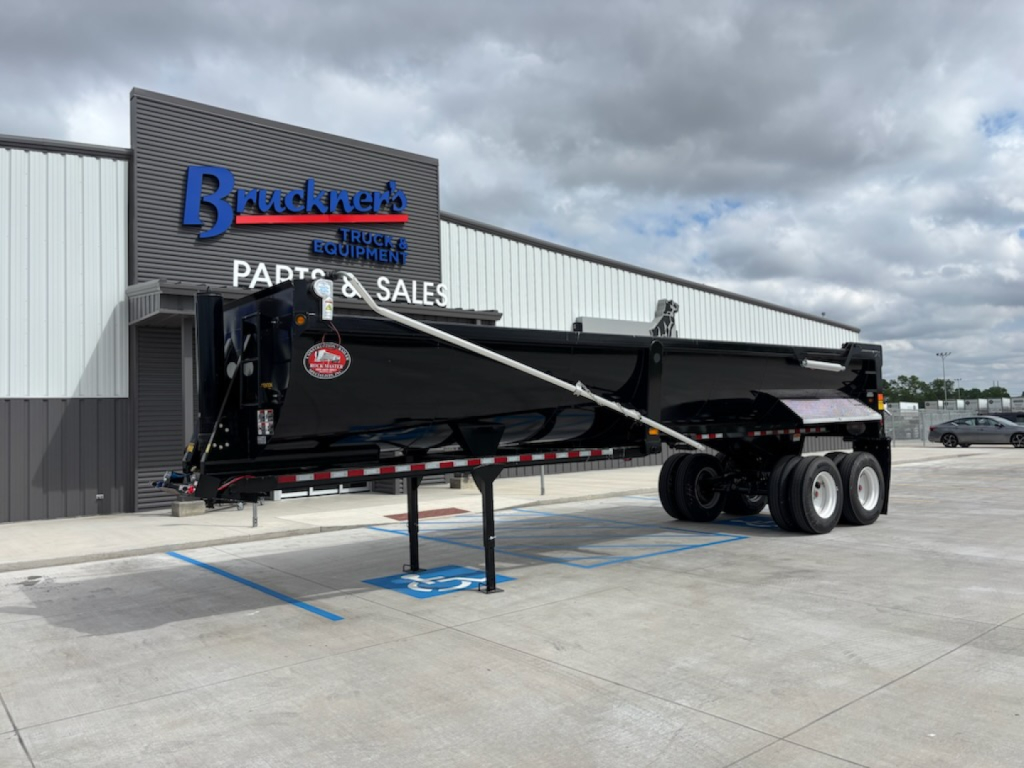
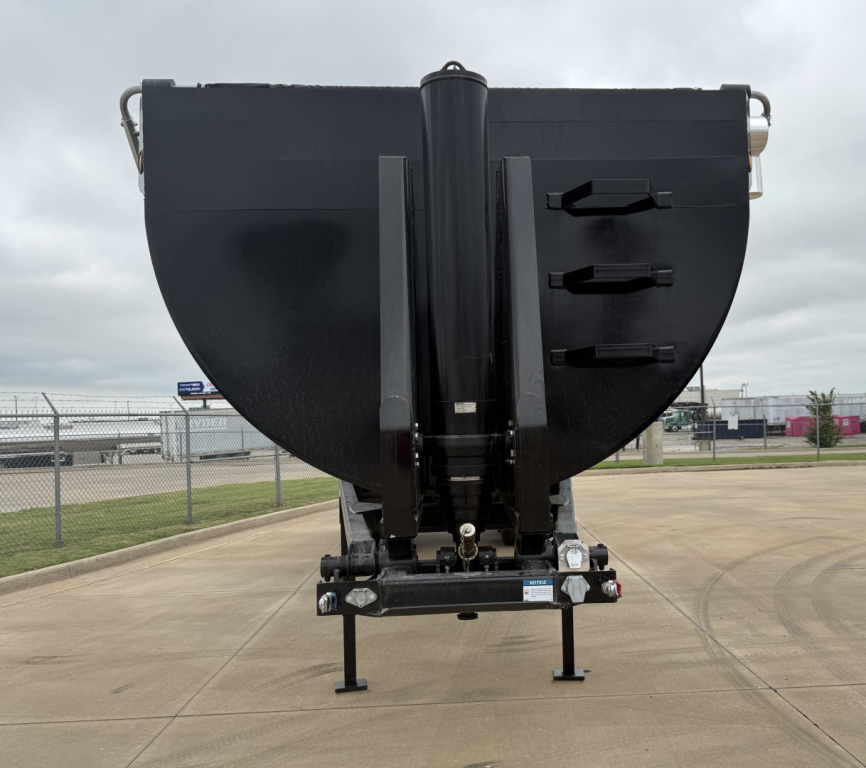

Selling a 2027 dump trailer? List your 2027 dump trailer for sale and reach thousands of commercial buyers.
2027 Dump Trailers in Texas
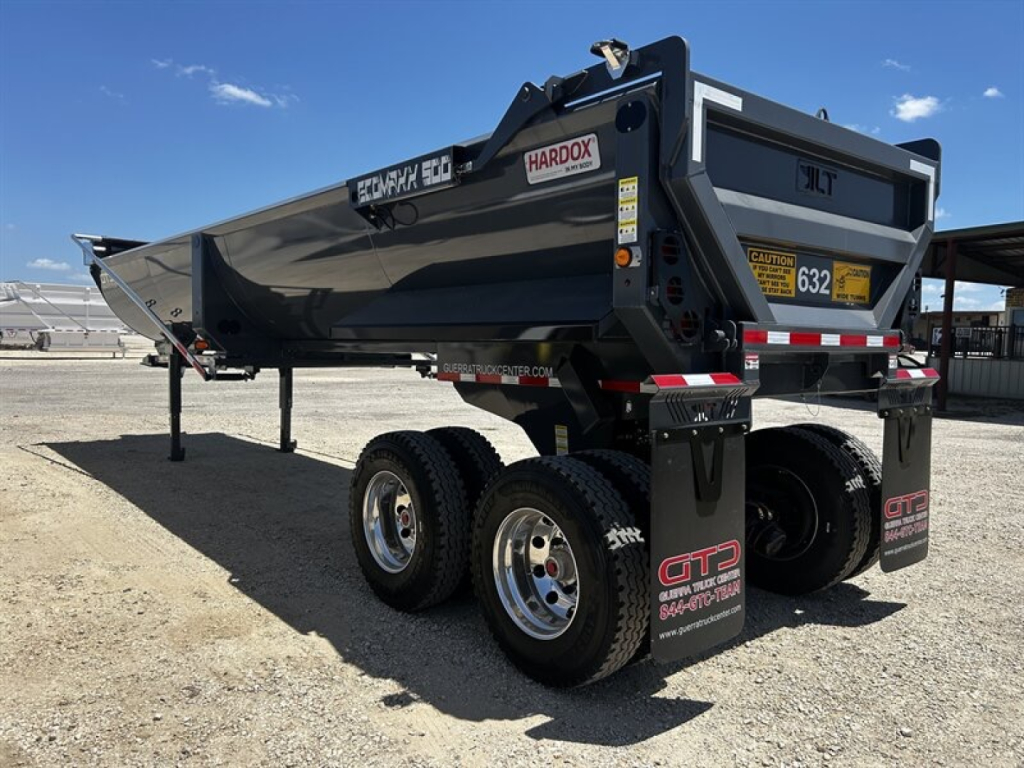
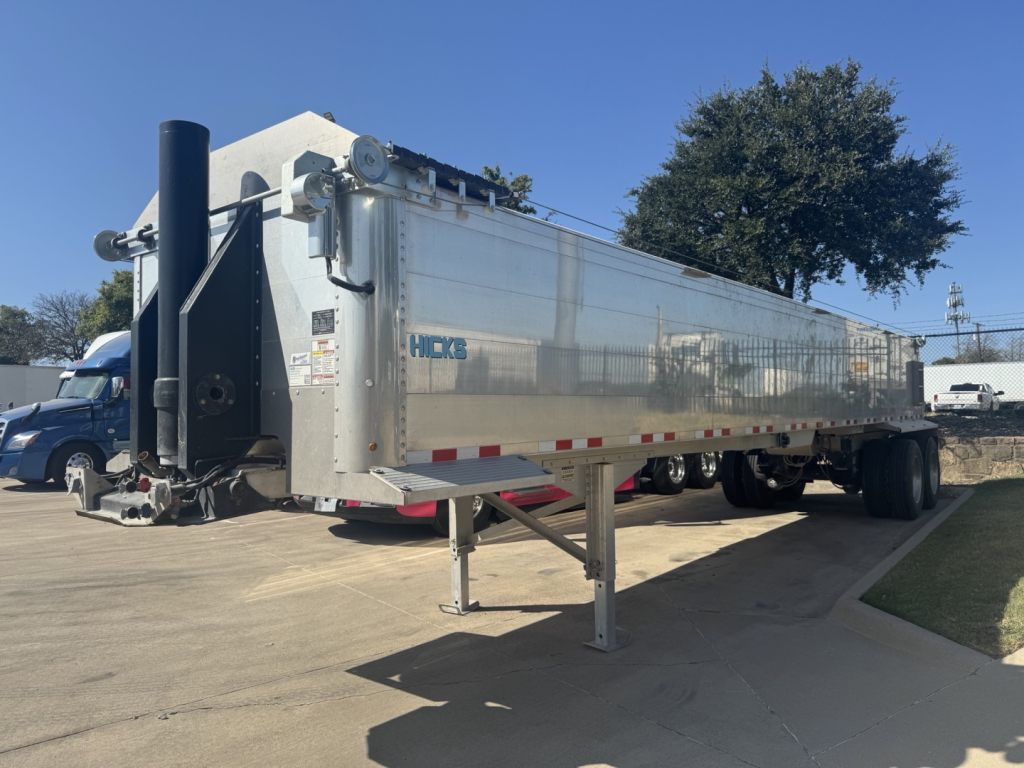
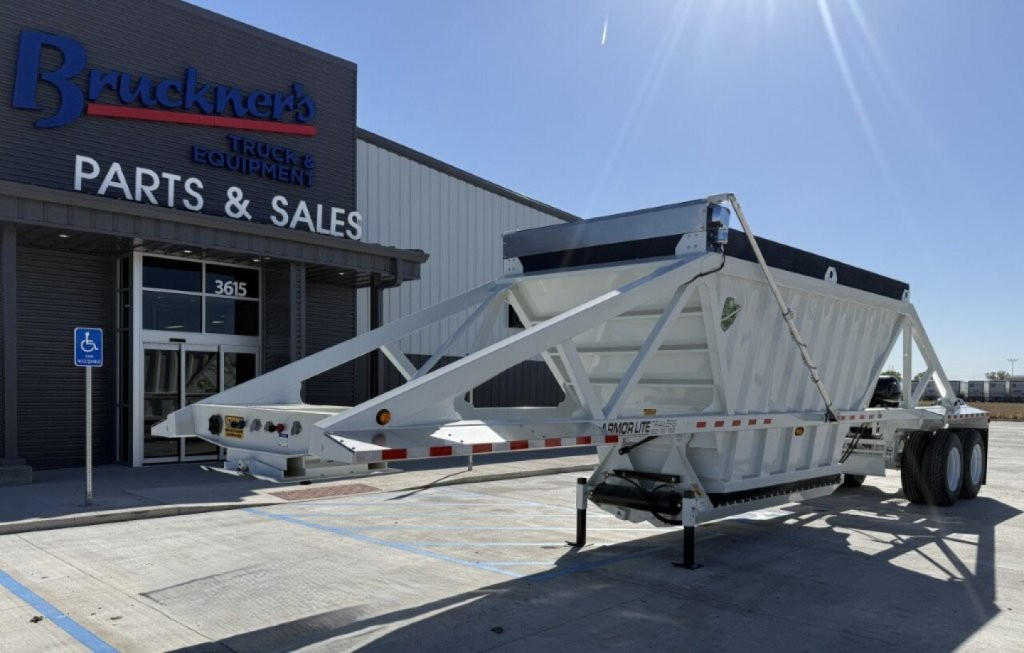
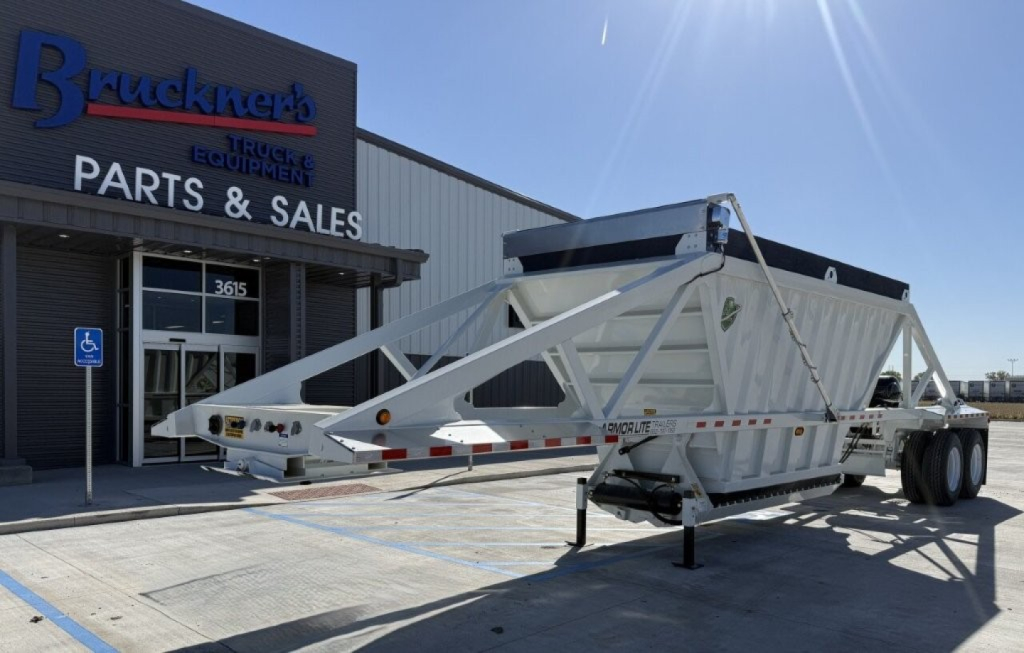
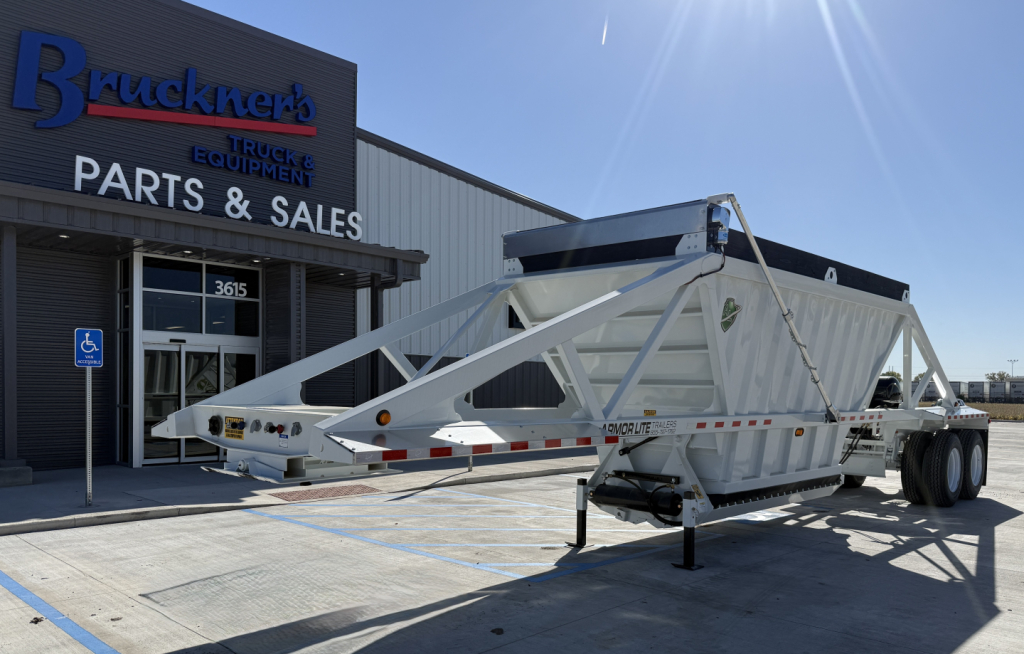
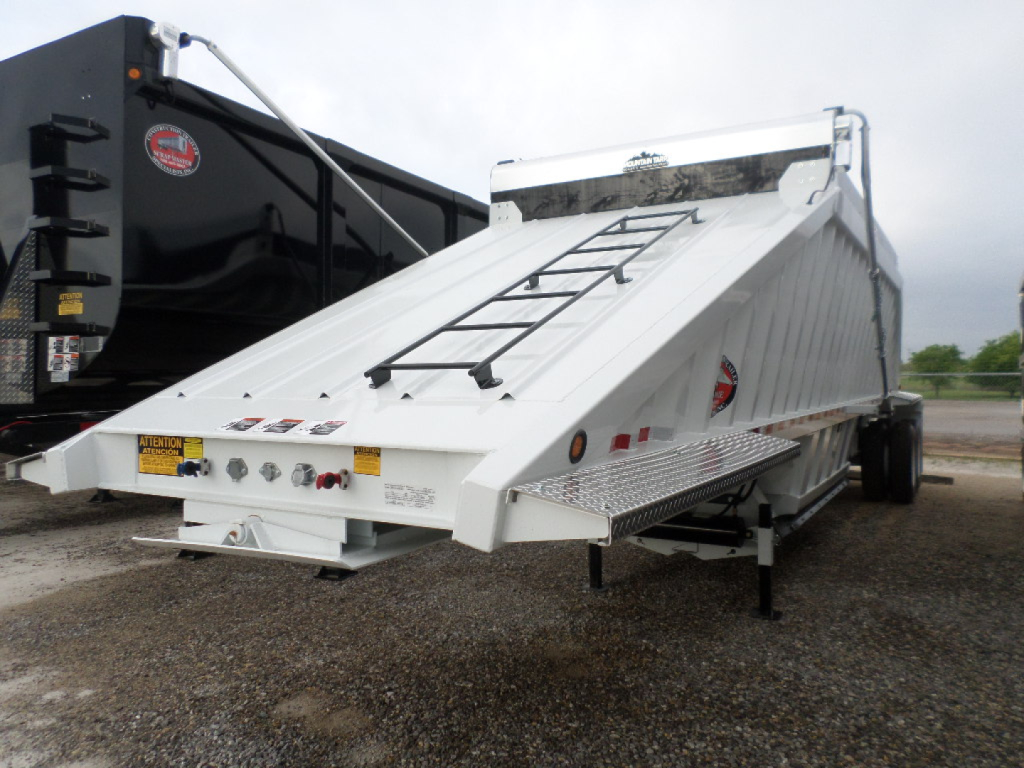
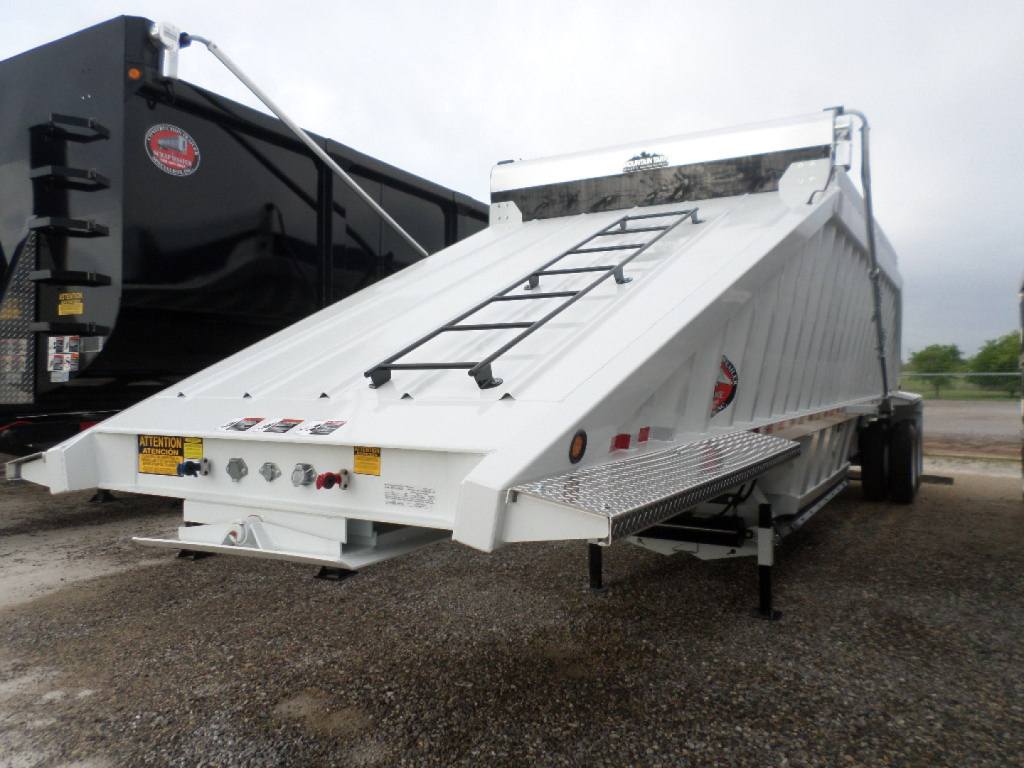
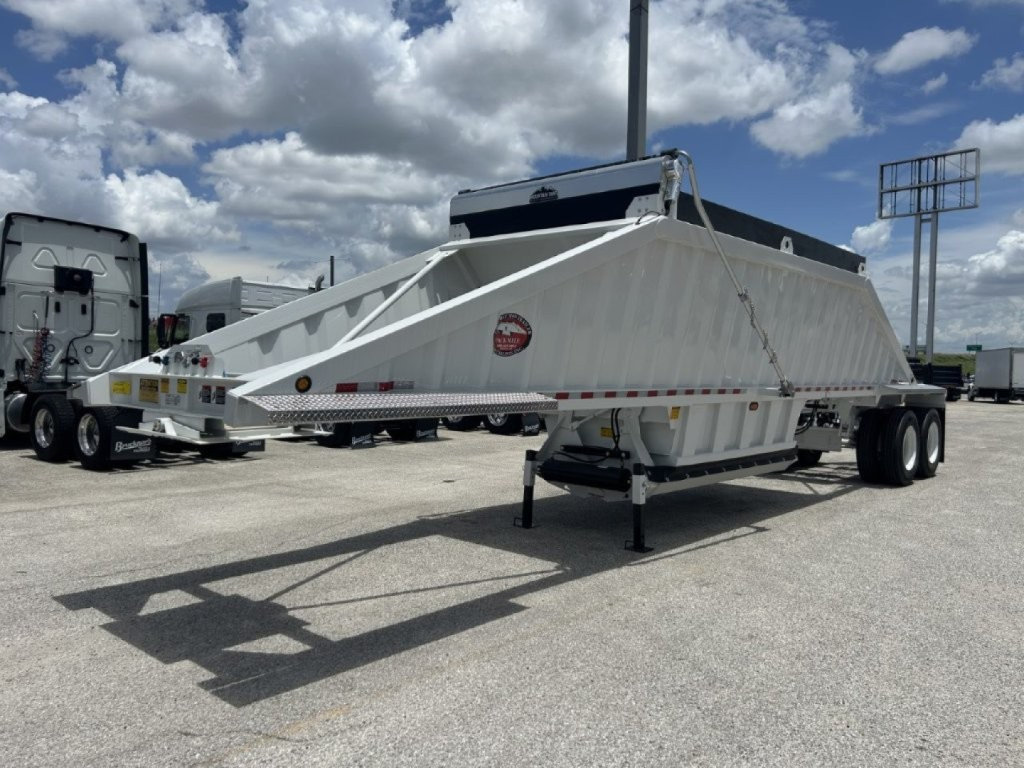
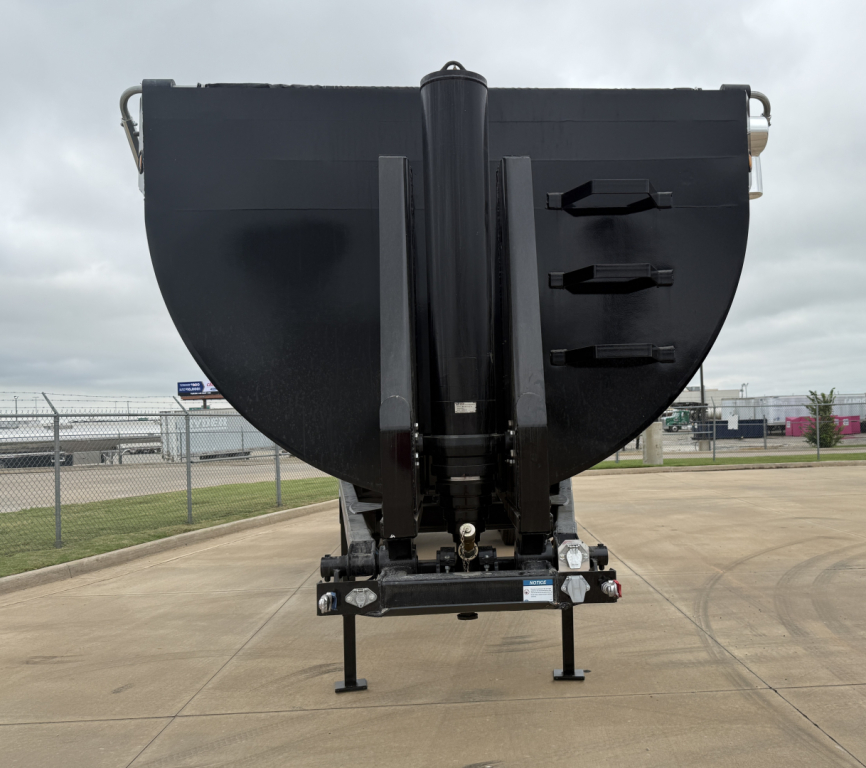
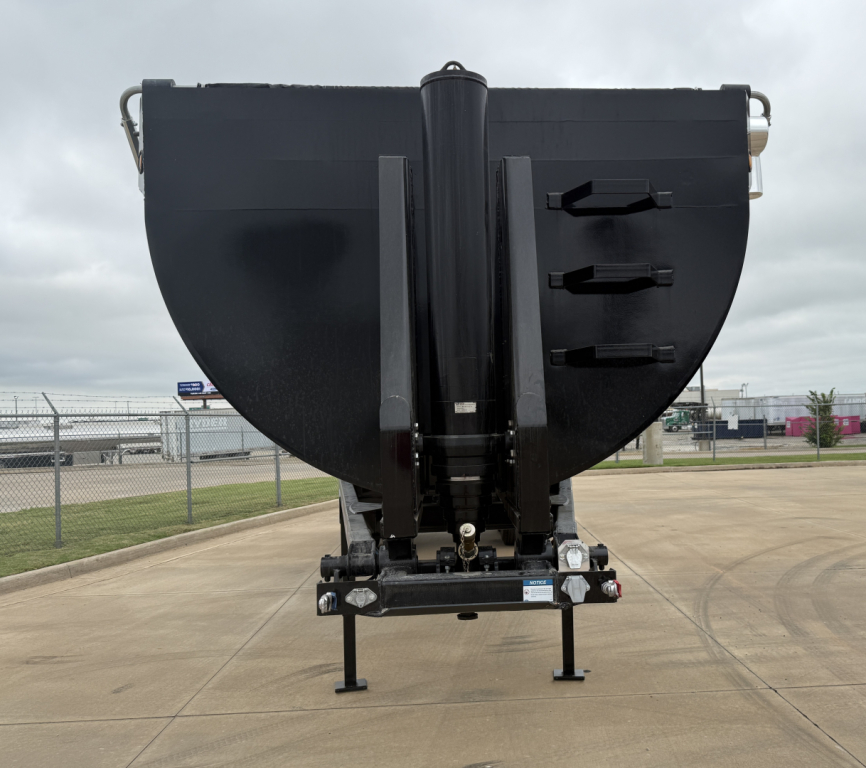
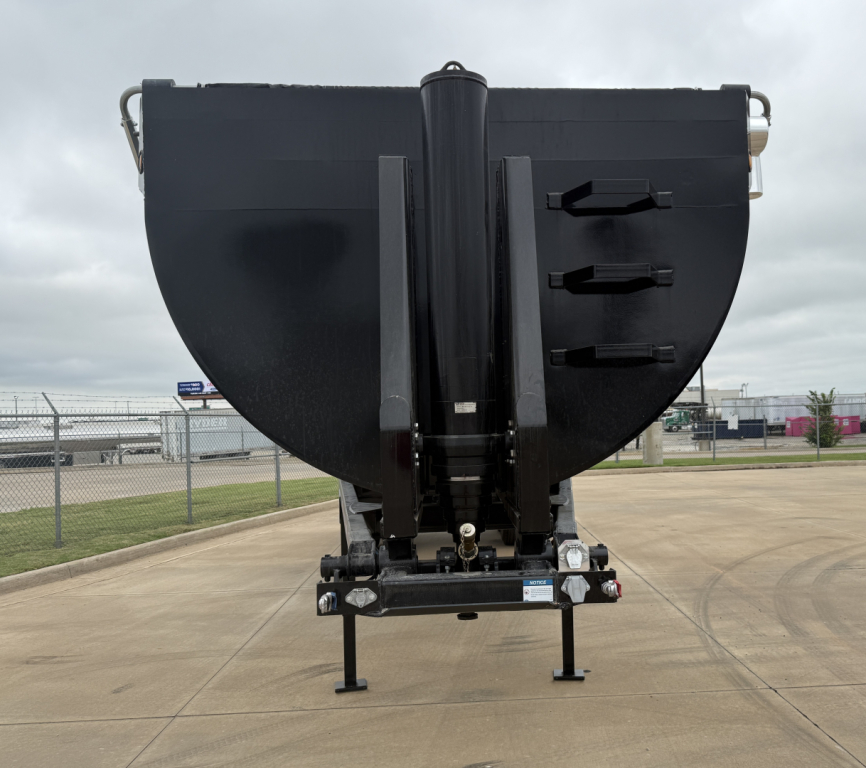
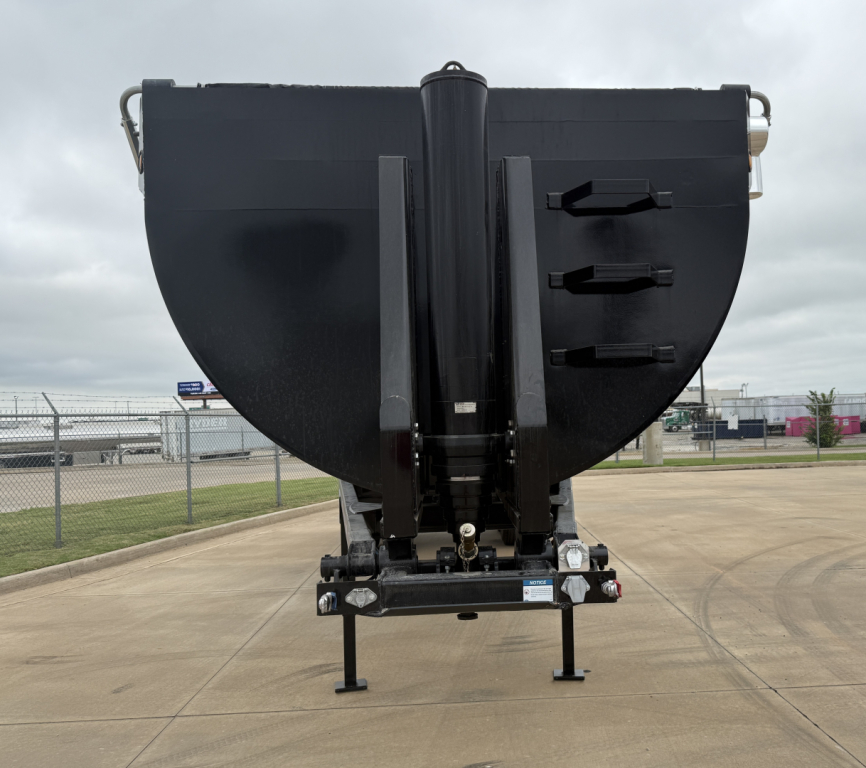
Suspension and body configuration matter more than the brochure usually suggests. Spring ride remains a common choice on dump trailers because it is simple, proven, and familiar to most fleets and owner-operators. Slope sheets are another key decision point. A dump trailer with front and rear slope sheets can improve material flow and cleanout, especially with sticky or wet loads, while a no-slope-sheet or skeleton-style body may appeal to buyers focused on tare weight and straightforward bulk hauling. Details like windrow deflectors, quick release valves, larger air tanks, and extended push blocks are not cosmetic options. They affect unloading control, trailer handling, and day-to-day durability in tough jobsite conditions.
Tarp systems, wheels, tires, and fender construction also deserve attention because they directly affect uptime. Electric flip tarps are common on newer dump trailers and are especially useful when loads change frequently or when operators need faster, safer cover cycles. Steel wheels are still widely used for durability and cost control, while tire spec, including common 11R24.5 sizes, should be matched to axle rating, route conditions, and maintenance practices. Aluminum diamond plate fenders and lightweight body designs can help trim empty weight, but buyers should also inspect how the trailer is expected to hold up under abrasive materials like crushed stone, riprap, or asphalt millings.
For Texas buyers, application should drive the final spec more than brand loyalty alone. A trailer hauling sand and gravel out of a pit may need a different floor, liner strategy, and body style than one running paving support or demolition debris. Check axle spacing, overall length, gate design, tarp operation, and compatibility with your tractor’s wet kit before comparing price. On new-model dump trailers, the most valuable unit is usually the one that fits your payload target, unloads cleanly, and stays structurally tight after repeated cycles in heat, dust, and uneven off-road approaches.
Frequently Asked Questions about 2027 Dump Trailers in Texas
What size dump trailer is most common in this category?
A common configuration in this category is a 40-foot tandem axle dump trailer with roughly 23.5 cubic yards of capacity. That size is popular because it gives buyers a practical mix of payload, maneuverability, and compatibility with bulk material work such as sand, gravel, dirt, and millings. Actual legal payload depends on trailer tare weight, axle ratings, tractor setup, and the material being hauled.
Are slope sheets worth it on a dump trailer?
Slope sheets can be worth the added cost when material flow and cleanout are priorities. Front and rear slope sheets help reduce material hang-up during unloading, which can improve cycle times and lower the amount of cleanup left in the body. Buyers hauling sticky, wet, or fine materials often prefer them, while operators focused on the lowest possible empty weight may choose a skeleton or no-slope-sheet design instead.
Is spring ride a good suspension choice for a dump trailer?
Spring ride is still a strong choice for dump trailer applications because it is durable, simple to maintain, and widely supported in the market. It performs well in severe service and off-road environments where fleets want straightforward components and predictable upkeep. The tradeoff is that it generally does not offer the same ride quality as air ride, but many dump operations prioritize ruggedness over ride comfort.
What should Texas buyers check before purchasing a dump trailer?
Texas buyers should confirm the trailer matches the intended material, route, and tractor setup. Key checks include cubic yard capacity, empty weight, axle spacing, tire size, gate style, tarp system, and wet kit compatibility. It is also important to think about how the trailer will perform in high heat, dusty conditions, uneven pit entrances, and frequent loading cycles, since those factors affect structural life and maintenance costs.
What features improve day-to-day productivity on a dump trailer?
Productivity features include electric tarp systems, quick release valves, windrow deflectors, adequate air tank capacity, and a reinforced push block. These items help reduce loading and unloading time, improve control during dump cycles, and support daily jobsite use. Buyers should also pay attention to body design, fender construction, and tire and wheel specifications because small component choices often have a noticeable effect on uptime.