
2027 CTS Dump Trailers For Sale in Texas
Shop 2027 CTS dump trailers for hauling aggregate, asphalt, and debris, including frameless half-round and tandem configurations.
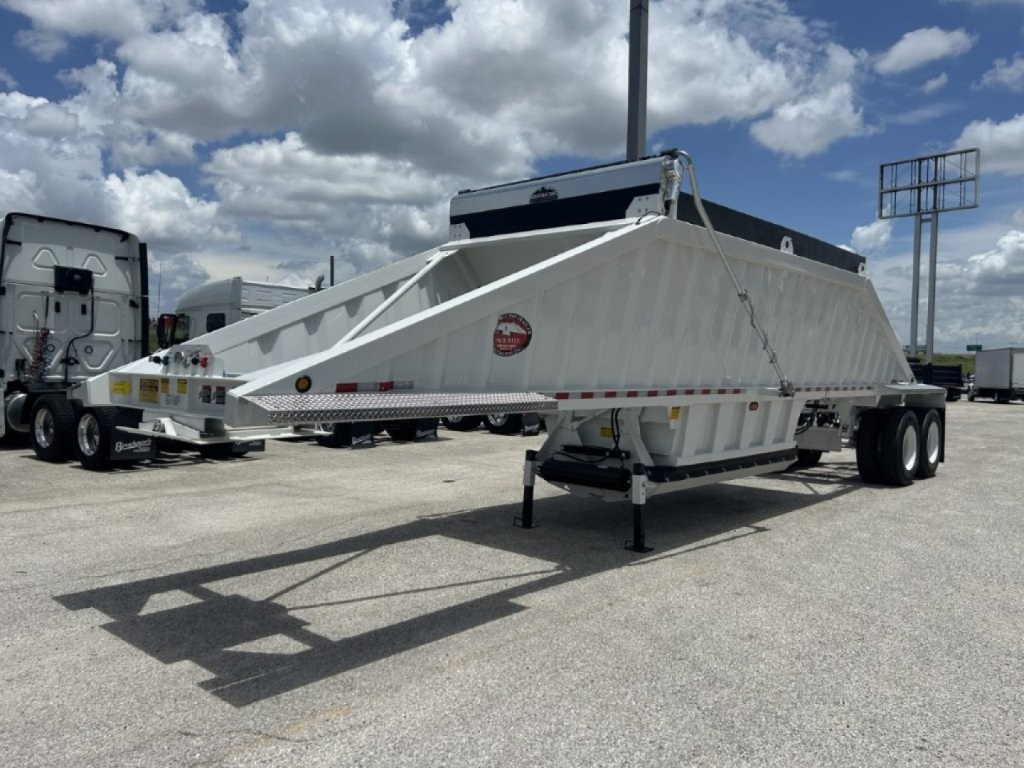
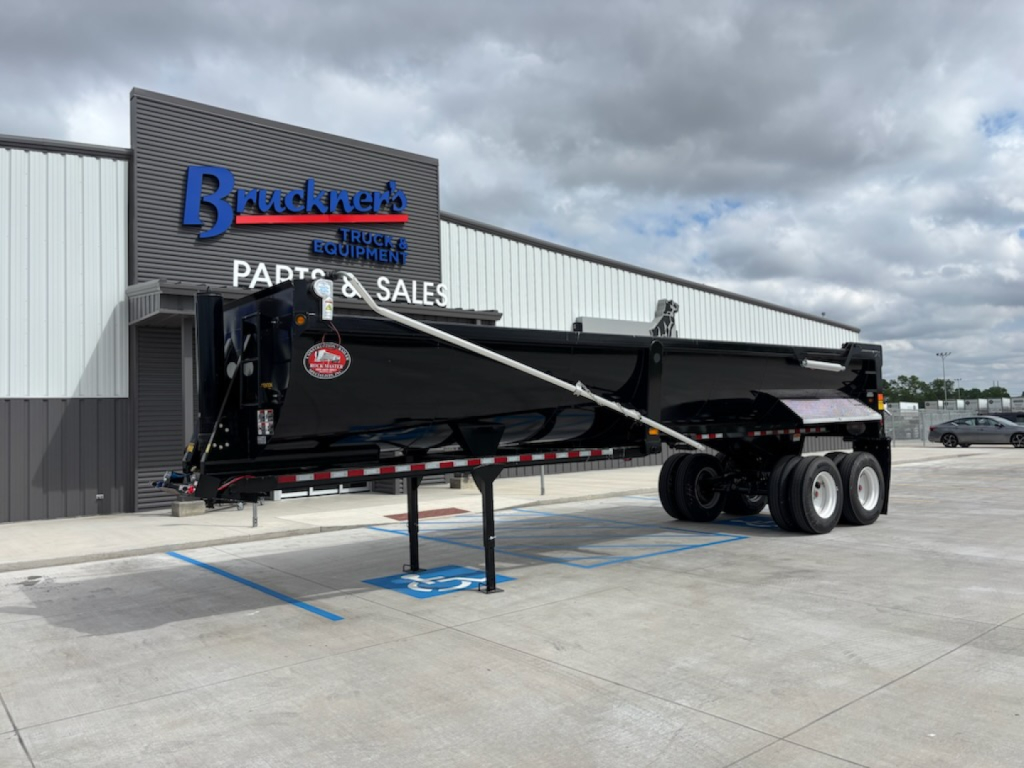
Selling a 2027 cts dump trailer? List your 2027 cts dump trailer for sale and reach thousands of commercial buyers.
2027 CTS Dump Trailers in Texas
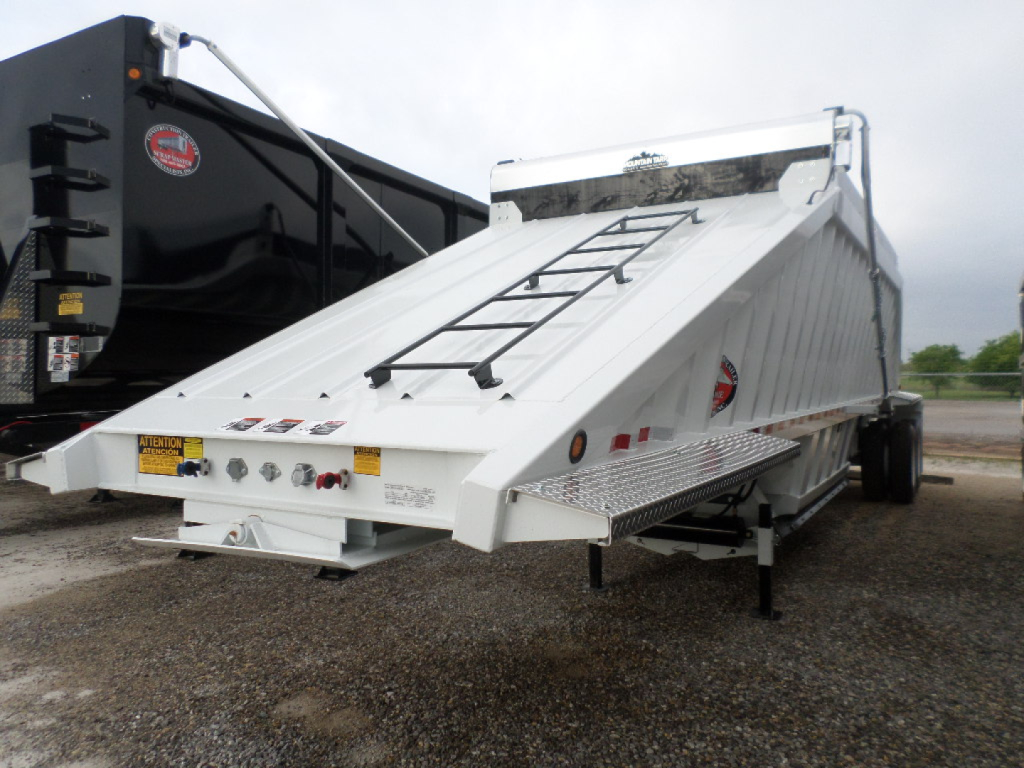
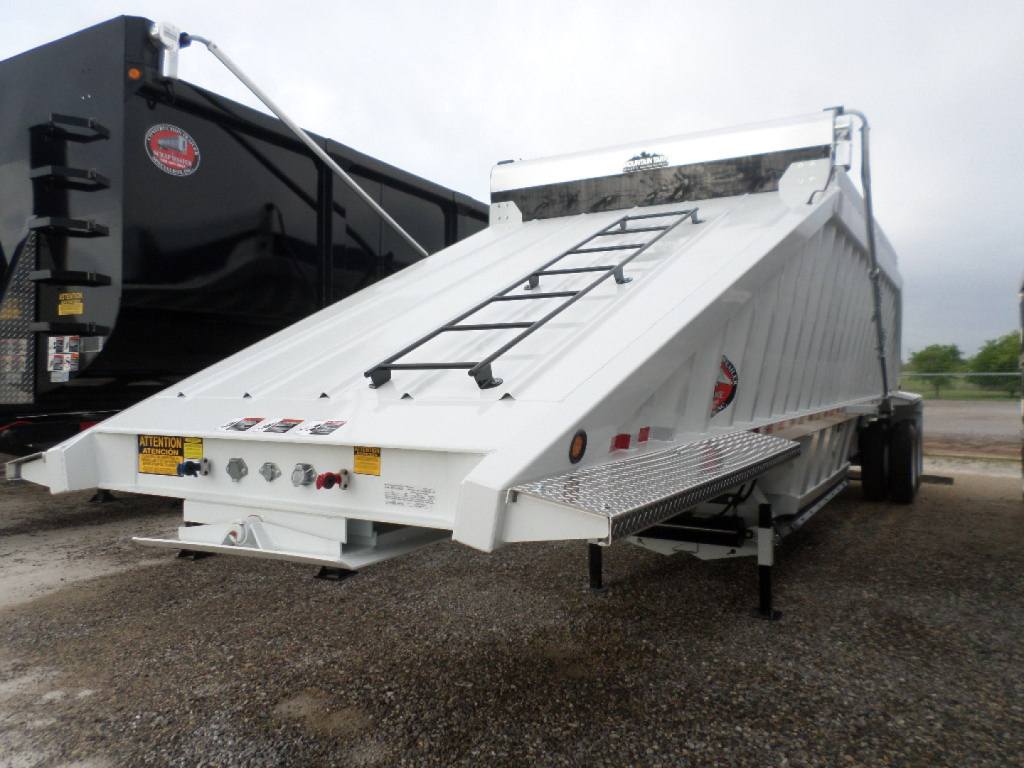
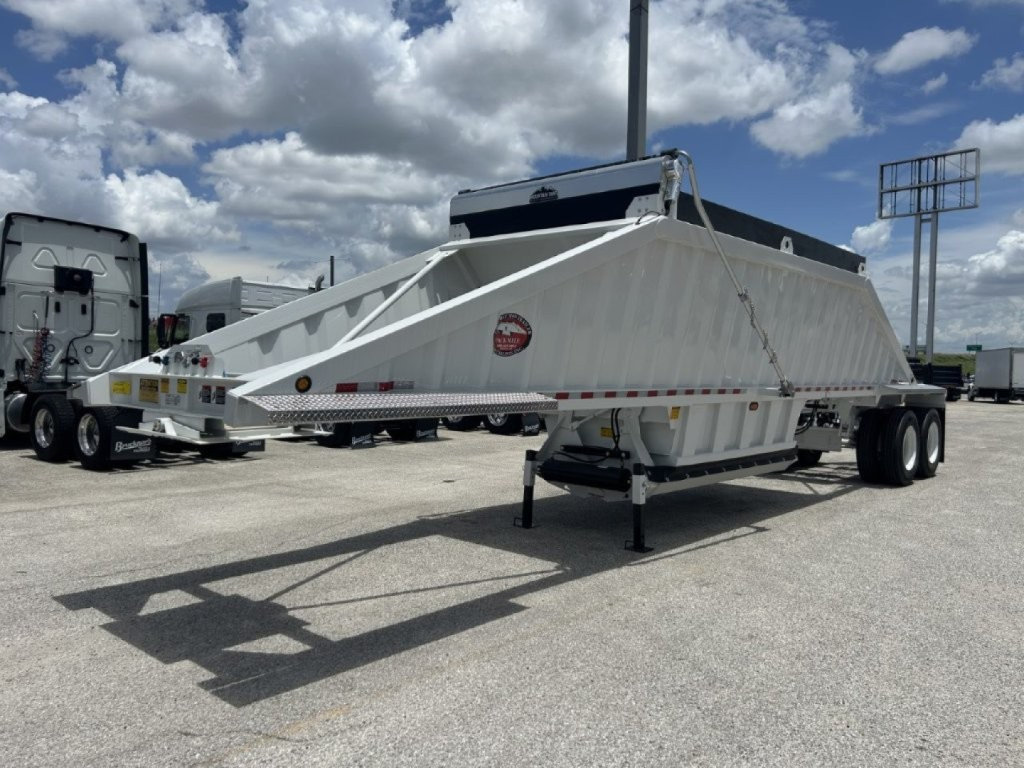
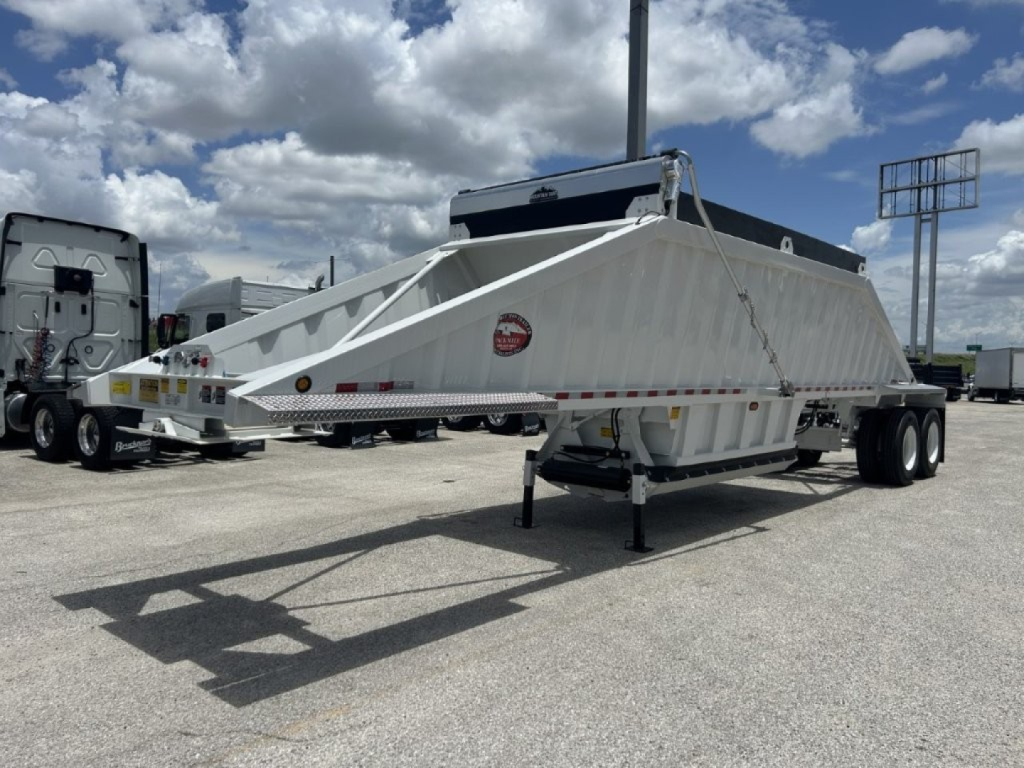
One of the first decisions is body style. A frameless half-round trailer is typically favored for sticky material and fast discharge because the rounded tub promotes cleaner dumping and reduces material hang-up. A square or board-style dump body can be a better fit when the operation values versatility and sidewall height, especially for mixed material hauling. Buyers should pay close attention to tub material and thickness, such as 1/4-inch Hardox or similar abrasion-resistant steel, along with side height, board configuration, rear gate style, and whether the trailer has slope sheets. Those details affect empty weight, resistance to wear, and how well the trailer handles different commodities.
Running gear and controls matter just as much as the box. Tandem axle CTS dump trailers in this segment may be equipped with spring ride suspension, steel wheels, quick-release valves, large air tanks, and 6-way wiring to the front. Electric tarp systems, including flip tarp and Flip-and-Go style setups, are common because they speed up cycle time and help keep loads compliant on Texas roads. Features like windrow deflectors, extended push blocks, ladder placement, manual controls on the driver side, aluminum diamond plate fenders, and high-lift rear gates can make a real difference in day-to-day use, especially in paving, quarry, and site prep applications.
For Texas buyers, spec selection should reflect haul distance, road conditions, and material type. A trailer used on short quarry runs may prioritize rugged tub construction and simple spring suspension, while a unit working asphalt or higher-volume aggregate routes may need a cleaner-dumping body, dependable tarp system, and gate setup that matches the material flow. It is also worth confirming cubic yard capacity against legal payload targets, kingpin and axle spacing, liner needs, and hoist compatibility with the tractor. A well-matched CTS dump trailer should balance payload, structural life, and unload efficiency without adding unnecessary empty weight.
Frequently Asked Questions about 2027 CTS Dump Trailers in Texas
What is the difference between a frameless half-round dump trailer and a traditional dump body?
A frameless half-round dump trailer uses a rounded tub design that helps material slide out more cleanly during unloading, which is especially useful for sticky products like asphalt, wet sand, and certain aggregates. A more traditional board-style or square body can offer different sidewall configurations and may suit operators hauling a wider mix of materials. The right choice depends on commodity type, cleanout needs, and how much emphasis is placed on empty weight versus body versatility.
What should I look for in a CTS dump trailer for aggregate or demolition work?
Focus on tub thickness, steel grade, suspension type, gate design, and overall trailer length. Abrasion-resistant steel such as Hardox is important when hauling rock, broken concrete, and other high-wear material. Buyers should also evaluate cubic yard capacity, side height, tarp system, air system components, and whether features like quick-release valves, push blocks, and windrow deflectors match the intended job cycle. The best spec is the one that supports payload without sacrificing durability.
Are spring ride dump trailers a good choice for Texas hauling?
Spring ride remains a common choice because it is straightforward, durable, and familiar to many maintenance departments. For rough jobsite access, quarry roads, and regional hauling, it can be a practical suspension setup. The tradeoff is ride quality compared with air ride in some applications. Buyers should match suspension choice to route conditions, material sensitivity, maintenance preference, and total cost of ownership.
Why do slope sheets and tarp systems matter on a dump trailer?
Slope sheets can improve material flow toward the gate and reduce carryback, which helps when unloading certain bulk products. Tarp systems matter for load security, compliance, and cycle-time efficiency. Electric flip tarps are common on dump trailers because they allow quick coverage and uncovering of loads with less driver effort. Together, these features affect productivity, cleanup time, and how easily the trailer handles different commodities.
How do I choose the right dump trailer length and capacity?
Start with the material being hauled and the legal weight limits in the operating area. A 32-foot frameless half-round may be preferred for certain dense materials and maneuverability needs, while a 40-foot tandem trailer may better suit operators targeting volume within legal payload limits. Capacity in cubic yards should always be considered alongside material density, axle configuration, and empty trailer weight. The goal is to avoid buying excess trailer that adds tare weight without improving revenue payload.