
2027 CTS Dump Trailers For Sale
Shop 2027 CTS dump trailers including end dumps and frameless models with buyer-focused details on capacity, suspension, gate and tarp options.
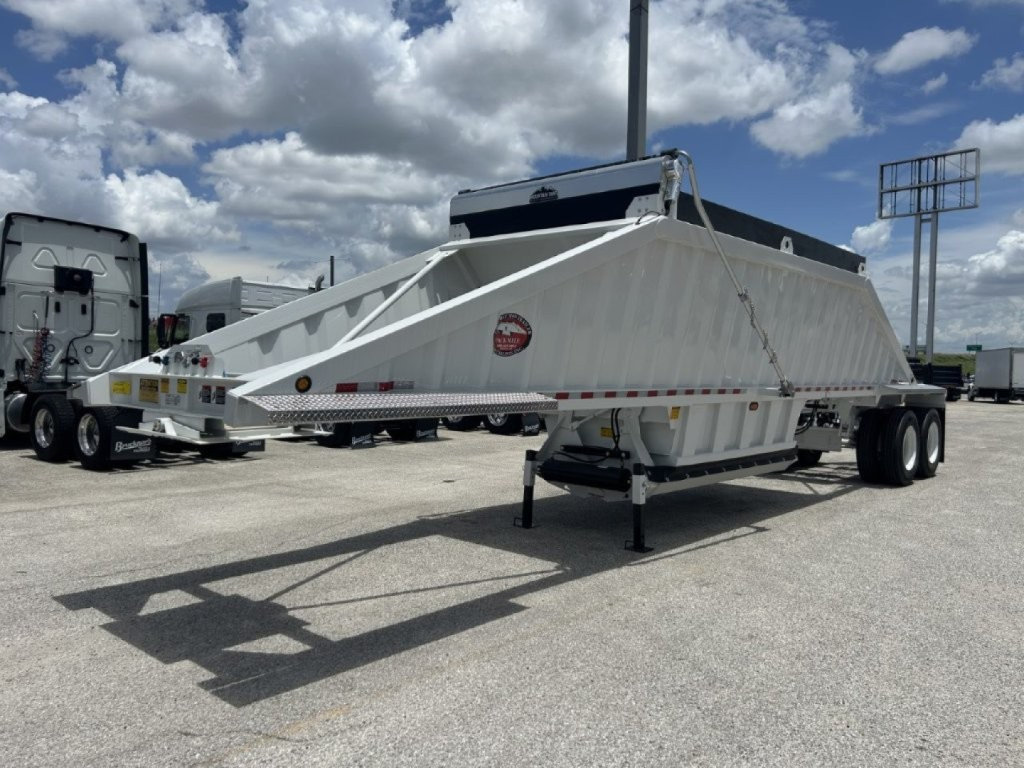
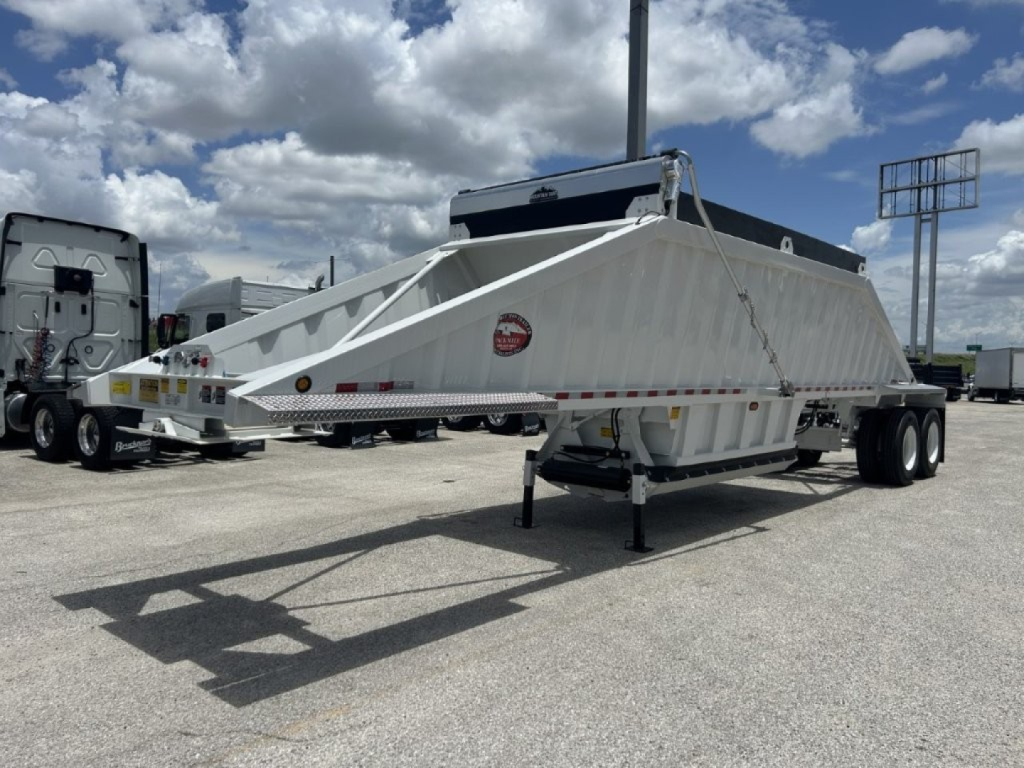
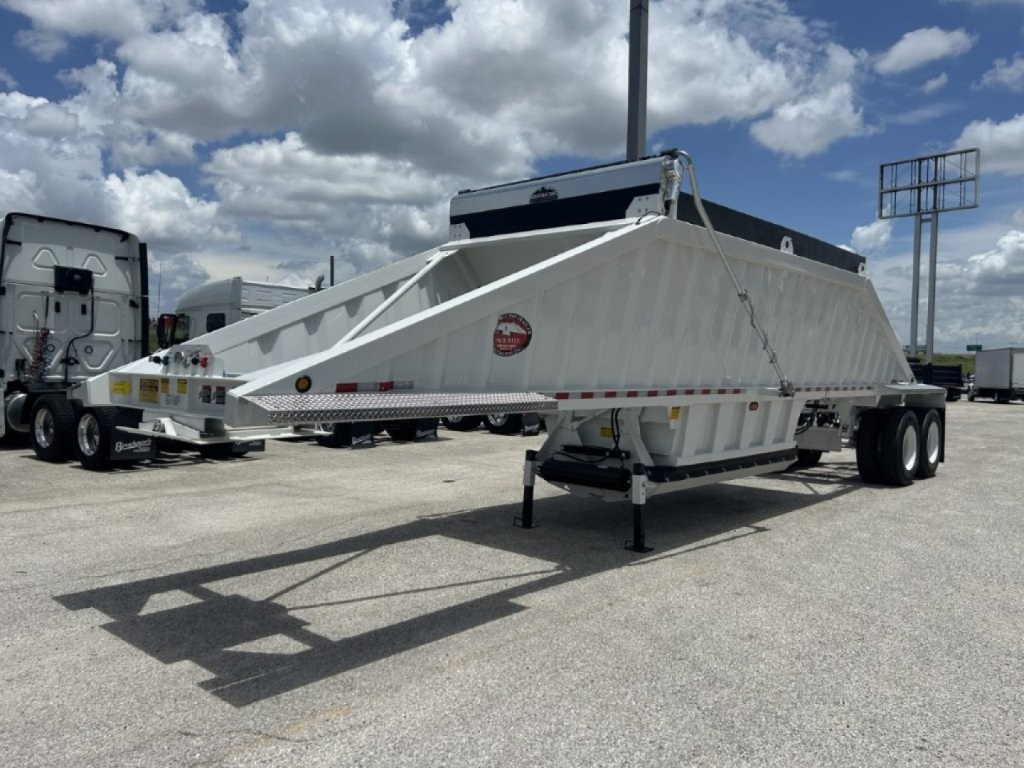
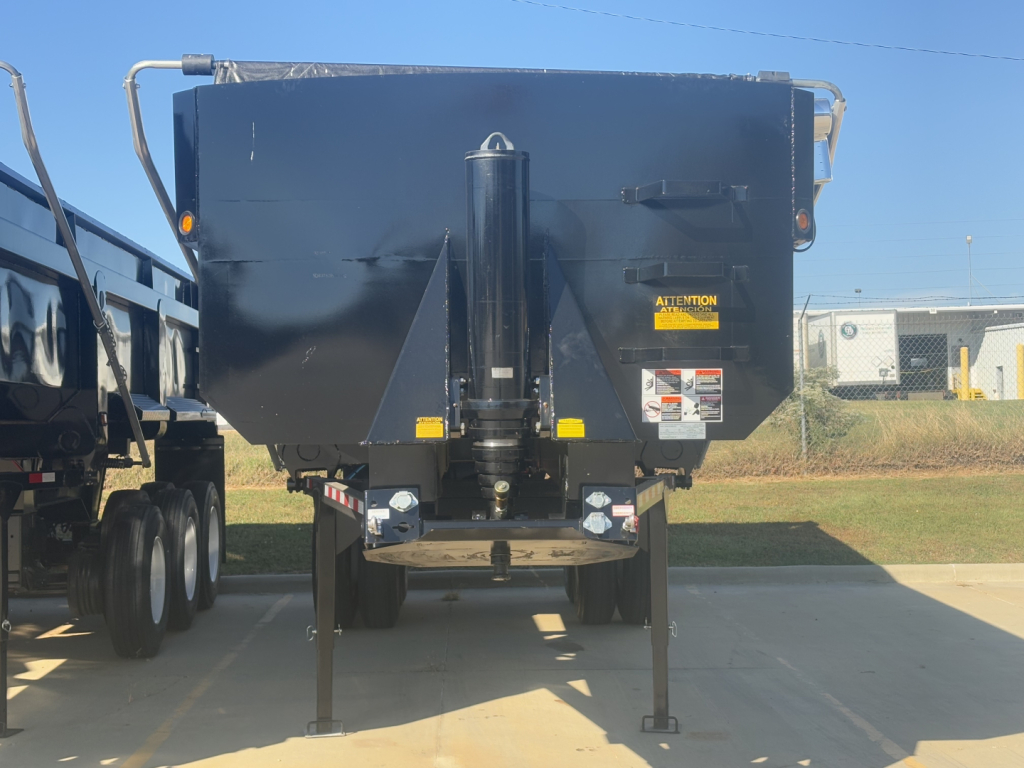
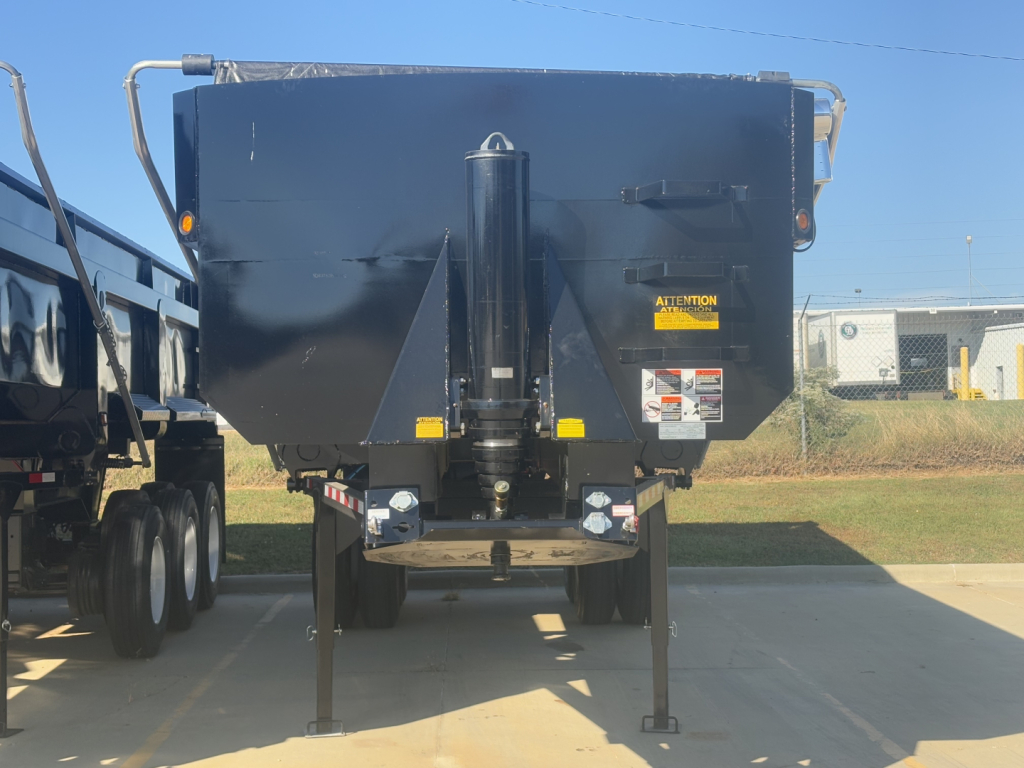
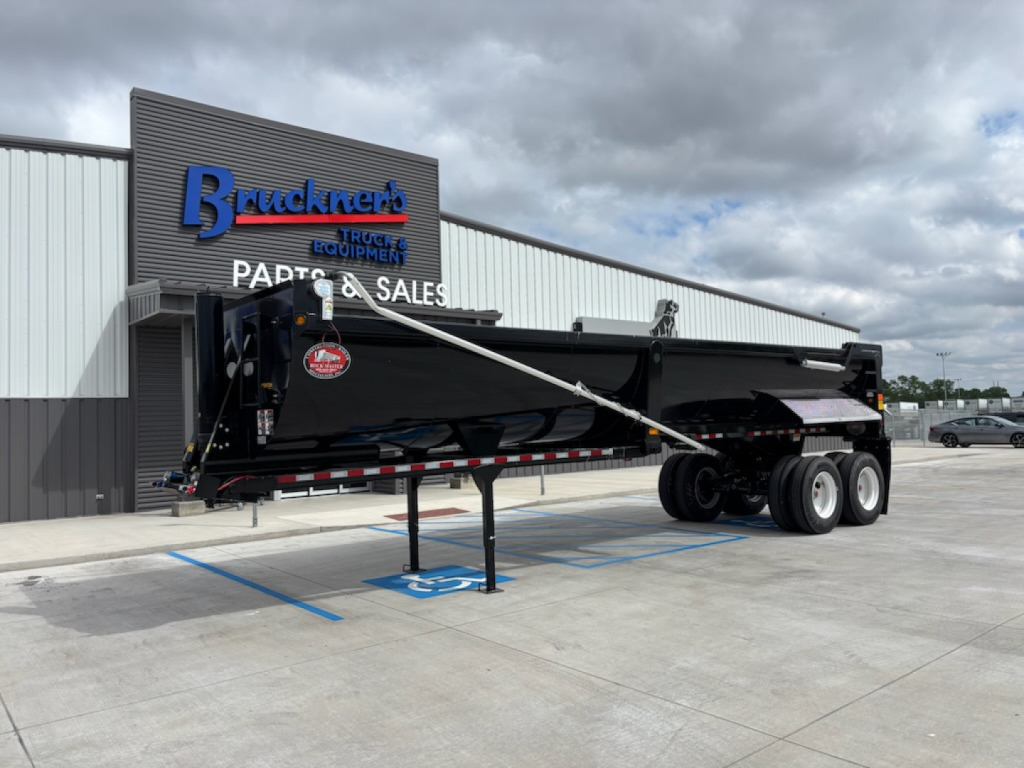
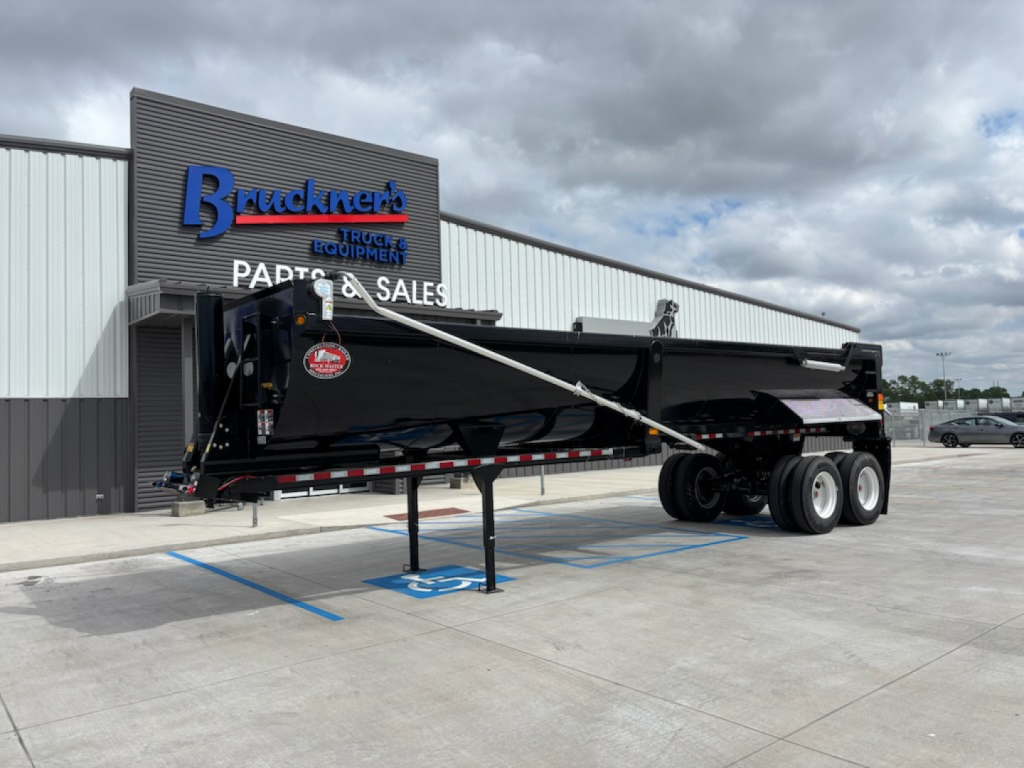
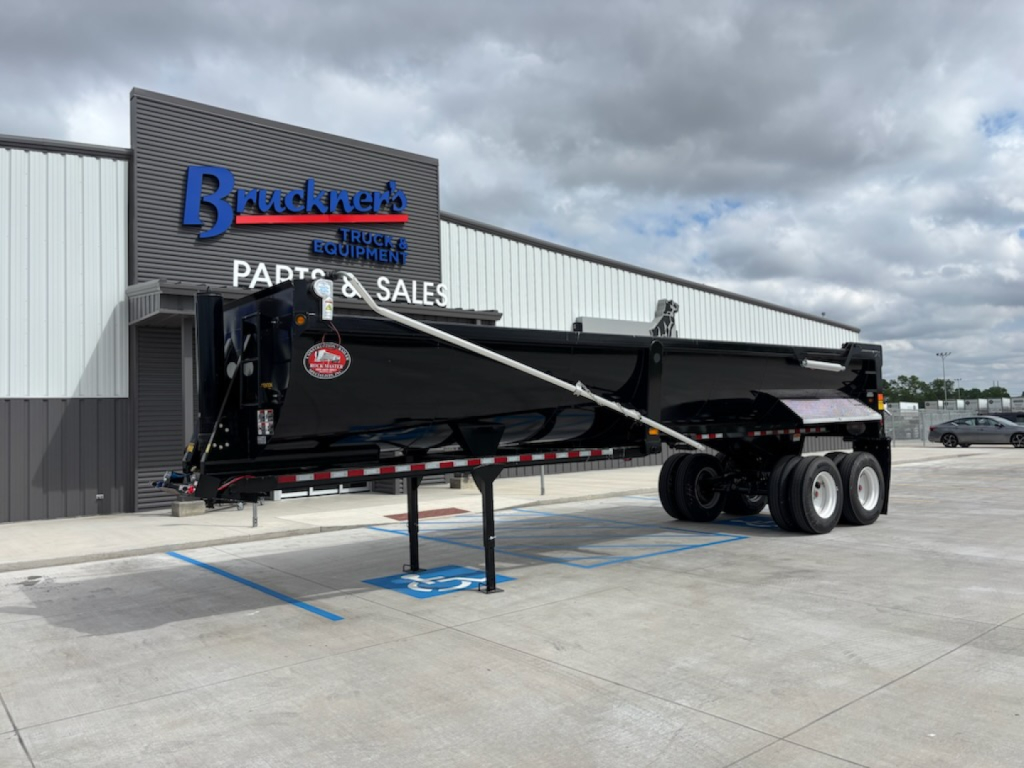
Selling a 2027 cts dump trailer? List your 2027 cts dump trailer for sale and reach thousands of commercial buyers.
2027 CTS Dump Trailers
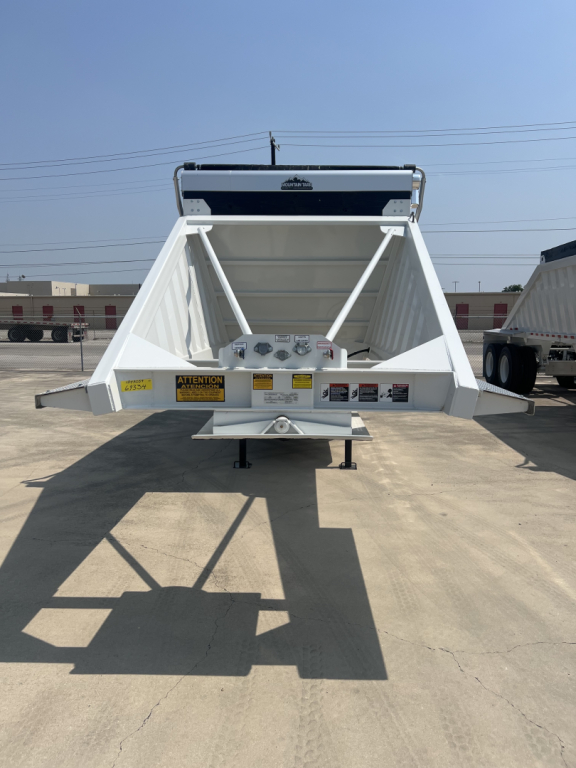
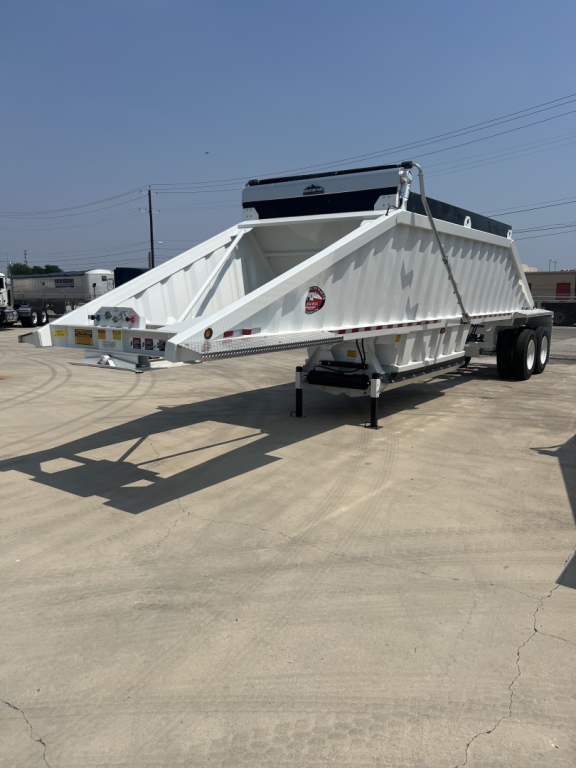
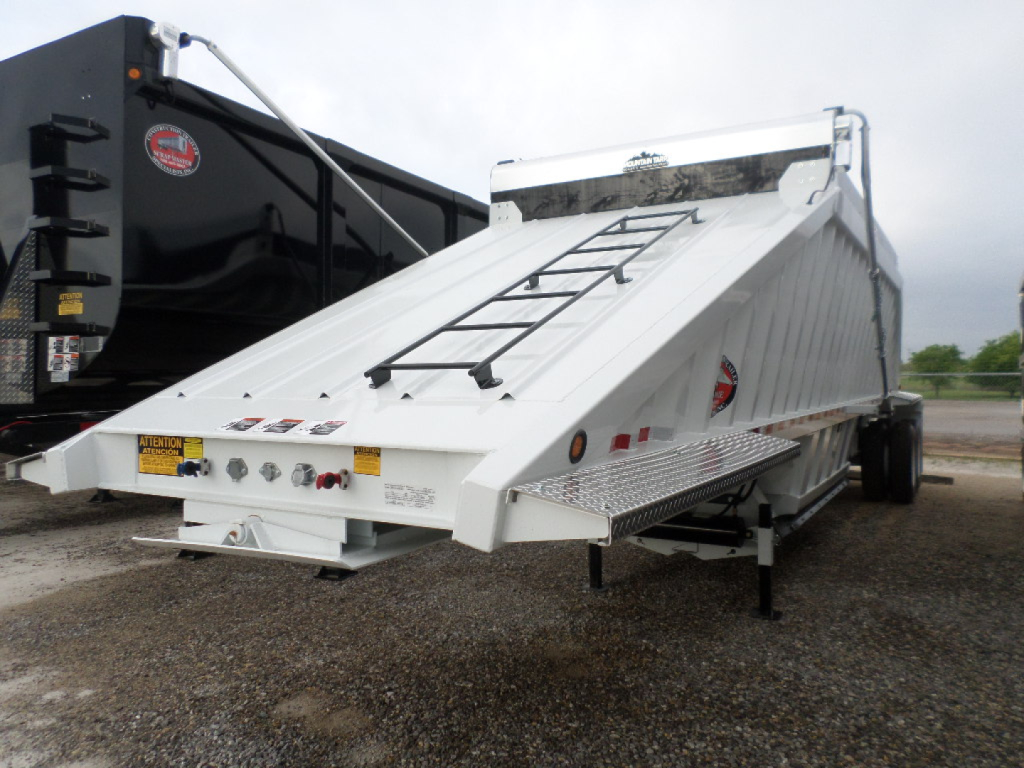
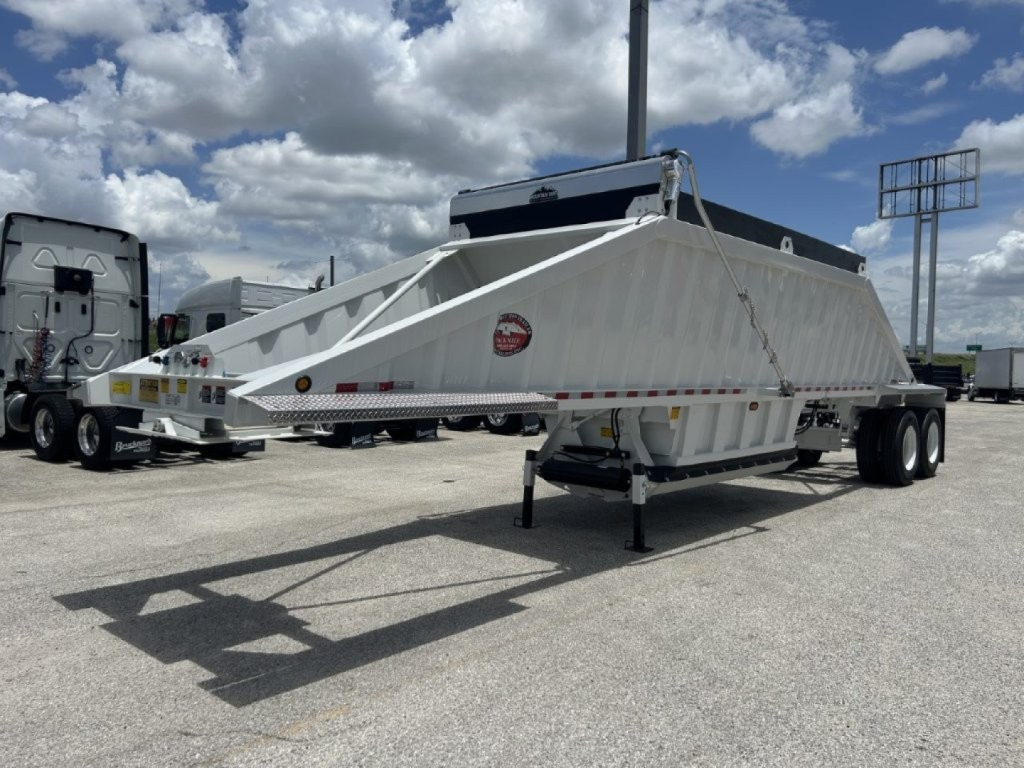
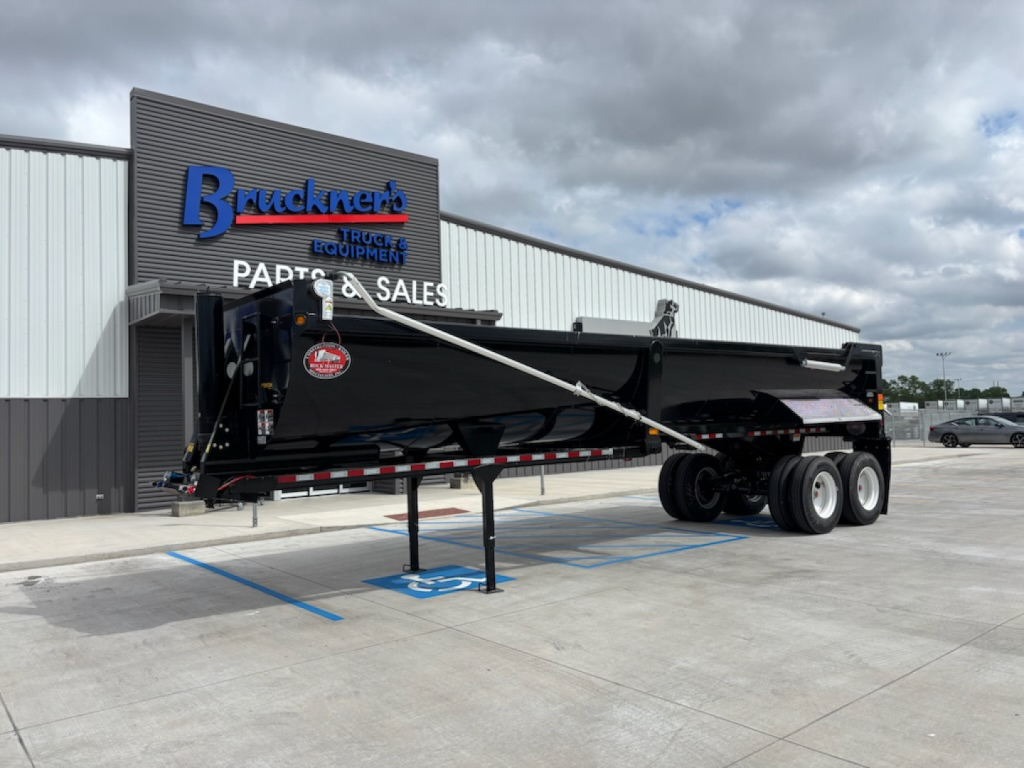
Body style and suspension choice should be near the top of the buying checklist. Frameless and half-round dump trailers are popular for rock, riprap, broken concrete, and sticky materials because the rounded tub helps material release and reduces hang-up. Square or board-style bodies can offer more usable volume for sand, millings, and general construction debris. Spring ride remains common for simplicity and lower initial cost, while air ride can improve loaded stability, reduce shock transfer to the trailer, and help protect the body on rough roads. On CTS dump trailers, buyers should also pay attention to side height, board packages, push block design, air tank capacity, quick-release valve setup, and kingpin placement if the trailer will be matched to multiple tractors.
Gate and tarp equipment have a direct effect on day-to-day productivity. Many CTS dump trailers are equipped with air-operated tailgate locks, manual or air gate controls, high-lift gates, and electric flip tarps. Those features matter if the trailer will haul mixed material and switch between spread dumping, tailgate metering, and full discharge. A windrow deflector can be useful for paving and shoulder work, and fender construction matters more than some buyers think when running in mud, quarry traffic, or winter road spray. Tire and wheel specs also deserve a close look. Common setups include 11R24.5 rubber, steel wheels, or aluminum outer wheels depending on the target balance of weight savings, durability, and replacement cost.
For a buyer comparing 2027 CTS dump trailers, the important question is not just capacity on paper but how the trailer is built for the material it will haul every day. Dense rock and demolition loads call for a different trailer than agricultural lime, hot mix, or sand. Review body construction, liner or sheet configuration, hoist and hinge area reinforcement, suspension type, gate controls, and tarp system as a complete package. A well-matched CTS dump trailer can improve payload consistency, unload cleaner, and hold up better over years of quarry runs, paving work, and jobsite cycling.
Frequently Asked Questions about 2027 CTS Dump Trailers
What is the difference between a frameless CTS dump trailer and a conventional end dump?
A frameless CTS dump trailer uses the body itself as a structural member, which reduces empty weight and can improve payload potential. This style is common in half-round and lightweight end dump applications. A conventional frame-type dump trailer can offer a different balance of rigidity and body support, depending on the spec. For many aggregate and construction buyers, the decision comes down to payload goals, haul road conditions, and the type of material being dumped.
Is air ride or spring ride better on a CTS dump trailer?
Spring ride is valued for simplicity, durability, and lower upfront cost, which is why it remains common in dump service. Air ride can improve load stability, reduce harshness transmitted into the body, and offer a smoother pull on rough surfaces. Buyers hauling longer distances, higher-value material, or operating on mixed road conditions often prefer air ride, while severe-service local work still commonly favors spring suspension.
How do slope sheets affect capacity and material flow in a dump trailer?
Slope sheets reduce the amount of material that can hang up in the body by helping the load move toward the gate during unloading. They can be helpful with wet or sticky products, but they also reduce total cubic volume compared with a body that has no slope sheets. If the priority is maximum heaped volume for free-flowing material, some buyers choose a no-slope-sheet configuration. If clean discharge matters more, slope sheets may be worth the tradeoff.
What size CTS dump trailer is best for rock, sand, or asphalt?
There is no single best size because material density and route conditions control the spec. Shorter trailers in the mid-20-foot to low-30-foot range are often preferred for heavier material such as rock or demolition debris because they are easier to keep legal on weight and easier to maneuver on jobsites. Longer 34-foot to 40-foot trailers are more common where the commodity is lighter or where volume is the main priority. Asphalt work may also require options like a reliable electric tarp, windrow deflector, and gate setup suited to controlled discharge.
What features should I inspect first on a used CTS dump trailer?
Start with the tub, crossmember area, hinge assembly, hoist mounting points, and gate hardware because those are the highest-stress parts of the trailer. Then inspect suspension components, brake condition, tire wear, wheel condition, tarp operation, and air system response including quick-release valves and tailgate lock function. Uneven wear, cracked welds, and bent structure can tell you a great deal about how the trailer was loaded and maintained.