
2027 CTS Dump Trailers For Sale in Oklahoma
Browse 2027 CTS dump trailers for hauling aggregate, asphalt, and debris, including half-round and end dump configurations with key spec insights.
Selling a 2027 cts dump trailer? List your 2027 cts dump trailer for sale and reach thousands of commercial buyers.
2027 CTS Dump Trailers in Oklahoma
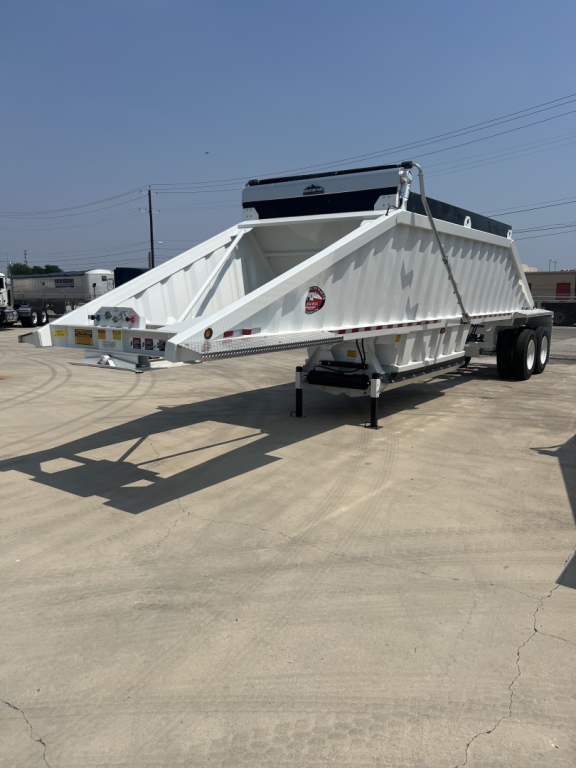
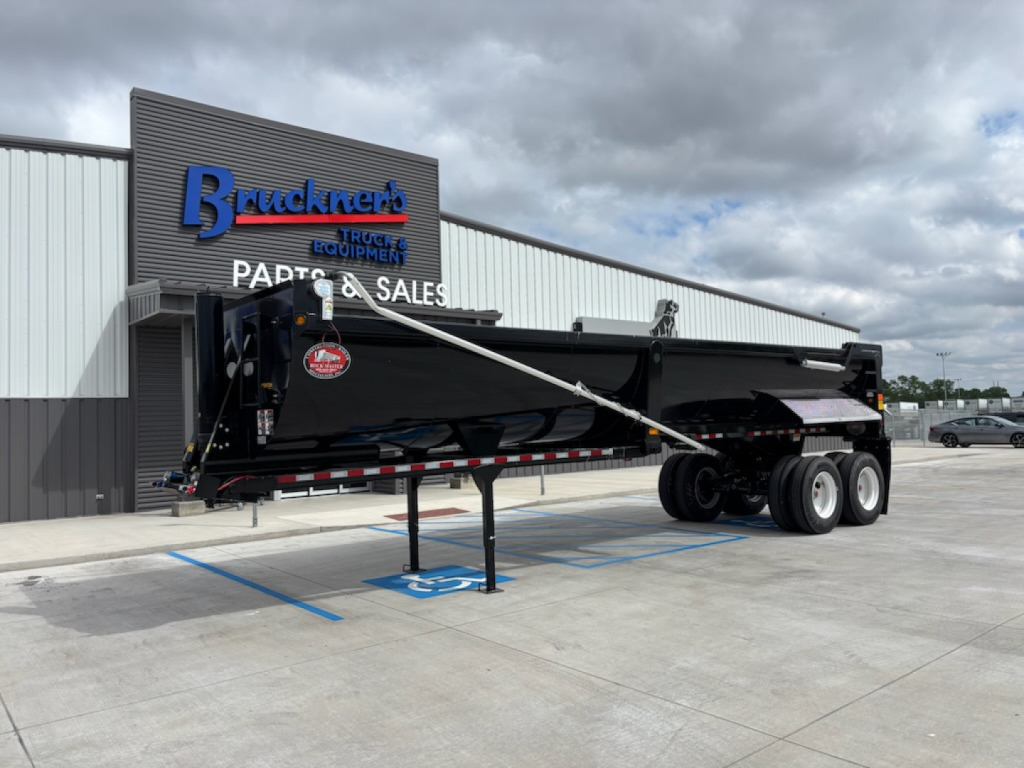
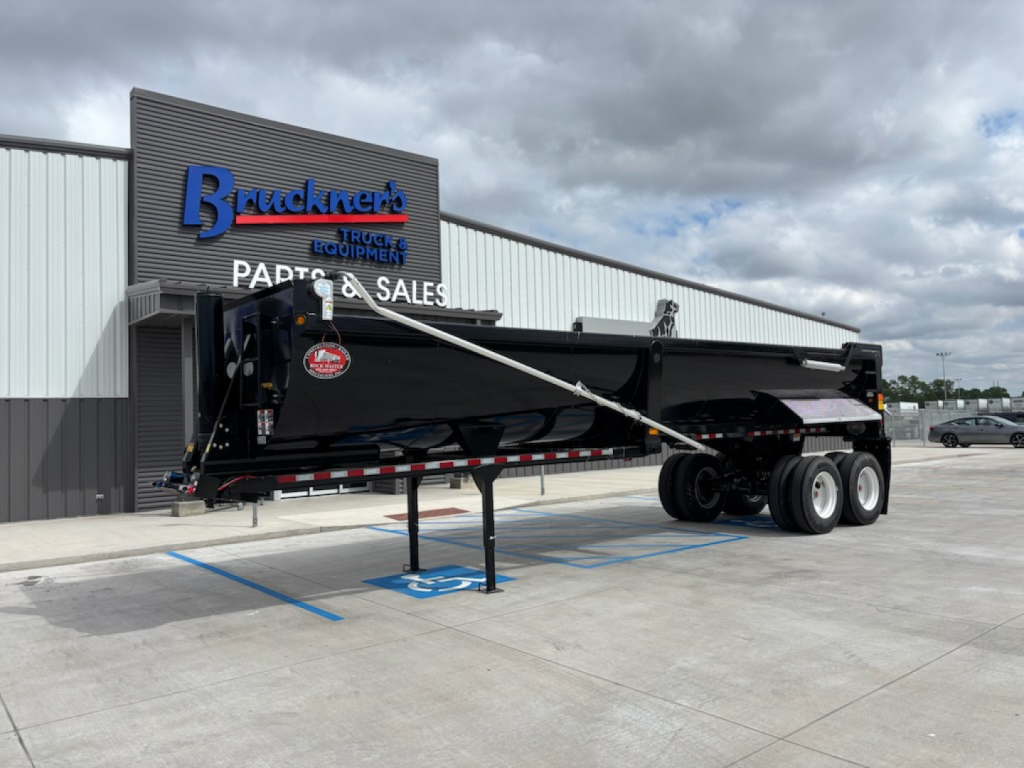
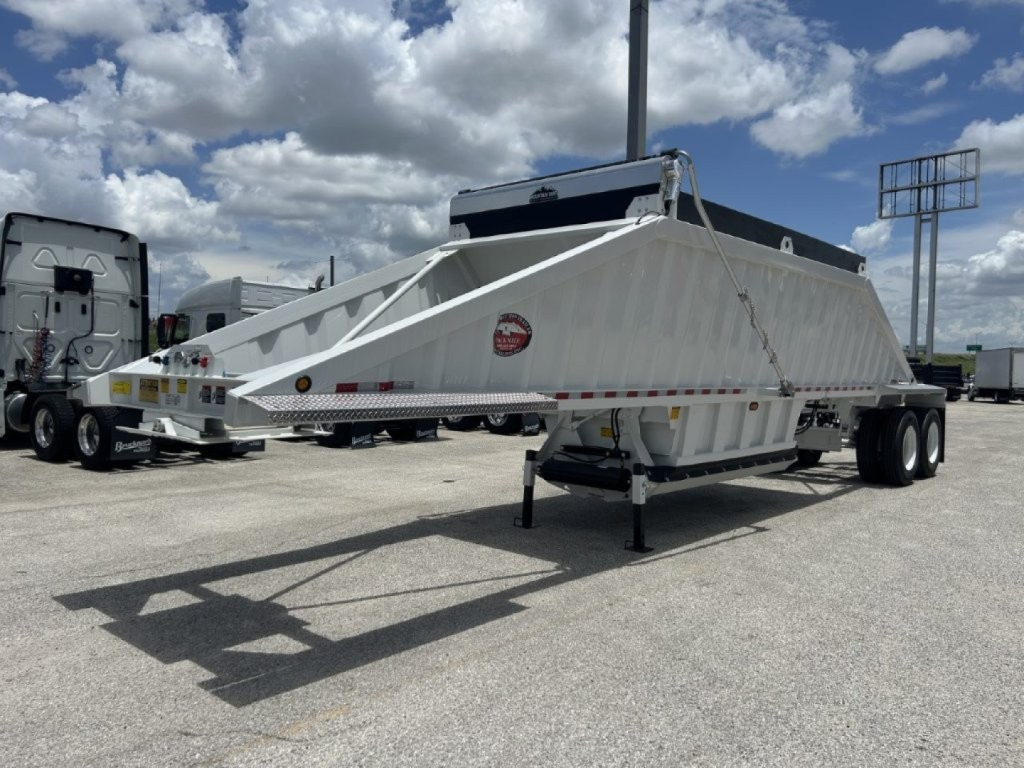
One of the first decisions is body style. A frameless half-round dump trailer is favored for clean discharge and reduced material hang-up, especially with wet clay, rock, and sticky loads. A quarter-inch Hardox-style tub is a common spec for abrasion resistance and long-term wear in severe service. Traditional end dump bodies with board extensions can make sense when cubic capacity matters and the load is less likely to bridge. Features like front and rear slope sheets, high-lift gates, windrow deflectors, extended push blocks, and electric flip tarps are not minor add-ons in this category. They affect unloading control, load containment, paver feeding, and day-to-day ease of use.
Suspension matters as much as body construction. Spring ride remains popular for simplicity, lower upfront cost, and toughness on rough jobsites. Air ride is often selected when the trailer spends more time on highway runs, when cargo protection is a concern, or when the operator wants a smoother ride and more refined handling characteristics. Buyers should also look closely at gate style, hoist geometry, air tank capacity, quick-release valve setup, wiring, ladder placement, fenders, and wheel spec. A dump trailer working in Oklahoma often sees a mix of highway miles, quarry roads, and uneven rural access points, so practical details like tarp reliability, tub material, and suspension serviceability can matter more than cosmetic options.
For a buyer comparing 2027 CTS dump trailers, the real question is how the trailer matches the material and route. A half-round frameless trailer is usually the better fit for abrasive rock and fast shedding. A 40-foot tandem end dump with 10-inch boards may be the stronger choice when volume and versatility are the priority. Check payload goals against legal axle limits, verify body material for the commodity being hauled, and pay attention to the small spec items that reduce downtime. On dump trailers, the best value usually comes from matching the trailer to the work cycle rather than chasing maximum capacity on paper.
Frequently Asked Questions about 2027 CTS Dump Trailers in Oklahoma
What is the difference between a CTS half-round dump trailer and a CTS end dump trailer?
A CTS half-round dump trailer uses a rounded tub design that helps material slide out more cleanly, which is especially useful for rock, wet clay, and other loads that tend to stick. A CTS end dump trailer with a more conventional body and board setup can offer strong cubic capacity and flexibility for general bulk hauling. Half-rounds are often preferred for abrasive and heavy commodities, while end dumps are commonly chosen when volume, load variety, and body configuration options are more important.
Should I choose air ride or spring ride on a dump trailer?
Spring ride is a common choice for buyers who want a durable, straightforward suspension for rough jobsite use and lower initial cost. Air ride is often preferred for more highway-oriented operations, improved ride quality, and better handling with certain loads. The right choice depends on how much off-road use the trailer sees, how sensitive the cargo is to road shock, and how the trailer fits into the rest of the fleet's maintenance practices.
What materials are CTS dump trailers commonly used to haul?
CTS dump trailers in this class are commonly used for aggregate, crushed stone, sand, gravel, dirt, asphalt millings, demolition debris, and similar bulk materials. Body style and tub material should match the commodity. Abrasion-resistant tubs are a better fit for hard, high-wear materials, while higher-capacity body designs may be more attractive for lighter bulk products where legal weight is not reached before cubic capacity is filled.
Why do specs like slope sheets, high-lift gates, and electric tarps matter on a dump trailer?
These features directly affect productivity and safety. Slope sheets help material move toward discharge and can reduce carryback. A high-lift gate improves unloading clearance and can make the trailer more versatile across different materials and dump conditions. An electric flip tarp speeds load covering, supports legal compliance, and reduces driver effort during repeated daily cycles. On a working dump trailer, these details have a real impact on turnaround time and cleanup.
What should I look for when comparing 2027 CTS dump trailers for sale?
Start with the material you haul most often, then compare body style, body length, side height or board package, suspension type, tub material, gate configuration, tarp system, and axle setup. Also review practical service items such as ladder placement, air system spec, fenders, wiring, and push block design. A trailer that is slightly more tailored to the route and commodity often delivers better uptime and lower operating cost than one selected only by listed capacity.