
2027 Dump Trailers For Sale in Louisiana
Shop 2027 dump trailers in Louisiana. Compare end dump specs, body materials, suspension, tarp systems, cubic yard capacity, and gate options.
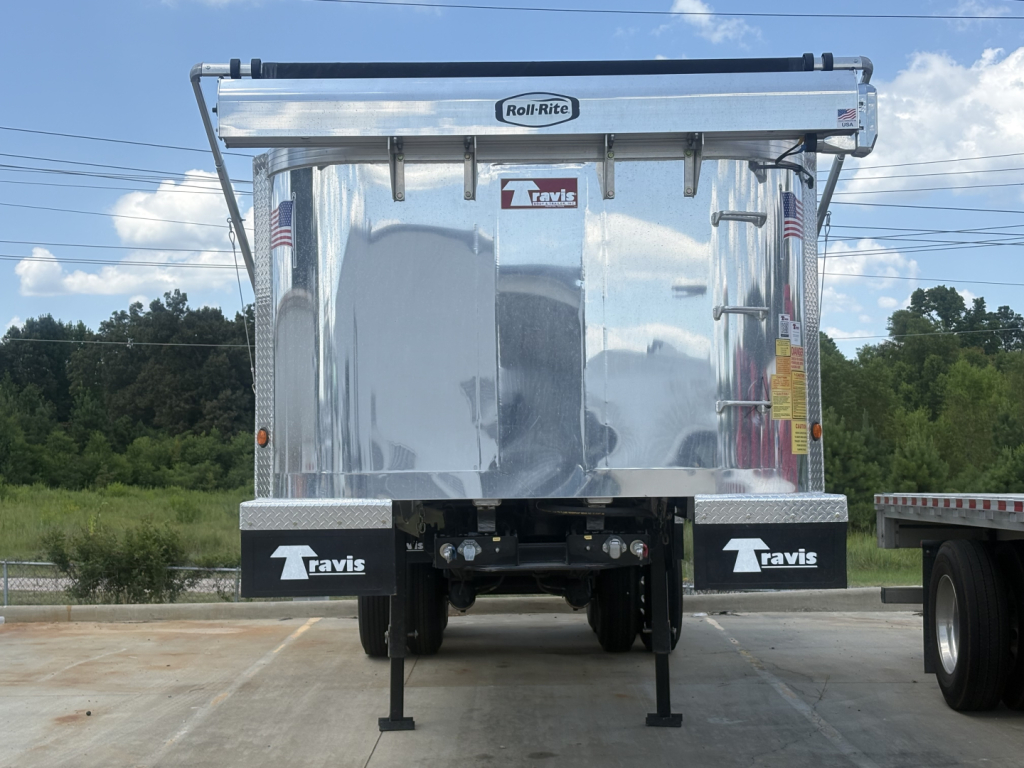
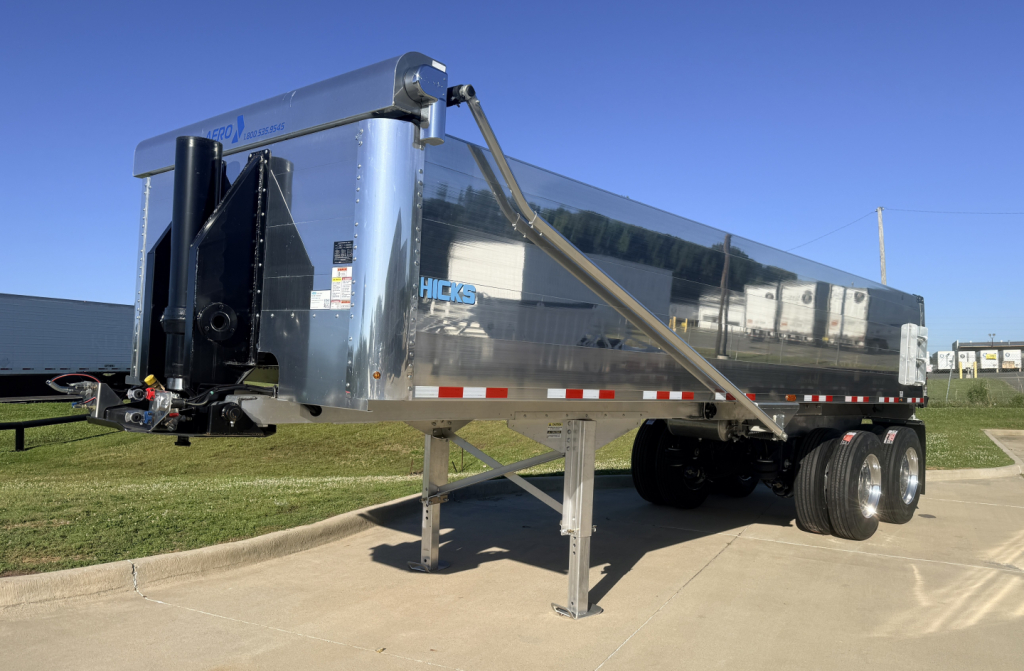
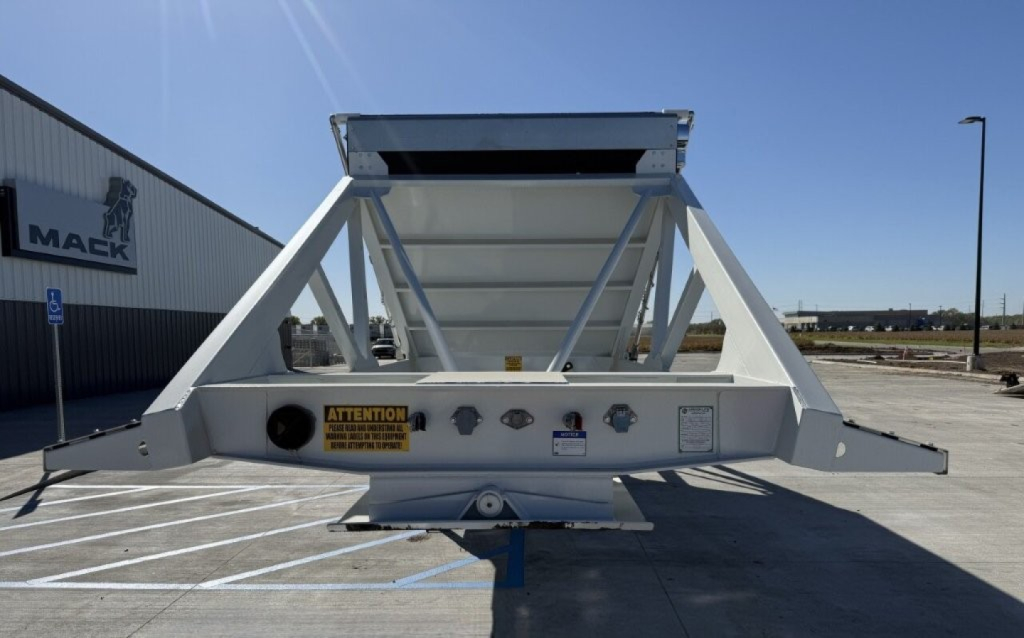
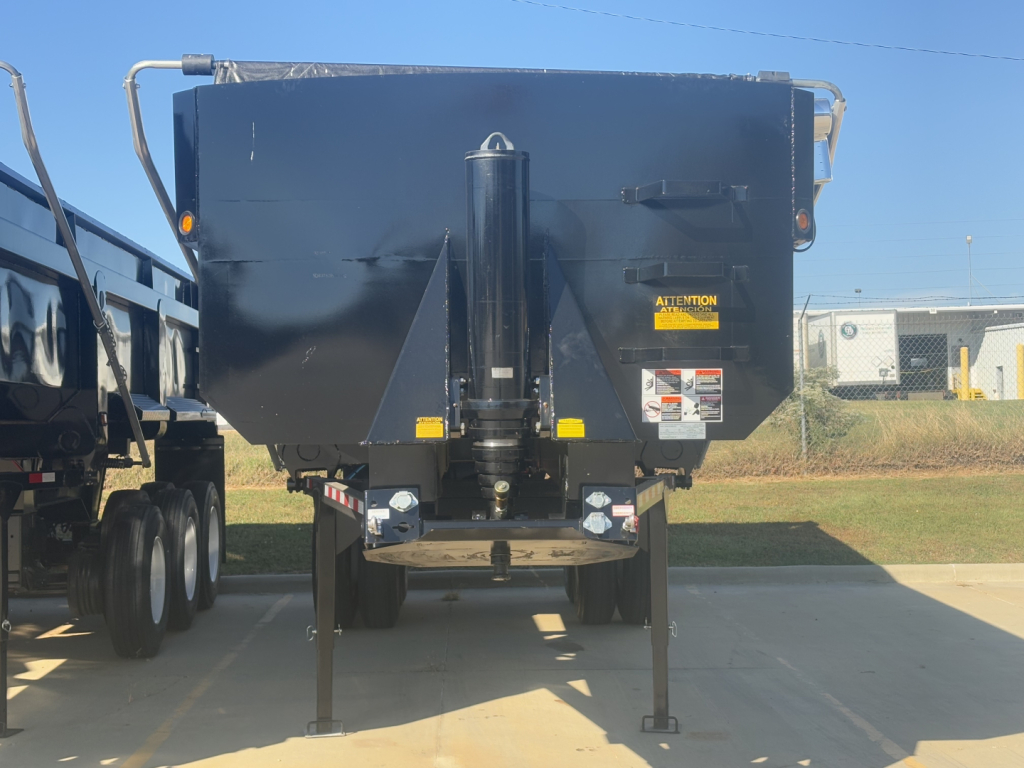
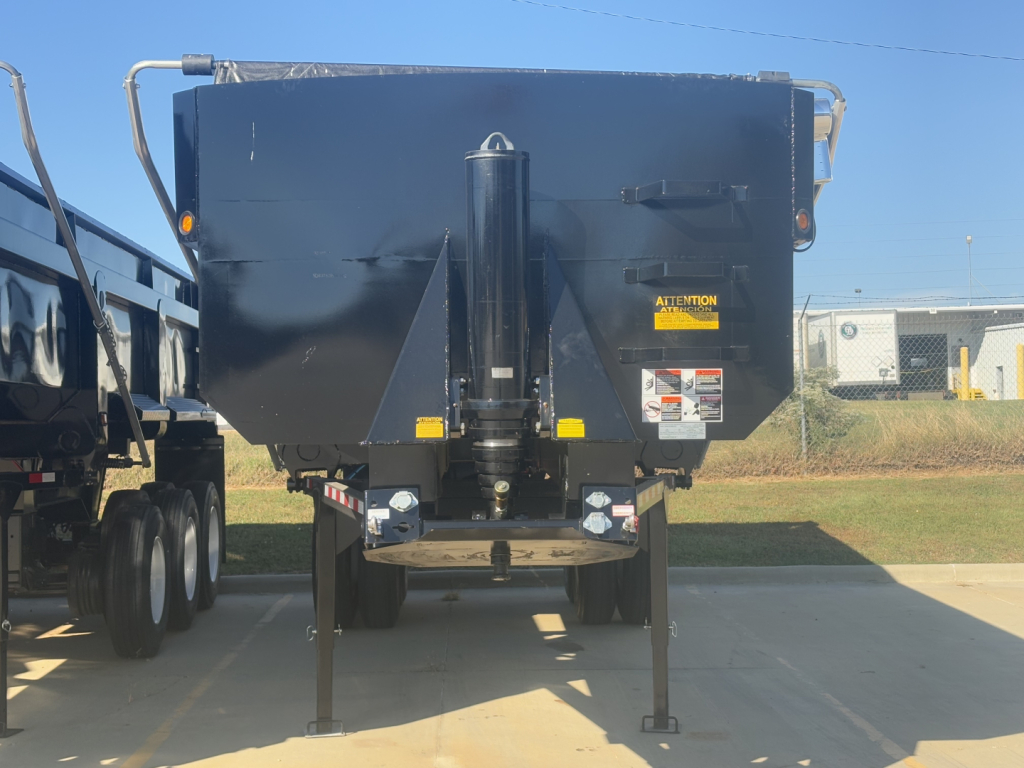
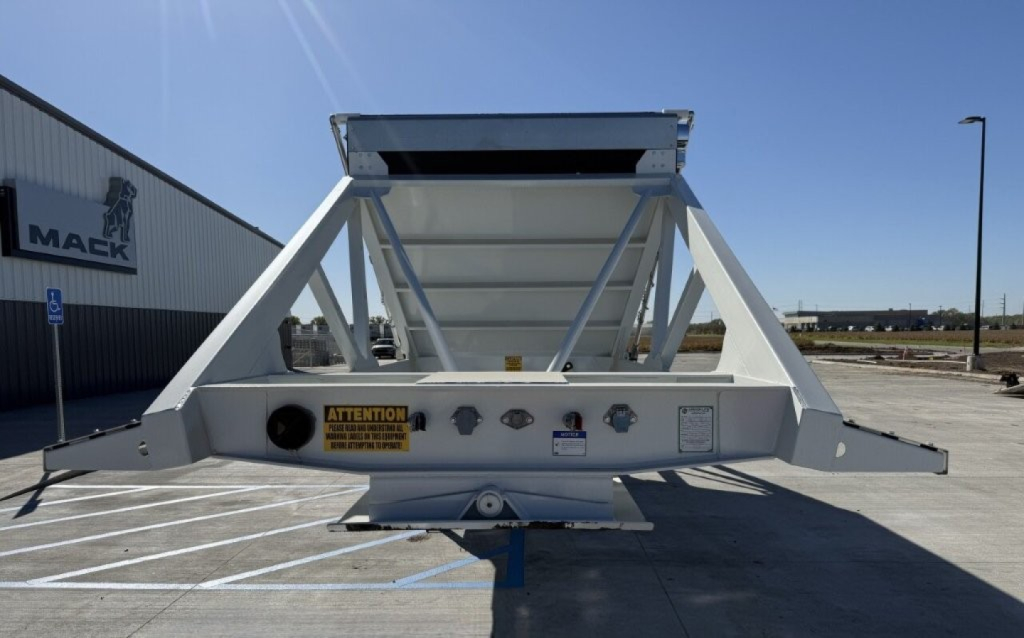
Selling a 2027 dump trailer? List your 2027 dump trailer for sale and reach thousands of commercial buyers.
2027 Dump Trailers in Louisiana
Body construction matters as much as length. Aluminum dump trailers reduce tare weight and help maximize tons hauled, which is why they remain popular for regional bulk work. Steel or Hardox-style tubs are common when the operation deals with abrasive rock, chunk material, demolition debris, or any load that can punish the floor and sidewalls. Listings in this class often show lengths around 28 to 40 feet, with capacities that can vary significantly depending on tub profile and side height. Features like 10-inch boards, self-shedding top rails, liners, high-lift gates, and skeleton or lightweight body configurations can change how well a trailer performs in specific applications. For buyers hauling sticky material or mixed aggregate, gate design and clean-out behavior are practical issues that directly affect cycle time.
Suspension and running gear deserve close review because they affect ride quality, tire life, and driver confidence when dumping. Spring ride remains a straightforward choice for many fleets, while air ride and single-point suspensions can improve load equalization and operating comfort. Common wheel-end and tire setups in this segment include 11R24.5 rubber, steel or aluminum wheels, and in some cases chip and chunk resistant tires for quarry or severe-service work. A front axle lift can be valuable for reducing tire scrub when empty or lightly loaded. Tarp systems are no longer optional for many operators, and electric flip tarps are common because they save time and help meet road safety and load securement expectations. Fenders, six-way gate controls, and manual roadside controls are also worth checking if the trailer will see frequent unloading cycles.
For Louisiana buyers, corrosion resistance, drainage, and serviceability should stay high on the list. Humidity, rain, and coastal exposure can shorten component life if the trailer is not spec'd with the right materials and protective details. Look at hoist compatibility, gate operation, rear hinge design, liner availability, and parts support as carefully as you look at price. The best 2027 dump trailer for one operation may be a lightweight aluminum end dump built for maximizing payload, while another fleet may need a heavier tub with abrasion-resistant material and a more severe-duty suspension package. The right choice comes down to haul type, road conditions, dump frequency, and how much structural reserve you want after years of hard use.
Frequently Asked Questions about 2027 Dump Trailers in Louisiana
What is the difference between a frameless and frame-type dump trailer?
A frameless dump trailer typically weighs less, which can increase legal payload and improve revenue on bulk commodity hauls. A frame-type or quarter-frame dump trailer adds structure beneath the body, which can be beneficial in rough terrain, uneven dumping conditions, and severe-duty service. Frameless trailers are common in aggregate and general bulk work, while frame-supported designs are often selected when durability and resistance to jobsite abuse are a higher priority than the last bit of payload.
Is aluminum or steel better for a dump trailer?
Aluminum is usually chosen to reduce tare weight and maximize tons hauled, especially in regional haul operations where payload is the key economic driver. Steel or abrasion-resistant tubs are better suited for sharp rock, demolition debris, and dense abrasive material that can wear through lighter construction over time. The best choice depends on what is being hauled, how often the trailer is loaded to capacity, and how much off-road or quarry work it will see.
What length and capacity are common for end dump trailers?
Many end dump trailers fall in the 28-foot to 40-foot range, with capacity depending on side height, tub shape, material density, and body design. A lightweight 40-foot trailer may be set up for high-volume but lighter bulk material, while a shorter heavy-duty trailer may be intended for denser or more abusive loads. Buyers should focus on both cubic yard rating and legal payload potential, since those are not always the same thing in real-world operation.
What trailer features matter most for aggregate and quarry work?
For aggregate, rock, and quarry service, buyers should look closely at tub material, floor thickness, suspension design, tire specification, and gate configuration. Chip and chunk resistant tires, abrasion-resistant tubs, liners, high-lift gates, and severe-duty suspension setups can improve uptime and reduce repair costs. Clean discharge is also important, so details like self-shedding top rails and proper body geometry can make a difference when handling sticky or irregular material.
Why are electric tarps and gate controls important on a dump trailer?
Electric tarp systems improve safety and speed because the driver can cover the load quickly and consistently between stops. Gate controls matter because different materials unload better with different gate positions, and faster control at the trailer can improve cycle time on repetitive runs. In many operations, these are not convenience features but productivity and compliance features that affect daily performance.