
2013 Trailers For Sale in Colorado
Browse 2013 trailers for sale in Colorado, including van, flatbed, dump, and specialty trailers with specs that matter to working fleets.
Selling a 2013 trailer? List your 2013 trailer for sale and reach thousands of commercial buyers.
2013 Trailers in Colorado
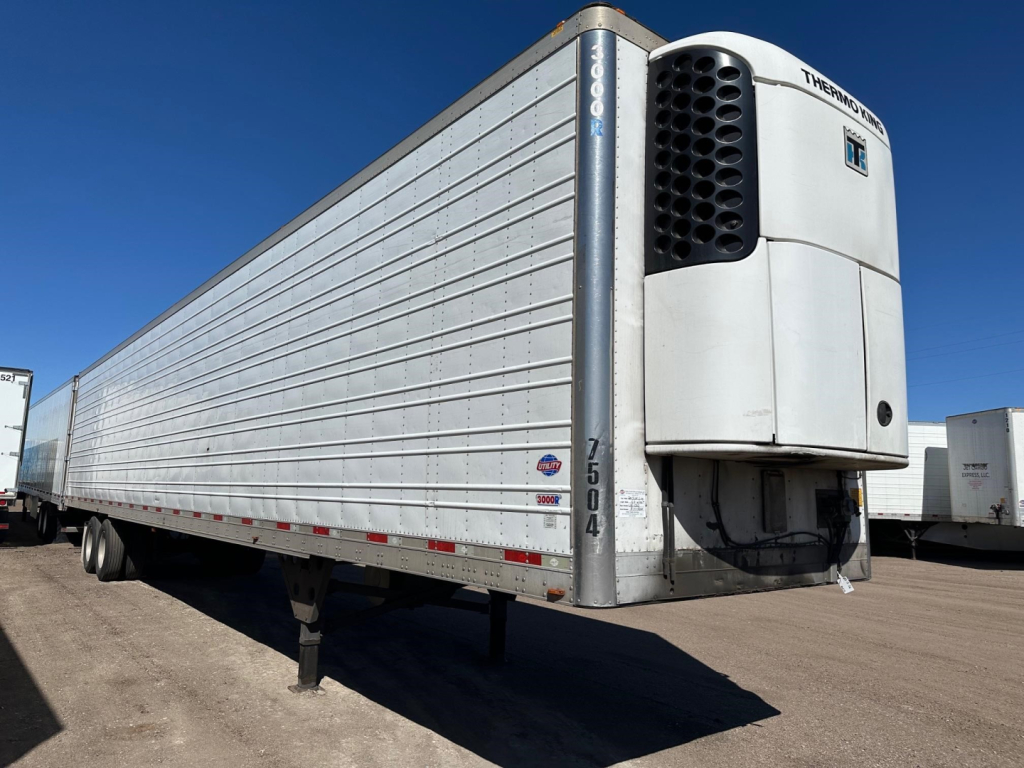
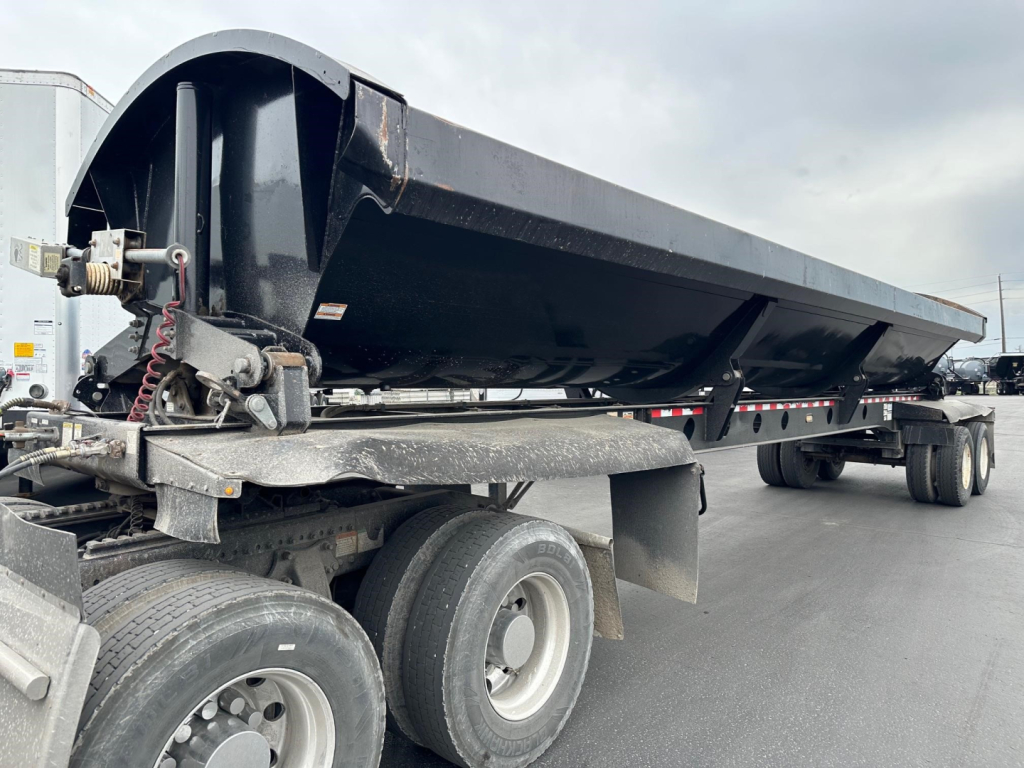
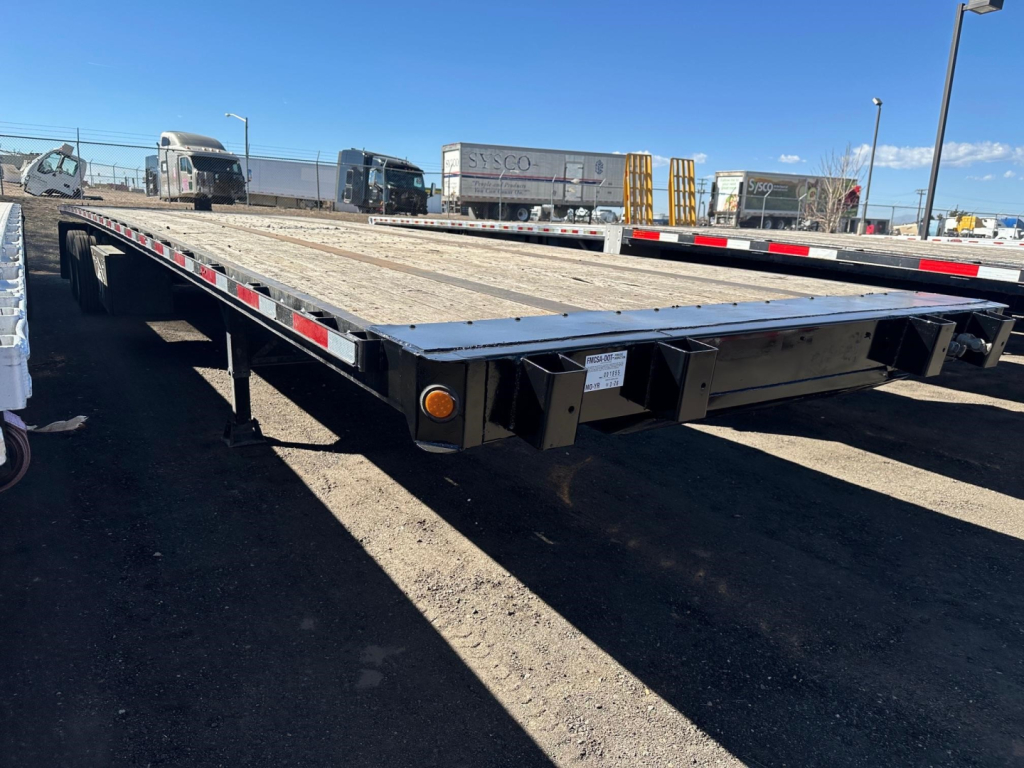
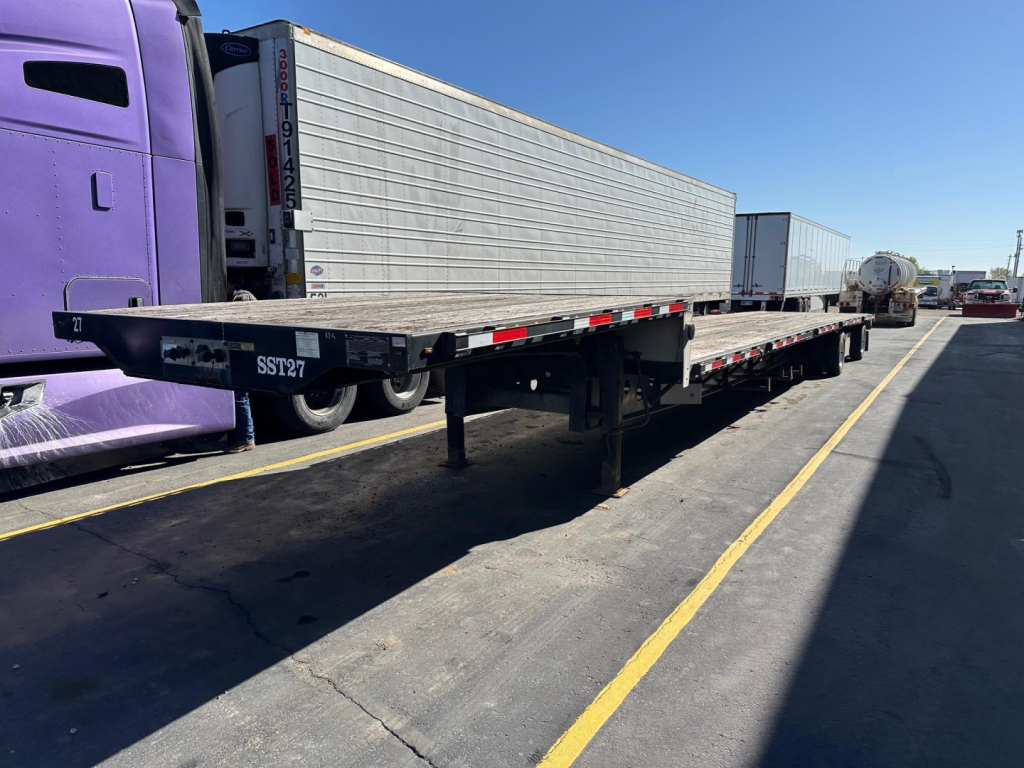
The right 2013 trailer depends heavily on application. Dry vans from this era are commonly found in 48-foot and 53-foot lengths with swing or roll-up doors, logistic posts, scuff liners, and either spring ride or air ride suspensions. Flatbeds, also known as open deck trailers, are often 48-foot by 102-inch units with steel or aluminum construction, wood decking, stake pockets, pipe spools, sliding winches, and tandem sliders. Dump and aggregate trailers from this model year are still common in construction and material hauling, with frameless end dumps and bottom dumps remaining popular in the West. On those trailers, buyers usually pay close attention to tub material, gate design, tarp system, liner wear, hoist condition, and signs of cracking near high-stress points.
Colorado buyers should also think about operating environment. Mountain hauling puts more demand on brakes, hubs, wheel seals, suspension components, and tires. Corrosion may be lighter than in some rust-belt states, but hard use in aggregate, oilfield, paving, or municipal service can still show up in bent rails, worn floors, loose coupler areas, and patched wiring. A 2013 trailer with documented brake work, good rubber, straight frame measurements, and consistent tire wear can be a better purchase than a newer unit with poor upkeep. If the trailer has sliding tandems, check slider operation and locking pins. If it has air ride, inspect bags, valves, and suspension alignment. If it is a van, inspect roof bows, side panels, floor rot, and door frame wear. If it is a flatbed, focus on deck condition, winch track integrity, and rail damage from side impacts or concentrated loads.
Spec discipline matters because a trailer that is slightly wrong for the lane usually costs more over time than a trailer that is older but correctly configured. Match length, axle spread, suspension, body style, and tare weight to the freight or material being hauled. Confirm coupler height, kingpin setting, tire profile, and brake configuration against the tractors in your fleet. For many buyers, a 2013 trailer hits the sweet spot where acquisition cost is lower, but parts support, serviceability, and resale still make sense. The best units in this age range are the ones with straightforward specs, visible maintenance, and no surprises in the structure.
Frequently Asked Questions about 2013 Trailers in Colorado
Is a 2013 trailer too old for commercial use?
Not necessarily. A 2013 trailer can remain productive in commercial service if the frame, suspension, brakes, tires, and body structure are in sound condition. Trailer life depends more on application, load type, climate, and maintenance quality than on model year alone. A well-kept 2013 van, flatbed, or dump trailer may offer better value than a newer trailer with deferred repairs or structural damage.
What should I inspect first on a used 2013 trailer?
Start with the structure and running gear. Inspect the frame rails, crossmembers, kingpin plate, landing gear mounts, tandem suspension, axle alignment, brake components, wheel ends, and tire wear pattern. After that, move to application-specific items such as floors and doors on vans, decking and winch systems on flatbeds, or tubs, gates, hoists, and tarps on dump trailers. Evidence of cracking, poor weld repairs, uneven tire wear, and corrosion around stress points usually deserves close attention.
What trailer types are common in the 2013 used market?
The 2013 market commonly includes dry van trailers, flatbed trailers, end dumps, bottom dumps, and other vocational trailer types. Dry vans are often chosen for general freight, flatbeds for steel, lumber, and equipment, and dump trailers for aggregate, paving, and construction material. The most common configurations are tandem axle trailers with either spring ride or air ride suspensions, though exact specs vary by body style and intended use.
Are 2013 trailers a good fit for Colorado operations?
They can be, provided the trailer is spec'd for terrain and weather. Colorado service often means mountain grades, temperature swings, and a mix of highway and off-road use. Buyers should prioritize brake condition, suspension integrity, tire quality, and overall structural straightness. For construction and material hauling, body wear and gate function matter just as much as chassis condition. For highway freight, floor condition, door seal integrity, and tandem slider operation are key.
How do I know if a 2013 trailer is correctly spec'd for my fleet?
Compare the trailer's dimensions and hardware to your actual operating requirements. Confirm overall length, width, axle configuration, suspension type, tire and wheel package, coupler height, kingpin setting, brake setup, and payload capacity. Then verify that the trailer matches your tractors, routes, dock requirements, and cargo securement needs. A trailer that fits the fleet correctly reduces tire scrub, loading delays, maintenance issues, and compliance problems.