
2021 Trailers For Sale in Colorado
Browse 2021 trailers for sale in Colorado, including van, dump, lowboy, and specialty trailer types for freight, construction, and hauling.
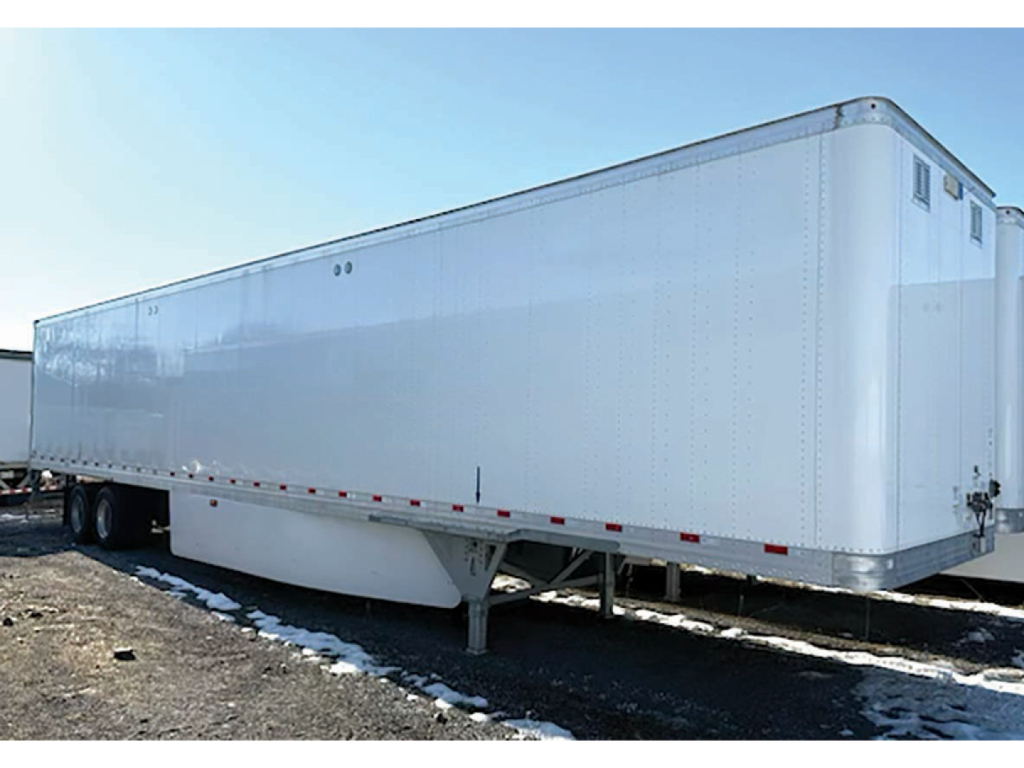
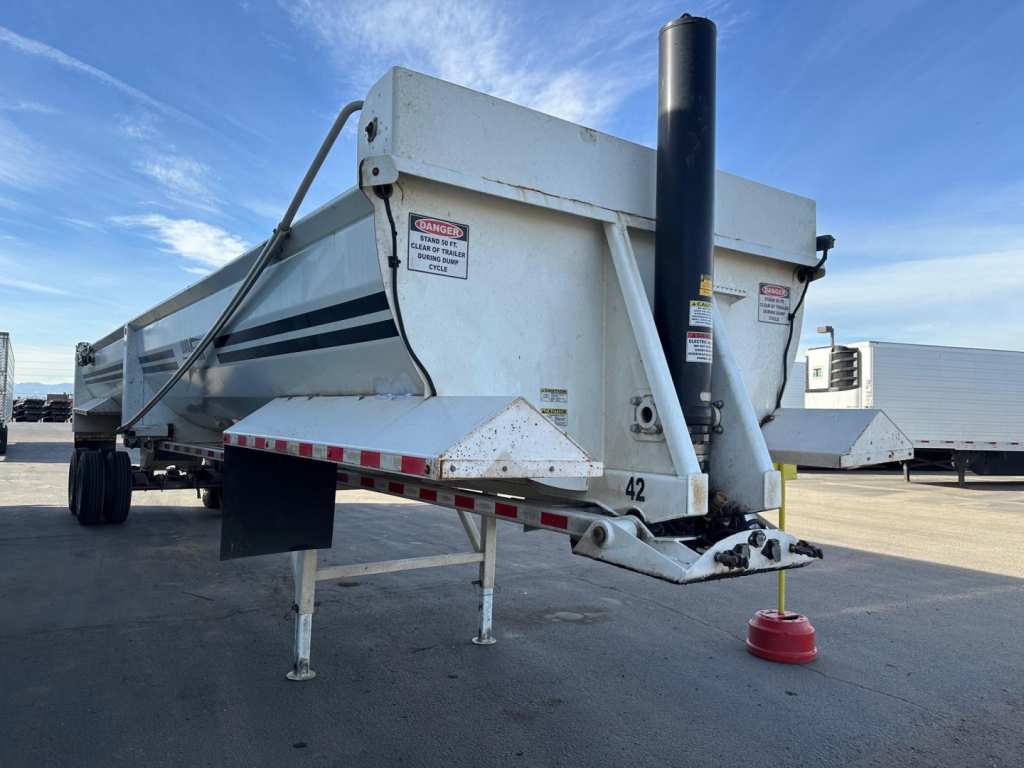
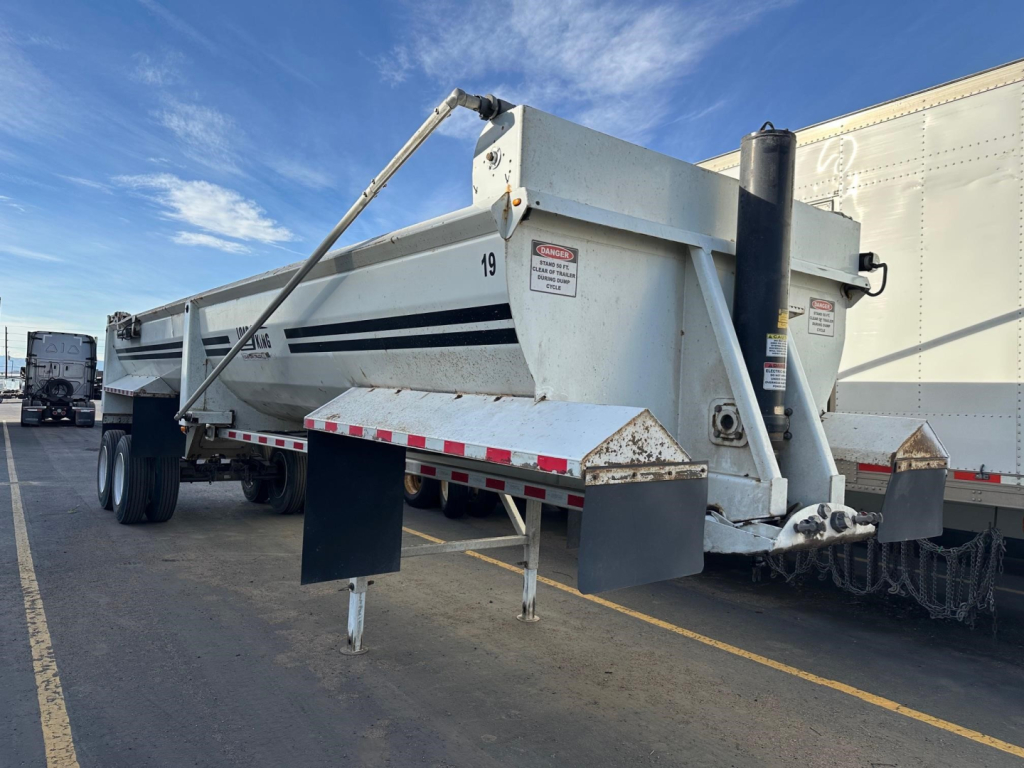
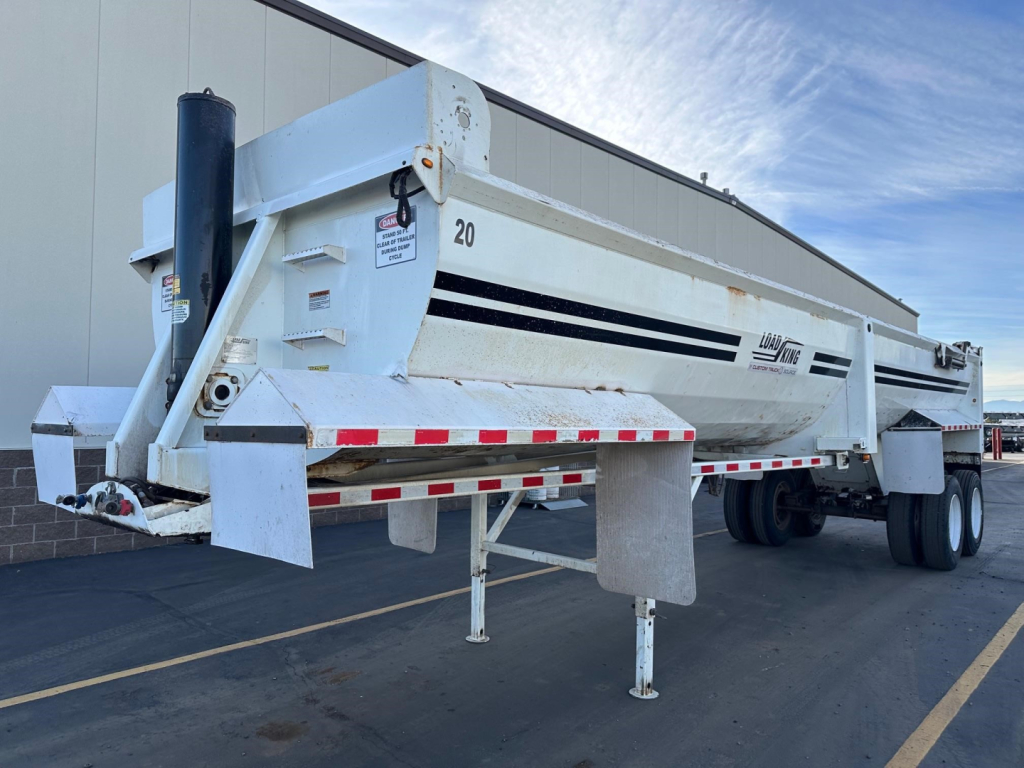
Selling a 2021 trailer? List your 2021 trailer for sale and reach thousands of commercial buyers.
2021 Trailers in Colorado
If your work leans toward aggregates, demolition, paving, or site development, a 2021 dump trailer deserves a closer look at body material and frame design first. Aluminum frameless end dumps are popular when payload is the priority, while steel tubs make more sense for abrasive rock and heavier-duty material. Common details include half-round bodies, top-hinge or high-lift gates, air ride or single-point suspension, electric tarps, liners, ladders, and 11R24.5 rubber. Capacity is usually measured in cubic yards, but real buying decisions come down to payload target, material type, stability, and how the trailer will handle uneven terrain or transfer stations. In hilly western markets, gate seal condition, hoist performance, and tub wear matter as much as published capacity.
For heavy-haul buyers, 2021 lowboy and lowbed trailers should be evaluated around axle group, neck style, deck length, concentrated load rating, and ride-height control. Mechanical features like spreader bars, detachable neck configurations, and air ride or hydraulic suspension setups can change how useful the trailer is for moving iron. A trailer built for paving equipment, compact dozers, or excavators may not be the right fit for taller or heavier machines, so deck height, loaded angle, and legal axle spacing should be reviewed before purchase. In Colorado, bridge law compliance and mountain-route practicality can be just as important as the name on the nose.
Across all 2021 trailer categories, buyers should inspect tires, brakes, wheel ends, lights, crossmembers, kingpin area, landing gear, and any signs of frame or body repairs. Corrosion, floor soft spots, cracked welds, and suspension wear tell you more than paint. If the trailer has aluminum wheels, disc wheels, scuff liners, tire inflation systems, lift axles, or other added equipment, those features should be weighed against service history and operating cost. A well-maintained 2021 trailer can still offer strong uptime, but matching the trailer's original spec to your freight, route profile, and loading method is what makes it a good buy.
Frequently Asked Questions about 2021 Trailers in Colorado
What should I look for first when buying a 2021 trailer?
Start with the trailer's application, structural condition, and running gear. The most important checks are frame integrity, kingpin area, suspension wear, brake condition, tire age and tread, wheel end leaks, and signs of prior damage or poor repairs. After that, confirm the trailer's dimensions, axle configuration, and body or deck design actually match the loads you plan to haul. A clean-looking 2021 trailer is not necessarily a better buy than a harder-working unit with documented maintenance and the right spec.
Is a 2021 trailer considered late-model in today's used market?
A 2021 trailer is generally still viewed as a newer used unit in many trailer categories, especially if it has been maintained properly and has not been heavily damaged or overloaded. For many buyers, that model year offers a good balance of updated component specs, current compliance features, and lower acquisition cost than a new trailer. Actual value depends more on trailer type, mileage or usage, maintenance records, and regional demand than on model year alone.
Are 2021 dump trailers better in aluminum or steel?
Neither material is universally better because the right choice depends on the material being hauled and the payload target. Aluminum dump trailers are typically favored when lighter tare weight and higher legal payload are important. Steel dump trailers are usually preferred for rock, demolition, and other abrasive applications that put more punishment on the tub. Buyers should compare tub thickness, liner setup, gate design, suspension, and signs of cracking or distortion rather than judging by material alone.
What matters most on a 2021 van trailer in Colorado?
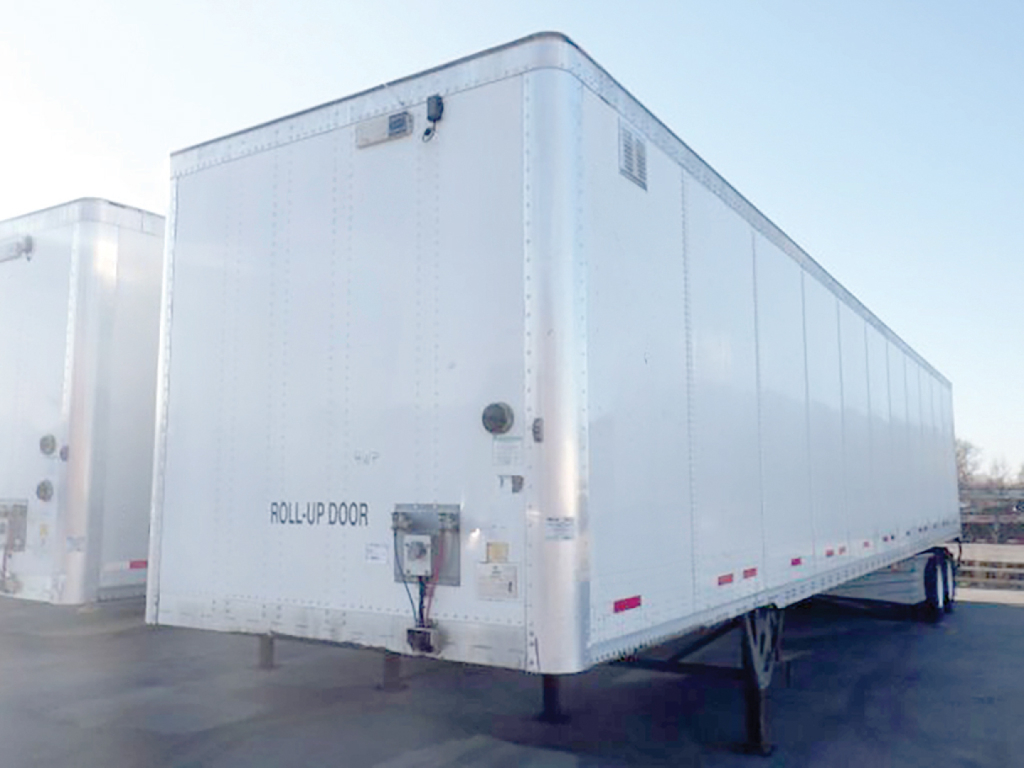
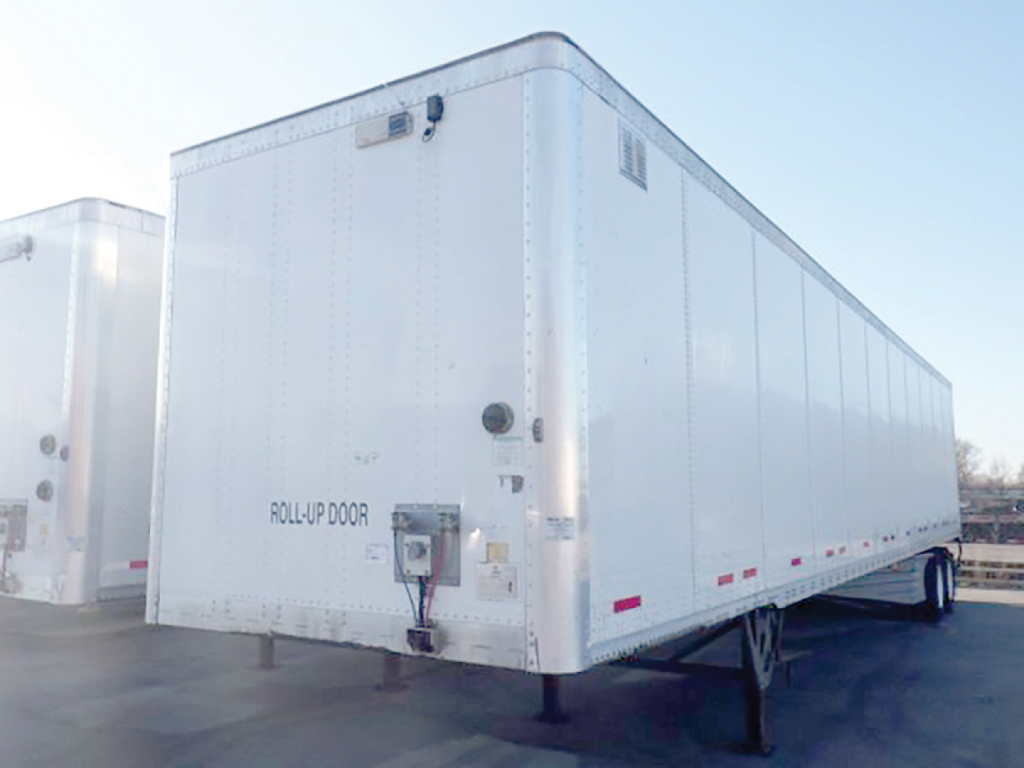
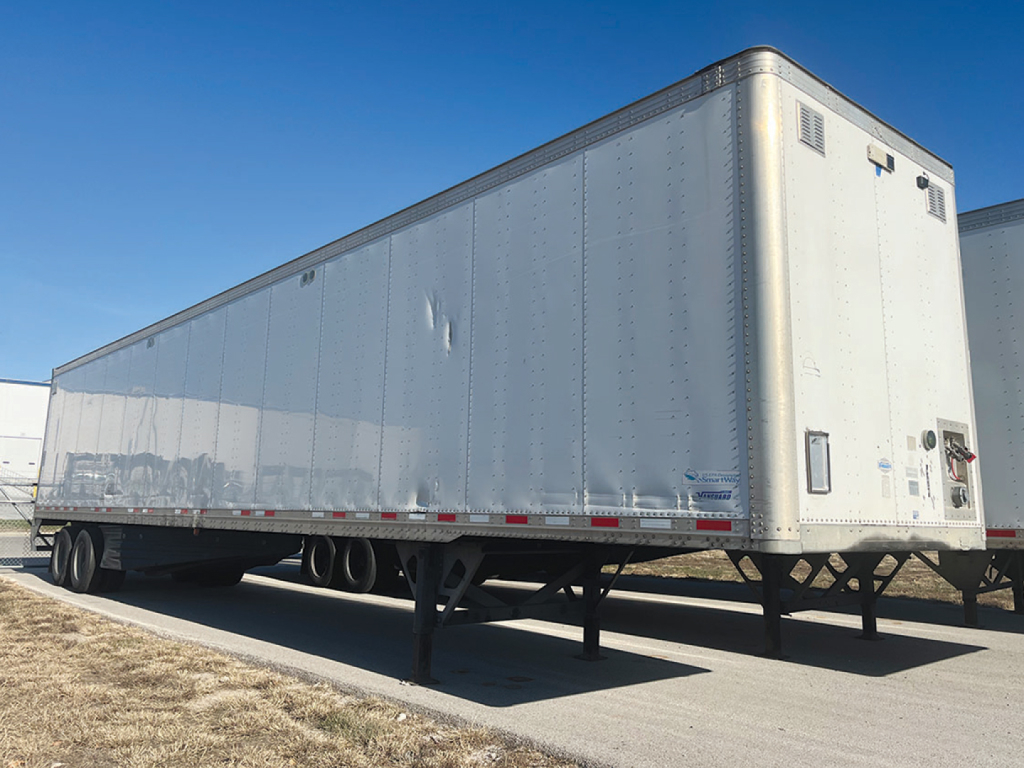
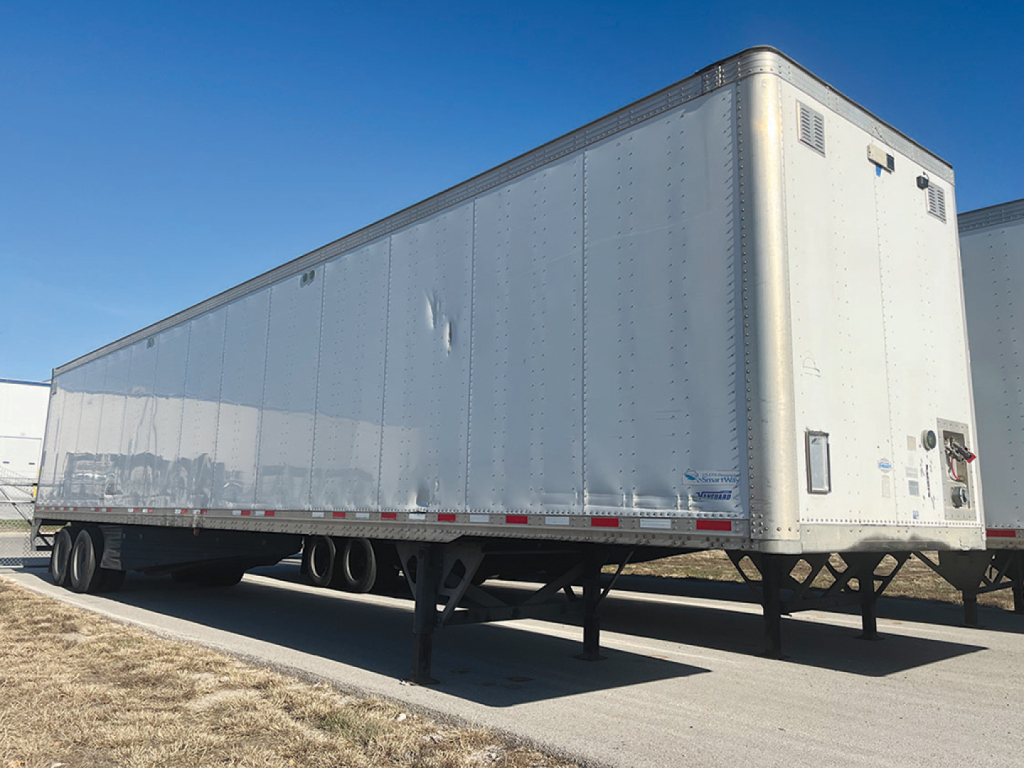
For Colorado operations, trailer condition needs to be evaluated with weather, elevation, and mixed road conditions in mind. On a 2021 van trailer, buyers should check the roof for leaks, inspect sidewalls and the rear frame for impact damage, and look closely at the floor for forklift wear or soft spots. Suspension type, brake setup, tire condition, and door operation are also important because mountain grades and temperature swings can expose weak maintenance quickly. A van trailer that tracks straight and seals well is often worth more than one with cosmetic appeal only.
How do I know if a 2021 lowboy is spec'd correctly for my equipment?
Match the trailer to your heaviest and most awkward machine, not your lightest load. You need to verify the gross capacity, axle spacing, deck length, loaded deck height, neck style, and approach angle against the equipment's operating weight, overall length, track width, and ground clearance. It is also important to consider state routing, bridge law limits, and whether ride-height adjustment or spreader equipment is needed. A lowboy that is close on paper can become a permitting and loading problem in real-world use.