
2021 Dump Trailers For Sale in Colorado
Shop 2021 dump trailers for sale in Colorado. Compare end dump, side dump, and bottom dump specs, capacities, suspension, body materials, and axle setups.
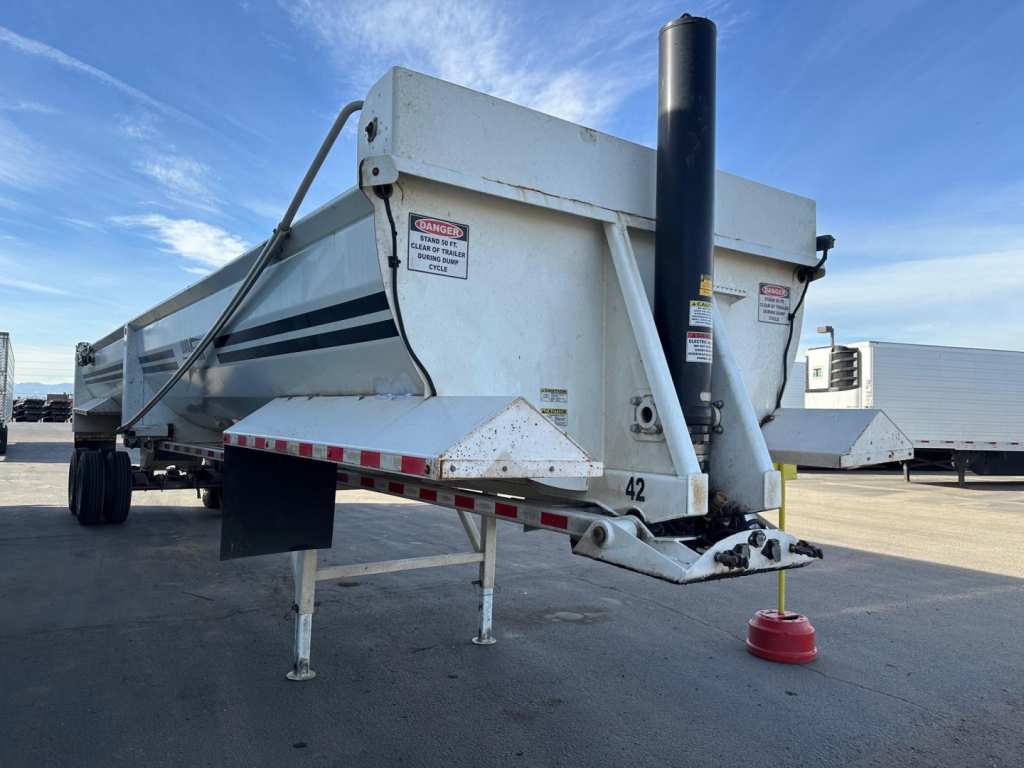
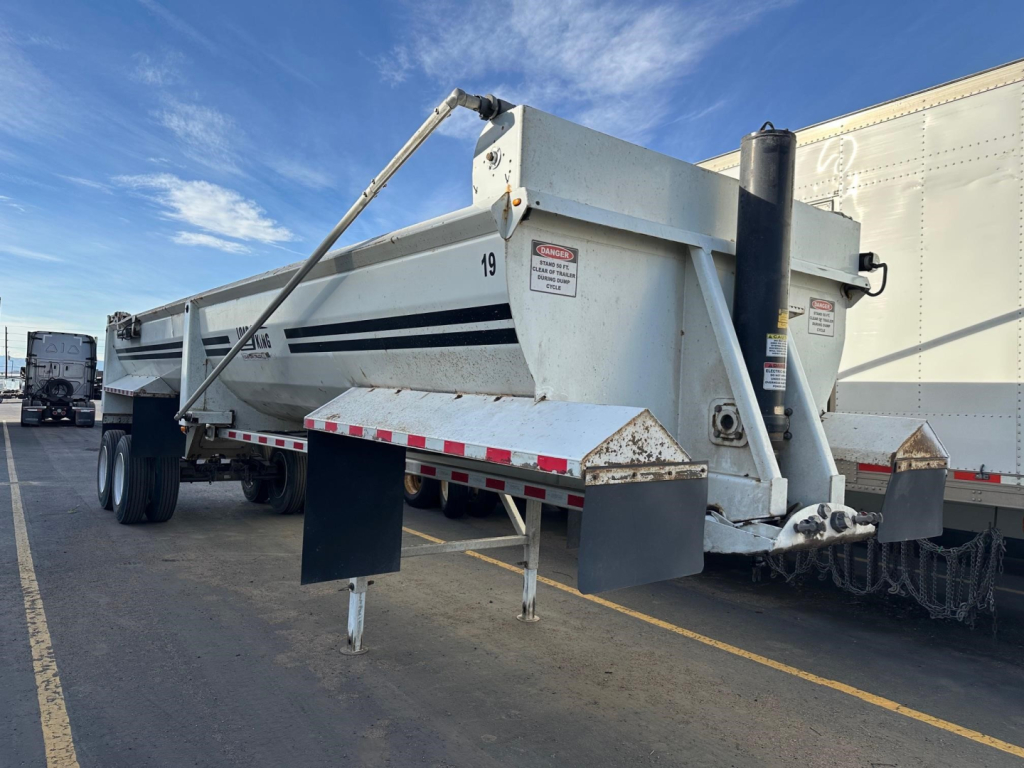
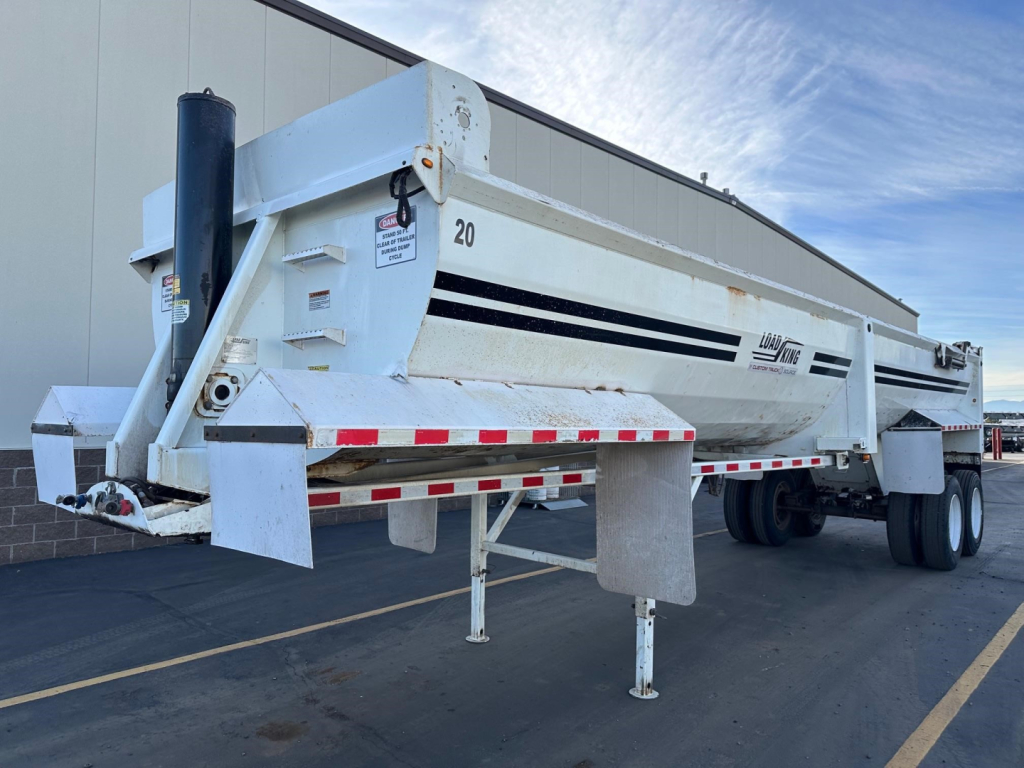
Selling a 2021 dump trailer? List your 2021 dump trailer for sale and reach thousands of commercial buyers.
2021 Dump Trailers in Colorado
The first decision is usually body style and tub material. Frameless end dumps are popular when payload is the priority, while frame-type designs can make sense for severe-duty applications and repeated off-road use. Half-round tubs help material flow and are common in rock, asphalt millings, and demolition debris. Quarter-frame or square-body configurations may suit different loading patterns and commodity types. AR400 steel tubs are common in hard rock and scrap service because they resist abrasion better than mild steel. Aluminum bodies reduce tare weight and can improve legal payload, but buyers should match material choice to commodity, loader practice, and expected impact wear.
Running gear and dump system details matter as much as the body. Tandem, tridem, and lift axle configurations affect bridge compliance, tire wear, and how the trailer behaves on soft jobsites. Air ride suspension is widely favored for ride quality and cargo protection, while spring ride still shows up in severe service. On 2021-model dump trailers, buyers should look closely at hoist condition, cylinder seals, hinge areas, kingpin plate wear, crossmember integrity, gate controls, tarp system operation, brake life, and tire matching. Features such as electric tarps, barn doors, high-lift gates, gate limiters, fenders, liner packages, and lift axles can have a real effect on cycle time and maintenance cost.
For Colorado buyers, operating environment should stay front and center. Mountain grades, variable weather, and a mix of highway and off-road miles put extra importance on brake condition, suspension health, structural integrity, and proper axle spacing. A 2021 dump trailer is new enough that many units will still reflect current spec preferences like LED lighting, air ride, lighter-weight designs, and abrasion-resistant tubs, but old enough that maintenance history becomes more important than model year alone. The best choice is the trailer that matches the material, route, and unloading conditions you deal with every day.
Frequently Asked Questions about 2021 Dump Trailers in Colorado
What is the best type of 2021 dump trailer for Colorado hauling?
The best type depends on the material and unloading conditions. End dumps are versatile and widely used for aggregate, excavation, and demolition work, but they need level ground and careful operation when raised. Side dumps are often a strong fit for uneven jobsites and higher-volume dirt or road work because they unload with more lateral stability. Bottom dumps are best for controlled material placement, especially in road base, paving support, and shoulder work where a consistent spread pattern matters.
What should I inspect first on a used 2021 dump trailer?
Start with the structure and the dump system. Check the tub floor and sides for abrasion, patches, cracks, and signs of distortion. Inspect the hoist or side-dump cylinders, hinge points, kingpin area, suspension mounts, crossmembers, gate hardware, brakes, and tires. Tarp operation, wiring, lighting, and any lift axle controls should also be tested. A 2021 trailer may still look late-model, but structural wear and maintenance quality are more important than appearance.
Is steel or aluminum better for a dump trailer?
Steel is typically preferred for abrasive or impact-heavy material such as rock, scrap, and demolition debris because it handles wear and abuse well, especially in AR400 or similar liner-grade applications. Aluminum is lighter and can improve payload, which matters in bulk commodity hauling, but it is not always the right choice for severe-duty service. The better option depends on what you haul, how you load it, and how much off-road exposure the trailer will see.
Why do buyers choose bottom dumps instead of end dumps?
Bottom dumps, also known as belly dumps, are chosen when controlled discharge is more important than vertical dumping. They can place material in a windrow or spread pattern while moving, which is useful in road construction and base work. They also avoid raising the body high in the air, which reduces overhead clearance concerns and changes the unloading risk profile. End dumps remain more flexible for stockpiling and general-purpose hauling, so the right choice depends on job type.
Does a 2021 dump trailer still hold value well?
Yes, a 2021 dump trailer often sits in a useful part of the market because it is late enough to include modern specs and common fleet features, but old enough to be priced below new equipment. Value depends heavily on body condition, suspension and axle spec, maintenance records, tare weight, and how the trailer was used. A well-maintained 2021 unit with the right body style for your work can offer a strong balance of purchase price, service life, and resale appeal.