
2020 Trailers For Sale in Colorado
Browse 2020 trailers for sale in Colorado, including dry vans, dump trailers, and drop decks with specs that matter for freight and jobsite work.
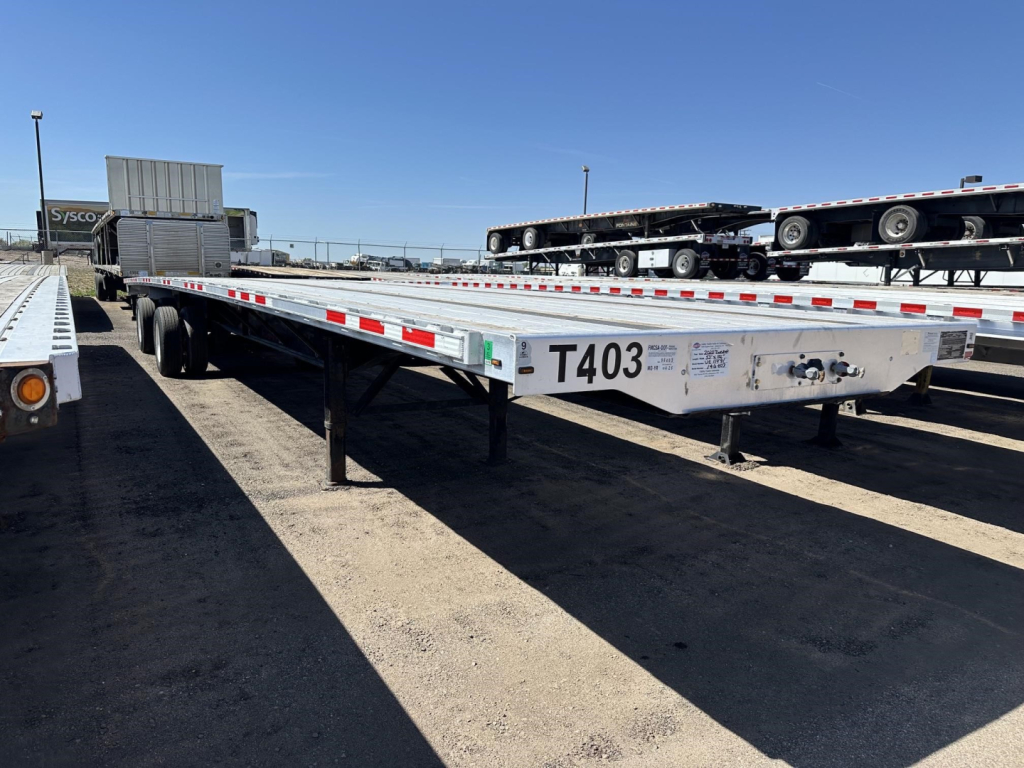
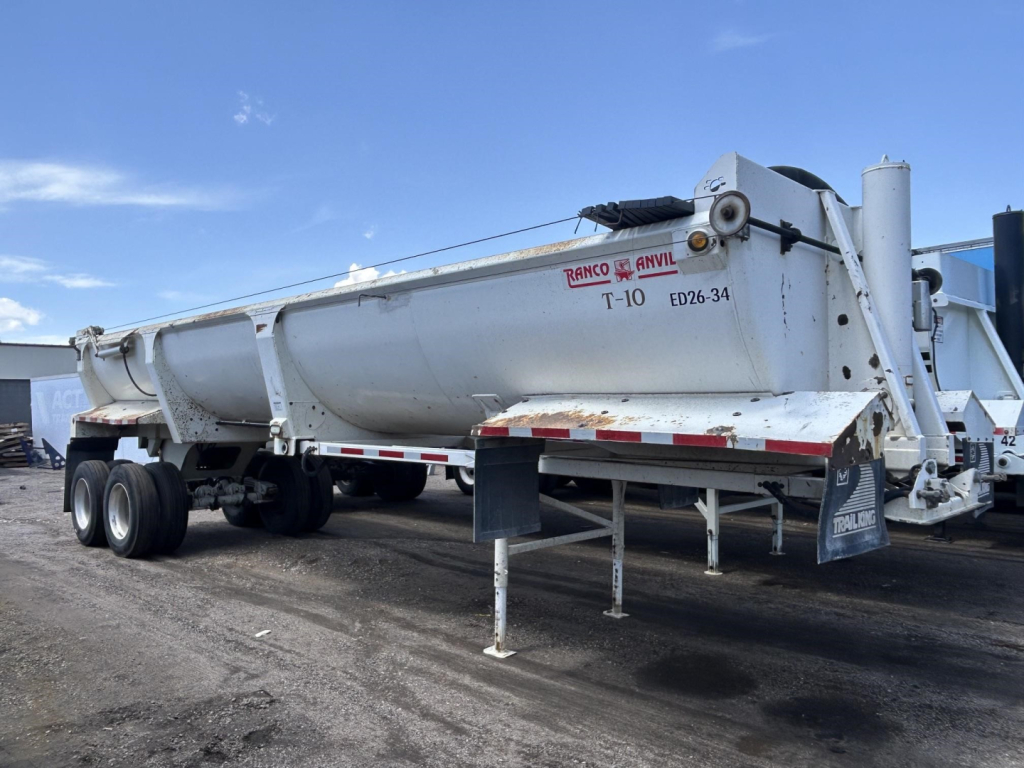
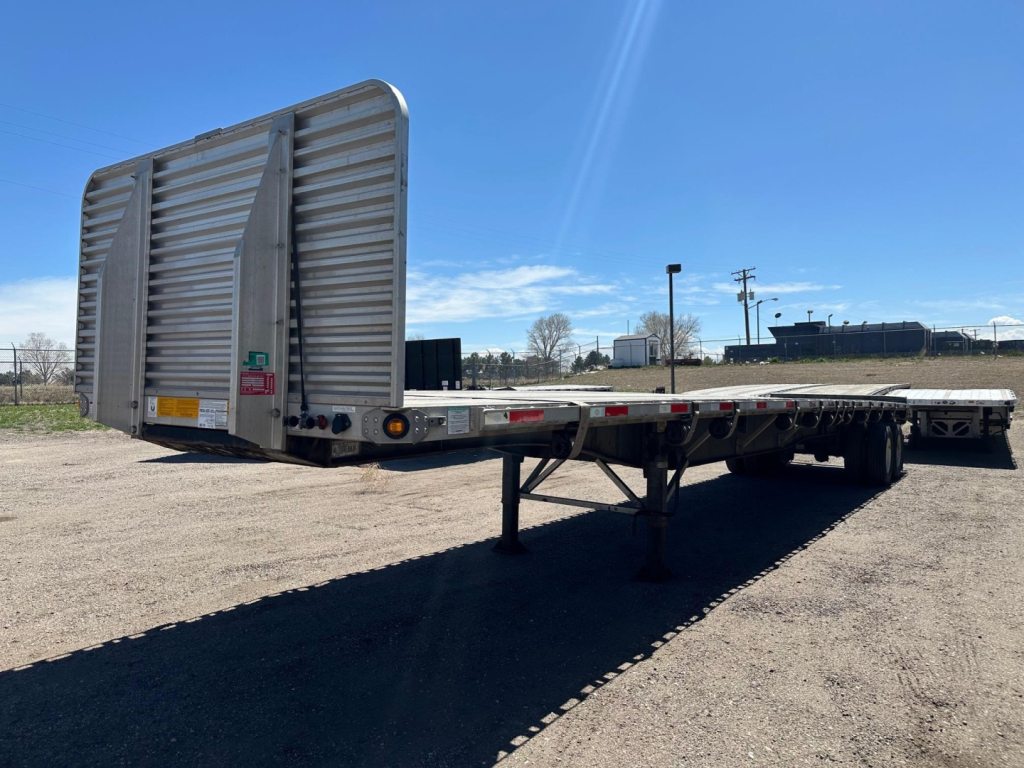
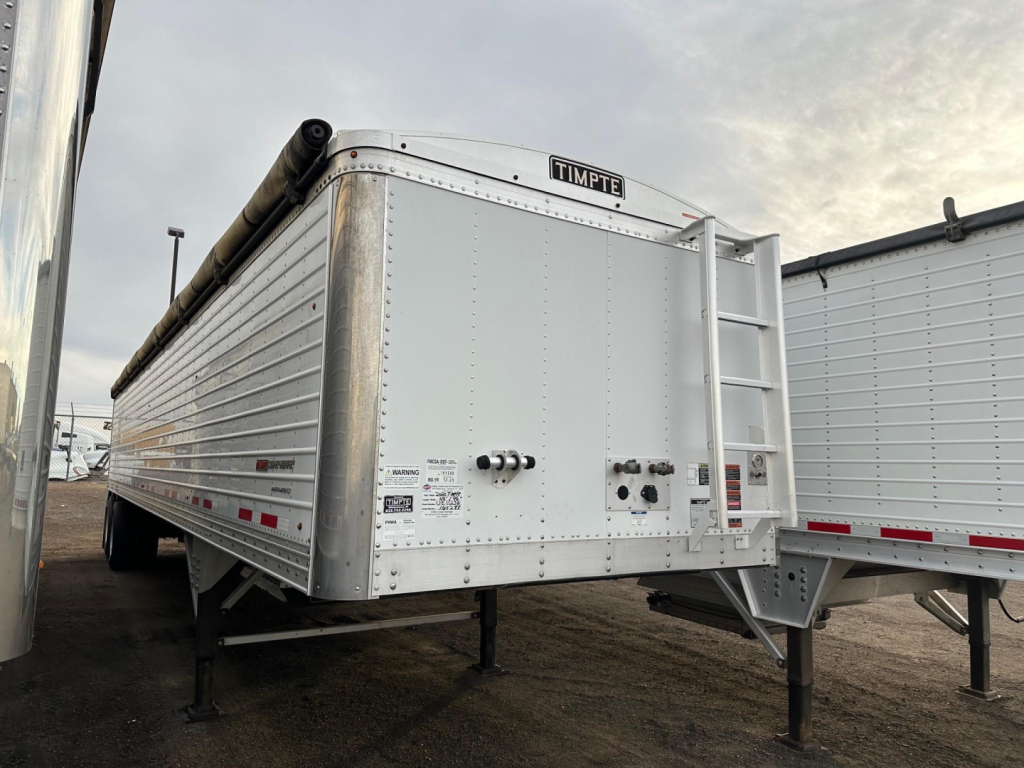

Selling a 2020 trailer? List your 2020 trailer for sale and reach thousands of commercial buyers.
2020 Trailers in Colorado
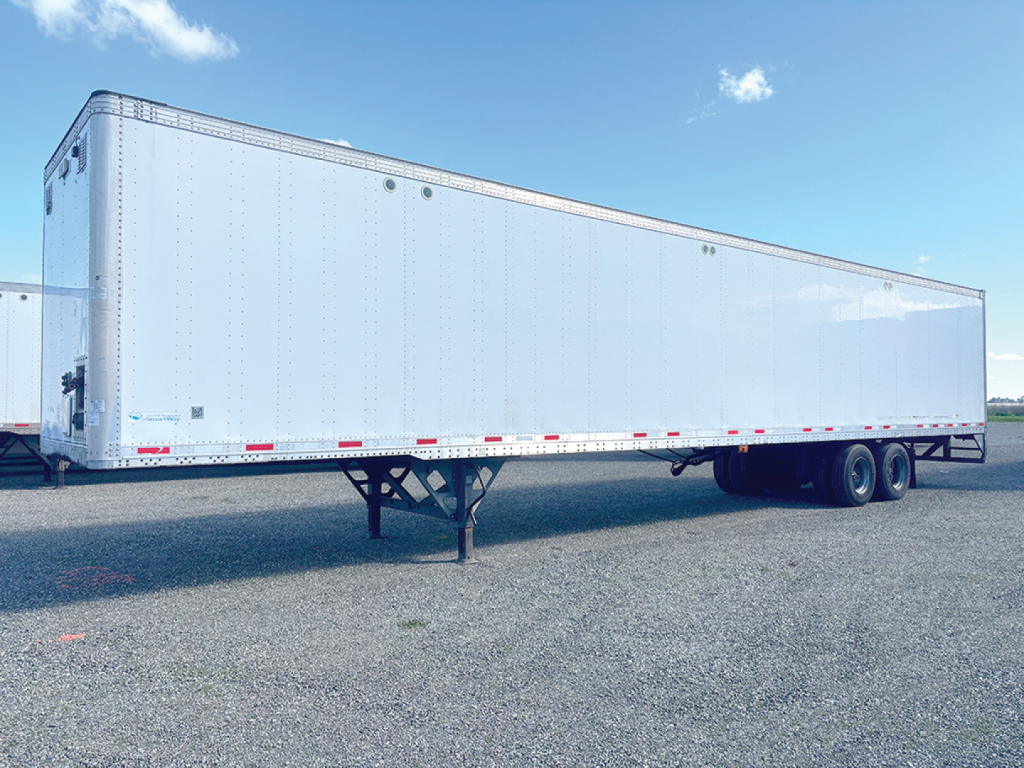
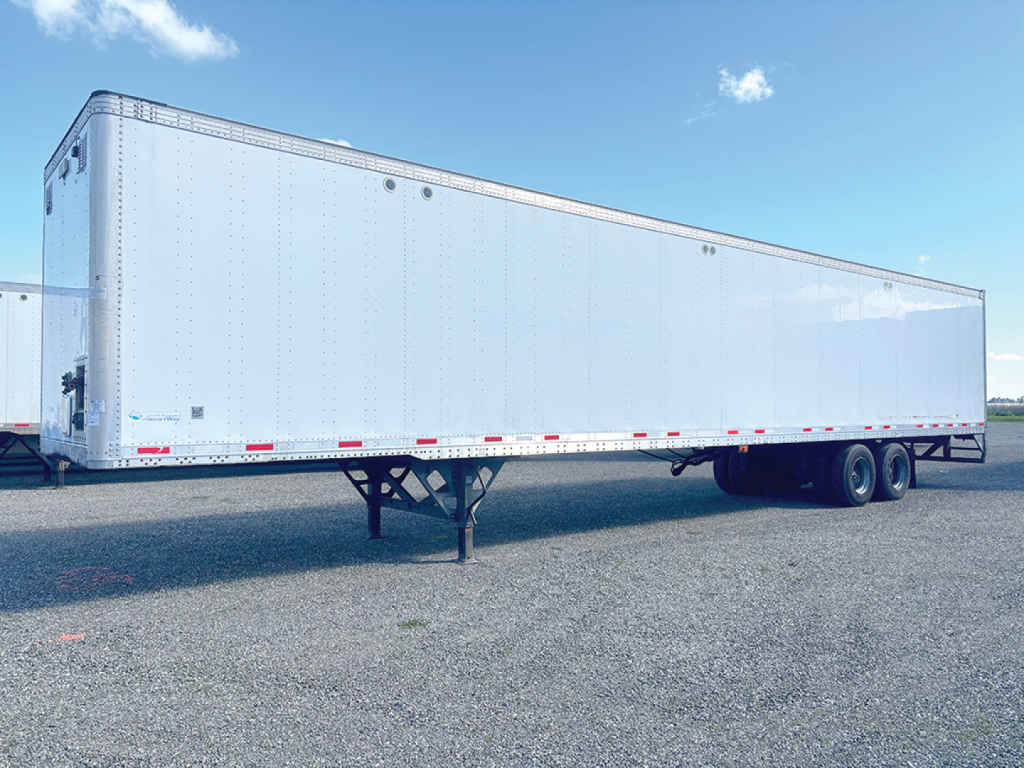
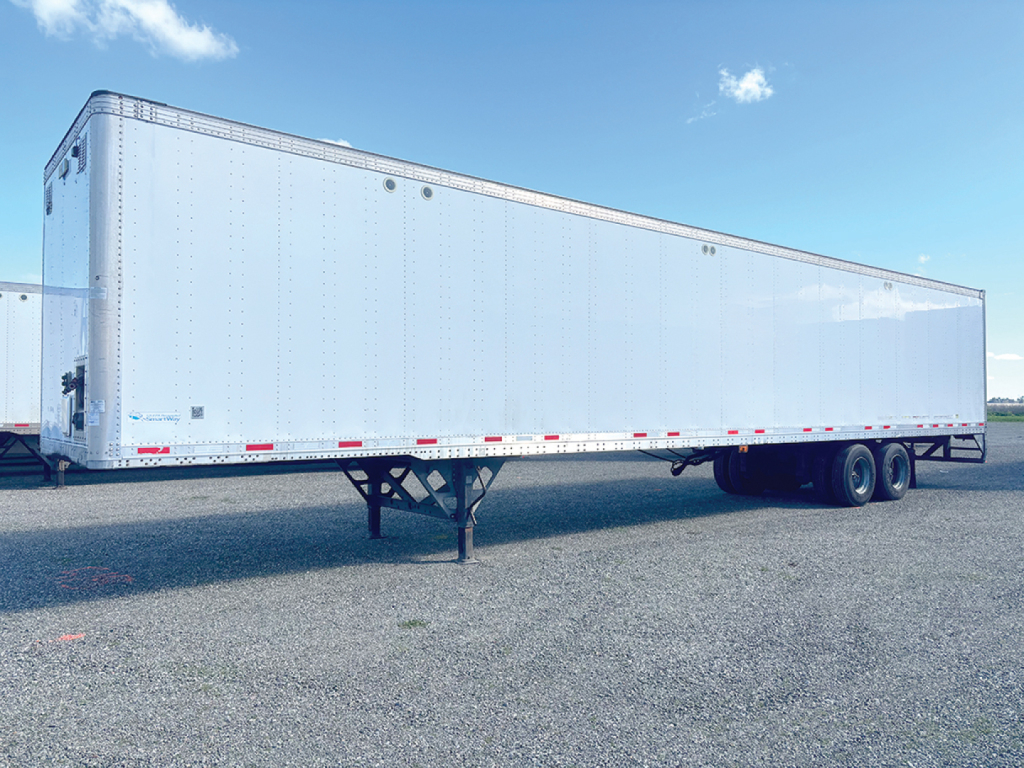
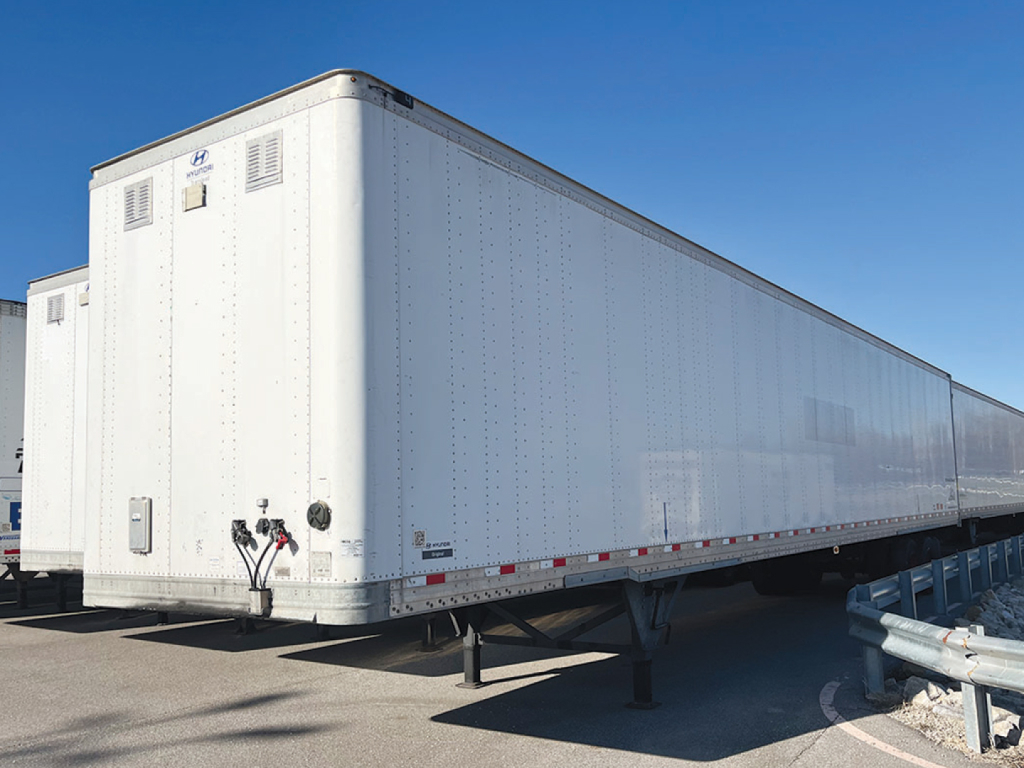
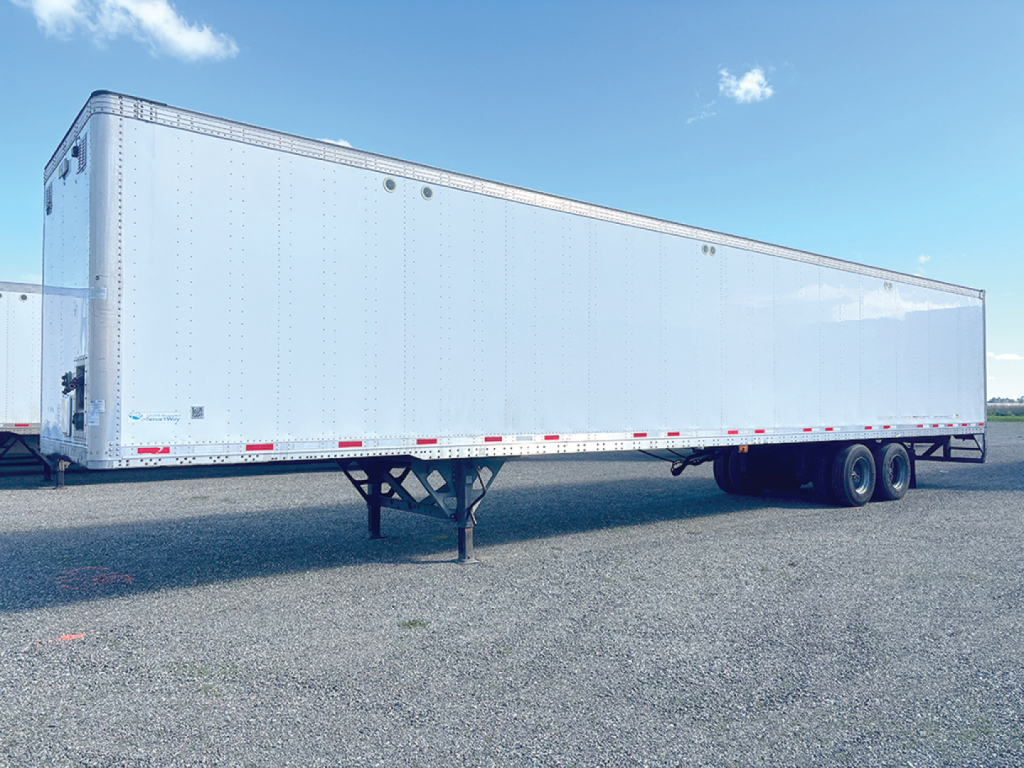
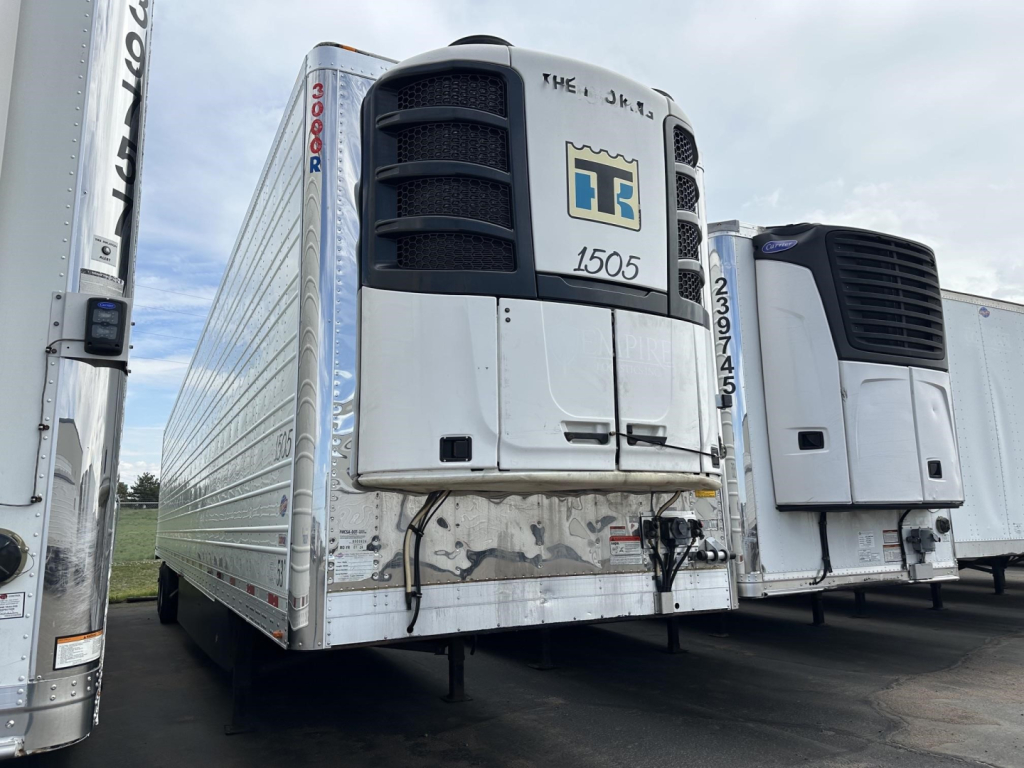
On the highway side, 2020 dry van trailers commonly show up in the standard 53-foot by 102-inch configuration with air ride, sliding tandems, wood floors, logistics posts or E-track, scuff liners, front vents, roll-up or swing doors, and tire inflation systems. Buyers comparing vans should look closely at interior liner condition, threshold plate wear, rear frame corrosion, roof repairs, and floor softness around forklift traffic areas. Disc wheels, low-profile 22.5 tires, undertray systems, and air-lift axle setups can also be found on this model year and can make a difference in maintenance cost, payload flexibility, and dock use.
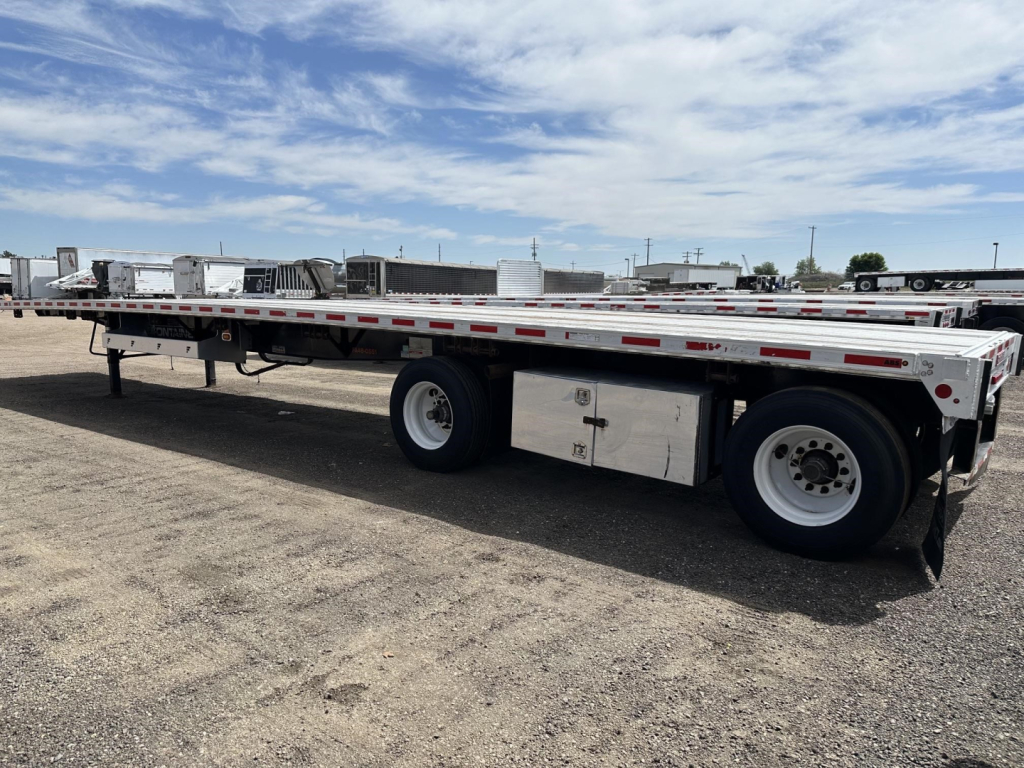
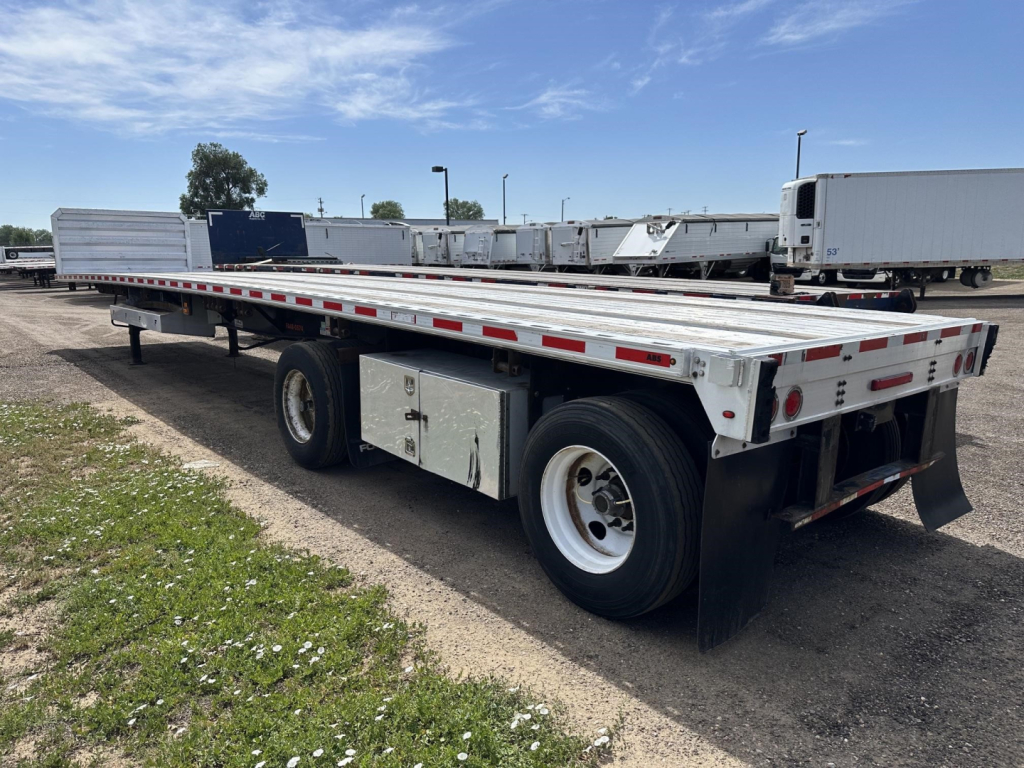
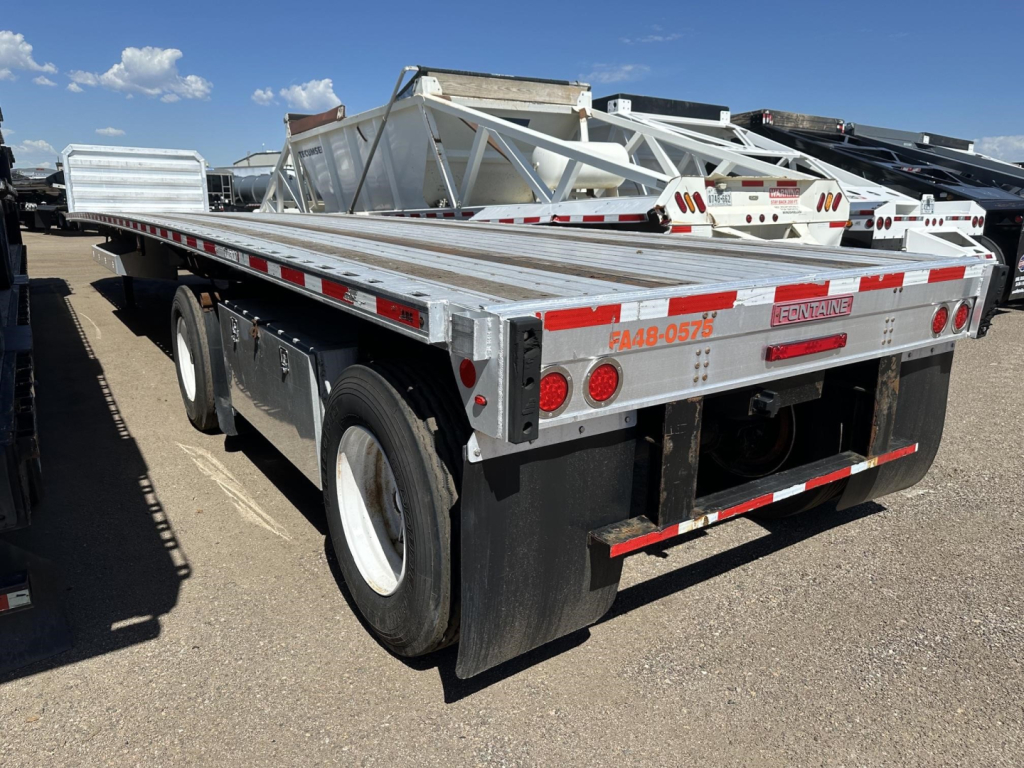
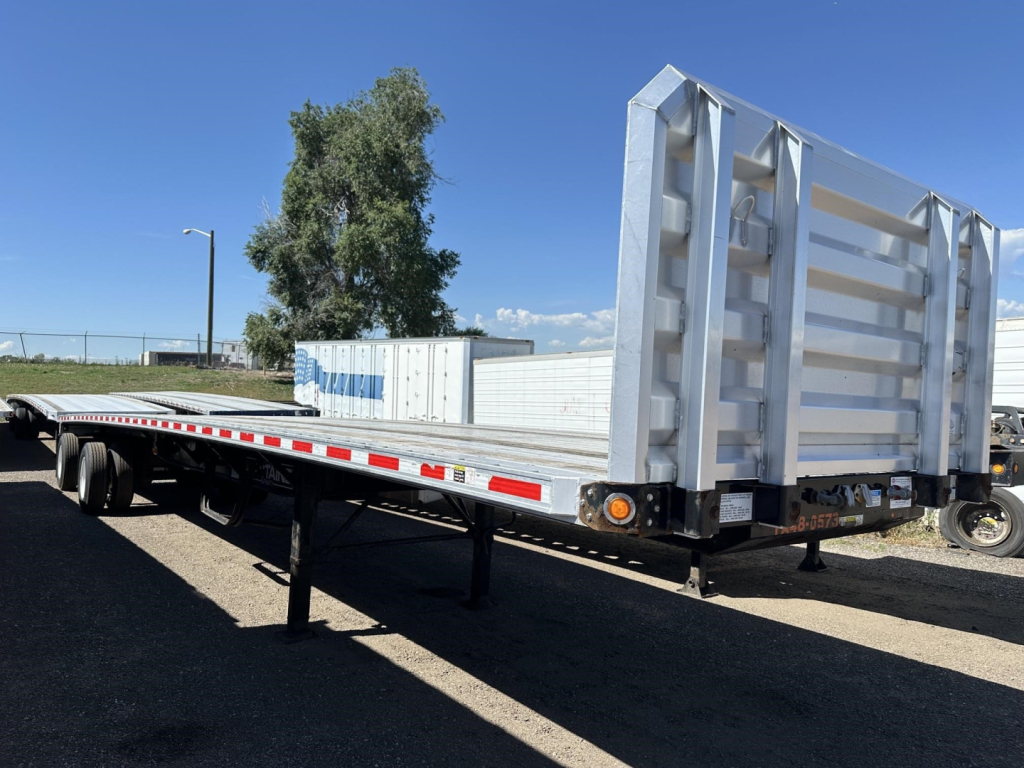
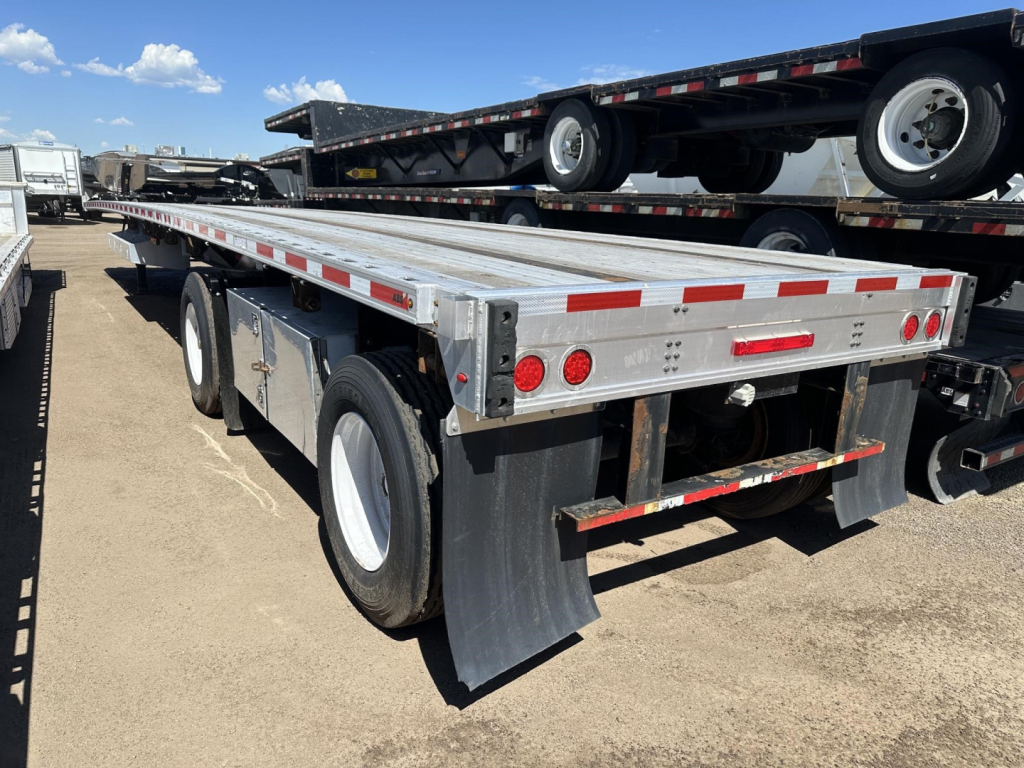
For vocational hauling, 2020-era trailers also include dump, bottom dump, and drop deck configurations that are common across Colorado aggregates, paving, excavation, steel, and equipment transport. Bottom dumps are often spec'd around hopper capacity, gate control, tarp systems, axle count, and suspension type. Drop decks and step decks are usually compared by loaded deck height, upper deck length, lower deck length, axle spread, sliding rear axle setup, coil package, stake pockets, pipe spools, and winch track layout. Material choice matters here. Aluminum helps maximize payload and reduce tare weight, while steel remains popular for harder-use applications where impact resistance and repairability matter more.
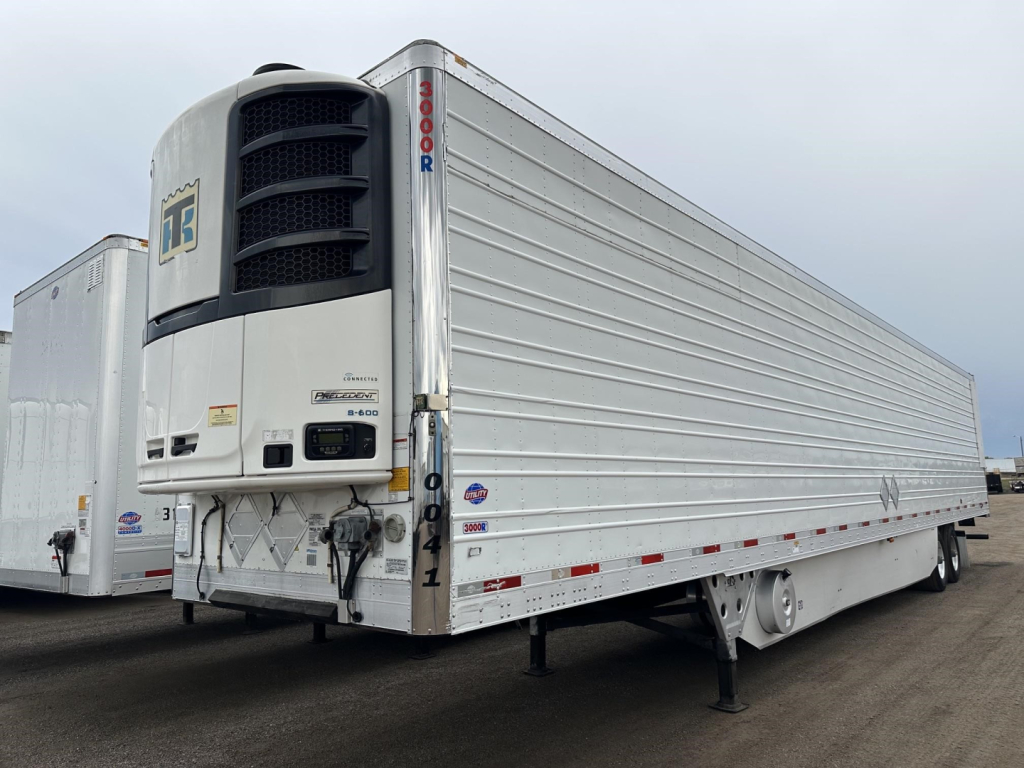
A buyer sorting through 2020 trailers should pay close attention to axle configuration, brake type, suspension, tire size, wheel material, and any fleet-oriented options like PSI tire inflation, air-ride sliders, lift axles, toolboxes, and cargo securement equipment. In Colorado, it also pays to inspect for rust around crossmembers, wiring condition, brake and air system integrity, and signs of hard service from mountain routes or off-pavement jobsite use. The best 2020 trailer is not just the right length or body style. It is the unit whose prior spec and wear pattern match the freight, terrain, and legal payload demands you plan to run.
Frequently Asked Questions about 2020 Trailers in Colorado
What should I look for first when buying a 2020 trailer?
Start with the trailer's intended application, then verify the structural and running-gear details that support that use. A dry van should be checked for floor condition, liner damage, rear frame wear, door operation, and tandem slide function. A dump or bottom dump should be reviewed for gate operation, hopper wear, suspension condition, tarp system function, and frame integrity. A drop deck should be evaluated for deck condition, securement equipment, axle setup, and prior overloading signs. Service records, tire condition, brake wear, and evidence of major repairs matter as much as the model year.
Are 2020 dry van trailers a good fit for general freight?
Yes. A 2020 dry van is often a practical choice for general freight because it is modern enough to include current fleet-preferred features such as logistics posts, E-track, tire inflation systems, air ride, and sliding tandems, while still offering used-market pricing. Standard 53-foot vans from this model year are well suited for palletized freight, retail, distribution, and regional or over-the-road work. Buyers should still confirm interior height, door type, floor composition, and dock-related wear before making a decision.
How important is trailer material on a 2020 model?
Material choice is a major buying factor because it directly affects payload, durability, and repair strategy. Aluminum trailers typically reduce tare weight and can improve legal payload, which is especially useful in van and drop deck applications. Steel trailers usually tolerate impact and abrasive service better, making them common in dump and severe-duty work. The right choice depends on the cargo, route conditions, and how the trailer will be loaded, unloaded, and maintained over time.
What trailer features matter most in Colorado?
Colorado buyers should pay attention to braking performance, suspension condition, tire health, and frame integrity because trailers often face elevation changes, steep grades, winter weather, and mixed highway-jobsite use. Air ride suspension, tire inflation systems, sliding tandems, disc wheels, and corrosion-resistant components can all add practical value. For vocational trailers, tarp systems, lift axles, gate controls, and heavy-duty suspension specs are especially important when running aggregate, paving material, or construction loads.
Is a 2020 trailer old enough to need major component replacement?
It can be, depending on mileage, load cycles, and maintenance history. By this age, some trailers may be approaching brake component replacement, suspension bushing work, tire replacement, floor repair, door hardware service, or air system updates. That does not make a 2020 trailer a poor choice. It simply means buyers should inspect consumable components and wear items carefully and factor those near-term costs into the purchase decision.