
2020 Flatbed Trailers For Sale in Colorado
Shop 2020 flatbed trailers for sale in Colorado. Compare 48' and 53' specs, combo or steel construction, suspension, deck, and securement features.
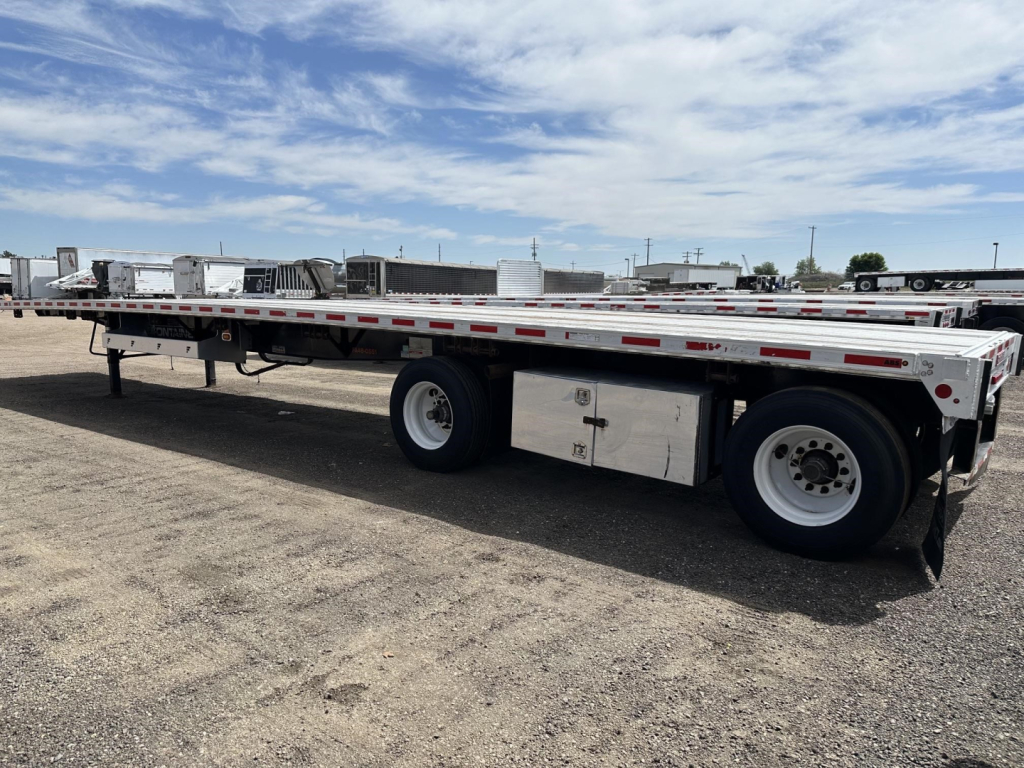
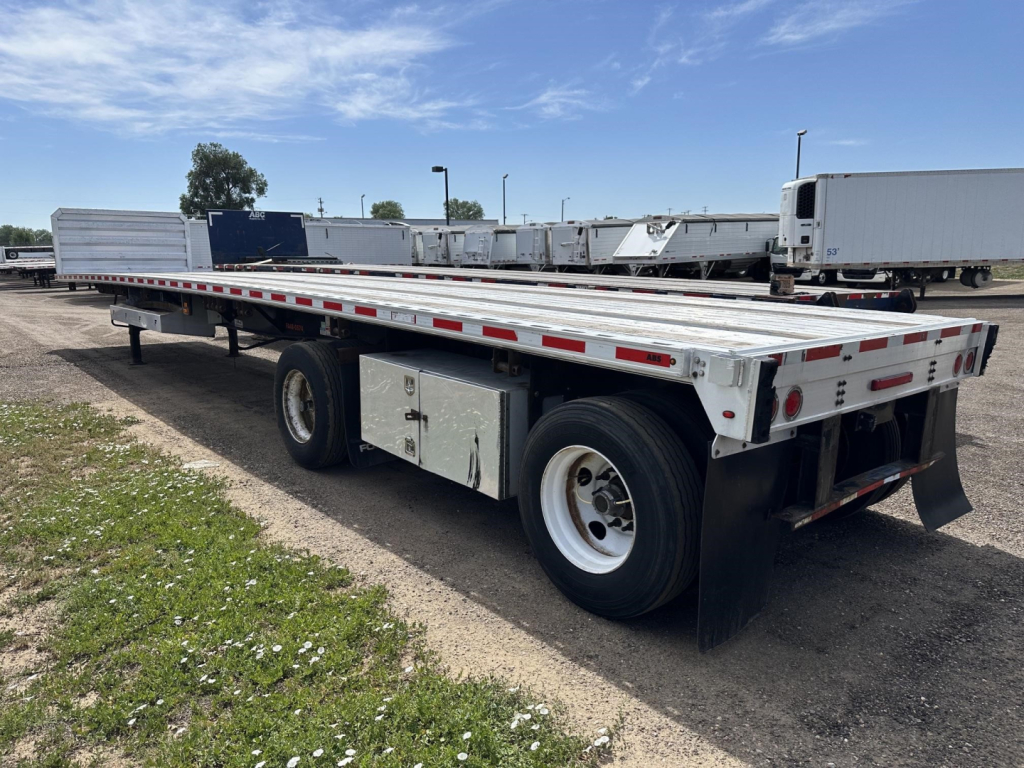
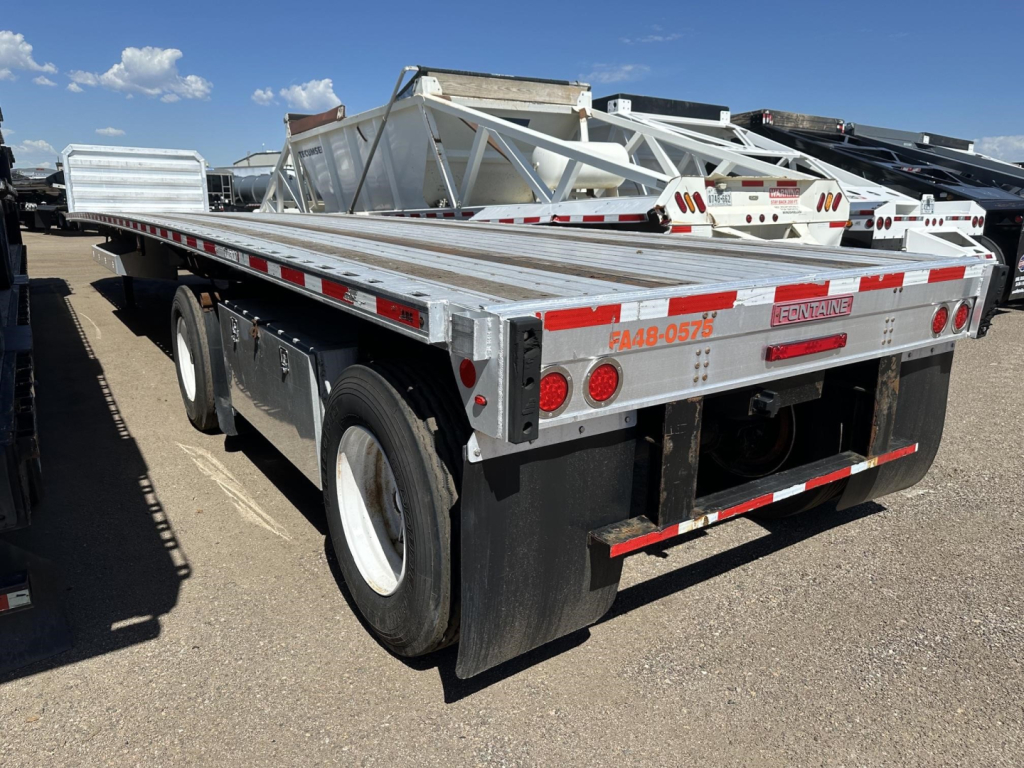
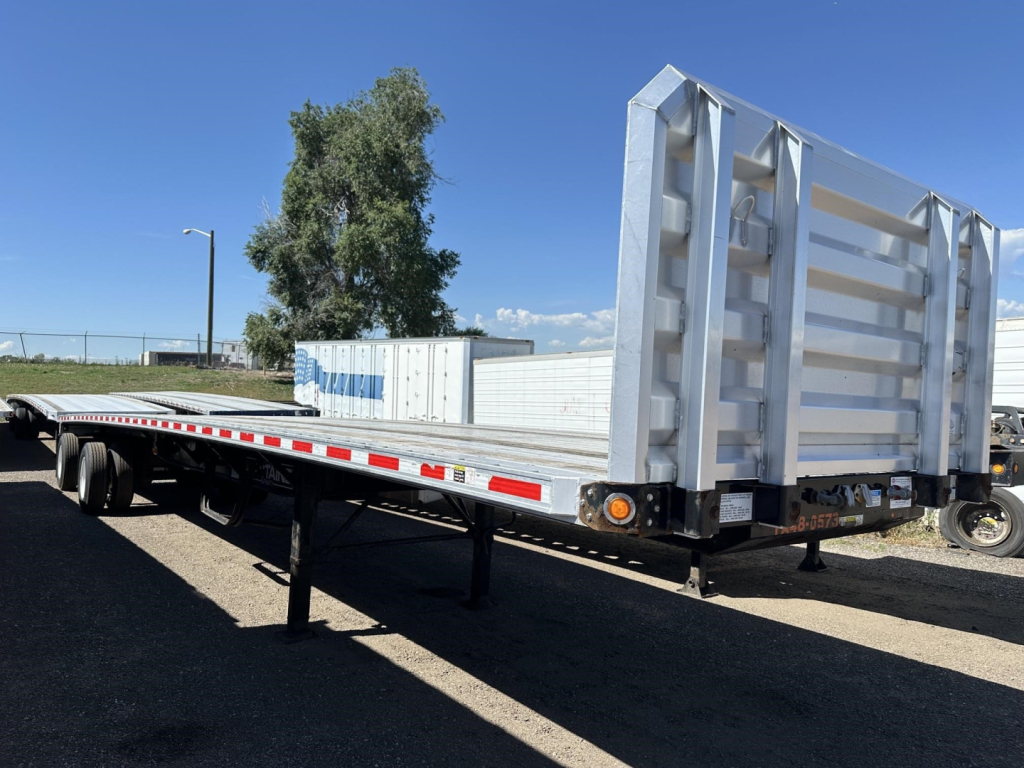
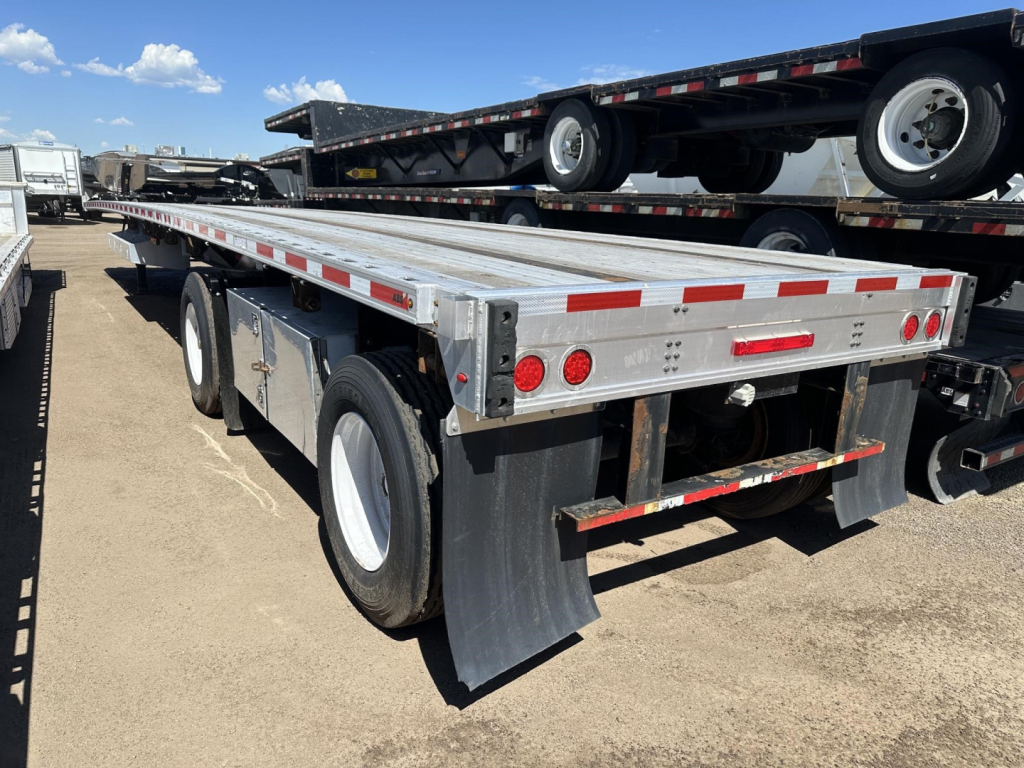
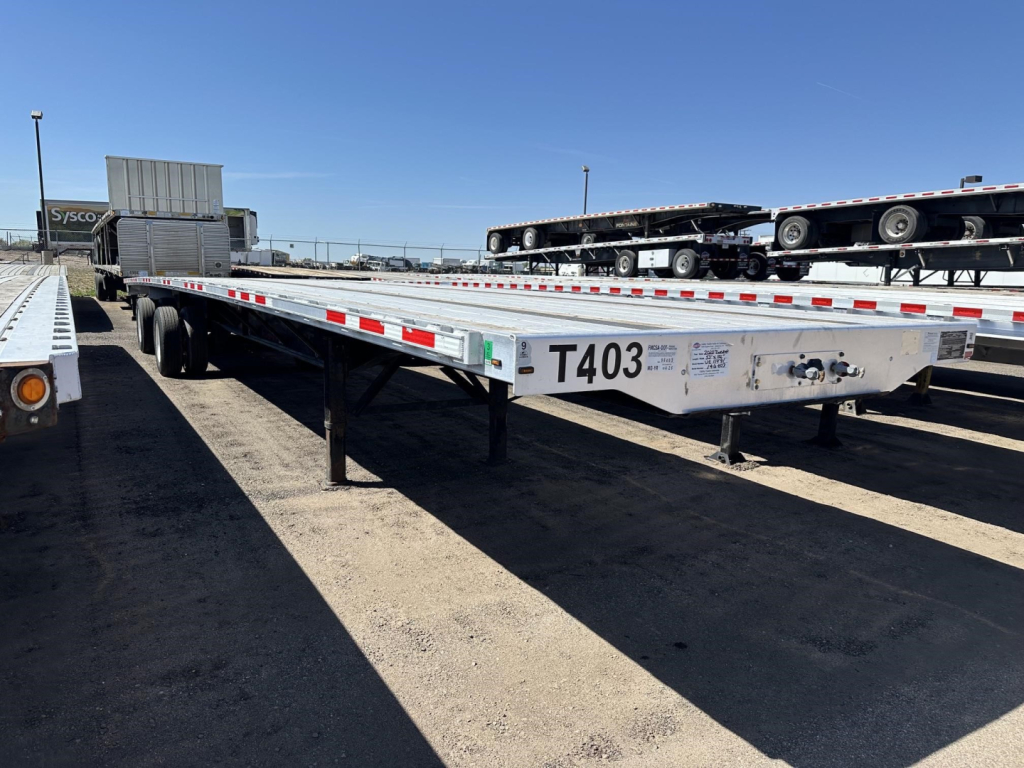
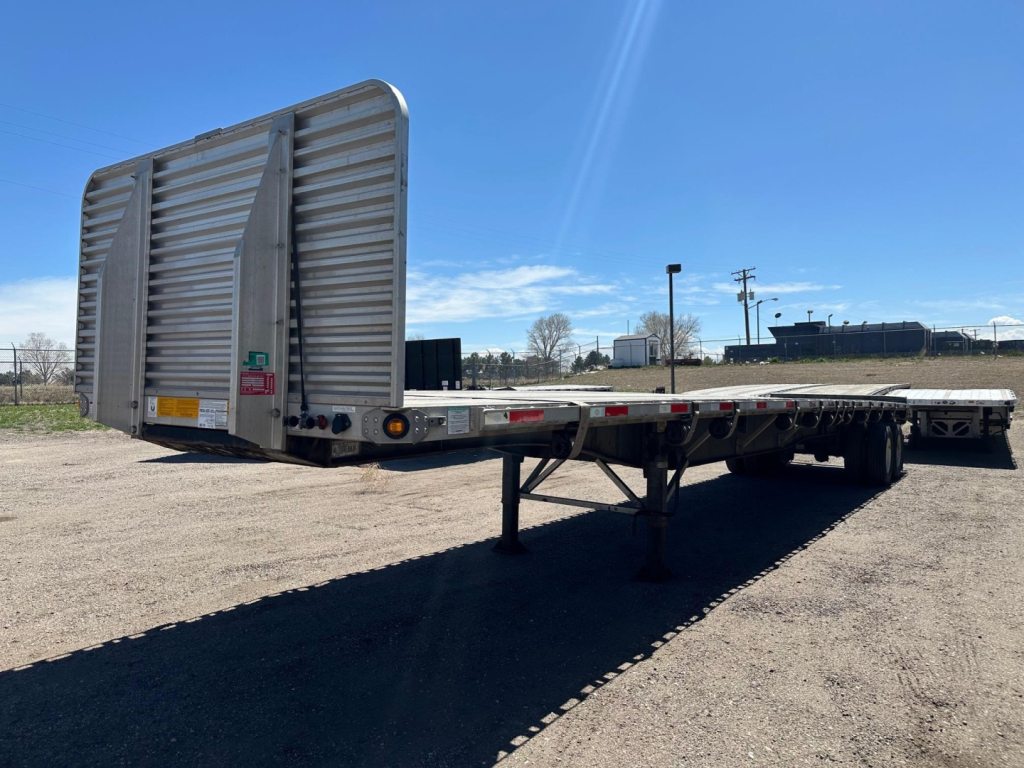
Selling a 2020 flatbed trailer? List your 2020 flatbed trailer for sale and reach thousands of commercial buyers.
2020 Flatbed Trailers in Colorado
The first buying decision is usually frame and deck construction. Steel flatbeds typically cost less up front and handle hard daily use well, but they carry more tare weight. Combo trailers cut weight while keeping steel where it matters most, and they remain a popular choice for general commodity freight. Deck type also deserves close attention. Apitong wood decks are still a standard for many fleets because they are proven, easier to repair in sections, and offer dependable traction. Aluminum decks save weight, but buyers should inspect wear patterns, corrosion exposure, and past load concentration, especially if the trailer has hauled steel, machinery, or coil freight.
Suspension and axle layout affect both ride quality and lane flexibility. Many 2020 flatbed trailers are spec'd with air ride, either fixed spread, spread axle, or sliding tandem setups. Spread axle trailers can offer bridge advantages and stable load distribution, but they are less forgiving in tighter urban docks and some states have operational restrictions that matter by route. Sliding tandems give more flexibility for axle weights and loading patterns. Buyers should also look for practical securement features that directly affect day-to-day productivity, including sliding winches, dual winch tracks, stake pockets, pipe spools, coil package ratings, nail strips, tool boxes, and tire inflation systems. These details determine how quickly a driver can secure freight and how many load types the trailer can realistically cover.
Condition matters more than age alone on a used flatbed. A 2020 model should be evaluated closely for frame straightness, crossmember damage, deck wear, suspension bushing condition, brake life, tire type and remaining tread, wheel-end service history, and signs of concentrated overloading around the coil area or main beam flanges. In Colorado, buyers should also pay attention to corrosion from winter road treatment, as well as the condition of lights, wiring, and air system components exposed to cold-weather service. A clean 2020 flatbed with the right securement package and axle configuration can still be a highly productive trailer for steel, lumber, building materials, machinery, pipe, and general open-deck freight.
Frequently Asked Questions about 2020 Flatbed Trailers in Colorado
What is the most common size for a 2020 flatbed trailer?
The most common sizes are 48 feet by 102 inches and 53 feet by 102 inches. A 48-foot flatbed remains very common in regional and specialized freight, while a 53-foot flatbed offers more deck space for general freight and longer commodities. The right choice depends on your lane mix, legal length requirements, and the type of freight you secure most often.
Is a combo flatbed better than a full steel flatbed?
A combo flatbed is often the better all-around choice when payload matters because it reduces tare weight while keeping steel main beams for strength. A full steel flatbed usually costs less to purchase and can be a good fit for heavy-use applications where repair simplicity matters more than weight savings. Buyers should compare expected payload, repair environment, and total cost over time rather than assuming one construction type is always superior.
What features should I look for on a used 2020 flatbed trailer?
The most important features are the ones that match your freight. Common priority items include stake pockets, sliding winches, winch tracks, pipe spools, coil package capacity, nail strips, tool boxes, and air ride suspension. Beyond equipment, inspect the main beams, crossmembers, deck condition, landing gear, brakes, tires, wheel ends, air lines, and lighting system. A flatbed with the right securement package and sound structure is usually more valuable than a trailer with fewer useful specs but a cleaner appearance.
Are spread axle flatbeds a good choice in Colorado?
Spread axle flatbeds can be a strong choice for stability and bridge distribution, especially on heavier or longer loads. They can also be harder to maneuver in tight yards and job sites, and route restrictions may affect where they work best. In Colorado, where operations can include mountain grades, weather shifts, and mixed regional freight, buyers should match axle layout to their regular lanes rather than choosing spread axles by default.
How long can a 2020 flatbed trailer stay productive in a fleet?
A well-maintained 2020 flatbed trailer can remain productive for many years because flatbeds are relatively straightforward to inspect, repair, and respec for different freight applications. Service life depends heavily on loading practices, climate exposure, deck maintenance, suspension upkeep, and corrosion control. Trailers that have been overloaded, poorly secured, or exposed to severe winter chemicals without maintenance will age faster than their model year suggests.