
2020 Utility Trailers For Sale in Colorado
Shop 2020 Utility trailers in Colorado, including flatbed and reefer models, with specs, axle setups, ride options, and fleet-ready features.
Selling a 2020 utility trailer? List your 2020 utility trailer for sale and reach thousands of commercial buyers.
2020 Utility Trailers in Colorado
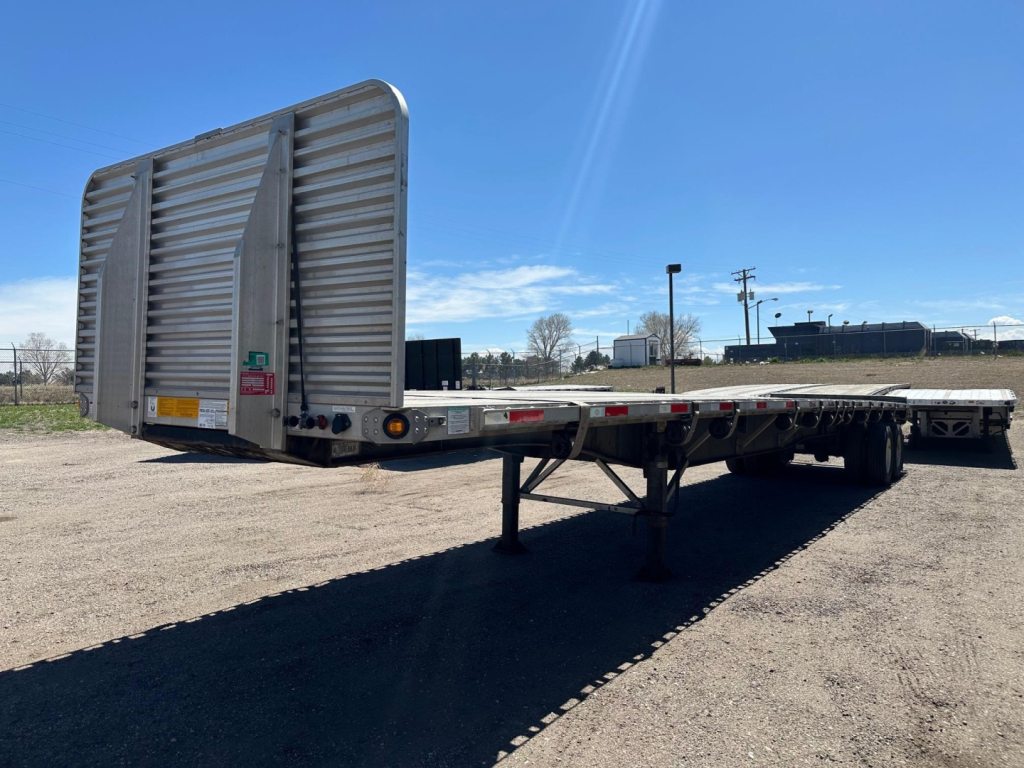
On flatbed configurations such as the Utility 4000 series, the key decisions usually come down to length, deck construction, suspension, and cargo securement layout. Common specs include 48-foot or 53-foot lengths, 102-inch width, steel main beams, and either combo construction with aluminum crossmembers and deck components or full steel designs for heavier-duty work. Buyers should look closely at coil package rating, winch track placement, sliding winches, stake pockets, pipe spools, and whether the trailer has a bulkhead. Closed tandem, spread axle, spring ride, and air ride setups each fit different freight profiles. A spring ride slider can be simple and durable, while air ride is typically preferred for more sensitive loads and better load protection.
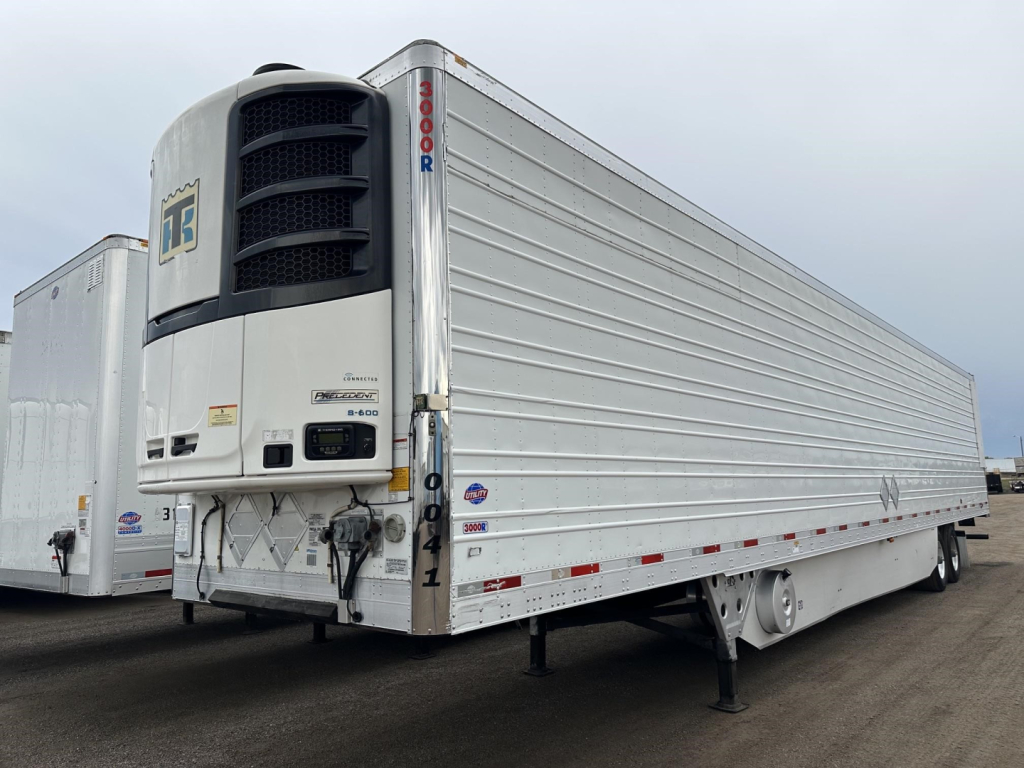
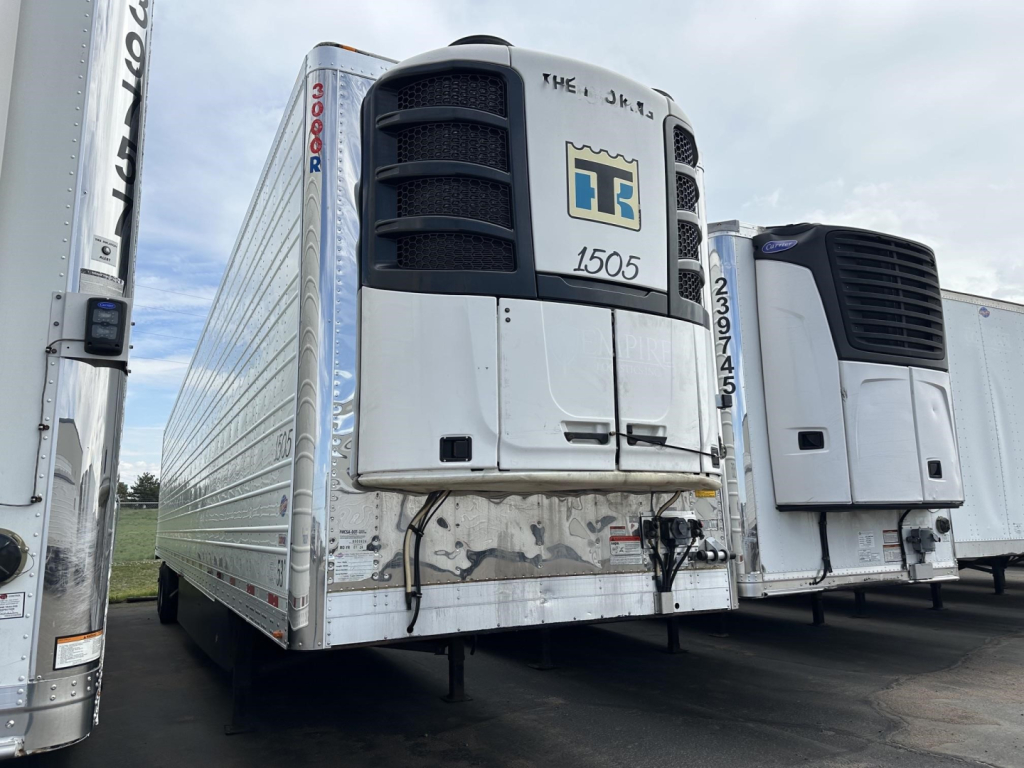
If the trailer is a reefer or van configuration, focus on body condition and operating details that affect dock performance and long-term maintenance. Utility reefer trailers are commonly spec'd with air ride suspension, slider tandems, rear swing doors, scuff protection, aerodynamic packages, and tire inflation systems. For a 2020 model, buyers should inspect floor wear, door frame alignment, front corner condition, suspension bushings, and slider operation. In Colorado service, corrosion is usually less severe than in heavy salt regions, but brake condition, tire age, and undercarriage wear still deserve a close look, especially on trailers that have seen mountain routes and frequent brake applications.
The best 2020 Utility trailer choice depends on freight more than brand loyalty. A combo flatbed with coil package and sliding winches fits steel, building products, and machinery moves. A reefer setup is better for food-grade, temperature-controlled, and retail freight where insulation, door seal condition, and refrigeration integration matter. Buyers comparing multiple listings should weigh empty weight against payload, axle spread against bridge law needs, and repair simplicity against premium spec features like PSI tire inflation systems, side skirts, or anti-dock-walk equipment. Utility trailers from this model year are often appealing because they strike a useful middle ground between proven service life, current-spec equipment, and manageable acquisition cost.
Frequently Asked Questions about 2020 Utility Trailers in Colorado
What should I look for when buying a 2020 Utility flatbed trailer?
Start with the structure and cargo securement spec. Check the main beams, crossmembers, floor condition, rub rail, stake pockets, and winch track for signs of heavy point loading or previous repairs. Confirm whether it has a coil package, bulkhead, sliding winches, pipe spools, and the axle configuration your freight requires. Suspension type also matters. Spring ride is simple and durable, while air ride usually offers better load protection and a smoother pull.
Are 2020 Utility trailers a good fit for Colorado operations?
Yes, especially when the trailer spec matches the route and commodity. Colorado operations often involve elevation, steep grades, temperature swings, and long interstate runs, so brake condition, tire condition, suspension health, and overall structural integrity matter more than cosmetic appearance. Flatbeds need securement hardware in good order, and reefer or van units should be checked for door sealing, floor wear, and undercarriage condition after mountain service.
What is the difference between a Utility combo flatbed and a steel flatbed?
A combo flatbed usually uses steel main beams with aluminum components such as crossmembers, deck sections, or rails to reduce tare weight while maintaining strength in key load-bearing areas. A steel flatbed generally weighs more but may appeal to buyers prioritizing ruggedness and repair familiarity over every pound of payload. The right choice depends on your freight, expected abuse level, and how much value you place on lighter empty weight.
How important is axle setup on a 2020 Utility trailer?
Axle setup directly affects bridge compliance, maneuverability, tire wear, and loading flexibility. A closed tandem with a slider is common and versatile for many general freight applications. A spread axle can improve weight distribution and stability for some flatbed loads, but it can also be less forgiving in tight urban turns and certain dock environments. Buyers should match axle spacing and slider function to the states they run and the freight they haul most often.
Do 2020 Utility reefer trailers still make sense for fleet use?
They can, provided the trailer body and related systems have been maintained properly. The trailer itself should be evaluated for insulation integrity, floor wear, rear frame condition, suspension health, and slider performance. Fleet buyers often like this model year because it can offer a newer design generation and current operational features without the higher cost of a brand-new unit. The value depends on maintenance history, structural condition, and how closely the trailer spec matches the intended lanes and commodity mix.