
Lowboy Trailers For Sale in Colorado
Shop lowboy trailers for heavy equipment hauling in Colorado. Compare 35 to 55 ton-plus detach trailers, axle setups, well lengths, and deck specs.
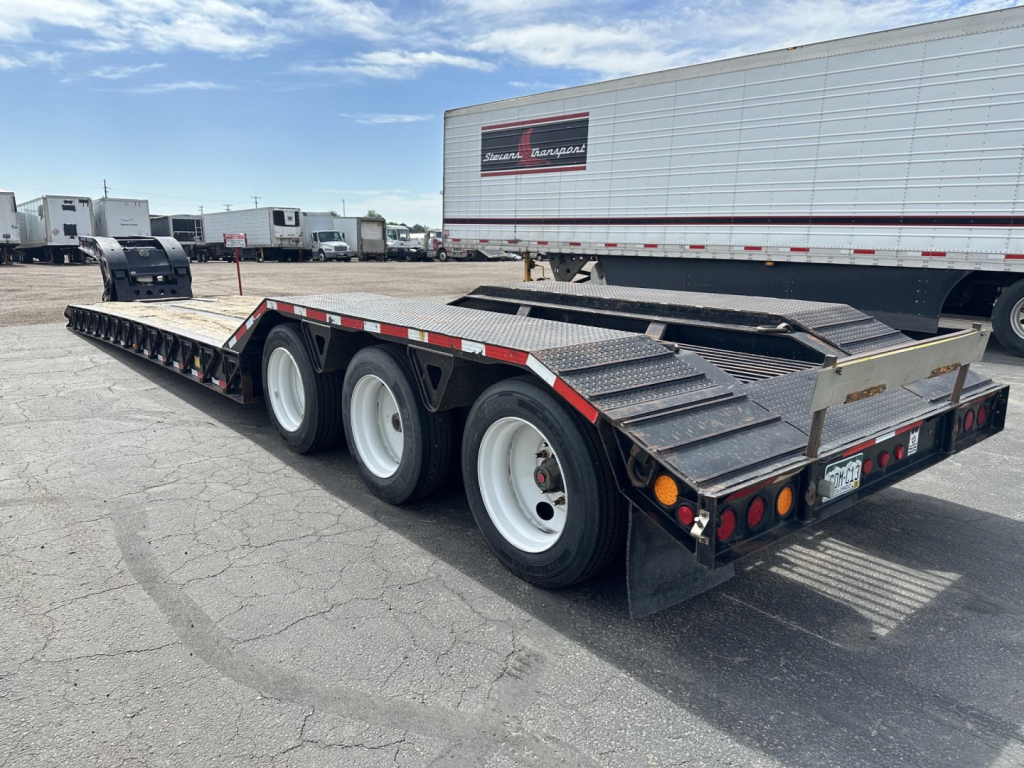
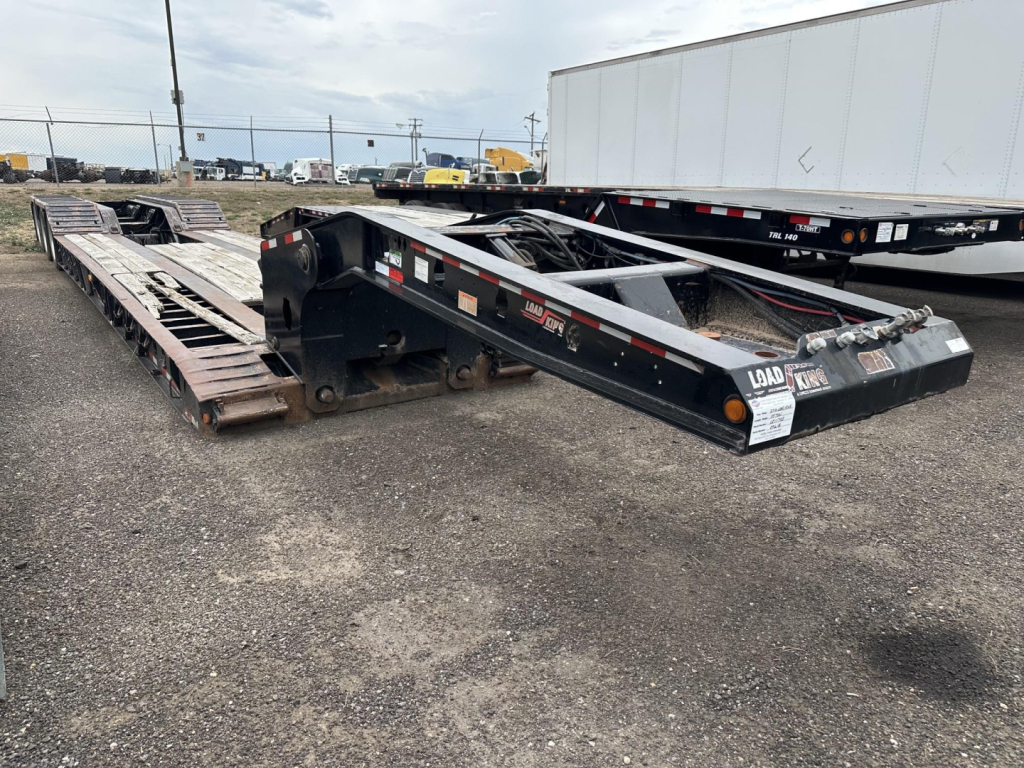
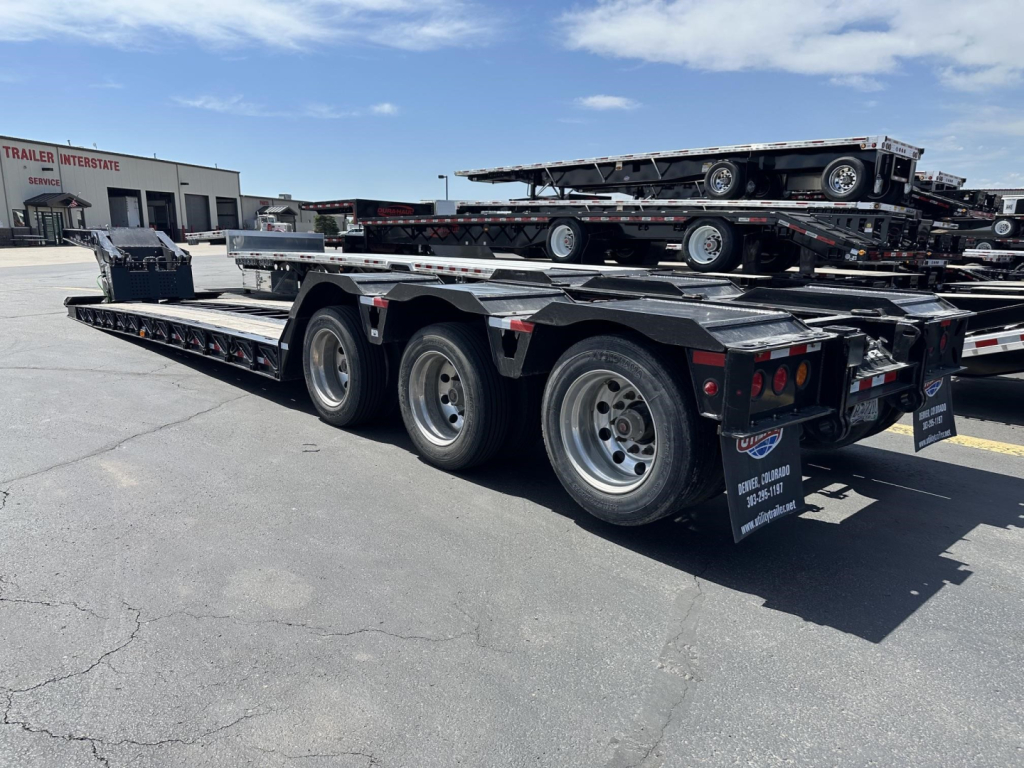
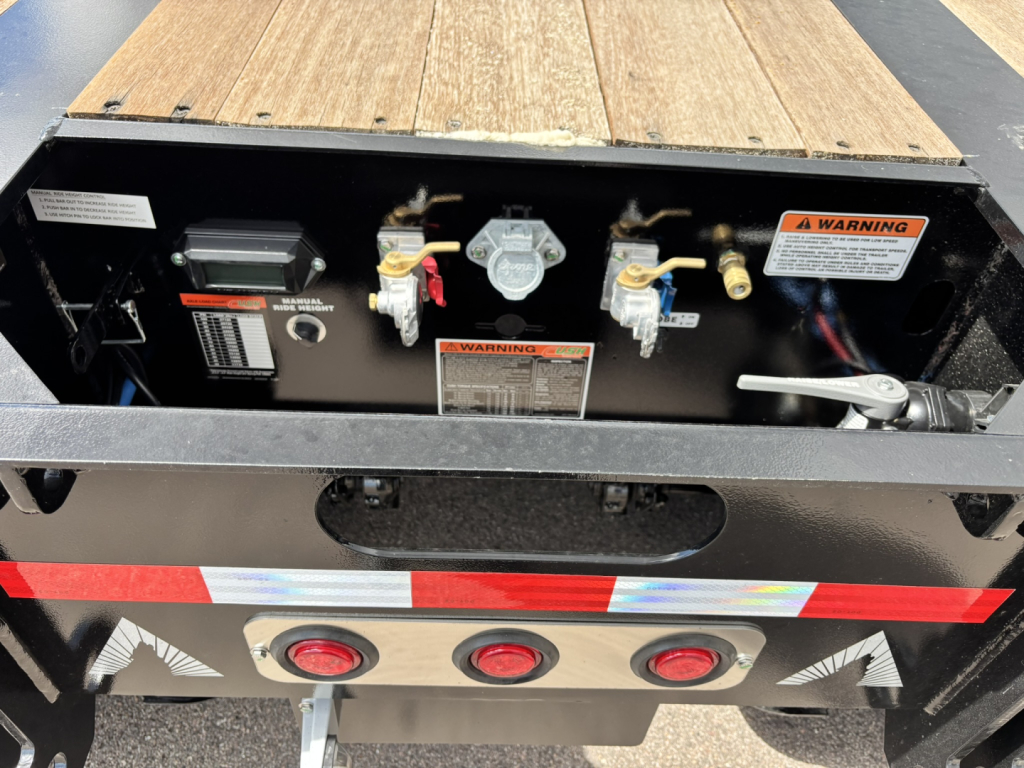
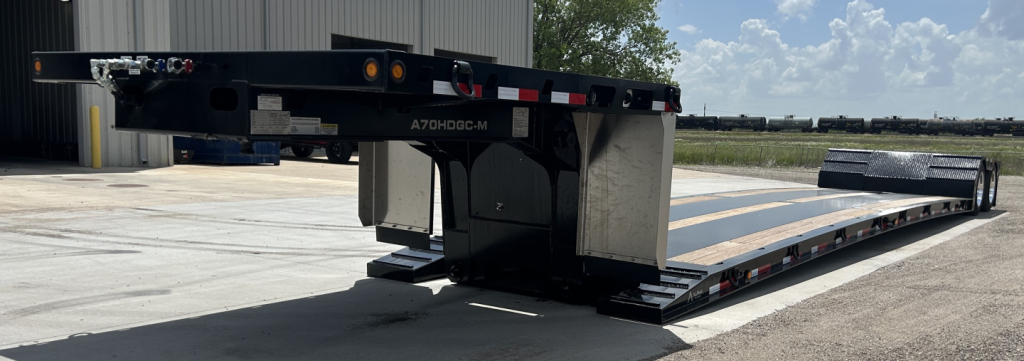
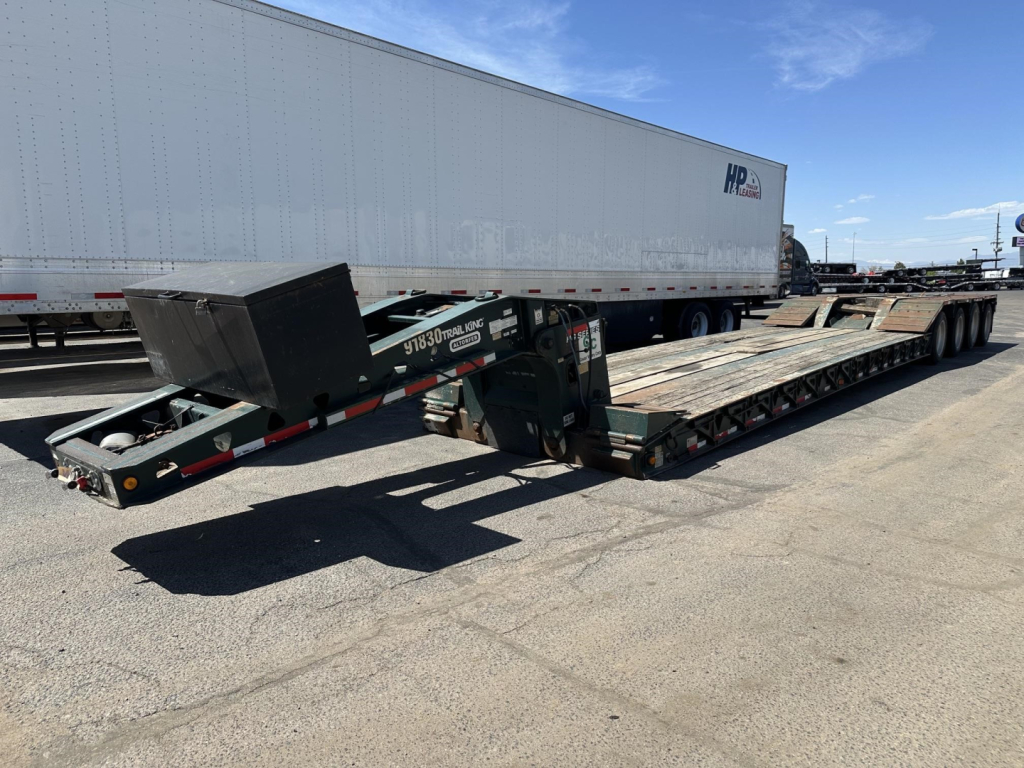
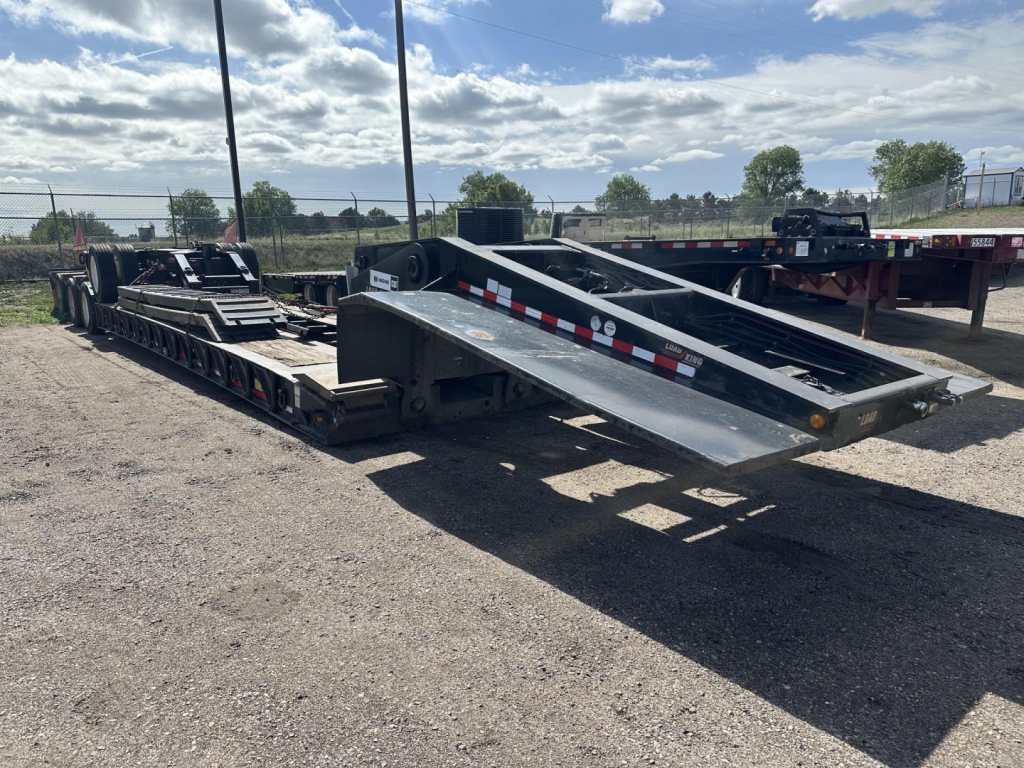
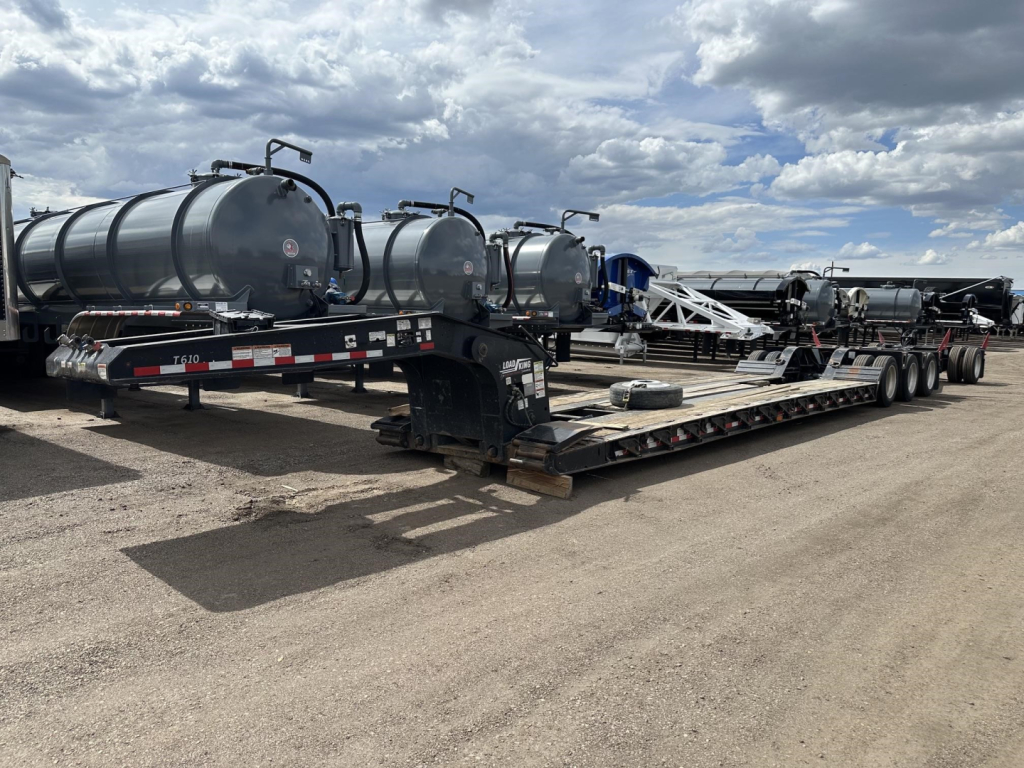
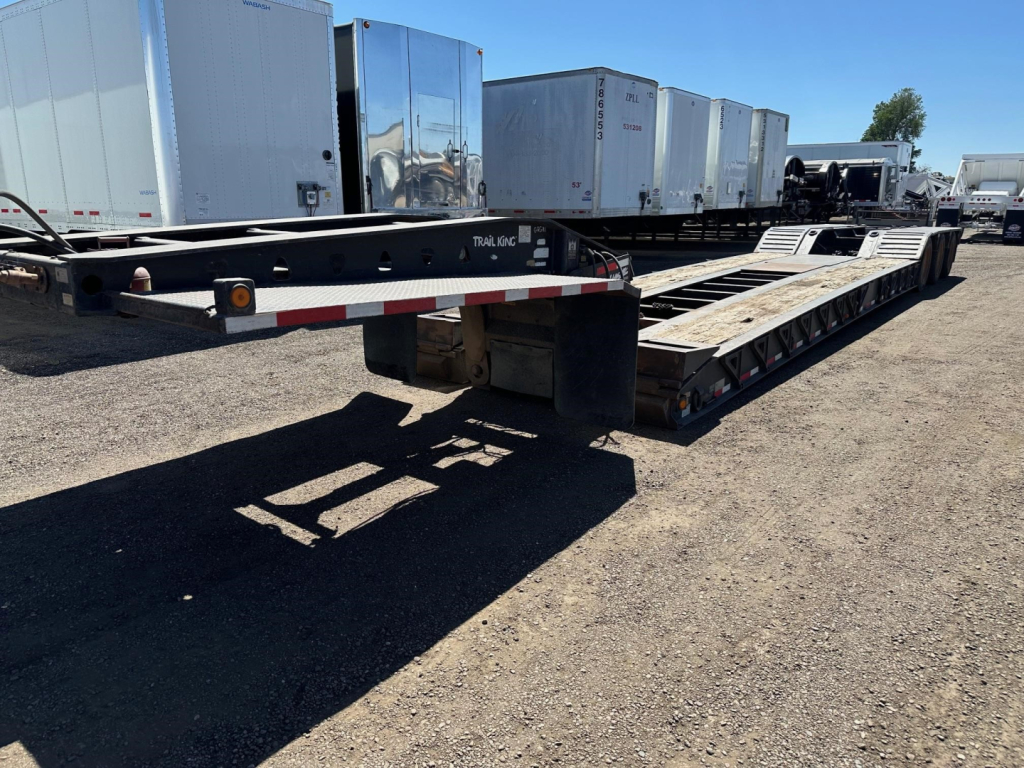
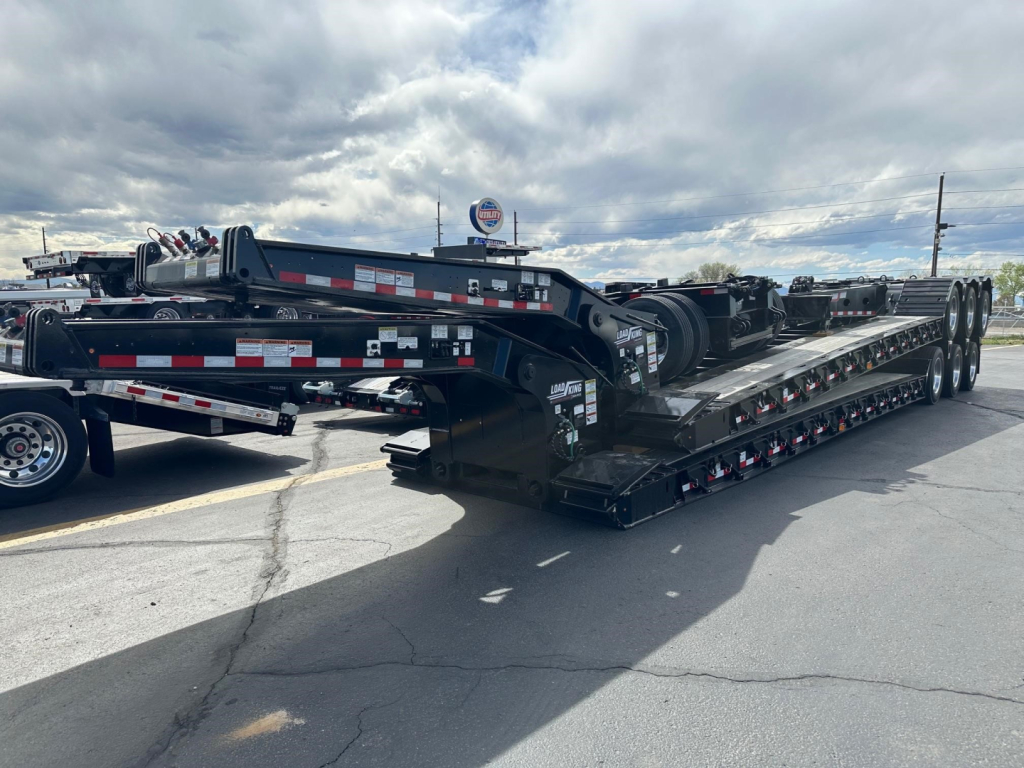
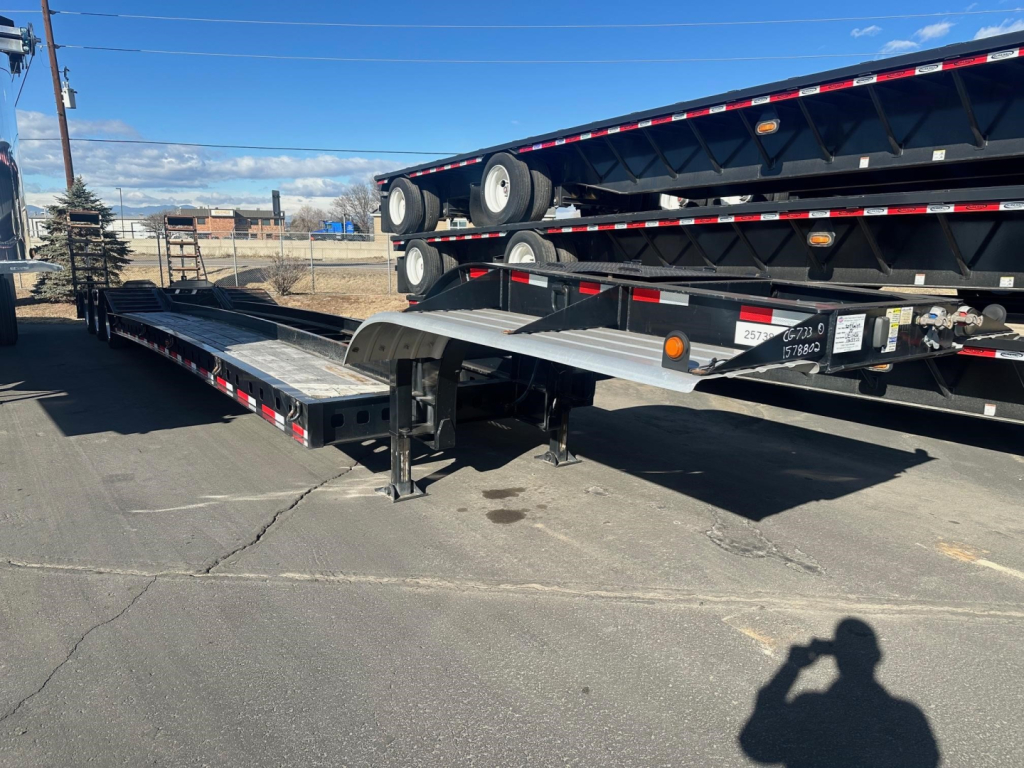
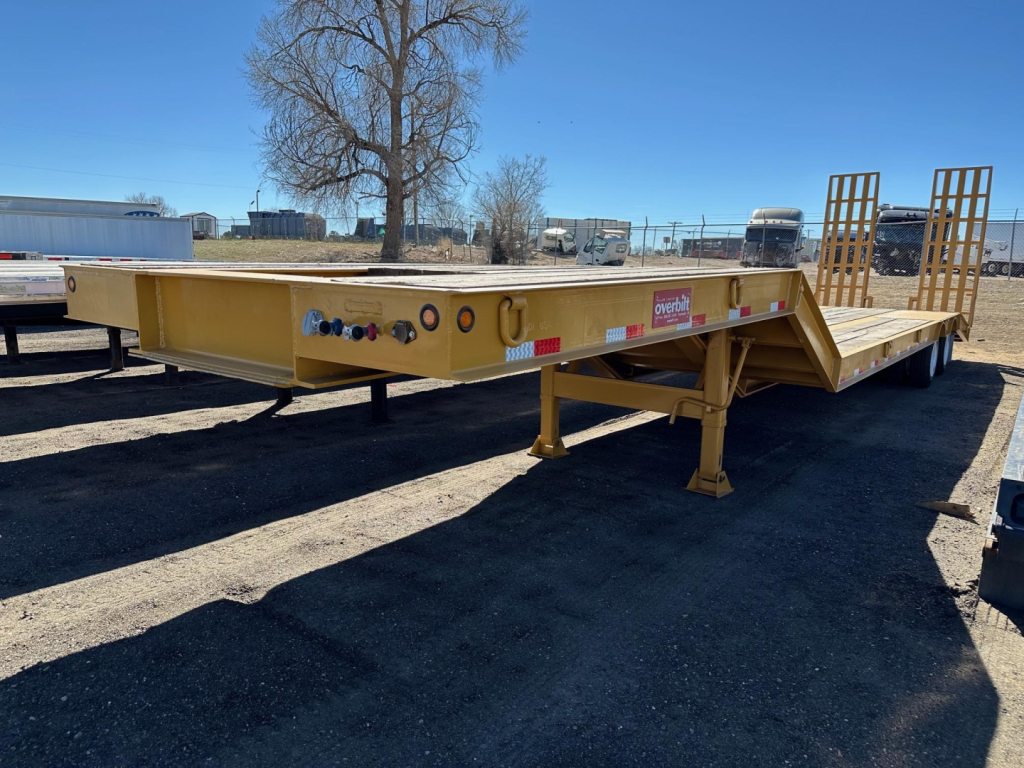
Selling a lowboy trailer? List your lowboy trailer for sale and reach thousands of commercial buyers.
Lowboy Trailers in Colorado
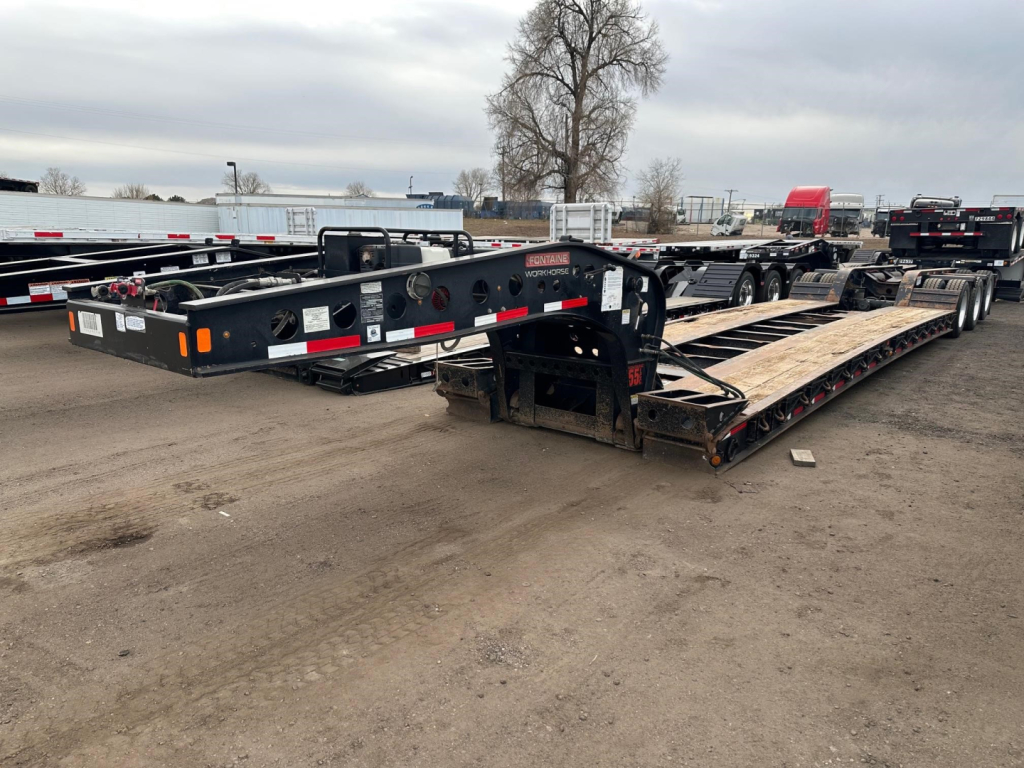
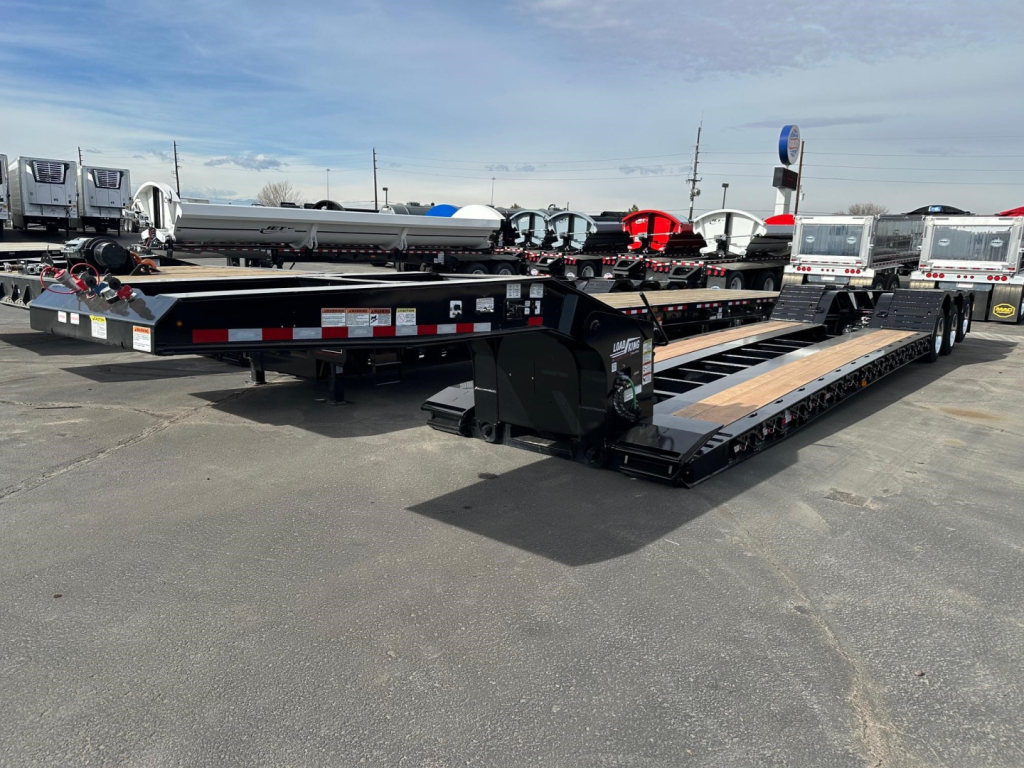
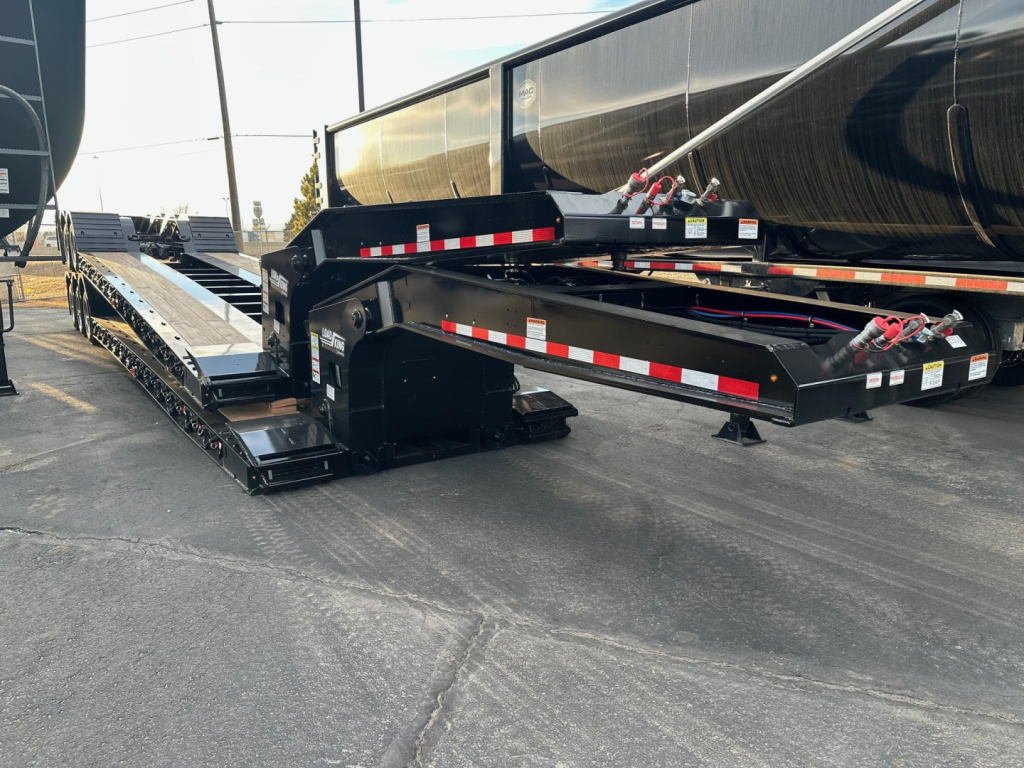
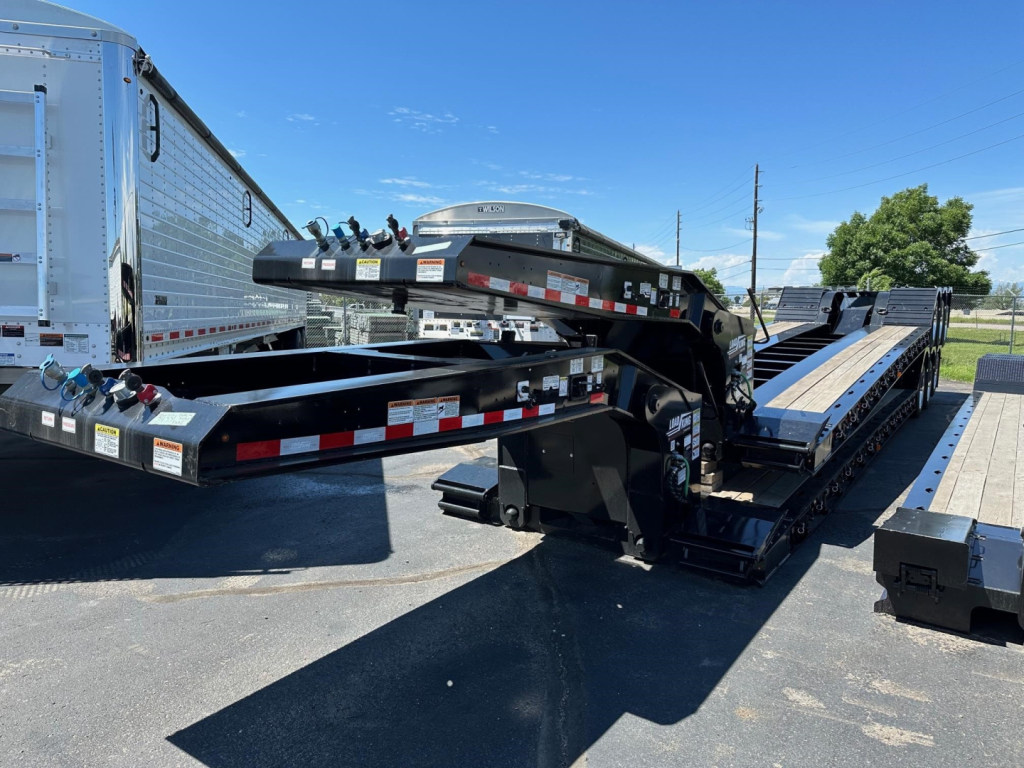
The specs that matter most are concentrated load rating, loaded deck height, kingpin settings, axle group, and suspension. Many lowboys in this category are rated around 110,000 pounds in 12 feet, which is a practical benchmark for contractors hauling larger iron. Tri-axle air ride setups are common, often with a rear lift axle and provisions for a flip axle or fourth axle when bridge laws and permit weight distribution require it. Adjustable ride height is valuable on uneven approaches and job site entries, and two kingpin settings can help balance axle weights across different tractors and payloads. Buyers should also look closely at tire size, wheel package, brake condition, and whether the trailer has a pony motor, wet line hookups, or both. A hydraulic detach neck with its own pony motor can simplify operations when the tractor is not equipped with a PTO or when the trailer will be used with multiple power units.
Deck details separate a basic lowboy from one that works well every day. Apitong or wood decking remains popular for durability and traction, while swing-out outriggers, chain slots on close centers, bent D-rings, and load-bearing fenders expand tie-down options and usable deck width. Boom troughs, bucket wells, front flip ramps, and scraper neck configurations are worth paying attention to if the trailer will carry excavators, wheel loaders, or machines with attachments that need to sit lower in the well. Load-bearing wheel covers and reinforced outer bays matter when operators routinely straddle tracks or place wide equipment over the fenders. Tool trays, work lights, strobes, scale gauges, and battery-backed lighting packages are not cosmetic add-ons on a heavy haul trailer. They save time during loading, help with compliance, and reduce headaches on early morning or roadside setups.
A good lowboy purchase comes down to matching the trailer to the freight, the tractor, and the roads it will actually run. In Colorado, steep grades, variable weather, and strict attention to axle spacing make suspension condition, frame integrity, and detach system performance especially important. Check loaded deck height against the tallest machines in your fleet, verify the well length against track length, and confirm that the neck swing clearance and rear bridge will work with your tractor wheelbase. If future capacity matters, look for trailers already plumbed and wired for flip axles or additional axle attachments. A lowboy that is properly spec'd for your equipment mix will load faster, scale easier, and spend less time fighting permits, clearance issues, and weight distribution problems.
Frequently Asked Questions about Lowboy Trailers in Colorado
What is a lowboy trailer used for?
A lowboy trailer is used to haul heavy equipment and overheight machinery that would sit too tall on a standard flatbed or step deck. Common loads include excavators, bulldozers, motor graders, loaders, pavers, and other construction or agricultural equipment. The dropped deck height is the main advantage because it helps keep overall loaded height lower for legal travel or easier permitting.
What capacity should I look for in a lowboy trailer?
Capacity depends on the heaviest machine you plan to move and how that weight is distributed across the deck. Many buyers shop 35 ton, 50 ton, or 55 ton lowboys, but the more important number is the concentrated load rating, such as 110,000 pounds in 12 feet. That rating tells you more about real-world equipment hauling than a broad tonnage label alone.
Is a hydraulic detachable gooseneck better than a fixed neck lowboy?
A hydraulic detachable gooseneck is usually the preferred setup for equipment loading because the front of the trailer detaches and allows machines to be driven directly onto the deck. That reduces loading angle issues and improves safety for tracked equipment. A fixed neck can still work in some applications, but detach designs are more versatile for mixed heavy equipment fleets.
What features matter most on a used lowboy trailer?
The highest-value inspection points are frame condition, neck operation, deck wear, suspension performance, axle alignment, brakes, tires, and all hydraulic and electrical systems. Buyers should also inspect outriggers, D-rings, chain slots, fenders, and load-bearing areas for cracks, bends, or repairs. On detachable lowboys, smooth neck engagement and reliable hydraulic function are critical because downtime at loading is expensive.
Do I need a flip axle or lift axle on a lowboy trailer?
A flip axle or lift axle is often useful when hauling heavier equipment that requires better weight distribution to meet bridge laws and permit requirements. A rear lift axle can improve flexibility when running empty or lightly loaded, while a flip axle can add carrying capacity for specific loads. If your freight changes often, a trailer with provisions for extra axle connections gives you more room to adapt.