
Trail King Lowboy Trailers For Sale in Colorado
Shop Trail King lowboy trailers for sale in Colorado. Compare RGN, 50-55 ton capacity, well length, axle setups, and deck features.
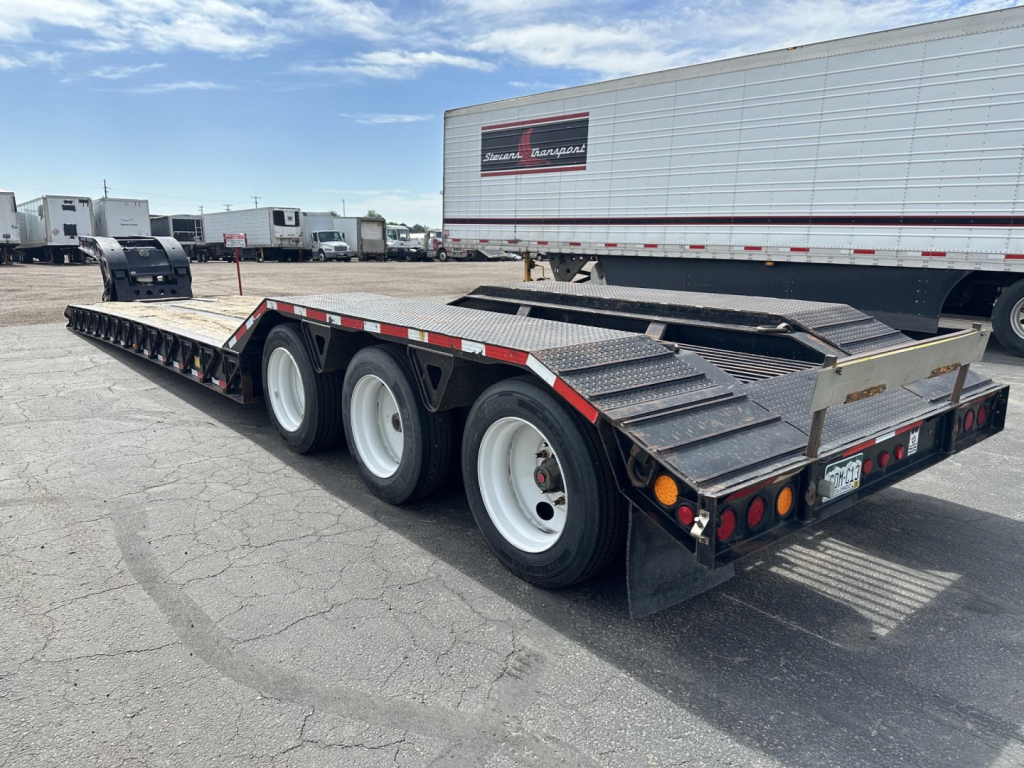
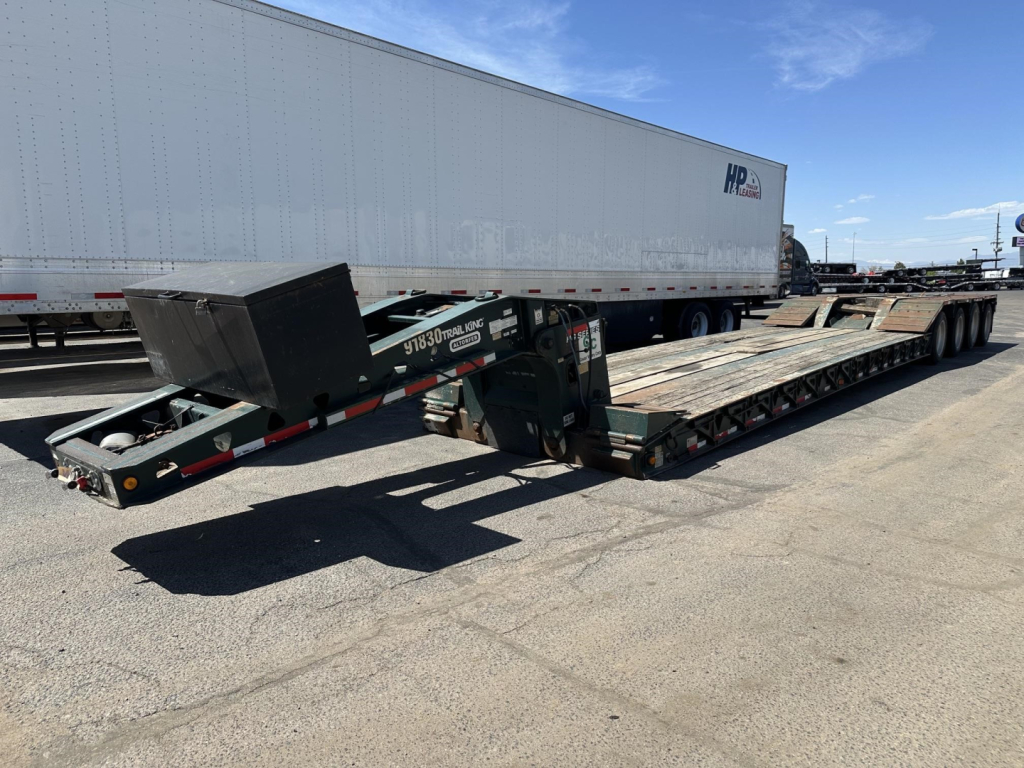
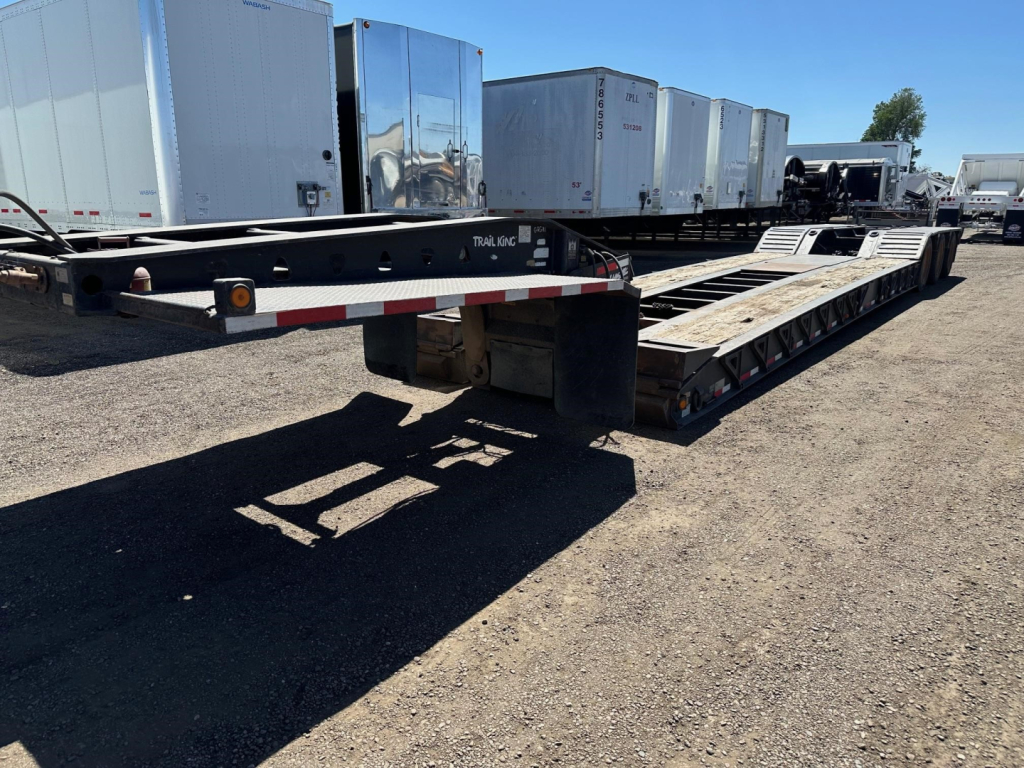
Selling a trail king lowboy trailer? List your trail king lowboy trailer for sale and reach thousands of commercial buyers.
Trail King Lowboy Trailers in Colorado
The first buying decision is usually capacity and deck configuration. Common Trail King lowboy trailers in this class fall around 50-ton to 55-ton ratings, often with 24-foot to 25-foot-plus well lengths and 102-inch overall width. That setup fits a wide range of mid-size and larger iron without stepping into a much heavier platform trailer. A longer well helps with machine placement, axle weight distribution, and carrying equipment with long track frames or attachments. Buyers should also look closely at kingpin settings, loaded deck height, beavertail design, and whether the trailer has load-bearing fenders, because those details affect how easily different machines can be positioned and how well the trailer scales out.
Axle group and suspension matter just as much as rated capacity. Tri-axle Trail King lowboys are common, often paired with air ride suspension, rear lift axles, or flip axle capability when extra capacity or bridge compliance is needed. Adjustable ride height can be valuable on uneven approaches and steep loading angles, especially in rough terrain or when crossing transitions. Tire size, wheel material, and brake condition are practical inspection points on any used lowboy, but on this brand buyers also tend to pay attention to outriggers, recessed D-rings, traction cleats, and ramp condition because these are the features that directly affect daily usability. Pony motors are another frequent spec in this category, giving hydraulic power for the gooseneck without depending entirely on truck PTO configuration.
Decking and securement details separate one heavy haul trailer from another. Wood deck sections are common and easy to service, while outriggers expand flexibility for wider machines or awkward loads. Toolboxes, flag holders, strobes, and front load ramps all add convenience, but structural condition is the priority. Check the neck area, deck crossmembers, axle alignment, suspension components, and any signs of concentrated stress around the well and transition points. For buyers comparing Trail King lowboy trailers for sale, the best choice is usually the one with the right well length, axle package, and hydraulic setup for the machines actually being moved, not simply the highest ton rating on paper.
Frequently Asked Questions about Trail King Lowboy Trailers in Colorado
What is the advantage of a Trail King lowboy with a hydraulic removable gooseneck?
A hydraulic removable gooseneck, or RGN, lets the trailer detach at the front so equipment can be driven directly onto the deck from ground level. That is a major advantage for tracked machines, paving equipment, and other heavy machinery that is difficult or unsafe to load over rear ramps. It also improves loading efficiency and can reduce the loading angle compared with fixed-neck lowboy designs.
What capacity range is common for Trail King lowboy trailers?
A common range in this category is 50-ton to 55-ton capacity, often configured with a tri-axle setup and options for a lift axle or flip axle. That capacity range is popular because it covers a broad mix of construction and aggregate equipment without requiring the much heavier trailer tare weight and added operating cost of larger specialized heavy haul platforms. Actual usable capacity still depends on axle configuration, trailer weight, and how the load scales across the deck.
Why does well length matter on a lowboy trailer?
Well length affects how easily you can position equipment for proper weight distribution and legal axle loading. A 24-foot to 25-foot-plus well is common on Trail King lowboys because it gives enough deck space for many excavators, dozers, and similar machines while keeping the center of gravity low. If the well is too short for your equipment, it becomes harder to place the load correctly and harder to stay within bridge and axle limits.
Are air ride and lift axles useful on a lowboy trailer?
Yes. Air ride suspension can improve stability and ride quality for both the trailer and the equipment being hauled, especially on rough roads and long trips. A rear lift axle or flip axle can help with heavier loads, bridge compliance, and weight distribution when the trailer is used near the upper end of its rating. These features are especially useful in states and regions where route conditions and permit requirements can vary significantly.
What should buyers inspect first on a used Trail King lowboy?
Start with structural condition. Inspect the gooseneck, main frame, crossmembers, deck transitions, outriggers, and axle area for cracks, repairs, corrosion, or signs of overloading. Then evaluate the hydraulic system, pony motor or PTO hookups, suspension, brakes, tires, and securement points such as D-rings. A lowboy can have strong specs on paper, but condition and maintenance history determine how well it will perform in real heavy haul service.