
Trail King Lowboy Trailers For Sale
Browse Trail King lowboy trailers with hydraulic detachable goosenecks, 35 to 55 ton ratings, air ride suspensions, and heavy equipment hauling specs.
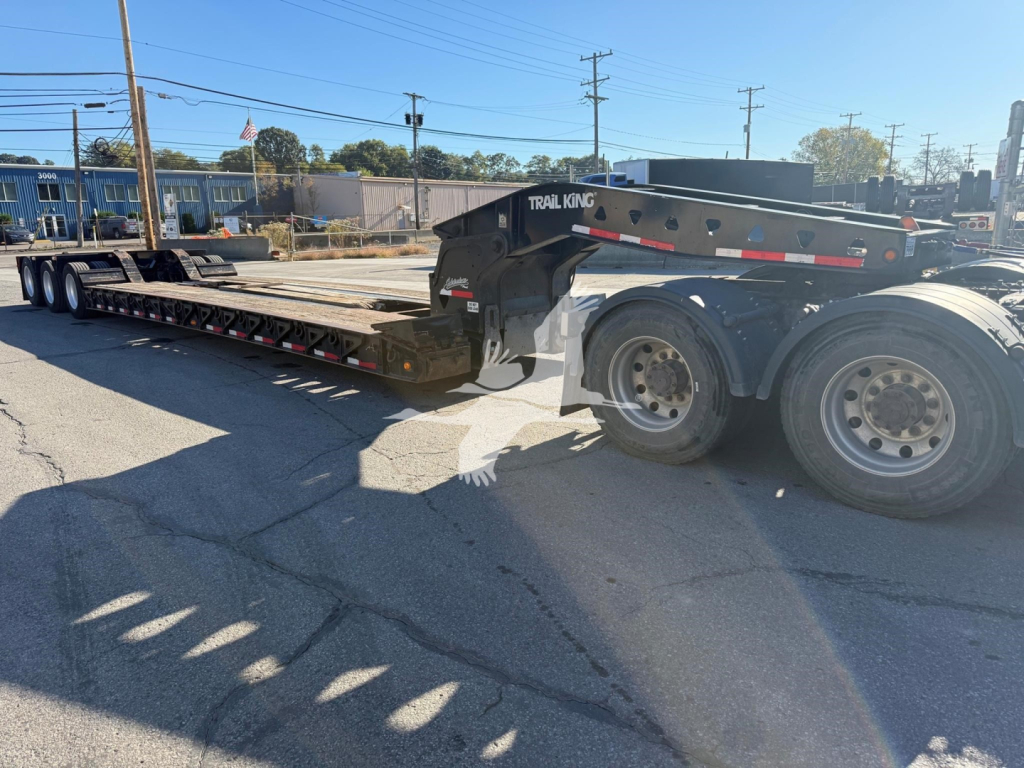
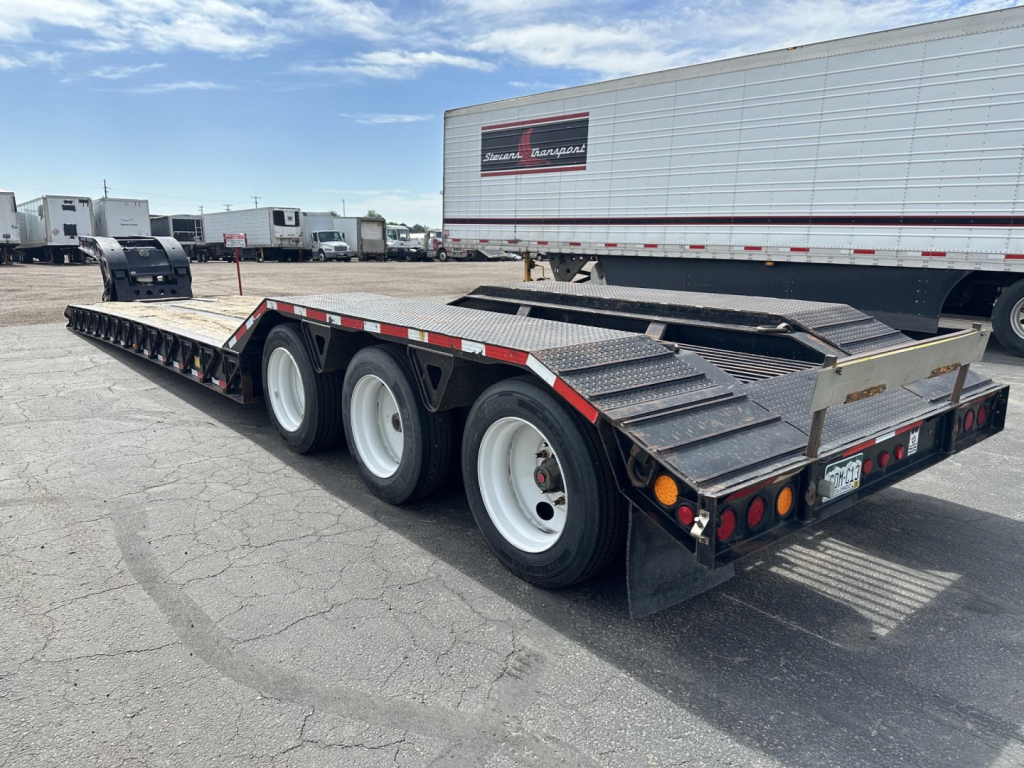
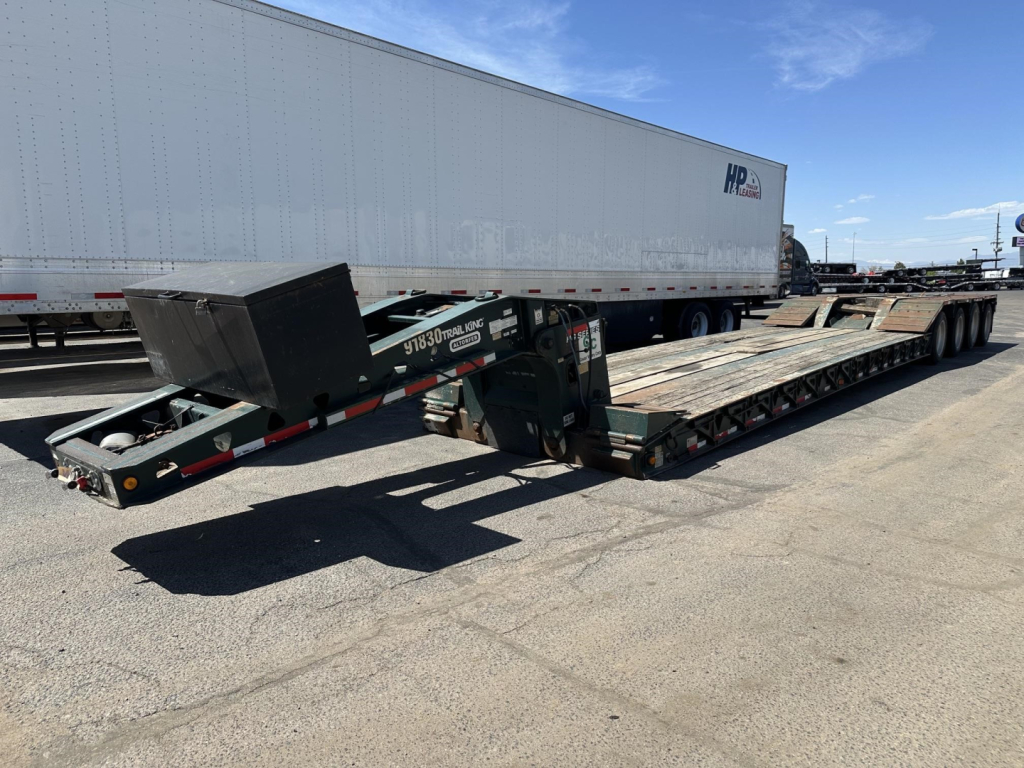
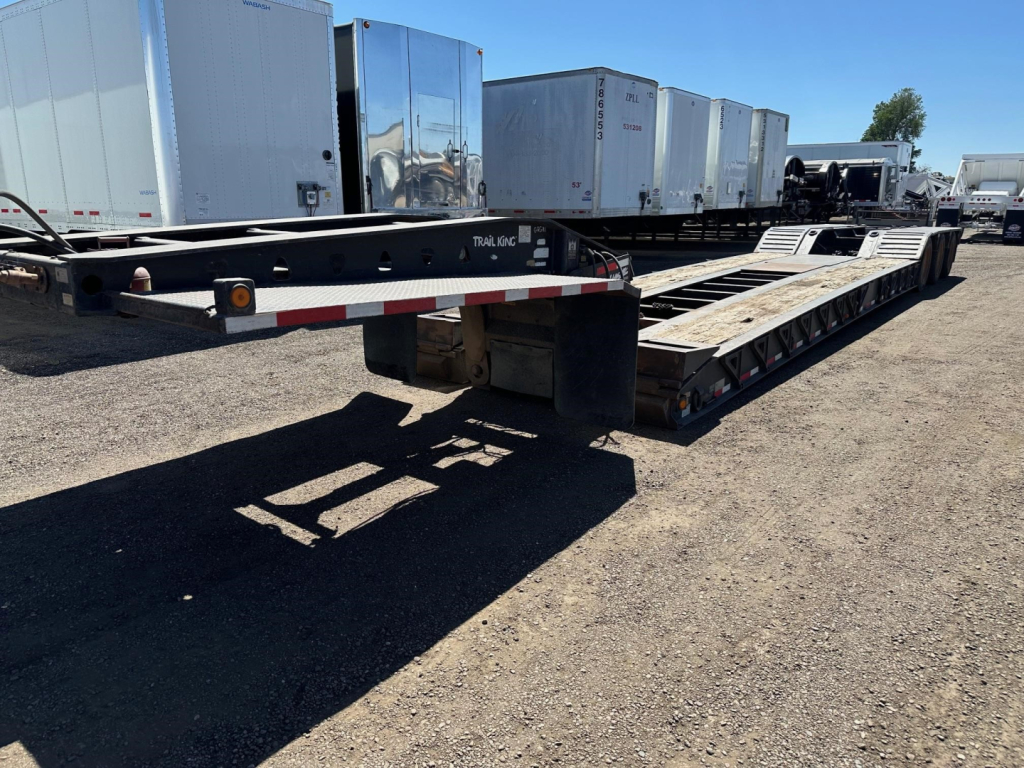
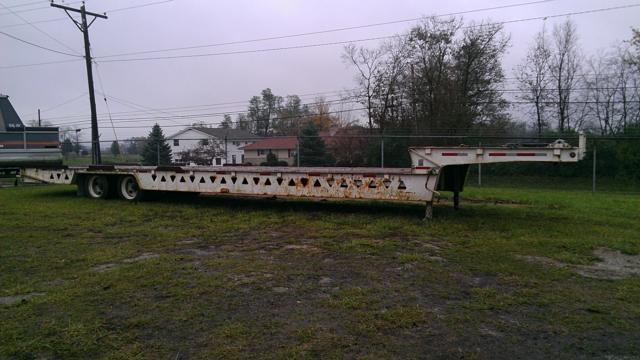
Selling a trail king lowboy trailer? List your trail king lowboy trailer for sale and reach thousands of commercial buyers.
Trail King Lowboy Trailers
Capacity rating is only the starting point. A serious buyer should compare the rating in the loaded position, the concentrated load capacity over a given section of deck, axle group layout, and whether the trailer is set up for a flip axle or fourth axle connection. Many Trail King lowboys are equipped with air ride suspension, adjustable ride height, swing-out outriggers, D-rings, boom wells, and bucket pockets or bucket wells. Those features matter in day-to-day use because they affect how easily you can load wide-track machines, secure attachments, and stay within bridge and axle limits. Hydraulic necks with pony motor or PTO hookups can also make a difference if the trailer will be used behind multiple tractors.
Deck construction and wear points deserve close attention on used Trail King lowboys. Wood or Apitong decking is common, and steel perimeter beam construction is typical on heavy-haul models. Buyers should inspect crossmember spacing, deck support in high-stress areas, kingpin setting, neck and fifth-wheel contact surfaces, suspension condition, brake percentage, and tire size compatibility across the axle group. On equipment trailers that have spent years loading tracked machines, it is also smart to check ramp assemblies, rear deck structure, wheel areas, scuff points around the outriggers, and any evidence of frame repairs or concentrated load damage.
Trail King has a strong reputation in the lowboy market because these trailers are usually spec'd for real construction, aggregate, and contractor service instead of light occasional use. The right trailer depends on the machines being hauled, route restrictions, and whether detach speed or maximum versatility matters more. A 35 ton tandem-axle hydraulic detach can be a practical fit for mixed fleet work, while a 55 ton tri-axle with lift axle provisions, boom trough, and adjustable ride height is better suited for larger excavators and more demanding heavy equipment moves. When comparing listings, focus on capacity, well length, neck style, axle setup, and added heavy-haul features before paint or model year.
Frequently Asked Questions about Trail King Lowboy Trailers
What is the advantage of a Trail King lowboy trailer over a standard flatbed?
A Trail King lowboy trailer provides a much lower deck height than a standard flatbed, which allows taller equipment to move with better legal height compliance and improved stability. That matters for excavators, dozers, loaders, and similar machines that would ride too high on a flatbed. Many Trail King lowboys also use a detachable gooseneck, which makes loading self-propelled equipment safer and faster than using long loading ramps on a conventional trailer.
What capacity range is common for Trail King lowboy trailers?
A common range in this category is 35 ton to 55 ton, though exact payload capability depends on axle count, deck design, and how the manufacturer rates the trailer in a specific load zone. Buyers should not rely only on the headline ton rating. It is important to verify the trailer's concentrated load rating, GVWR, axle ratings, and any flip axle or jeep compatibility if the trailer will be used in heavier or permit-required applications.
What features should I look for on a used Trail King lowboy?
Important features include a hydraulic detachable gooseneck, air ride suspension, proper kingpin setting, swing-out outriggers, D-rings, boom trough or boom well, bucket well, and connections for lift or flip axles if heavier hauling is planned. Condition is just as important as equipment. Check decking wear, crossmembers, neck operation, tire and brake life, suspension components, and signs of structural repair around the loaded deck, rear bridge, and axle group.
Is a tandem axle or tri-axle Trail King lowboy better?
A tandem axle lowboy is often simpler and lighter, which can make it a good fit for 35 ton class hauling and mixed regional work. A tri-axle setup generally supports heavier machines, improves load distribution, and may give more flexibility for axle weights and permitting, especially when paired with a lift axle or flip axle provisions. The better choice depends on the typical machine weight, state bridge rules, and how often the trailer runs in permit loads versus legal loads.
Why do well length and deck height matter on a lowboy trailer?
Well length determines how comfortably the machine fits between the neck and rear deck, especially for excavators with long track frames or attachments. Deck height directly affects overall loaded height, center of gravity, and route flexibility. A low loaded deck height in the 20 to 22 inch range can be a major advantage when hauling tall equipment under height restrictions, while a longer well provides more room to position the load for proper axle weight distribution.