
Pneumatic - Dry Bulk Trailers For Sale in Colorado
Shop pneumatic dry bulk trailers for sand, cement, lime, fly ash, and food-grade powders. Compare cu ft, hoppers, discharge lines, and specs.
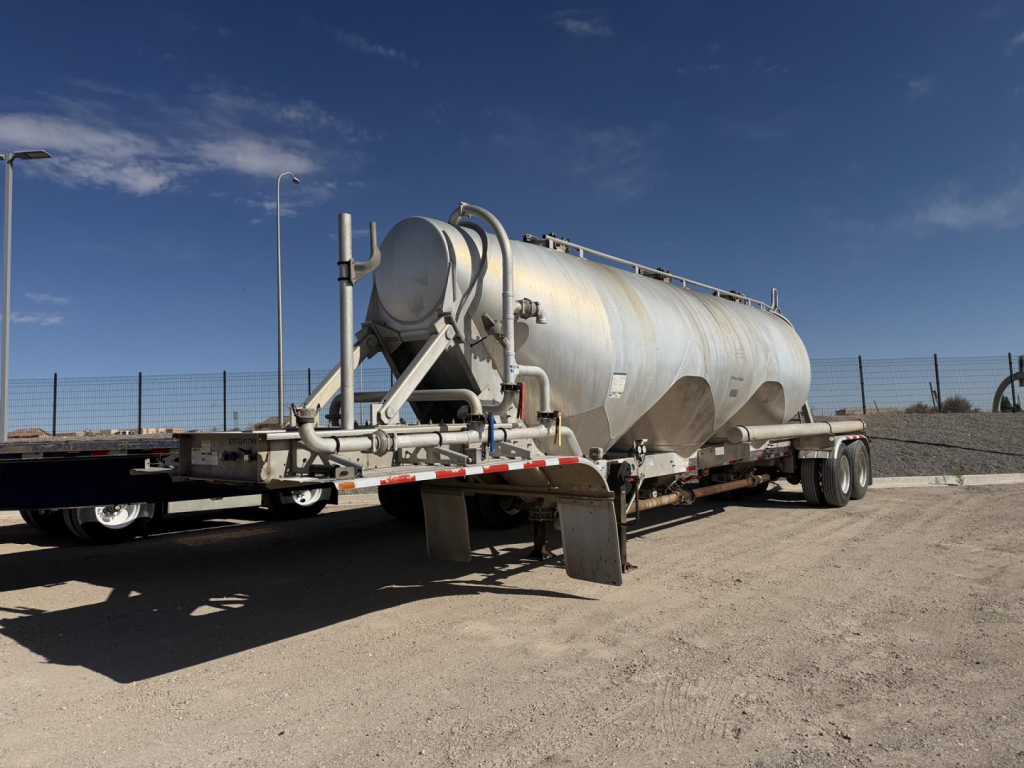
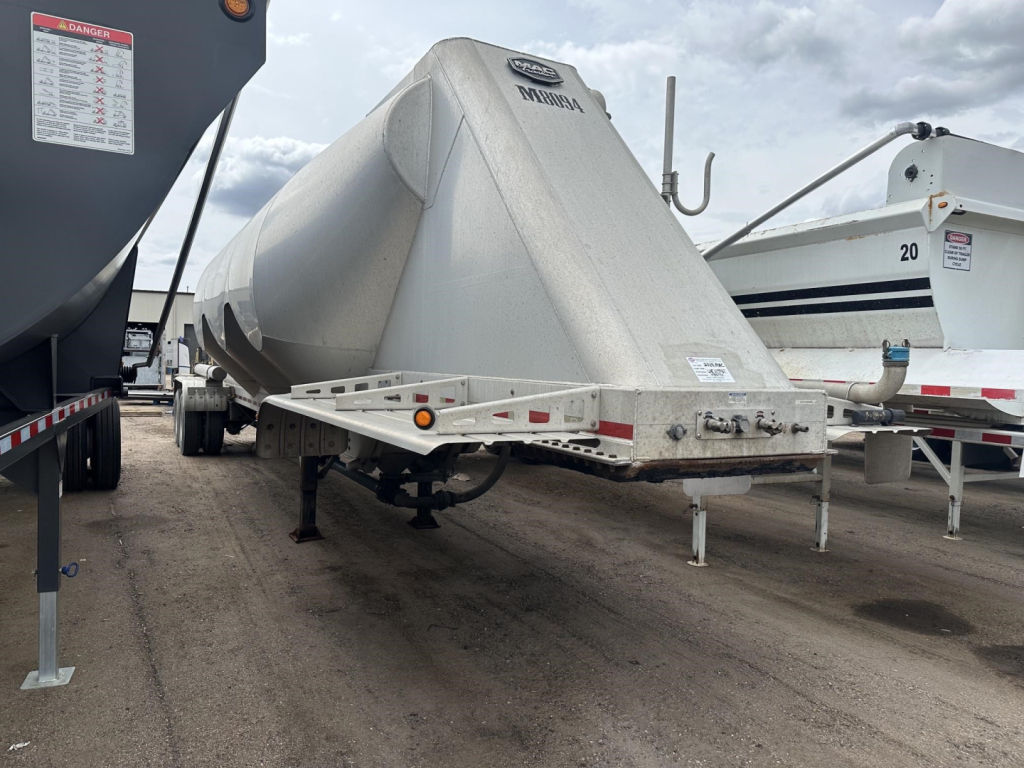
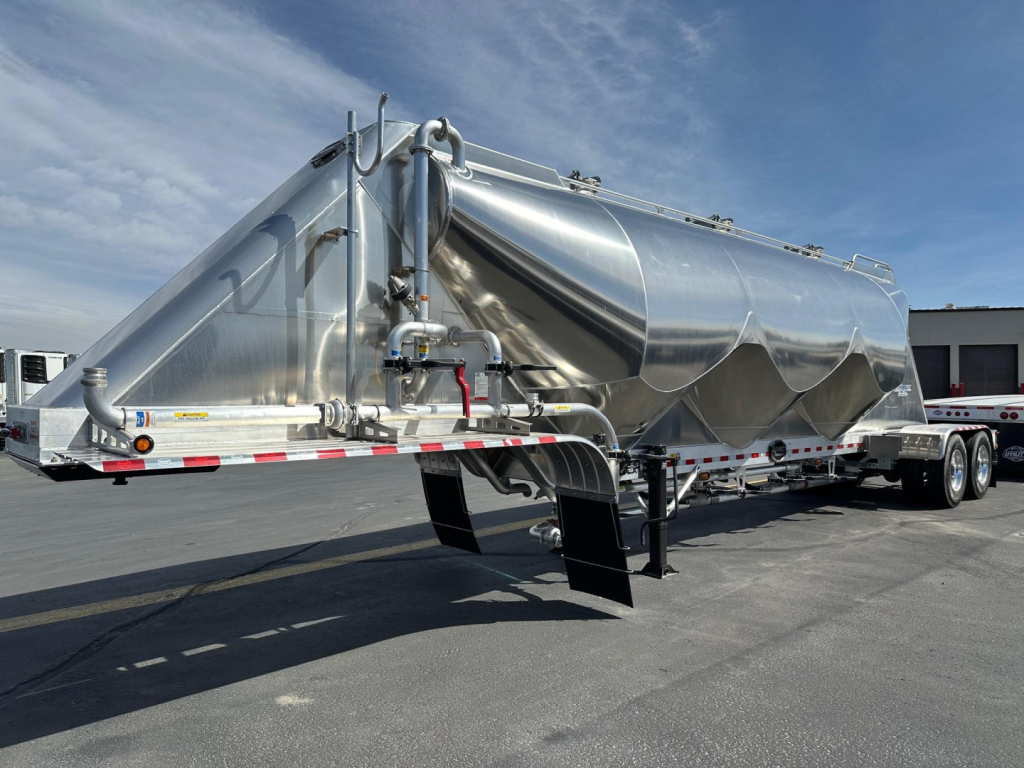
Selling a pneumatic - dry bulk trailer? List your pneumatic - dry bulk trailer for sale and reach thousands of commercial buyers.
Pneumatic - Dry Bulk Trailers in Colorado
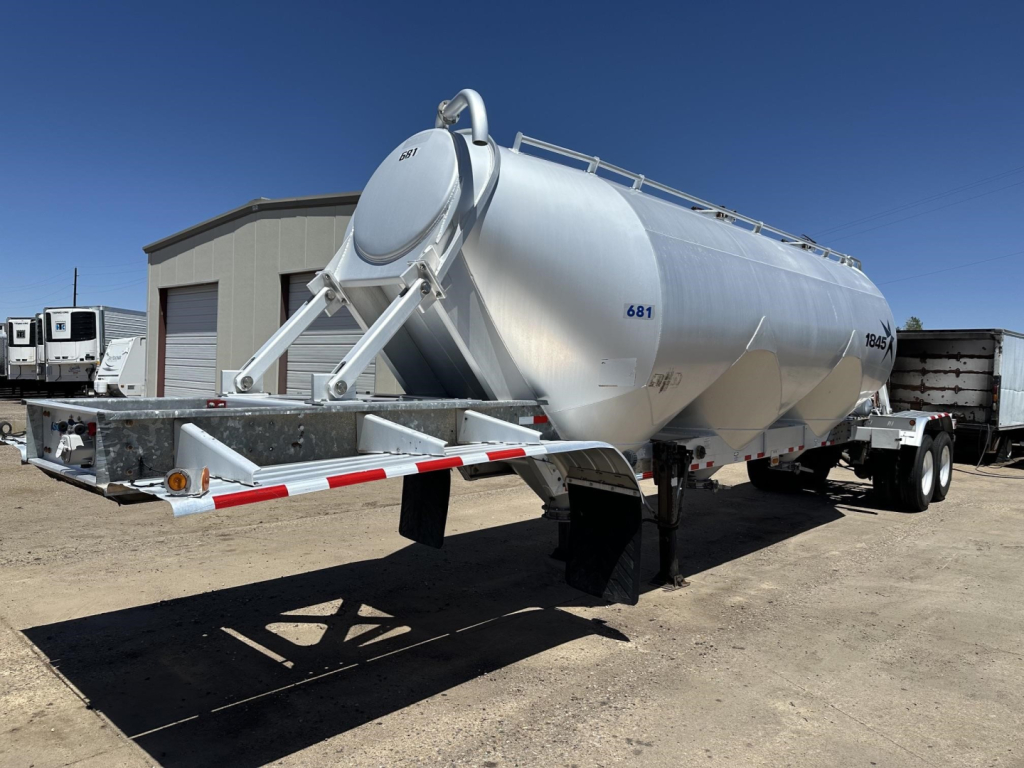
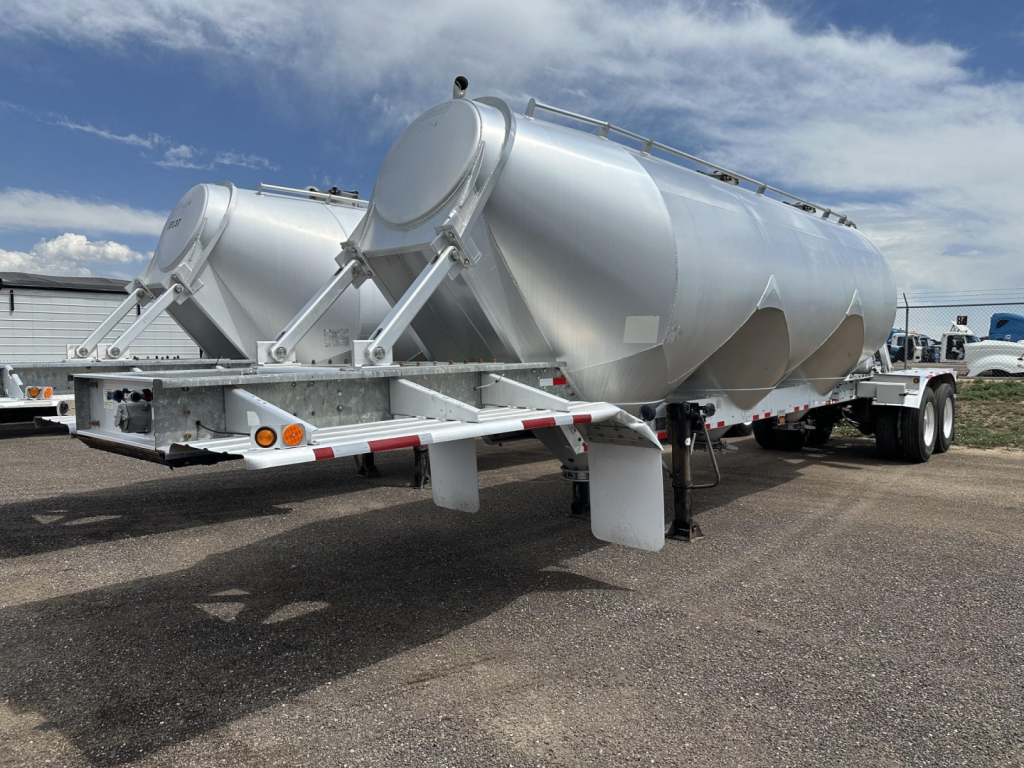
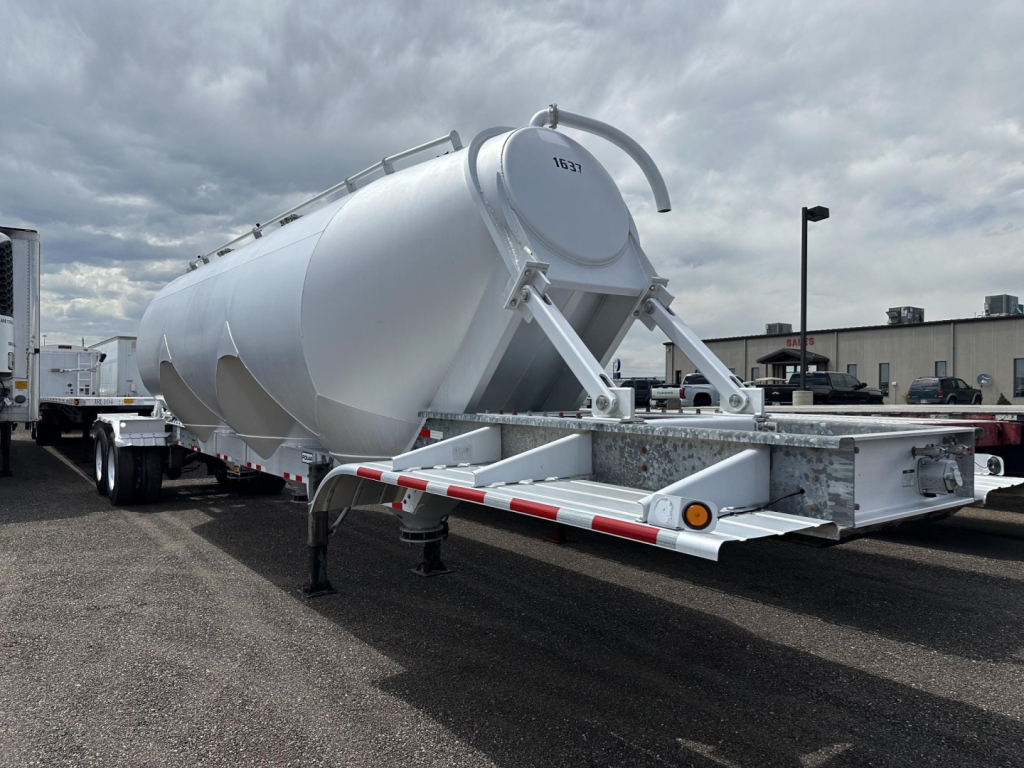
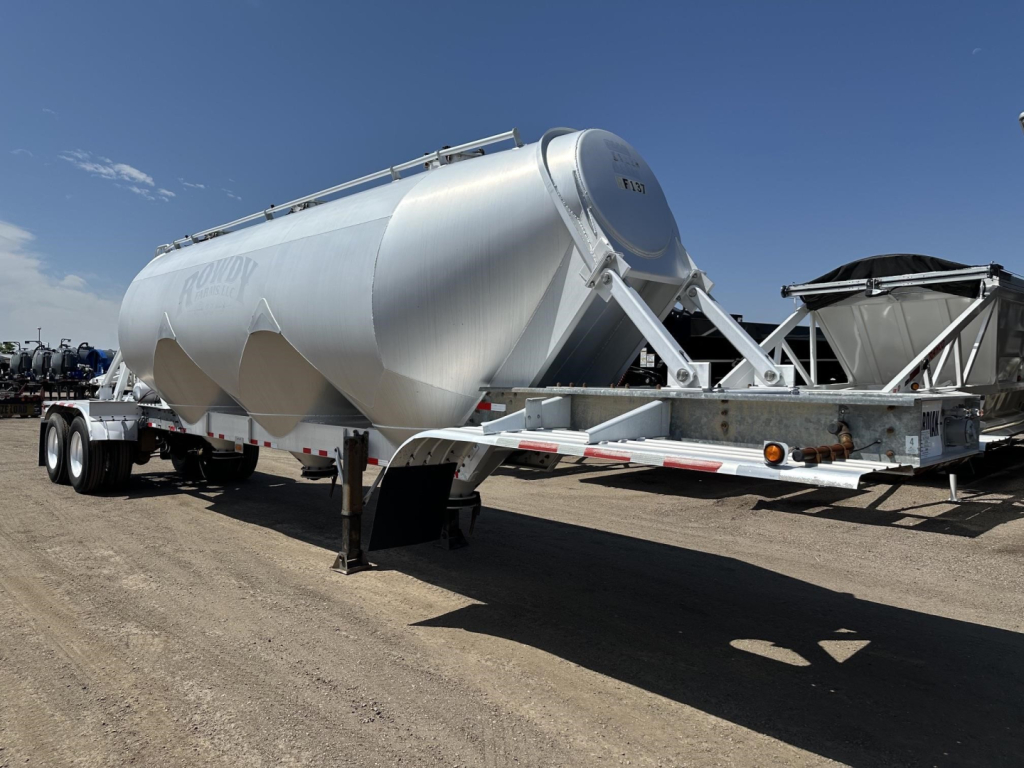
Capacity, commodity, and unload speed are the first buying decisions. Many dry bulk trailers in this class fall around 1,000 to 1,600 cubic feet, with 42- to 44-foot lengths and tandem axle layouts. Lower-cube trailers are common in heavier commodities like cement or sand where payload is limited by weight before volume. Higher-cube trailers make more sense for lighter products such as flour, starch, or plastic pellets, especially in food-grade service. Hopper count also matters. Two-hopper and three-hopper designs affect cleanout, flow characteristics, and how evenly the trailer carries product. Rear discharge is standard on many setups, but line size, valve arrangement, and tee design have a direct effect on unload time and product handling.
Construction details deserve close attention because they affect both tare weight and maintenance. Aluminum barrels, piping, and wheels help keep weight down, while steel tees or specialty sand tees may be chosen for abrasion resistance in harsh service. Air ride suspension is common because it protects the trailer and helps with ride quality on uneven roads and plant entrances. Buyers should also look at adjustable coupler settings, closed tandem axle placement, landing gear spec, ladder and safety rail setup, hose tube capacity, work lights, and whether controls are grouped on the roadside. For mountain and high-plains operation in Colorado, trailer weight, axle spread, and plumbing durability can have a real impact on productivity and service life.
Food-grade pneumatic trailers need a different level of scrutiny than general bulk units. Dome lids, aeration systems, filter canisters, top-air setups, smooth product contact surfaces, and clean piping layouts all matter if the trailer will haul edible powders or sensitive materials. For industrial commodities, wear areas such as hopper cones, discharge plumbing, valves, and tees should be inspected closely, especially on units that have hauled abrasive sand or cement. The best trailer for the job is usually the one matched to the commodity's density, required unload rate, discharge system, and cleaning standard, not just the highest cubic-foot number on the sheet.
Frequently Asked Questions about Pneumatic - Dry Bulk Trailers in Colorado
What is a pneumatic dry bulk trailer used for?
A pneumatic dry bulk trailer is used to haul dry powders and granulated commodities that unload through air pressure and product piping. Common loads include cement, lime, fly ash, sand, plastic resin, flour, sugar, and similar materials. Instead of raising the trailer body like a dump, the product is pushed out through discharge lines into a silo, storage tank, or plant system.
How do I choose the right cubic foot capacity for a dry bulk trailer?
The right capacity depends on product density and legal payload, not just trailer size. Heavy products such as cement, lime, and sand usually max out on weight before a large barrel is full, so 1,000 to 1,100 cubic foot trailers are common. Lighter commodities such as flour, starch, or some food-grade powders can justify 1,400 to 1,600 cubic foot units because the operation can use more of the barrel volume without hitting gross weight limits.
What is the difference between a food-grade pneumatic trailer and a standard dry bulk trailer?
A food-grade pneumatic trailer is designed for sanitary transport of edible or sensitive products. These units typically have cleaner product contact surfaces, food-grade seals and fittings, better cleanout capability, and aeration or filtration components suited to contamination-sensitive loads. A standard industrial dry bulk trailer may be perfectly suitable for cement, sand, or fly ash but may not meet the cleaning and material handling requirements of food service.
Which specs matter most when comparing pneumatic dry bulk trailers?
The most important specs are cubic foot capacity, hopper count, discharge line size, piping material, tee design, suspension type, axle configuration, and overall tare weight. Commodity-specific details also matter. Abrasive products may need more durable tees and plumbing, while food-grade service may require specialized aeration, filters, and sanitary product paths. Buyers should also evaluate coupler adjustability, hose storage, control layout, and safety access features because those details affect daily use.
Are aluminum pneumatic trailers better than steel for dry bulk work?
Aluminum pneumatic trailers are popular because they reduce tare weight and can improve payload potential, which is important in bulk hauling. They also resist corrosion well in many applications. Steel still has advantages in certain high-wear components, especially where abrasive materials attack the plumbing and discharge system. In practice, many well-spec'd dry bulk trailers use aluminum for the main structure and selected steel or heavy-duty components where added wear resistance is needed.