
Polar Pneumatic - Dry Bulk Trailers For Sale in Colorado
Browse Polar pneumatic dry bulk trailers with specs buyers want, including cubic capacity, hopper layout, suspension, discharge setup, and axle options.
Selling a polar pneumatic - dry bulk trailer? List your polar pneumatic - dry bulk trailer for sale and reach thousands of commercial buyers.
Polar Pneumatic - Dry Bulk Trailers in Colorado
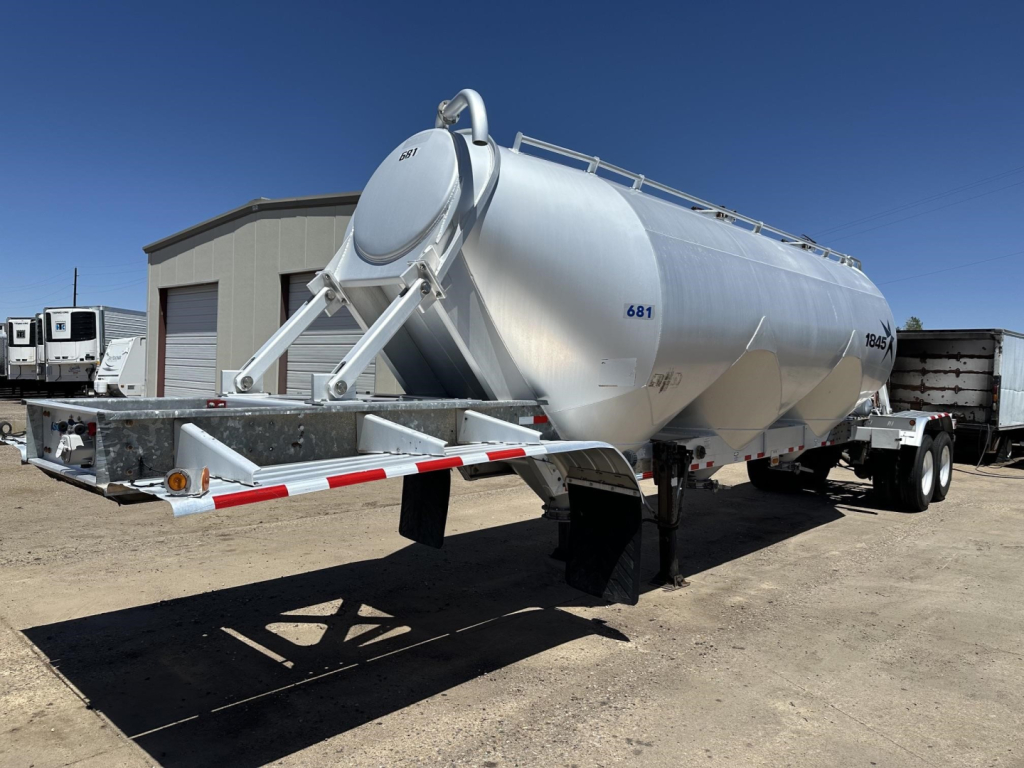
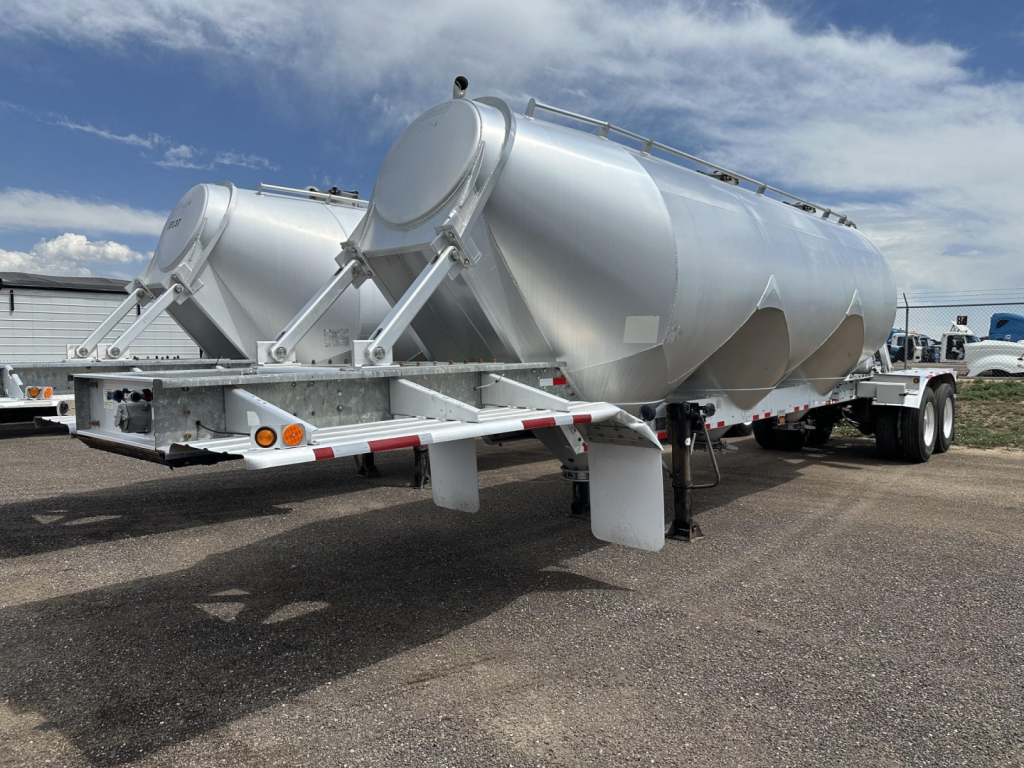
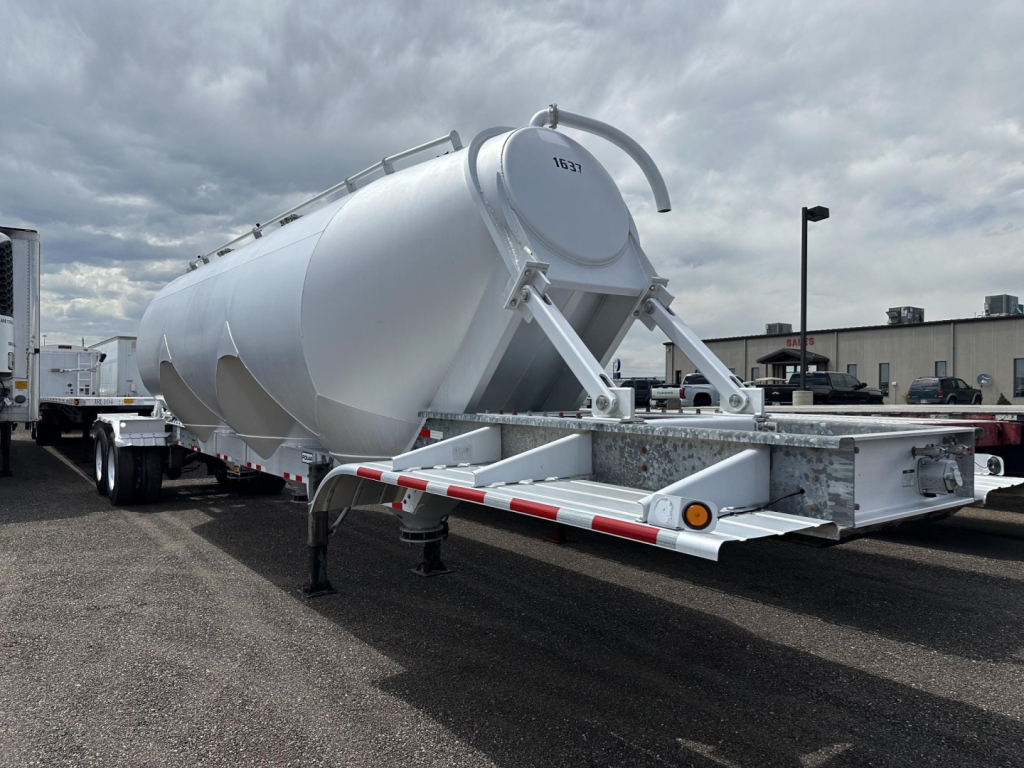
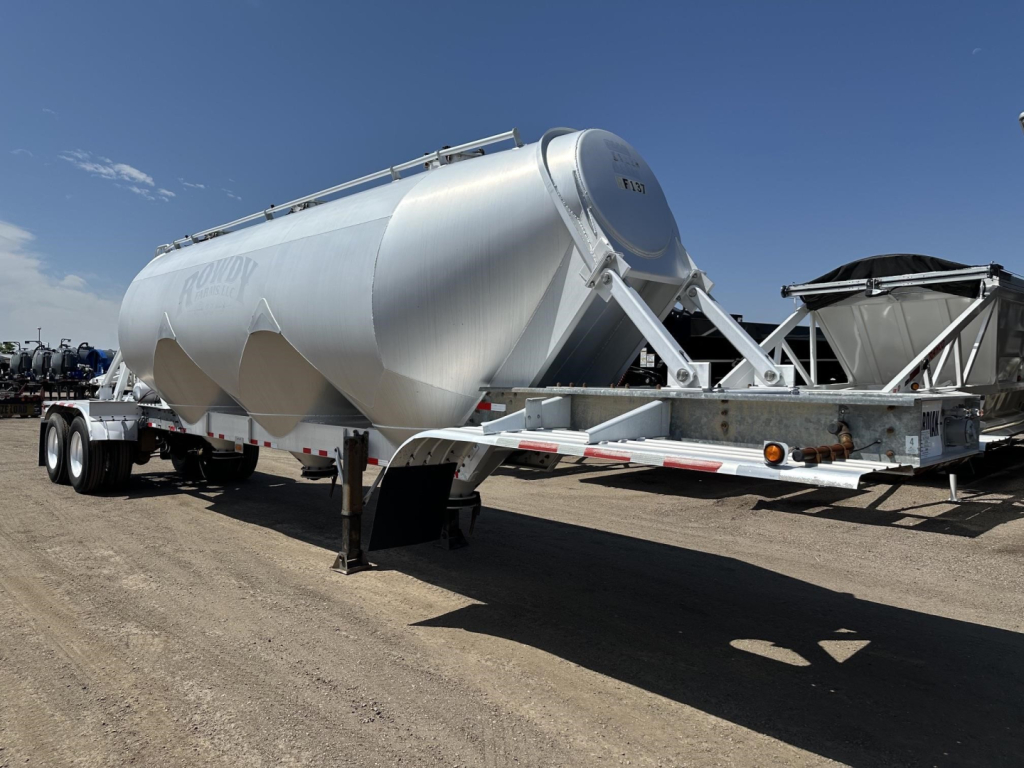
A key buying point is trailer configuration. Listings in this category often center around 1,000 cubic foot bodies in a 41-foot length, with 3-hopper layouts, dome lids, gravity drop discharge, and rear blow-in plumbing. That setup works well for operators who need efficient product flow and predictable compartment unloading. Adjustable couplers, 2-speed landing gear, rear ladders with safety rails, and work lights are common practical features that matter on job sites and at terminals. Buyers should pay close attention to the number of hoppers and dome lids, the condition of the plumbing, and whether the discharge arrangement matches their blower and product requirements.
Suspension, axle position, and tire spec also affect how a pneumatic trailer performs in daily service. Air ride suspension is common on Polar dry bulk trailers because it helps protect the trailer structure and can improve ride quality for sensitive loads. Closed tandem setups, raised axles, 11R24.5 rubber, and aluminum wheels are all details worth comparing because they influence bridge compliance, tire wear, maneuverability, and overall operating cost. In Colorado and other mountain or high-plains markets, buyers should also think about route grades, seasonal weather, and the need for reliable braking and stable tracking under changing payload conditions.
Condition matters more on a dry bulk trailer than the paint suggests. Inspect barrel integrity, hopper outlets, aeration components, seals, valves, suspension wear points, and ladder and rail hardware. Check for signs of prior repairs around the subframe, kingpin area, crossmembers, and discharge piping. If the trailer is a gravity drop pneumatic design, confirm that the unloading system and product path fit the commodity you plan to haul and the customer sites you serve. A well-matched Polar pneumatic trailer can be a very efficient asset for regional bulk work, especially when capacity, tare weight, and unloading layout line up with your freight mix.
Frequently Asked Questions about Polar Pneumatic - Dry Bulk Trailers in Colorado
What is a Polar pneumatic dry bulk trailer typically used for?
A Polar pneumatic dry bulk trailer is typically used to haul dry powdered or granular commodities such as cement, fly ash, lime, sand, and similar bulk materials. These trailers are designed for controlled unloading through a pneumatic system or gravity-assisted discharge setup, depending on configuration. The right trailer depends on commodity density, unload site equipment, and how quickly the product needs to move.
What should I check first on a used pneumatic dry bulk trailer?
Start with the barrel, hoppers, discharge plumbing, valves, and aeration system because those components directly affect unloading performance and leak control. After that, inspect the kingpin area, suspension, landing gear, axle alignment, brakes, and tires. Dome lid seals, ladder hardware, and any repair history around the frame or piping are also important because small defects in a dry bulk trailer can turn into expensive downtime.
Why does cubic capacity matter on a dry bulk trailer?
Cubic capacity determines how much volume the trailer can carry, but it does not automatically tell you how much legal payload you can haul. Light products like fly ash may cube out before reaching gross weight, while heavier products like cement can hit weight limits well before the trailer is full. Buyers should match cubic foot capacity to commodity density, legal axle requirements, and lane profile to avoid buying a trailer that is oversized or underproductive for the work.
Is air ride suspension common on Polar dry bulk trailers?
Yes, air ride suspension is common on Polar dry bulk trailers because it helps reduce shock loads to the trailer structure and can improve ride quality. That matters on rough roads, long regional routes, and operations where repeated stress can affect barrel, piping, and suspension life. Buyers should still inspect air bags, shocks, ride height components, and suspension bushings because condition is as important as suspension type.
What is a gravity drop pneumatic trailer?
A gravity drop pneumatic trailer uses gravity to move product from the hoppers toward the discharge points, while the pneumatic unloading system helps transfer the commodity into the receiving site. This design can be effective for certain dry bulk applications where product flow characteristics and unload site equipment support that layout. Buyers should confirm that the discharge style, blow-in arrangement, and hopper design are compatible with the commodities and customers they serve.