
2012 Polar Pneumatic - Dry Bulk Trailers For Sale in Colorado
Browse 2012 Polar pneumatic dry bulk trailers, including 1,000 cu ft gravity drop models built for cement, fly ash, lime, sand, and dry powders.
Selling a 2012 polar pneumatic - dry bulk trailer? List your 2012 polar pneumatic - dry bulk trailer for sale and reach thousands of commercial buyers.
2012 Polar Pneumatic - Dry Bulk Trailers in Colorado
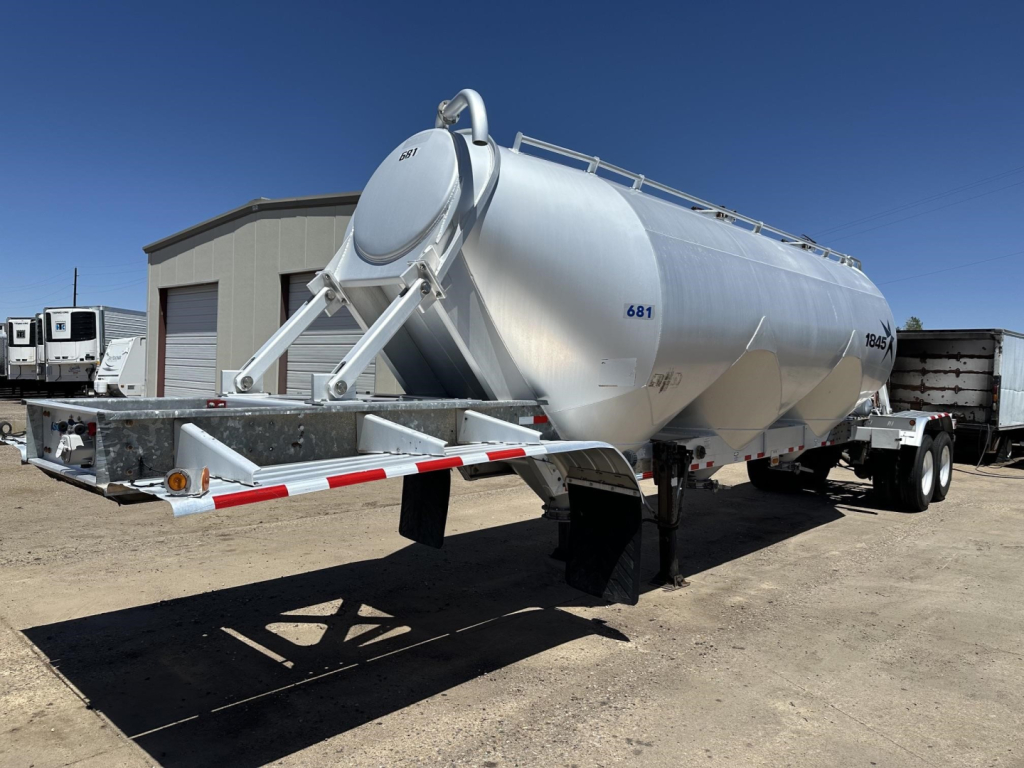
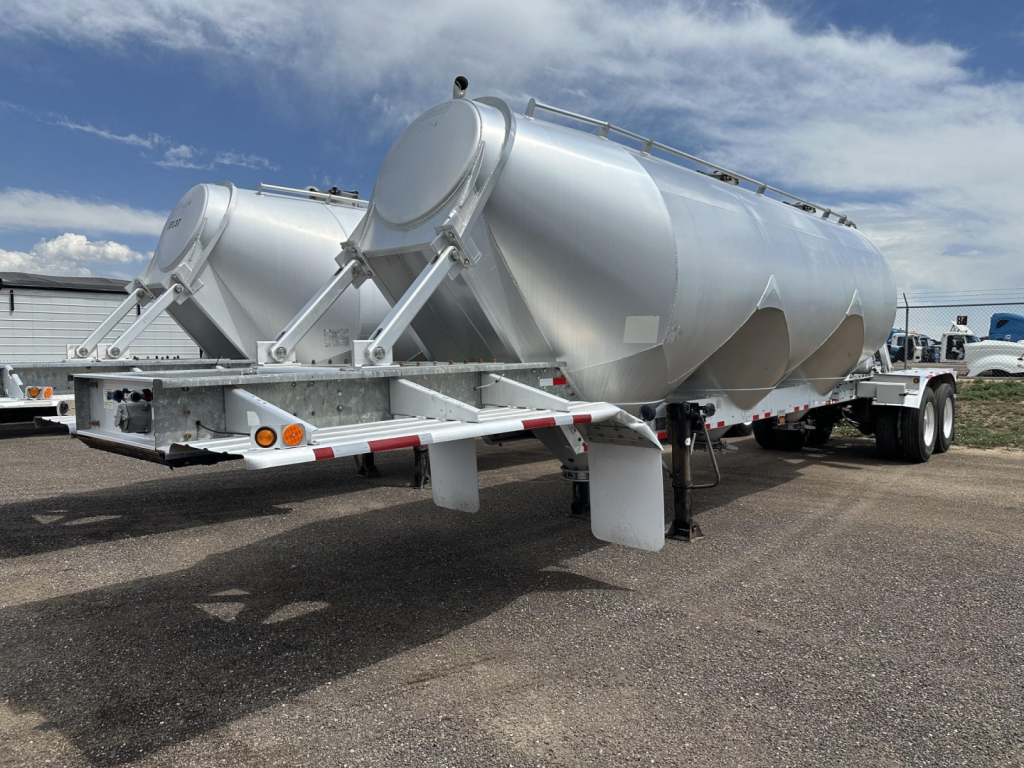
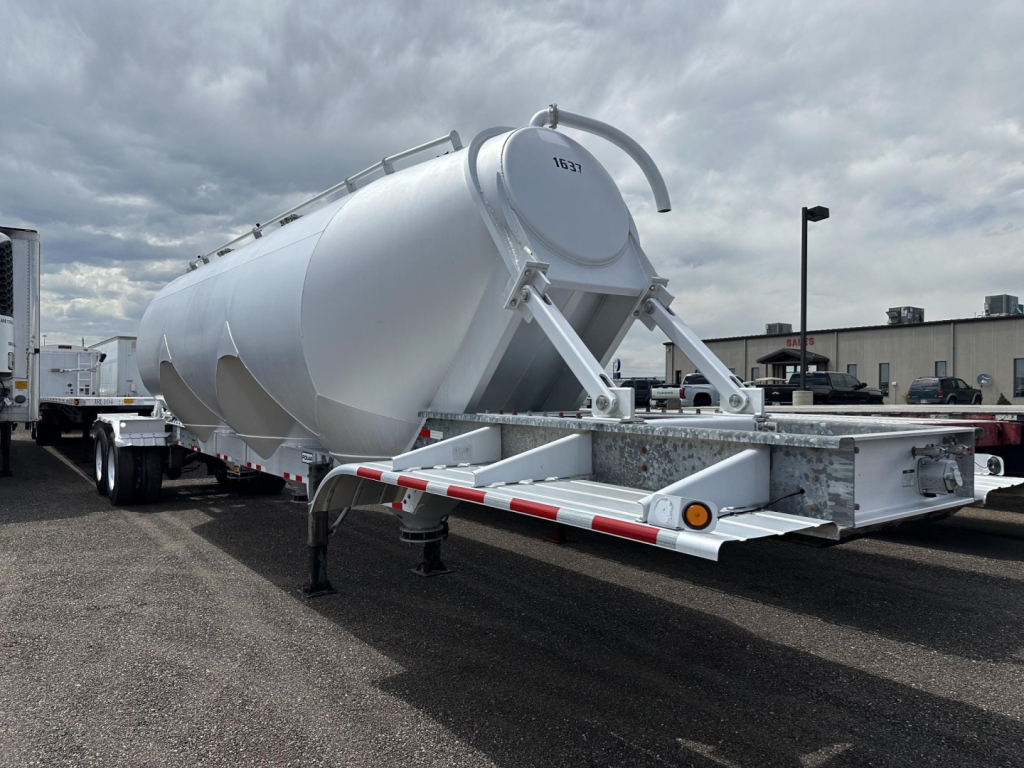
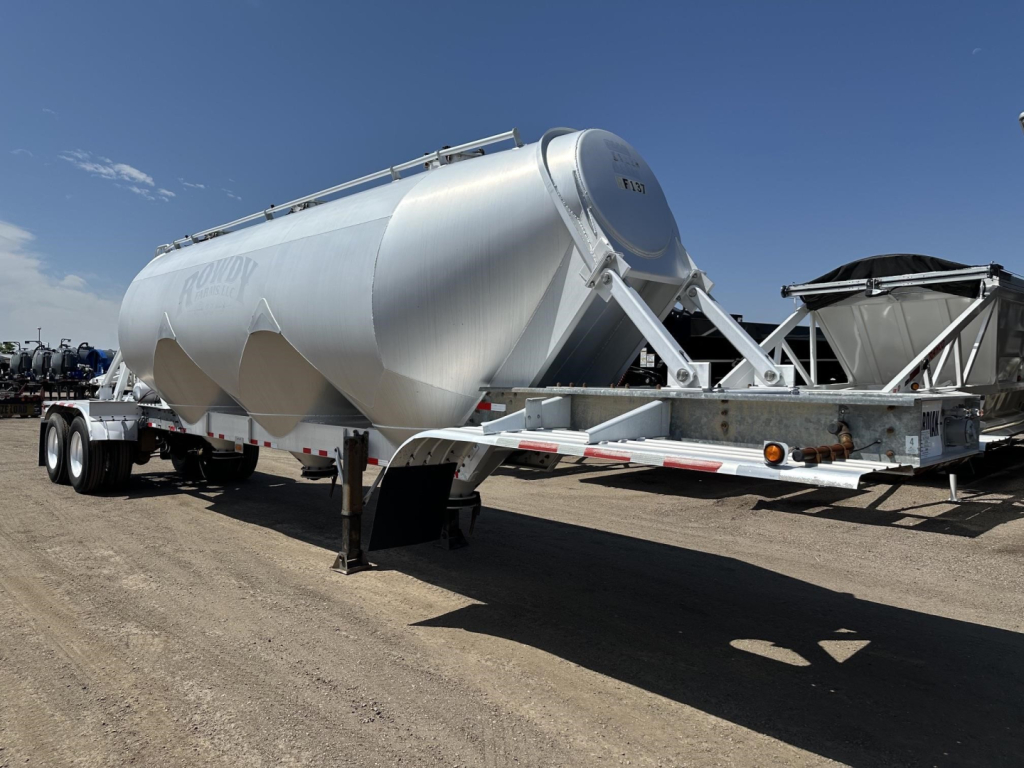
The most important buying decision is matching the trailer to the material and unload method. A gravity drop pneumatic trailer uses hopper geometry to help product feed toward the discharge, which can improve unload consistency with dense powders and reduce leftover material in the cones. Three hoppers and multiple dome lids are common because they help with loading flexibility and product flow management. Buyers should confirm the condition of the blower plumbing, blow-in piping, aeration components, valves, gauges, seals, and the discharge manifold, since pneumatic performance depends on an airtight system. If the trailer will handle abrasive commodities, inspect the interior, hopper transitions, and discharge plumbing for wear.
Chassis and running gear matter just as much as the vessel. Many Polar dry bulk trailers from this period are spec'd with air ride suspension, closed tandem axle layouts, 11R24.5 tires, aluminum wheels, raised axles, and 2-speed landing gear. Air ride helps protect the tank and supports stable handling on uneven roads, while axle position and adjustable coupler settings affect bridge compliance, kingpin-to-rear axle dimensions, and overall weight distribution. Ladder access, safety rails, fenders, and work lights are practical details that improve day-to-day usability, especially on regional routes with frequent loading cycles.
For Colorado operations, altitude and terrain can influence unloading performance and trip planning. Pneumatic systems rely on clean, dry air and a properly matched blower, so buyers should consider how the trailer will perform on mountain grades, in colder weather, and at high-elevation delivery points. A used 2012 pneumatic dry bulk trailer should be evaluated for current DOT condition, barrel integrity, suspension wear, tire age, brake condition, and signs of product contamination from previous service. When the specs match the commodity and route, a Polar pneumatic trailer remains a durable choice for bulk powder work with strong resale appeal in construction, industrial, and agricultural markets.
Frequently Asked Questions about 2012 Polar Pneumatic - Dry Bulk Trailers in Colorado
What is a gravity drop pneumatic trailer used for?
A gravity drop pneumatic trailer is used to haul dry bulk commodities that need controlled unloading through a pneumatic system, often with gravity helping feed the product into the discharge. Common loads include cement, fly ash, lime, sand, mineral powder, flour, and some plastic materials. The hopper shape and outlet design are intended to improve product flow, shorten unload time, and reduce residual material left in the tank.
What should I inspect on a used 2012 Polar pneumatic dry bulk trailer?
Focus on the airtight integrity of the entire unload system and the structural condition of the trailer. Inspect dome lid seals, hopper valves, aeration pads, plumbing, pipe connections, gauges, and discharge components for leaks or wear. Check the barrel, subframe, suspension, brakes, tires, wheels, landing gear, and ladder assembly, and verify that axle placement and coupler settings fit your legal weight and bridge requirements.
Is 1,000 cubic feet a common size for a dry bulk pneumatic trailer?
Yes. A 1,000 cu ft trailer is a common dry bulk size because it offers a practical balance between payload, commodity density, and overall trailer length. Actual payload depends on the product being hauled, since heavier materials such as cement and lime will gross out before lighter materials fill the vessel by volume. Buyers should match cubic capacity to commodity density rather than shopping by volume alone.
Why does air ride suspension matter on a pneumatic dry bulk trailer?
Air ride suspension helps reduce shock transfer to the tank and running gear, which is valuable on rough roads, jobsite entrances, and long regional routes. It also supports better ride quality for the tractor-trailer combination and can help protect the trailer structure over time. On bulk equipment, a stable ride contributes to lower stress on plumbing, valves, and mounting points.
Are Polar pneumatic trailers a good fit for mountain and high-altitude routes?
They can be, but unloading performance depends on the complete system, not just the trailer shell. On high-altitude routes, blower efficiency, air system condition, and proper plumbing setup become especially important because pneumatic unloading relies on air volume and pressure. Buyers operating in Colorado or other mountain regions should pay close attention to unload system condition, maintenance history, and compatibility with their tractor blower setup.