
Polar Pneumatic - Dry Bulk Trailers For Sale
Shop Polar pneumatic dry bulk trailers with common specs, hopper layouts, discharge setups, and capacity details for cement, lime, sand, and fly ash.
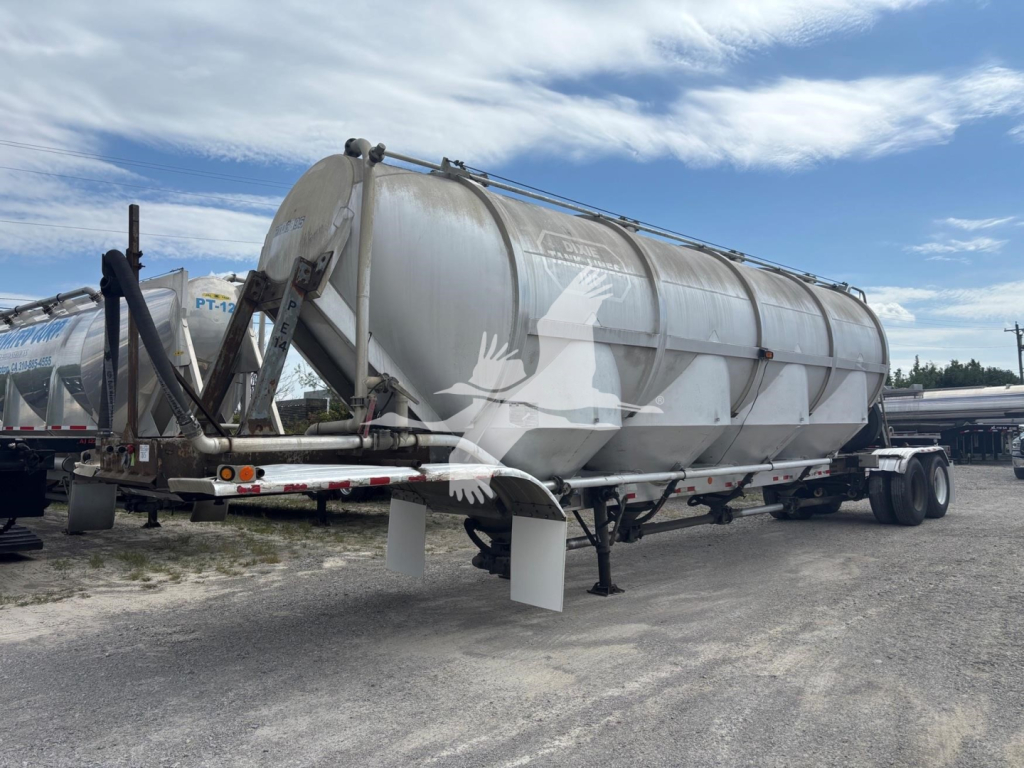
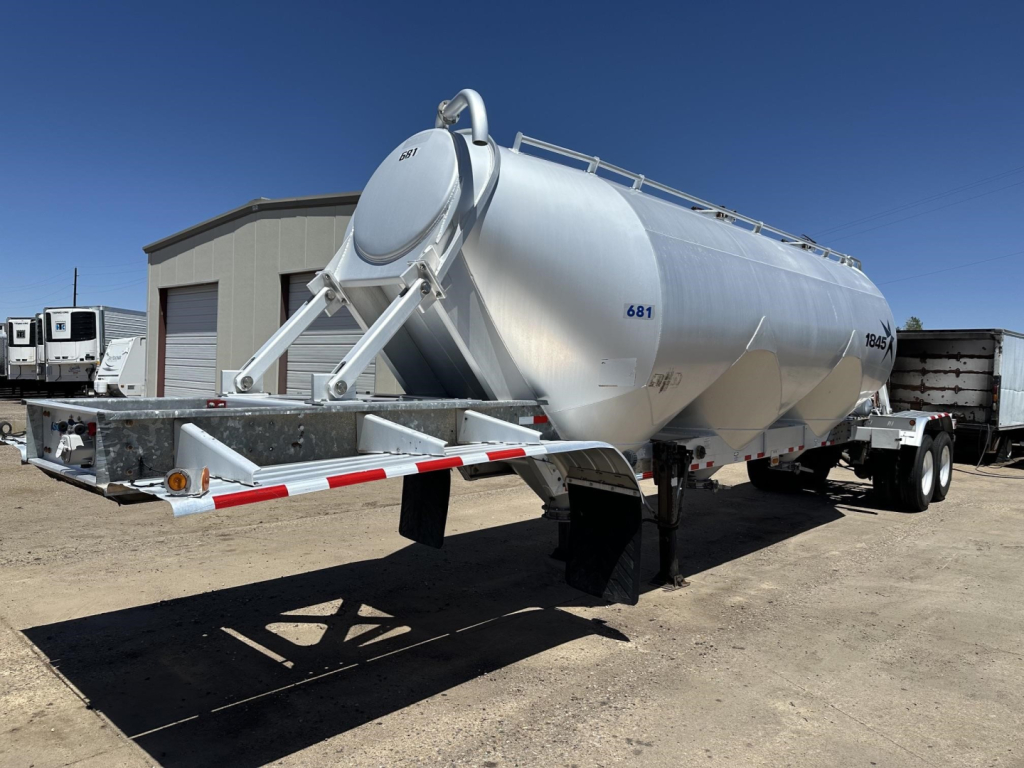
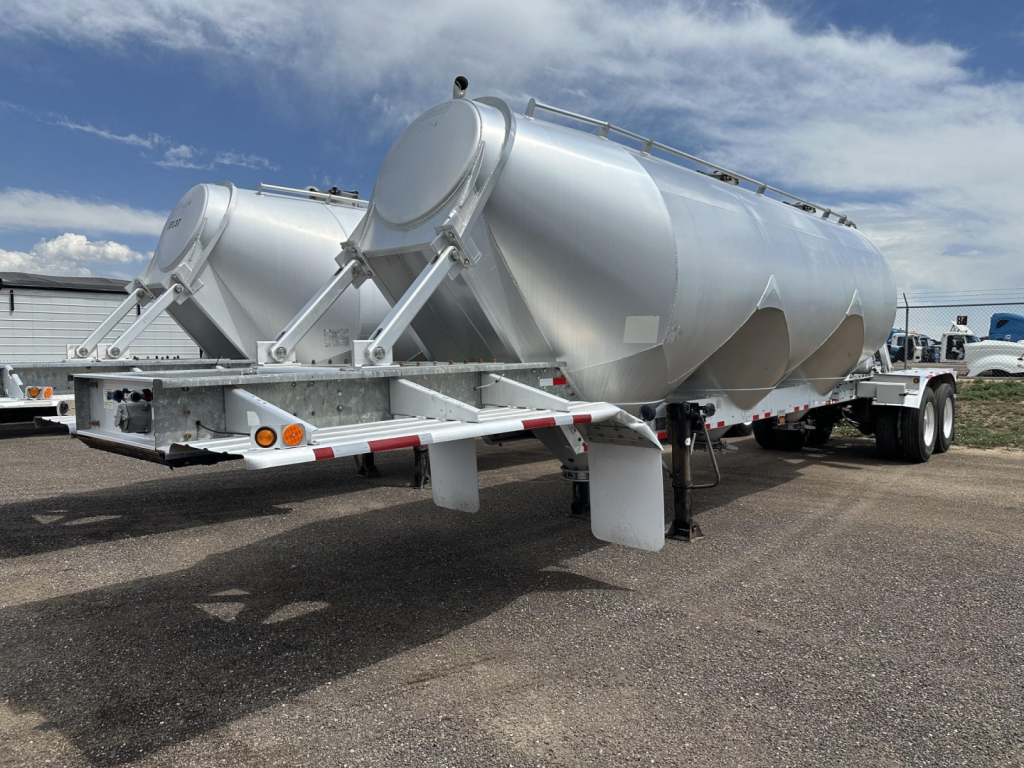
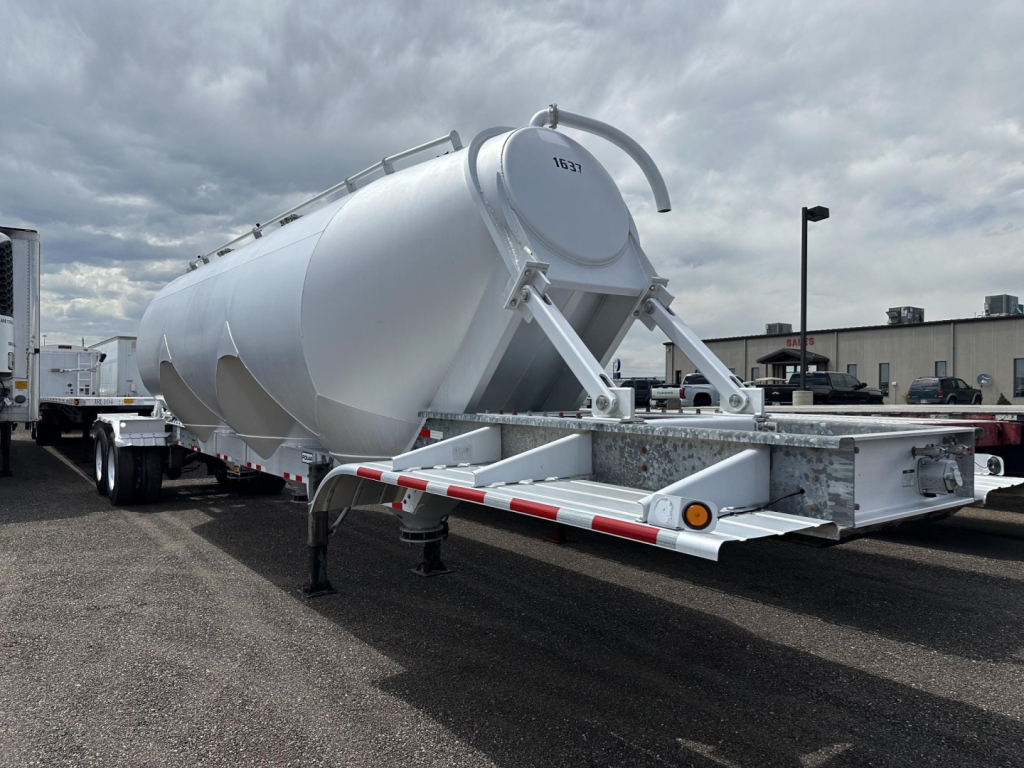
Selling a polar pneumatic - dry bulk trailer? List your polar pneumatic - dry bulk trailer for sale and reach thousands of commercial buyers.
Polar Pneumatic - Dry Bulk Trailers
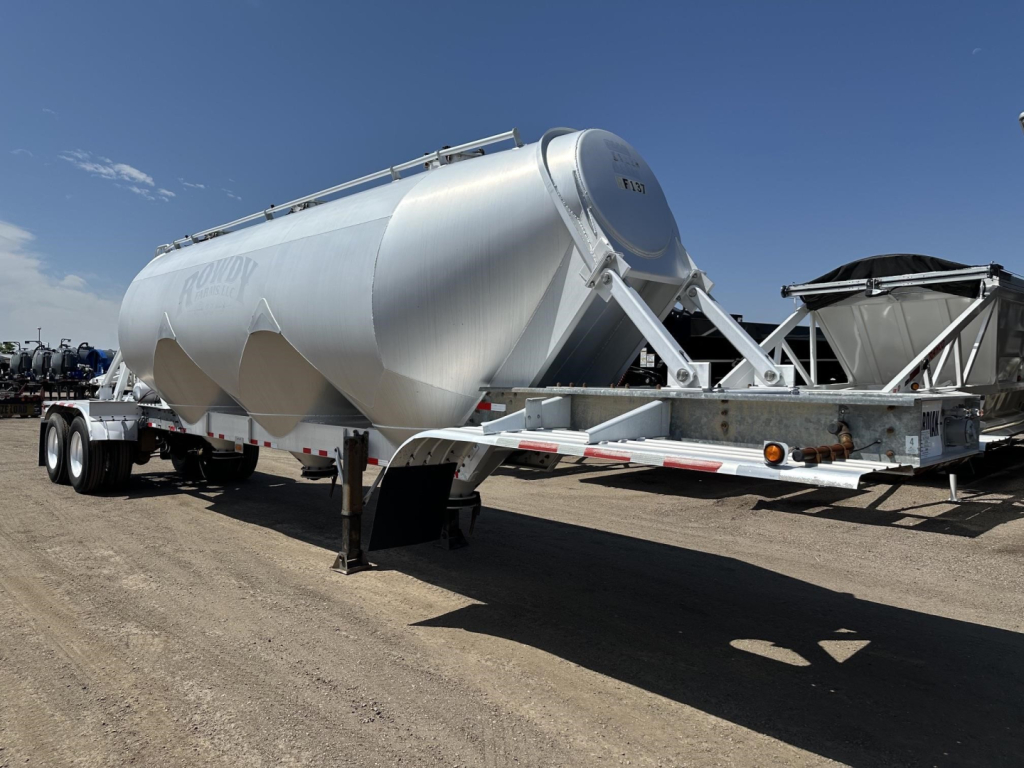
The main buying decision is matching the trailer to the product being hauled. Lower-density products can use more cubic capacity before hitting gross weight limits, while heavier materials may cube out less often and put more emphasis on axle placement, kingpin setting, and suspension condition. Gravity drop pneumatic designs are especially relevant for operations that unload through a blower system but want a straightforward hopper arrangement. Dome lid count, hopper slope, piping layout, and rear blow-in plumbing all matter because they affect cleanout, loading access, and how efficiently product moves during unload. Adjustable couplers, raised axles, and closed tandem configurations can also be important depending on bridge law requirements and plant access.
On used Polar dry bulk trailers, condition matters as much as spec. Buyers should inspect the vessel and barrel for signs of weld repairs, corrosion, patches, or product contamination. Pay close attention to hopper outlets, gaskets, aeration pads, valves, piping, and gauges since air leaks or worn discharge components can slow unloading and create product retention. Suspension type, landing gear condition, wheel-end service history, brake life, and tire match are practical cost items that show up quickly after purchase. Safety equipment such as ladders, safety rails, work lights, and fenders also deserves a close look because these trailers often operate in dusty plant environments with repeated loading and unloading cycles.
Polar has long been a recognized name in bulk tank and dry bulk trailer manufacturing, so many buyers consider the brand for fleet standardization, parts familiarity, and resale value. When comparing listings, look beyond the year model and focus on cubic feet, discharge style, number of hoppers, axle setup, and how the trailer was used previously. A dry bulk trailer that spent its life on cement or fly ash may present differently than one used for food-grade or resin service. The best match is the trailer whose vessel design, plumbing, and running gear align with your commodity, blower setup, route weights, and unload environment.
Frequently Asked Questions about Polar Pneumatic - Dry Bulk Trailers
What is a Polar pneumatic dry bulk trailer used for?
A Polar pneumatic dry bulk trailer is used to haul dry commodities that unload through air pressure, gravity discharge, or a combination of both depending on the trailer setup. Common products include cement, lime, fly ash, sand, plastic resin, and other powdered or granular materials. The right application depends on cubic capacity, hopper design, discharge plumbing, and whether the trailer is configured for general industrial bulk service or a more specialized commodity.
What specs matter most when buying a used pneumatic dry bulk trailer?
The most important specs are cubic feet, hopper count, discharge type, axle configuration, suspension, and overall vessel condition. Buyers should also review kingpin setting, coupler adjustability, tire size, wheel type, and whether the trailer has rear blow-in piping or gravity drop discharge. On a used unit, the condition of valves, aeration components, dome lids, gaskets, and piping is just as important as the published capacity because unloading performance depends on the air system being tight and complete.
How do I choose the right cubic capacity for a dry bulk trailer?
Capacity should match the density of the product and the legal weights on the routes the trailer will run. A trailer around 1,000 cubic feet is common in cement and similar bulk applications, but the right size depends on whether the commodity cubes out or weighs out first. Dense products may require less volume to stay legal, while lighter materials may benefit from larger cubic capacity. The goal is to maximize legal payload without buying more barrel volume than the commodity can use.
What is a gravity drop pneumatic trailer?
A gravity drop pneumatic trailer uses sloped hoppers to feed product downward to the discharge points, where the material is then moved by air pressure through the unloading system. This design can offer a simple and effective setup for many bulk commodities, especially when paired with proper aeration and blower support. Buyers should evaluate hopper slope, outlet design, and piping layout because those details affect product flow, unload time, and cleanout between loads.
What should I inspect on a used Polar dry bulk trailer before purchase?
Inspect the barrel, hoppers, welds, frame attachments, suspension, brakes, tires, and wheel ends first, then move to the discharge system. Check dome lids, seals, valves, aeration pads, manifolds, and piping for wear, leaks, or missing components. Review service records if available and look for signs of contamination, moisture intrusion, or repeated repairs in high-stress areas. A dry bulk trailer can look sound from a distance but still need significant valve, plumbing, or vessel work to return to dependable service.