
2012 Polar Pneumatic - Dry Bulk Trailers For Sale
Shop used 2012 Polar pneumatic dry bulk trailers. Compare 1,000 cu ft gravity drop specs, hopper layouts, suspension, and discharge setup.
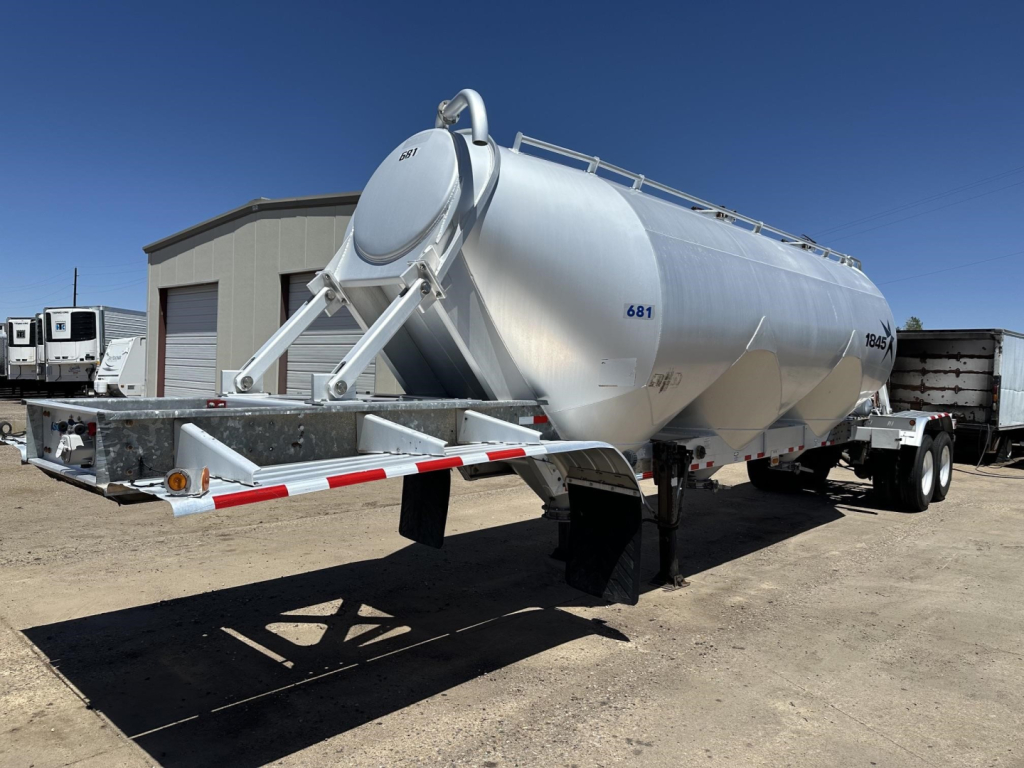
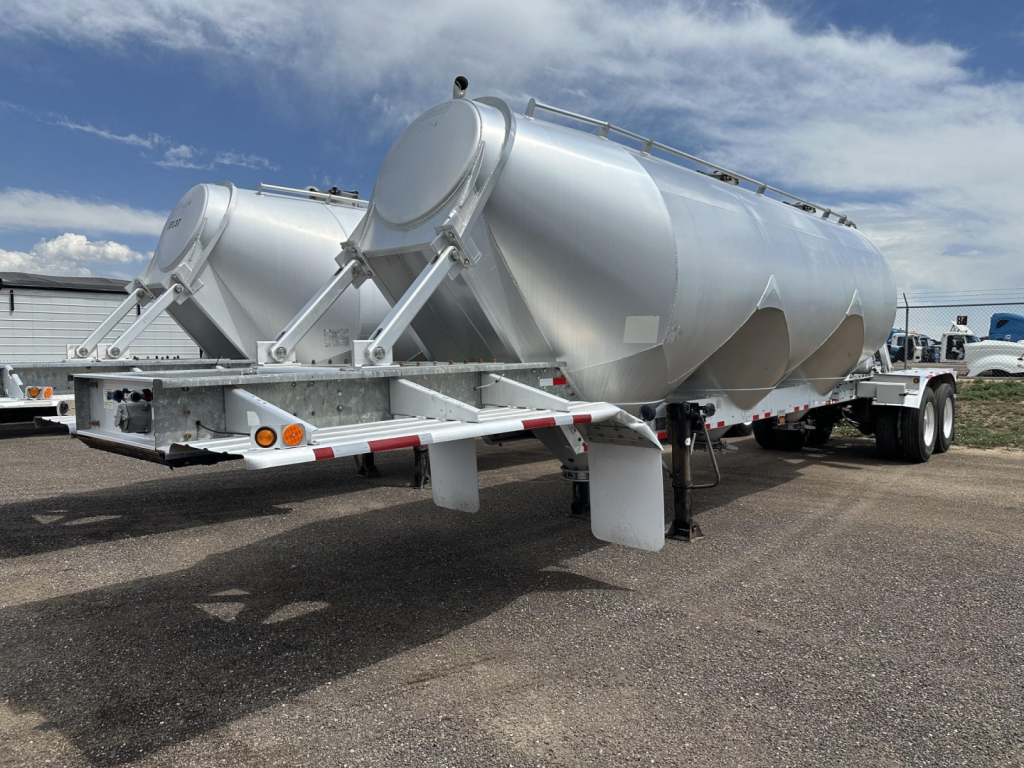
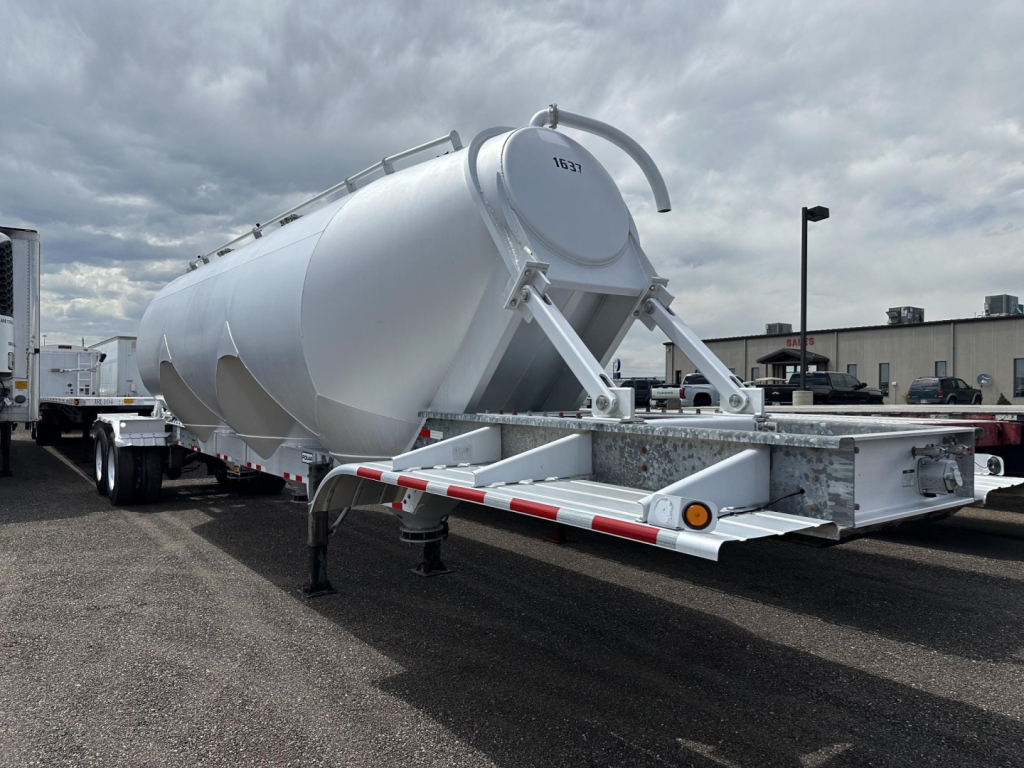
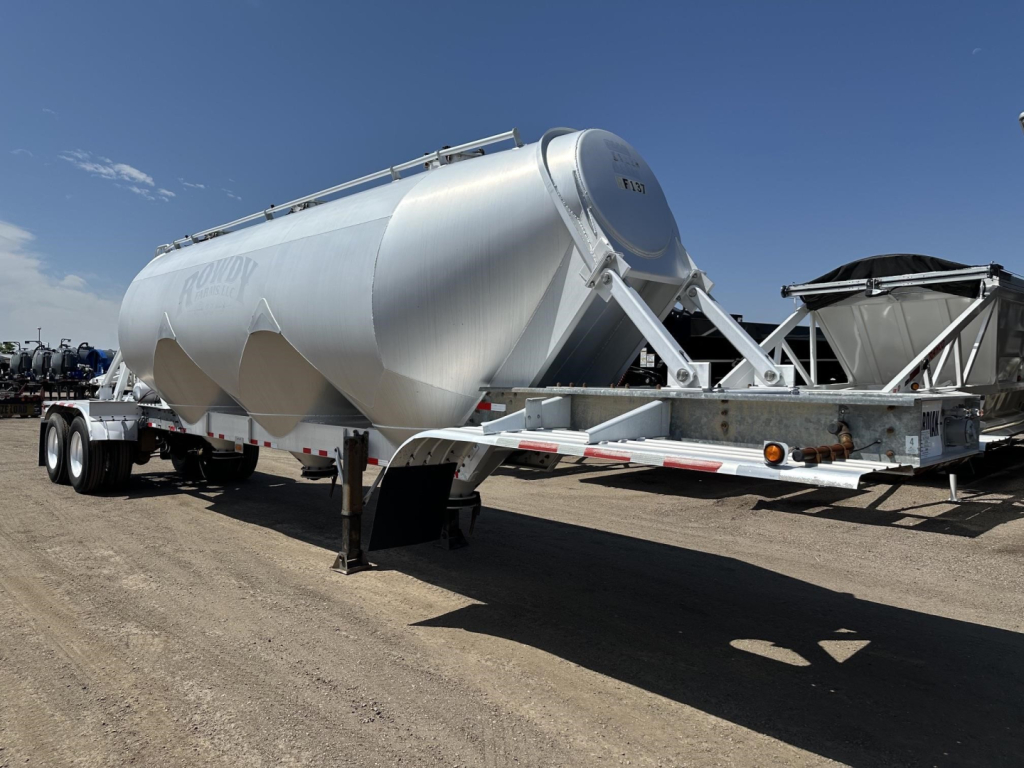
Selling a 2012 polar pneumatic - dry bulk trailer? List your 2012 polar pneumatic - dry bulk trailer for sale and reach thousands of commercial buyers.
2012 Polar Pneumatic - Dry Bulk Trailers
The biggest buying decision is matching the trailer to the commodity and the unloading method used by your customers. A gravity drop pneumatic trailer can speed product flow into the line, but material characteristics still matter. Fine powders such as cement and fly ash need a clean vessel, tight seals, dependable aeration, and plumbing that has not been damaged by moisture or contamination. Pellet and granular service puts more attention on hopper slope, gate condition, and residue cleanout between loads. Dome lid count, gasket condition, discharge valves, line fittings, and the overall integrity of the vessel are more important than cosmetic appearance on this category.
Running gear and chassis specs also deserve a close look on a used pneumatic trailer. Many 2012 Polar units are set up with closed tandem axles, air ride suspension, 11R24.5 tires, aluminum wheels, two-speed landing gear, and adjustable coupler settings. Air ride helps protect the vessel and the product, especially on rough secondary roads and plant access routes. Raised axles can be useful for tire wear management and maneuverability, but buyers should confirm suspension condition, brake life, wheel-end service history, and frame or subframe condition around high-stress points. Ladder and safety rail setup, fenders, work lights, and catwalk access also matter because dry bulk work involves frequent climbing, inspections, and hose handling at customer sites.
On a 2012 model, maintenance history is often the difference between a dependable bulk hauler and a trailer that spends too much time in the shop. Inspect the tank interior if possible, check for patching or weld repairs, verify that the hopper cones are straight, and look closely at the discharge plumbing, elbows, butterfly valves, and seals. Ask about previous commodity service because product history affects contamination risk and wear patterns. A well-kept Polar pneumatic dry bulk trailer can still be a productive asset if the vessel is sound, the suspension is right for the route, and the unloading setup matches the blower, hoses, and plant requirements already in your operation.
Frequently Asked Questions about 2012 Polar Pneumatic - Dry Bulk Trailers
What is a pneumatic dry bulk trailer used for?
A pneumatic dry bulk trailer is used to haul dry, free-flowing commodities in bulk form, including cement, lime, fly ash, sand, flour, and plastic pellets. These trailers are designed to unload product through pressurized air systems, gravity drop setups, or a combination of both depending on the trailer configuration and the receiving facility. The right trailer depends on the material being hauled, required discharge speed, and compatibility with your blower and hose arrangement.
Is 1,000 cubic feet a common size for a 2012 Polar pneumatic trailer?
Yes. Around 1,000 cubic feet is a common capacity in this class, especially on trailers in the 41-foot range. That size gives a practical balance between payload volume, axle spacing, and maneuverability for bulk terminals, ready-mix plants, and industrial receivers. Actual legal payload depends on the commodity density, axle configuration, and state weight limits, so buyers should match cube to product density instead of assuming more capacity always means more legal payload.
What should I inspect first on a used dry bulk pneumatic trailer?
Start with the vessel, hopper cones, and discharge system. The tank must be structurally sound, with no questionable weld repairs, severe corrosion, or signs of contamination. Then inspect dome lids, gaskets, aeration components, valves, plumbing, and line fittings because air leaks and poor sealing directly affect unload performance. After that, review suspension, brakes, tires, wheel ends, landing gear, and coupler settings, since these trailers often run heavy and see demanding plant traffic.
What is the difference between gravity drop and standard pneumatic discharge?
Gravity drop setups allow product to move from the hopper toward the discharge point with the help of the trailer's hopper design and gate arrangement, while a standard pneumatic unload depends more fully on pressurized air moving product through the line. In real operation, many buyers think of gravity drop as a configuration that can improve product flow and reduce unload issues on certain commodities. The best choice depends on the material, receiver equipment, and how important unload speed and complete cleanout are in your service.
Are air ride suspension and raised axles desirable on a pneumatic bulk trailer?
In many operations, yes. Air ride suspension helps reduce vibration and shock to both the trailer and the product, which is important on bulk routes with rough access roads or repeated plant entries. Raised axles can help with tire wear, turning, and bridge compliance in the right application. Buyers should still look past the feature list and confirm actual suspension condition, axle alignment, and maintenance history, because those factors matter more than the option itself on a used 2012 trailer.