
2012 Pneumatic - Dry Bulk Trailers For Sale in Colorado
Shop 2012 pneumatic dry bulk trailers in Colorado. Compare 1,000 to 1,050 cu ft specs, hopper layouts, suspension, discharge, and condition.
Selling a 2012 pneumatic - dry bulk trailer? List your 2012 pneumatic - dry bulk trailer for sale and reach thousands of commercial buyers.
2012 Pneumatic - Dry Bulk Trailers in Colorado
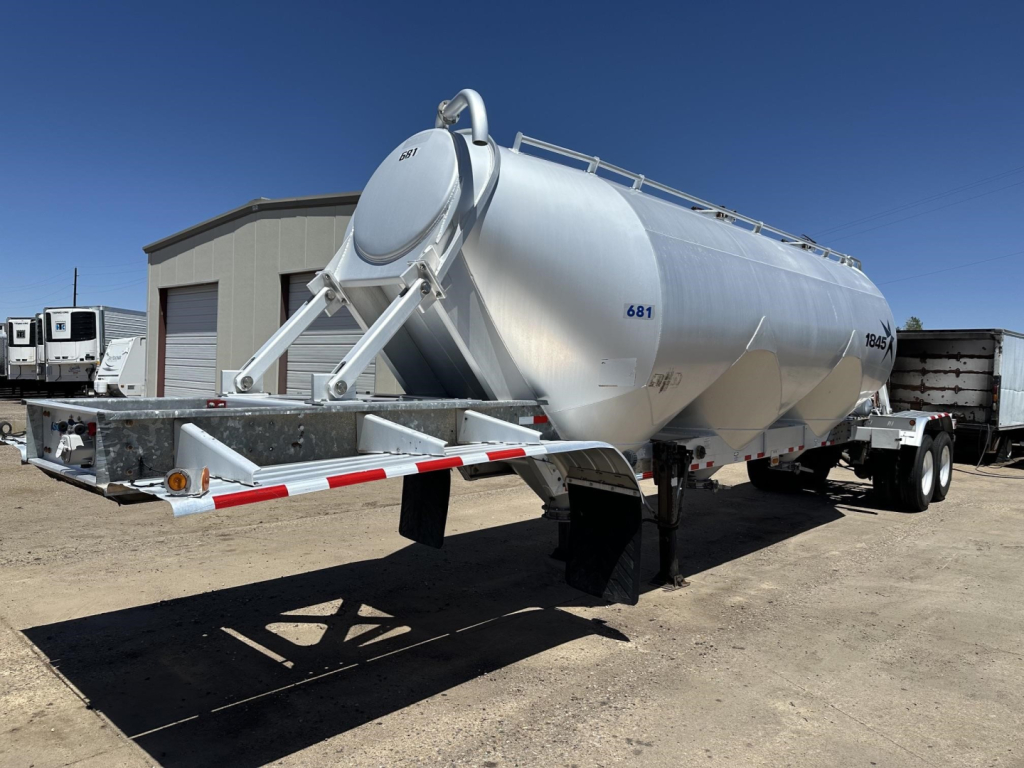
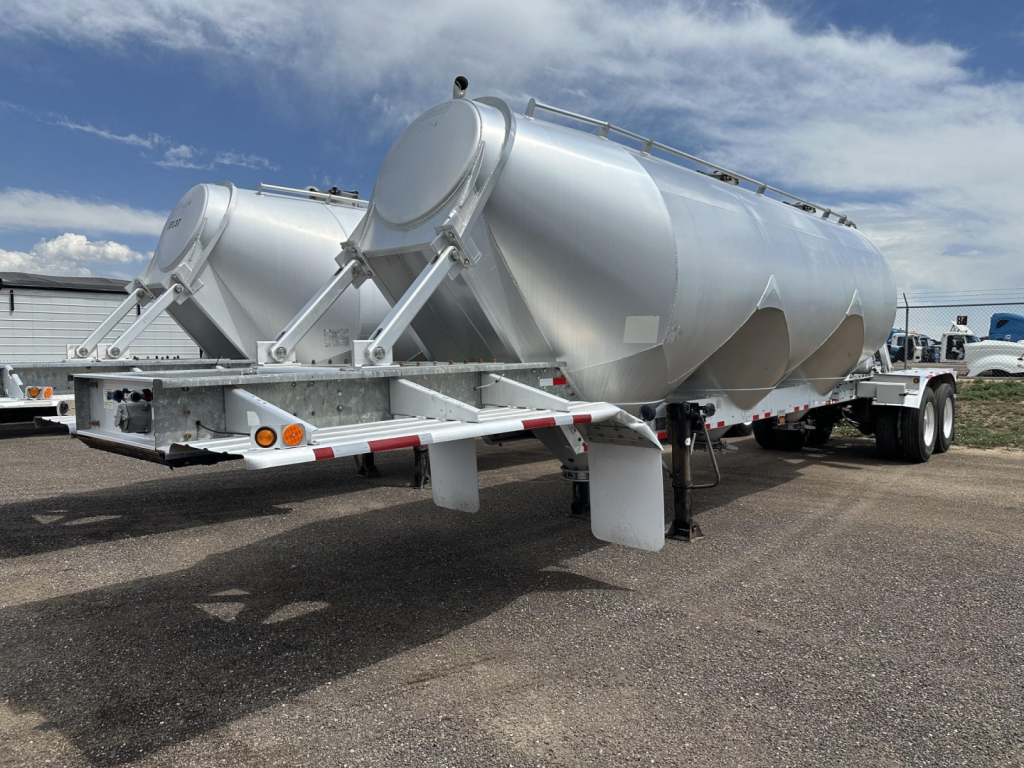
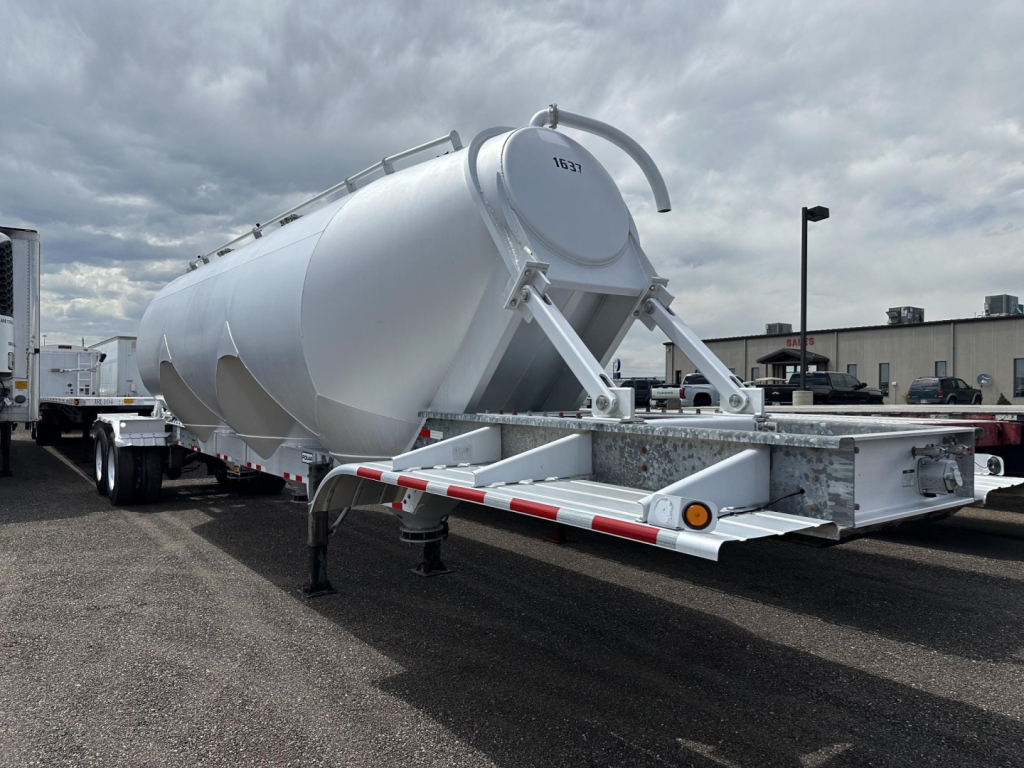
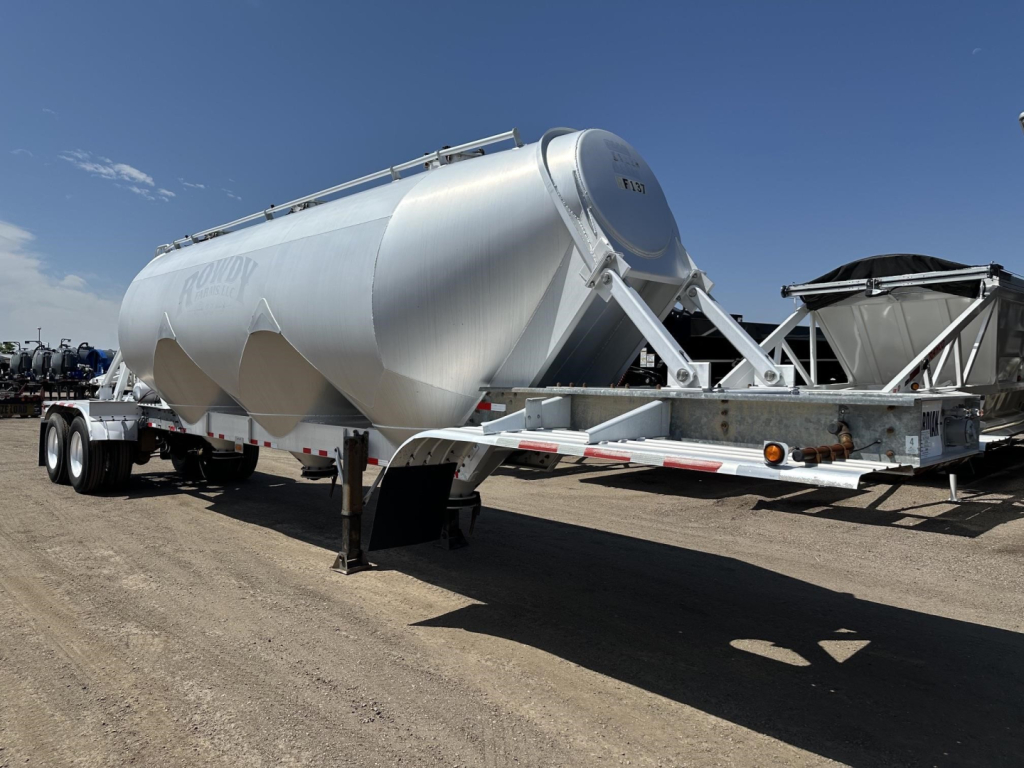
Specs in this category commonly include aluminum construction, tandem axle layouts, air ride suspension, 2-speed landing gear, and 11R22.5 or 11R24.5 rubber. Adjustable couplers are worth noting because kingpin setting and fifth wheel placement can make a real difference in bridge compliance and tractor compatibility. Buyers should also pay attention to dome lid count, blow-in piping, hose tube condition, ladder and safety rail integrity, and whether the trailer has raised axles or other weight-management features. On a dry bulk trailer, small hardware details can affect daily unloading efficiency just as much as the headline capacity number.
For Colorado operations, elevation matters. Pneumatic unloading performance can change with product density, blower setup, plumbing condition, and the extra demands of high-altitude routes. A trailer used for cement or aggregate-related material in the Front Range may need careful review of valves, tees, aeration system components, and hopper slope to make sure product moves cleanly. If the trailer is set up as a gravity drop pneumatic, confirm how it fits your plant or jobsite unloading method. If it is a rear discharge trailer, inspect the manifold layout and line routing for wear, leaks, and prior repairs.
A 2012 model should be evaluated as a working system, not just a tank shell on wheels. Check the subframe, suspension, landing gear mounts, fenders, wheel ends, brakes, and all pressure-related components. Look closely for barrel repairs, weld quality, corrosion around seams and fittings, and signs of abrasive product wear inside the hoppers. Maintenance records, prior commodity history, and evidence of consistent washout or cleanout practices can tell you a lot about remaining service life. For many bulk haulers, a well-kept 2012 pneumatic dry bulk trailer still offers solid value when the capacity, plumbing, and suspension match the lane and commodity.
Frequently Asked Questions about 2012 Pneumatic - Dry Bulk Trailers in Colorado
What commodities are commonly hauled in a 2012 pneumatic dry bulk trailer?
Pneumatic dry bulk trailers are commonly used for cement, lime, fly ash, sand, plastic pellets, flour, sugar, and other dry bulk products that can be unloaded through a sealed air system. The exact commodity fit depends on the trailer's cubic capacity, hopper design, discharge plumbing, and prior use history. Buyers should always confirm that the trailer's interior condition and component setup are appropriate for the material they plan to haul.
What is a typical capacity range for a 2012 pneumatic dry bulk trailer?
Many 2012 pneumatic dry bulk trailers are found in the 1,000 to 1,050 cubic foot range, though exact capacity varies by manufacturer, barrel design, and intended commodity. Lower-density products may call for larger cube, while heavier commodities can make a smaller-capacity trailer more practical for staying legal on weight. Capacity should be matched to product density, axle spacing, and the tractor used in the combination.
What should I inspect first on a used 2012 dry bulk pneumatic trailer?
Start with the tank structure, hoppers, discharge system, suspension, brakes, and wheel ends. Then inspect valves, piping, tees, aeration components, dome lids, hose tubes, and all pressure-related fittings for wear or leakage. On older units, repairs around seams, stress points, and mounting areas deserve close attention because structural and plumbing condition have a direct impact on safety, unload performance, and maintenance cost.
Is gravity drop or rear discharge better on a pneumatic dry bulk trailer?
Neither is universally better because the right choice depends on your unloading process and commodity. Gravity drop configurations can be well suited to certain plant or transfer setups, while rear discharge systems are common for standard pneumatic unloading applications. The important point is compatibility with your blower system, hose layout, customer sites, and product flow characteristics. Buyers should verify that the discharge design matches how the trailer will actually be used.
Does Colorado terrain and elevation affect pneumatic trailer performance?
Yes. High elevation can influence blower efficiency and unloading characteristics, especially with dense or difficult-flowing products. Mountain grades and regional route demands also increase the importance of brake condition, suspension health, and proper weight distribution. In Colorado, a buyer should pay extra attention to plumbing condition, aeration performance, and how the trailer is spec'd for the commodity and tractor operating at altitude.