
2012 Pneumatic - Dry Bulk Trailers For Sale
Shop 2012 pneumatic dry bulk trailers. Compare cement, sand, lime, and dry powder tanks by capacity, discharge setup, weight, and suspension.

Selling a 2012 pneumatic - dry bulk trailer? List your 2012 pneumatic - dry bulk trailer for sale and reach thousands of commercial buyers.
2012 Pneumatic - Dry Bulk Trailers
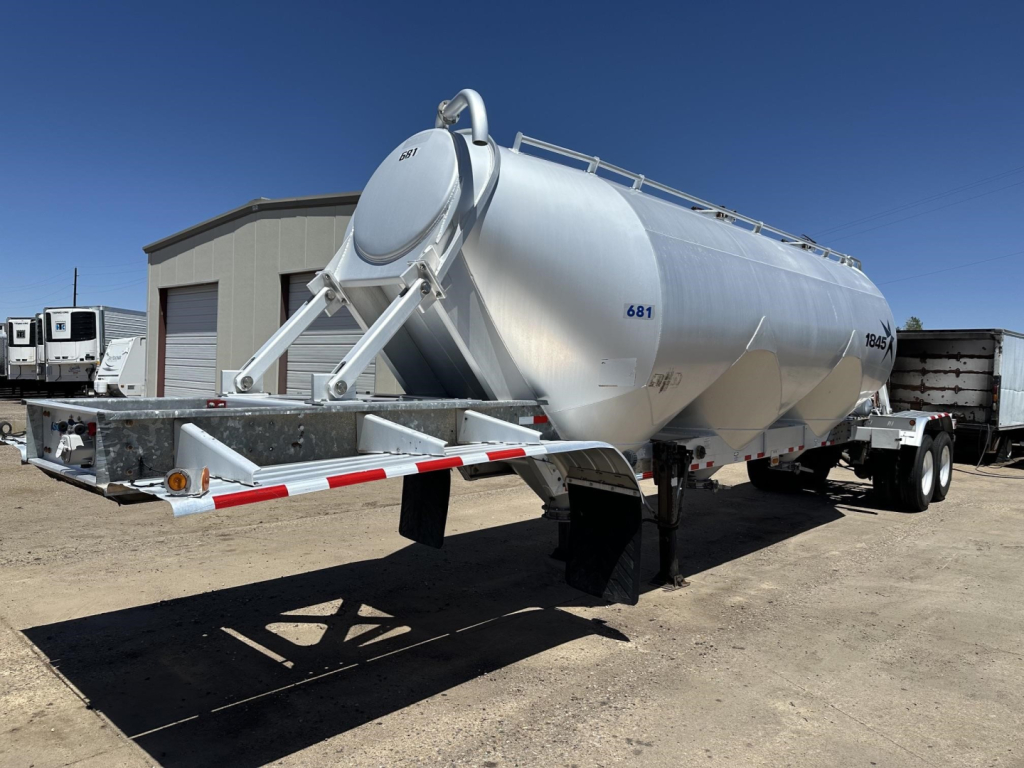
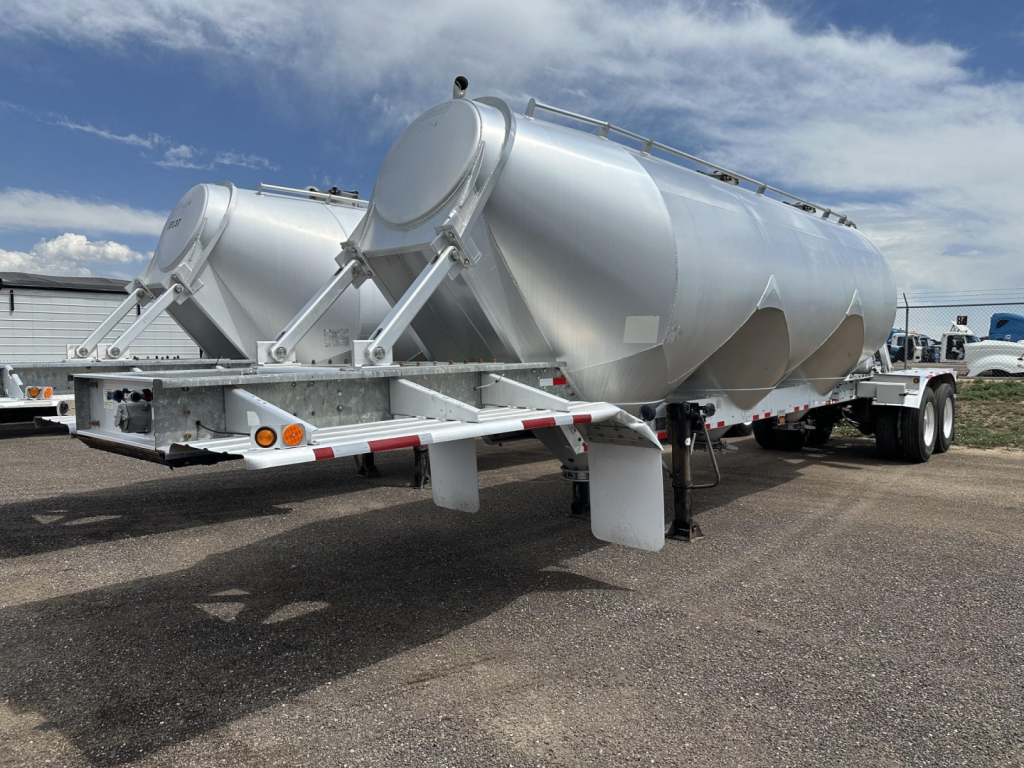
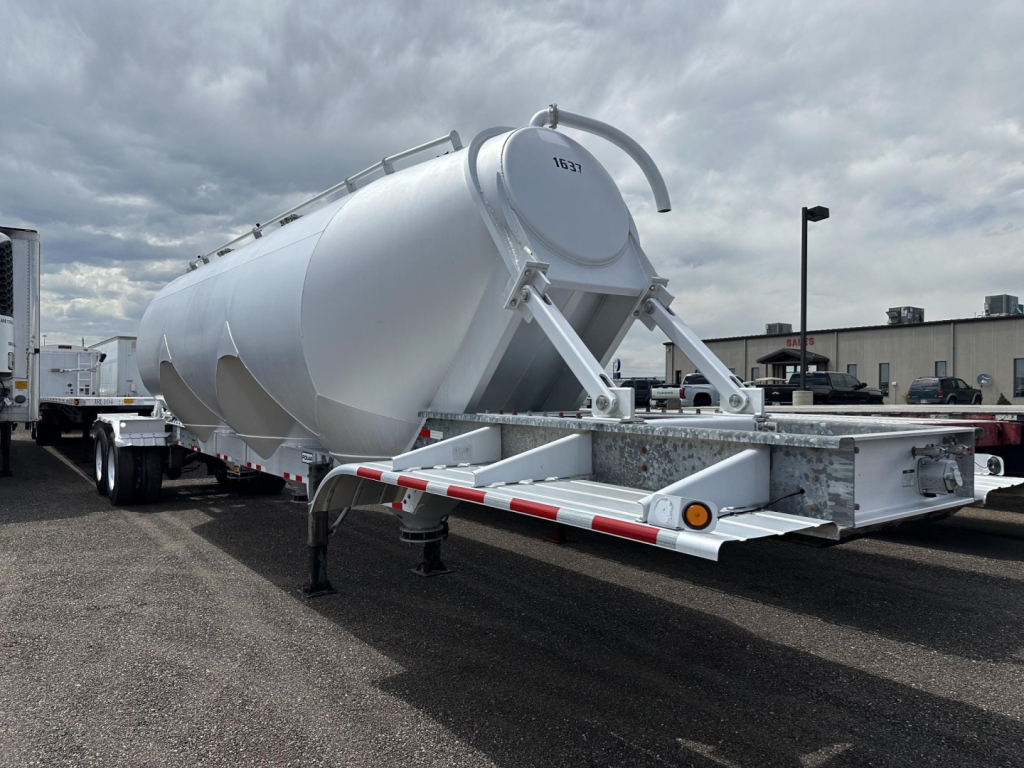
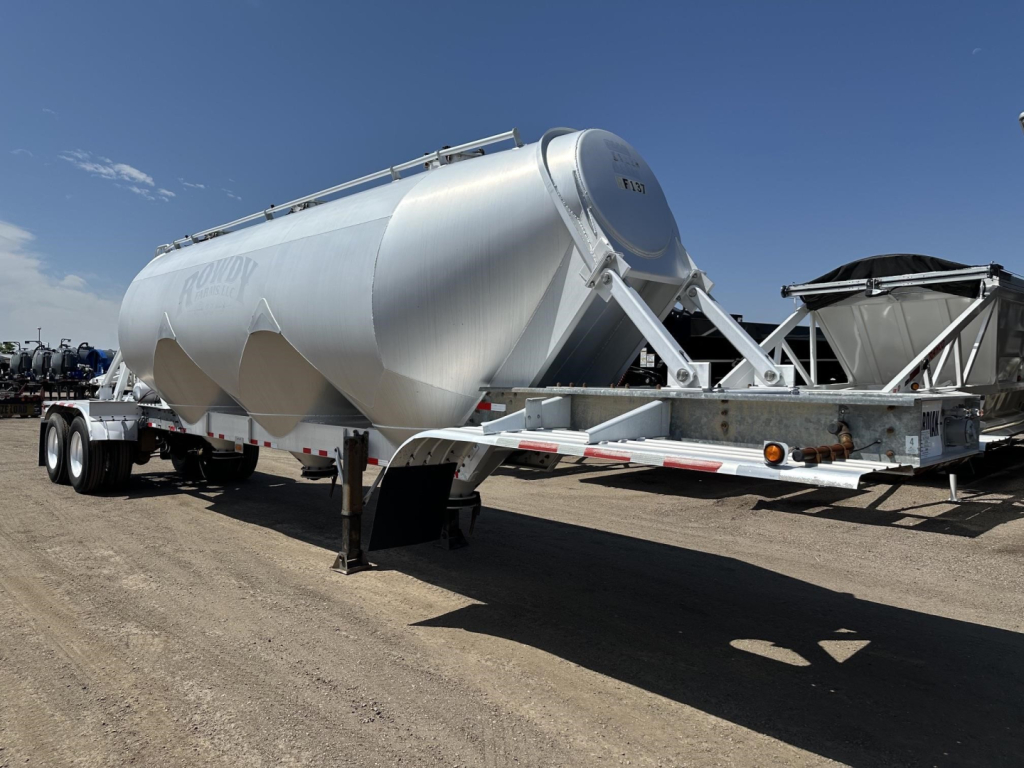
For a used 2012 pneumatic trailer, tank material and running gear condition usually matter more than cosmetic appearance. Aluminum barrels help keep tare weight down, but buyers should inspect barrel integrity, hopper seams, outlet cones, manholes, and any signs of patching or corrosion around fittings. Piping can be aluminum or steel, and that choice affects both weight and long-term durability. Butterfly valves, top air controls, aeration systems, hose tube setup, and rear discharge configuration should all be checked against your unloading method and blower requirements. If the trailer is described as a gravity drop pneumatic, confirm how that discharge arrangement fits your plant, pit, or jobsite unloading process.
A typical 2012 dry bulk tank in this class rides on tandem air ride suspension with 11R22.5 or 11R24.5 tires, aluminum or mixed wheel spec, and standard two-speed landing gear. Closed tandem or adjustable kingpin settings can affect bridge compliance, axle loading, and maneuverability, especially if the trailer runs in states with stricter axle laws or spends time on plant lots and construction access roads. Raised axle setups appear on some units and can help in certain weight distribution or tire wear scenarios. Buyers should also pay attention to practical details such as ladder placement, safety rails, catwalk access, fender design, gauge visibility, lighting, and hose storage, because these features affect daily loading and unloading efficiency.
When comparing 2012 pneumatic dry bulk trailers for sale, maintenance history is a major value driver. Pressure gauges, valves, airlines, suspension components, brakes, drums, wheel ends, and tires all influence uptime. Product history matters too, since a trailer that previously hauled cement, soda ash, or sand may have different wear patterns and cleaning requirements. A well-matched pneumatic trailer can deliver strong payload efficiency and fast unloading, but only if its cubic capacity, hopper count, plumbing design, and overall condition line up with the commodity, route, and blower system in your operation.
Frequently Asked Questions about 2012 Pneumatic - Dry Bulk Trailers
What size is a typical 2012 pneumatic dry bulk trailer?
Many 2012 pneumatic dry bulk trailers on the market are around 41 to 42 feet long and offer roughly 1,000 to 1,350 cubic feet of capacity. Tandem-axle air ride configurations are common, along with two-hopper or three-hopper layouts. The right size depends on commodity density, legal payload limits, and how quickly you need the trailer to unload.
What should I inspect first on a used 2012 pneumatic trailer?
Start with the barrel, hoppers, discharge system, and running gear. Check the aluminum tank and seams for damage, repairs, cracks, or corrosion around fittings and manholes. Then inspect product valves, aeration components, discharge piping, gauges, suspension, brakes, tires, and wheel ends. A clean maintenance record and evidence of consistent pressure system upkeep usually matter more than exterior appearance.
How do I choose between a trailer for cement, lime, or sand service?
Commodity type should drive the spec. Cement and lime trailers need reliable aeration, tight valves, and plumbing that supports smooth pressure unloading of fine powders. Sand service places more stress on the vessel, hoppers, and discharge components because the product is heavier and more abrasive. Capacity, tare weight, piping material, and discharge style should all be matched to the material you haul most often.
Is aluminum or steel piping better on a pneumatic dry bulk trailer?
Aluminum piping helps reduce weight and can improve payload, which is a strong advantage in bulk hauling. Steel piping is heavier but can offer durability in abrasive applications, depending on the product and unloading cycle. The better choice depends on the commodity, maintenance practices, and how important tare weight is in your operation.
Why does hopper count matter on a pneumatic dry bulk trailer?
Hopper count affects product flow, unloading characteristics, and how efficiently the trailer empties. Three-hopper trailers are common in this size range because they can support more controlled discharge and help with weight distribution. The ideal setup depends on cubic capacity, product type, plant requirements, and the discharge system used by your blower and customer facilities.