
Dragon Trailers For Sale in Colorado
Shop Dragon trailers for oilfield and liquid hauling applications, including vacuum and DOT 407 tank trailers with heavy-duty specs.
Selling a dragon trailer? List your dragon trailer for sale and reach thousands of commercial buyers.
Dragon Trailers in Colorado
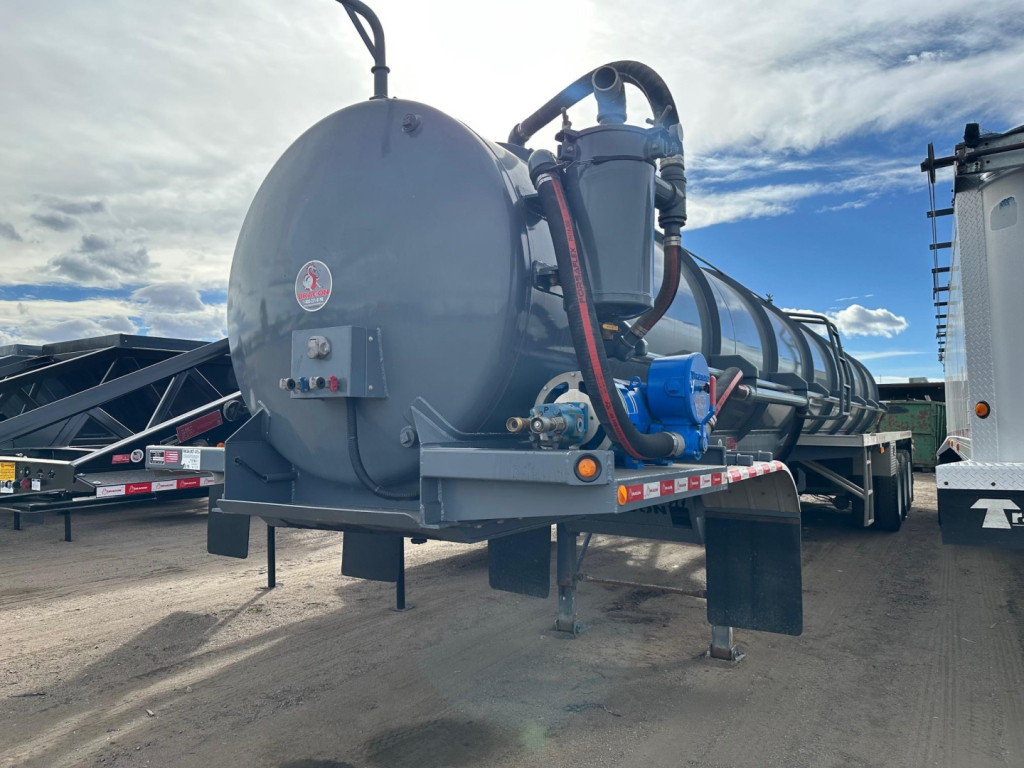
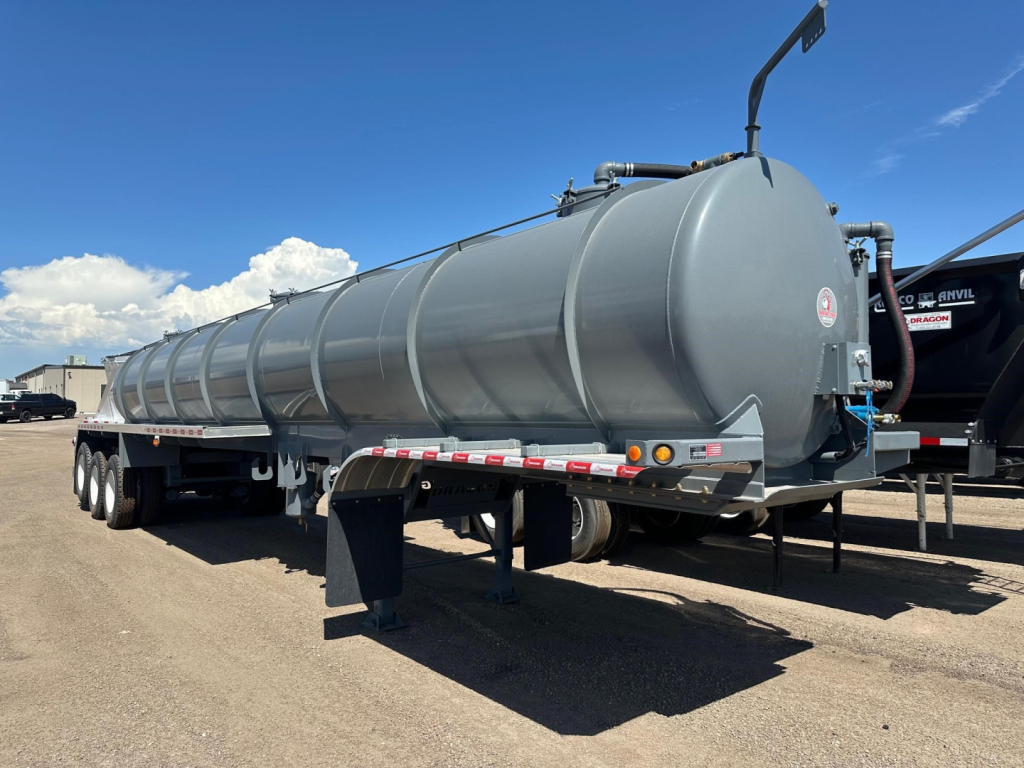
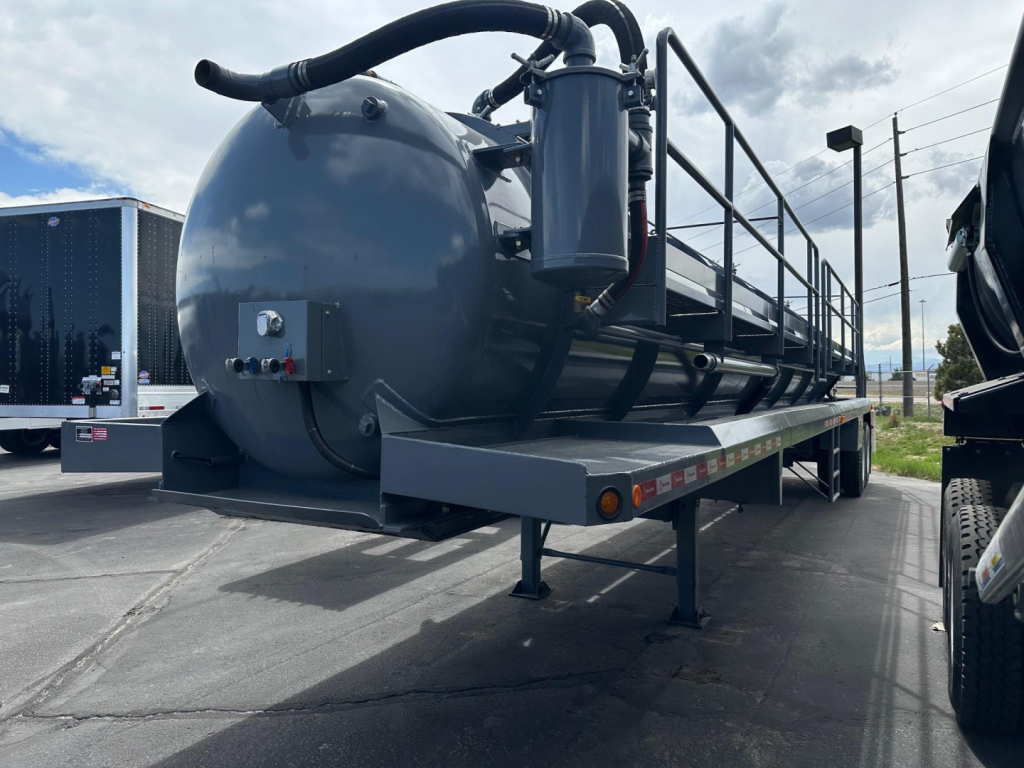
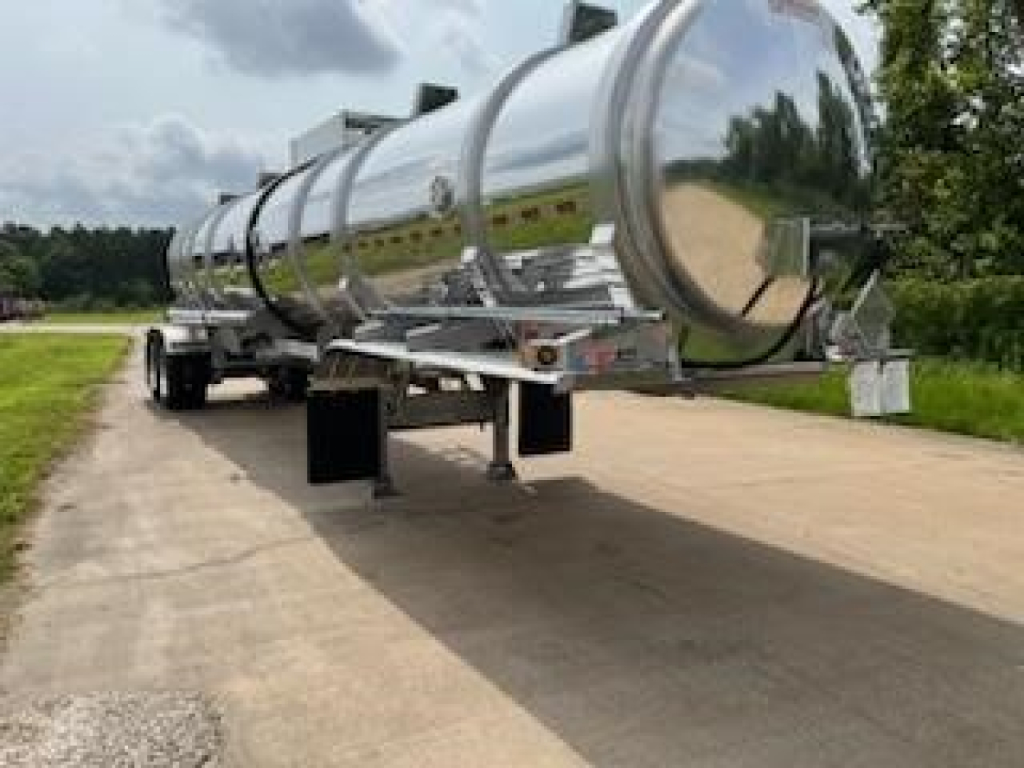
A key buying decision is the difference between non-code vacuum water trailers and DOT 407 tank trailers. Non-code vacuum trailers are typically used for produced water, drilling fluids, and general oilfield service where the product and operating requirements do not call for a pressure code tank. These trailers often use straight-round steel tanks, single-compartment layouts, multiple dome lids, internal baffles, hose troughs, tow hooks, and pump packages from established suppliers such as Fruitland. DOT 407 Dragon tank trailers are a different class altogether, commonly spec'd in aluminum with features like bottom loading, vapor recovery, cleanouts, thermometers, manholes, and insulated or jacketed construction for petroleum and hazardous liquid service.
Axle setup, suspension, and weight distribution matter as much as tank capacity. Tandem axle Dragon vac trailers are a practical fit where maneuverability and lower empty weight are priorities, while tri-axle configurations with a rear lift axle can help operators manage heavier payloads and axle loading on state and local roads. Air ride suspension is a common choice because it improves ride quality, helps protect the tank and running gear on uneven surfaces, and can reduce shock to mounted pumps and plumbing. Buyers should also look closely at tire size, wheel material, bumper design, landing gear, and catwalk safety equipment, especially if the trailer will spend time on unpaved access roads or in winter conditions common across parts of Colorado.
The most useful way to compare Dragon trailers is by application, not just by year or capacity. A water vacuum trailer for lease service needs the right pump, dump valve arrangement, hose storage, and access points for fast field work. A crude oil or chemical-spec tank trailer needs the correct code, loading and unloading setup, compartment configuration, insulation package, and vapor system for the product being hauled. Tank material also matters. Aluminum can reduce tare weight and resist corrosion in certain product applications, while mild steel remains common on vacuum tanks where ruggedness and repair familiarity are priorities. Buyers who match the trailer spec to the product, route, and loading process usually end up with better uptime and fewer compliance issues.
Frequently Asked Questions about Dragon Trailers in Colorado
What are Dragon trailers commonly used for?
Dragon trailers are commonly used in oilfield, water hauling, crude oil, and liquid tank applications. The most common configurations include non-code vacuum water trailers for produced water and field service, plus DOT 407 tank trailers for petroleum and other regulated liquid products. Their specs often emphasize high capacity, durable tank construction, and running gear suited for rough roads and repeated loading cycles.
What is the difference between a Dragon vacuum trailer and a DOT 407 Dragon tanker?
A Dragon vacuum trailer is generally a non-code tank used for water, waste, or oilfield service materials that do not require a DOT-spec pressure or hazardous materials tank. A DOT 407 Dragon tanker is built to a recognized cargo tank code and is used for certain regulated liquid products, often with features such as bottom load plumbing, vapor recovery, insulation, cleanouts, and specialized valves. The intended product and regulatory requirements should determine which type fits the job.
Is a tandem axle or tri-axle Dragon trailer better?
A tandem axle Dragon trailer can be the better choice when maneuverability, lower empty weight, and simpler maintenance are more important than maximum legal payload. A tri-axle setup, especially with a lift axle, is often preferred when operators need to spread weight more effectively and carry heavier loads within bridge and axle limits. The right answer depends on the tank capacity, the roads traveled, and the weight laws in the trailer's operating region.
What tank materials are common on Dragon trailers?
Dragon trailers in these applications are commonly built in mild steel or aluminum, depending on the service. Mild steel is widely used on vacuum water trailers because it is robust, familiar to repair shops, and well suited for tough oilfield conditions. Aluminum is common on DOT code tankers because it helps reduce tare weight and offers corrosion resistance advantages in many liquid product applications.
What should buyers check first on a used Dragon tank trailer?
Buyers should start with the tank code or non-code status, the product history, and the condition of the suspension, axles, brakes, tires, and wheels. On vacuum units, inspect the pump, dome lids, baffles, dump valves, and hose storage areas. On DOT 407 units, confirm the cargo tank specification, test and inspection status, vapor recovery components, bottom load system, manholes, and any insulation or jacketing. A trailer that matches the intended product and has current compliance documentation is usually a far better buy than one chosen on price alone.