
2026 Dragon Trailers For Sale in Colorado
Browse 2026 Dragon trailers, including crude oil and vacuum tank trailers with oilfield-ready specs, durable construction, and high-capacity designs.
Selling a 2026 dragon trailer? List your 2026 dragon trailer for sale and reach thousands of commercial buyers.
2026 Dragon Trailers in Colorado
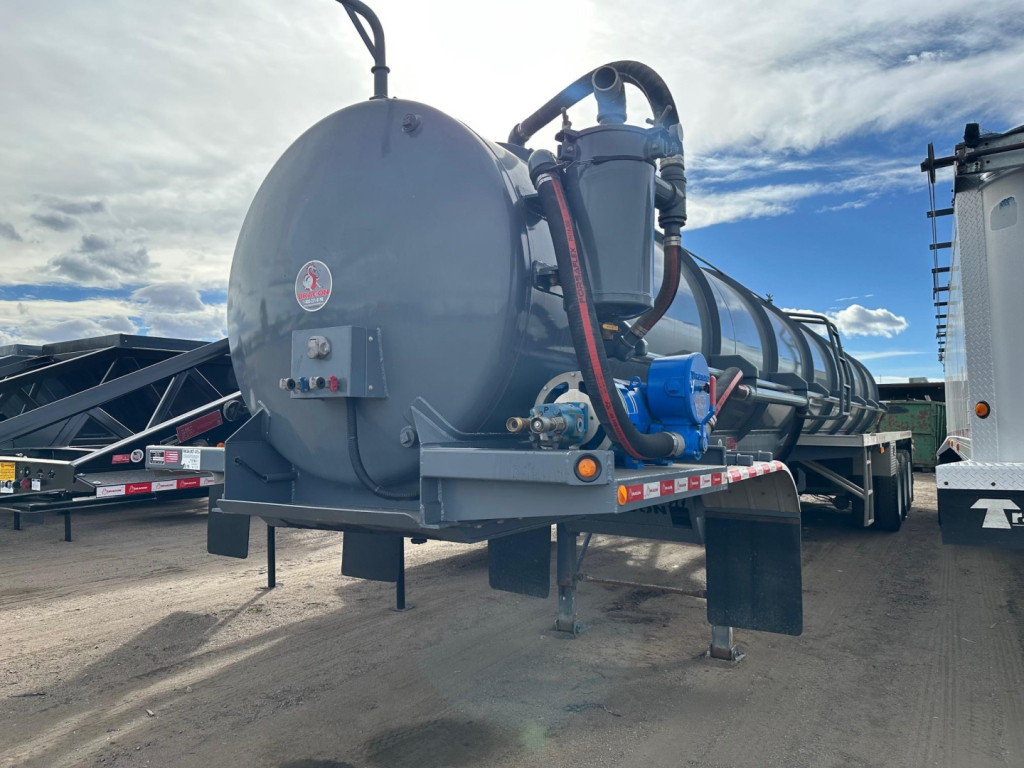
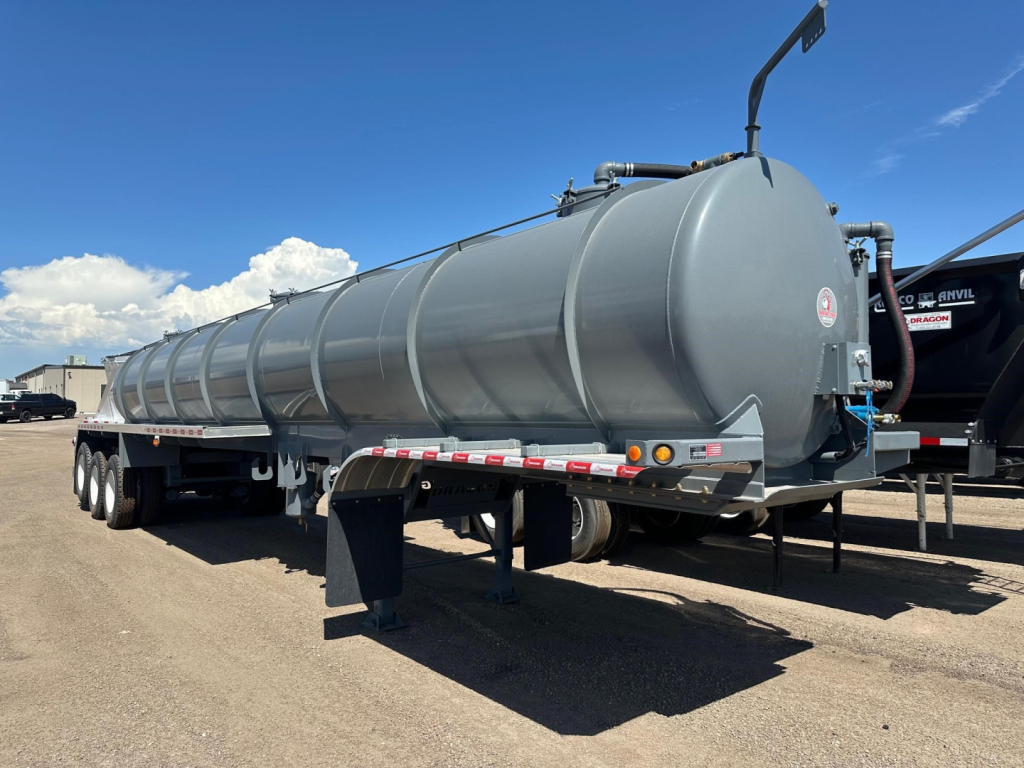
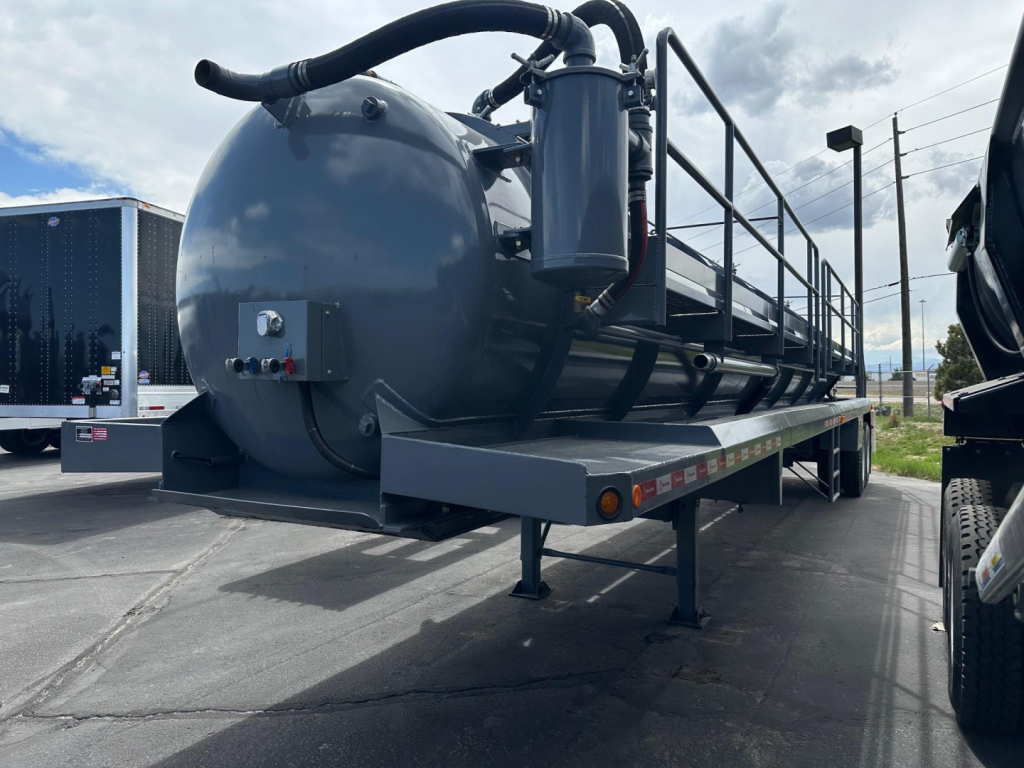
On the vacuum side, Dragon non-code water vacuum tankers are commonly spec'd in barrel capacities such as 130 BBL and 165 BBL, often with one compartment, internal baffles, multiple dome lids, hose troughs, level gauges, and catwalks with safety rails. Common running gear includes tandem or tri-axle configurations, air ride suspension, 11R24.5 rubber, and in heavier specs a rear lift axle to help manage bridge laws and tire wear. Many buyers also look closely at the vacuum system itself, especially pump brand, serviceability, and line routing. A Fruitland pump is a familiar spec in this segment, and it matters because uptime in water transfer, produced water, and lease service work depends as much on pump reliability as tank construction.
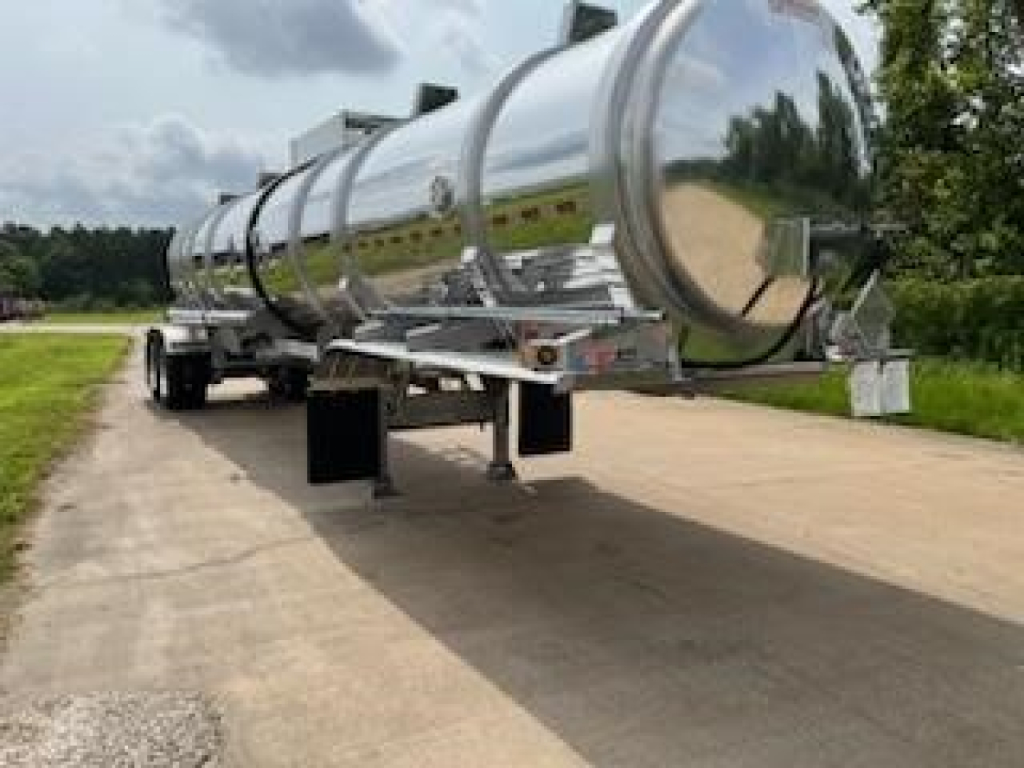
For crude applications, Dragon aluminum double conical crude trailers are typically built for payload efficiency and controlled product handling. A DOT 407-style spec, single-compartment tank, vapor recovery, bottom loading, cleanouts, thermometer package, and manhole access are all features that can matter depending on the product stream and terminal requirements. Capacity, overall length, kingpin setting, suspension, and wheel spec all affect legal payload and maneuverability in Colorado and surrounding mountain and plains markets. Buyers hauling crude should also verify the unloading package, pump setup, and safety items such as placards, ladders, work lights, fenders, and heavy-duty rear protection.
A smart buying decision in this category comes down to matching the trailer to the exact job cycle. Non-code vacuum trailers fit water, saltwater, and general oilfield fluid service where hazardous-spec tank code is not required. Crude tank trailers need the right code and vapor-control features for regulated petroleum hauling. In both cases, Dragon trailers are typically evaluated on barrel or gallon capacity, tank material, suspension type, axle count, dome and valve layout, and field-service details like toolboxes, chain hangers, tire carriers, and landing gear. For buyers shopping 2026 Dragon trailers, the best comparison is not just year and price, but how well the spec supports legal payload, pump performance, maintenance access, and the demands of the route and product.
Frequently Asked Questions about 2026 Dragon Trailers in Colorado
What types of 2026 Dragon trailers are most common on the market?
The most common 2026 Dragon trailers in this segment are vacuum tank trailers and crude oil tank trailers. Vacuum units are often non-code water tankers used in oilfield and industrial fluid service, while crude trailers are built for regulated petroleum hauling with the appropriate tank code and vapor-handling equipment. The main difference is not just product type, but the legal and operational requirements tied to each application.
What should I look for when buying a 2026 Dragon vacuum trailer?
Start with capacity, axle configuration, and vacuum pump spec. A 130 BBL tandem axle trailer works differently in the field than a 165 BBL tri-axle with a lift axle, especially when road limits, turning radius, and off-road approach conditions matter. Then review tank internals such as baffles, dome lid count, hose storage, catwalk access, dump valves, and level gauge placement. Pump brand and ease of service are critical because vacuum performance and maintenance costs directly affect jobsite productivity.
Are Dragon crude oil trailers typically aluminum or steel?
Many crude oil trailer buyers focus on aluminum construction because it helps reduce tare weight and improve legal payload, but the right material depends on the commodity, corrosion exposure, and operating environment. In crude service, aluminum double conical tanks are common because they balance capacity with weight savings. Buyers should still verify the complete tank specification, including code compliance, loading and unloading setup, and vapor recovery equipment rather than choosing by material alone.
How important is axle layout on a Dragon tank trailer?
Axle layout is one of the most important spec decisions because it affects legal payload, tire wear, bridge compliance, and maneuverability. Tandem axle configurations are common for lighter or shorter trailers, while tri-axle layouts and lift axles are often used on higher-capacity vacuum tankers. In Colorado and surrounding states, terrain and route restrictions can make axle spacing and suspension choice just as important as raw tank volume.
What is the difference between a non-code vacuum tank and a coded crude tank trailer?
A non-code vacuum tank is generally used for water, saltwater, and other fluids where a DOT-coded hazardous specification is not required. A crude tank trailer is built to a regulated standard for hauling petroleum products and usually includes features such as vapor recovery, approved loading and unloading components, and compliance markings. Buyers need to confirm the trailer matches the exact product and jurisdiction because using the wrong tank specification can create both safety and compliance problems.