
2026 Dragon Trailers For Sale
Shop 2026 Dragon trailers including vacuum, tank, and drop deck models. Compare capacities, specs, axle setups, and application-focused features.
Selling a 2026 dragon trailer? List your 2026 dragon trailer for sale and reach thousands of commercial buyers.
2026 Dragon Trailers
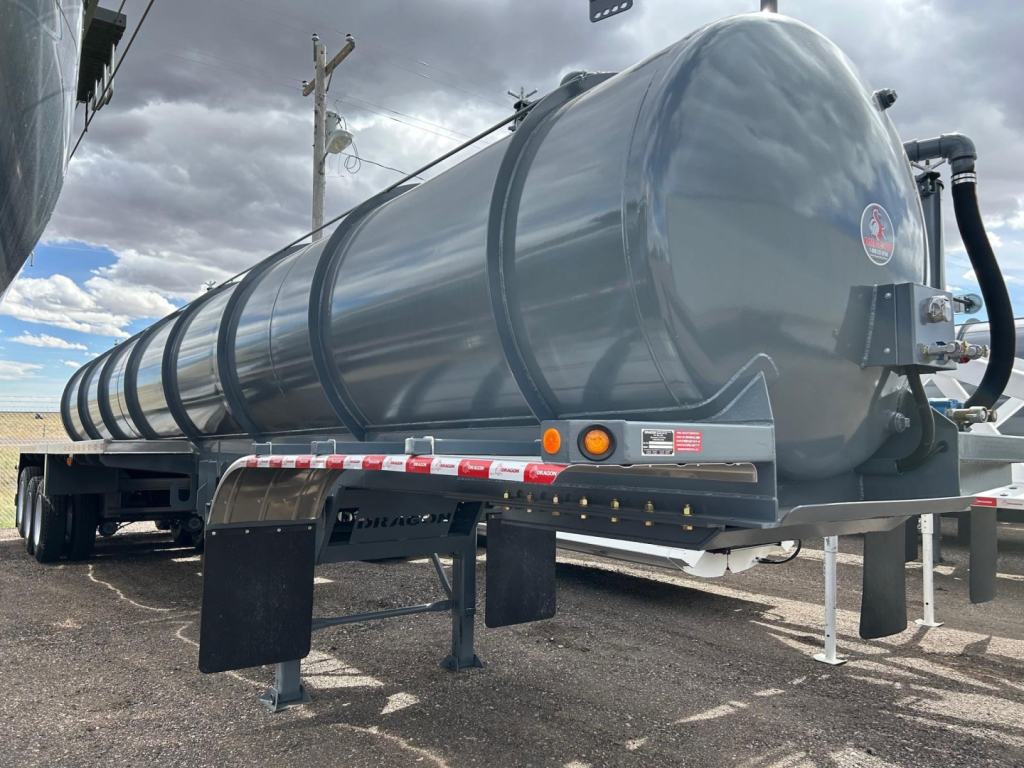
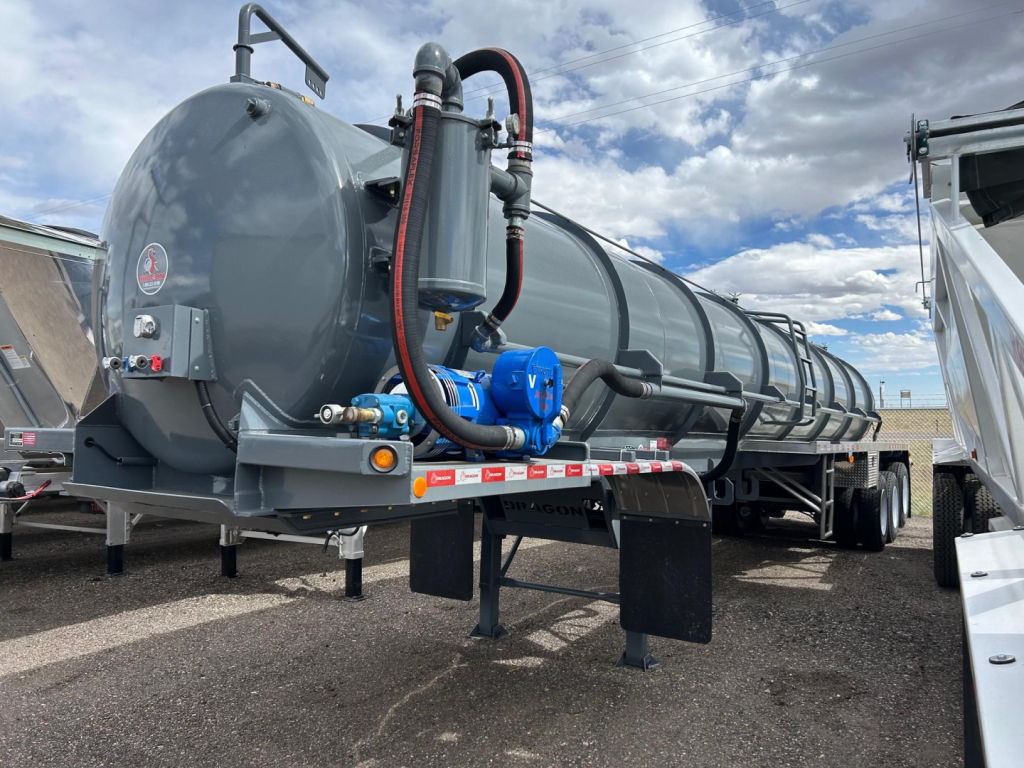
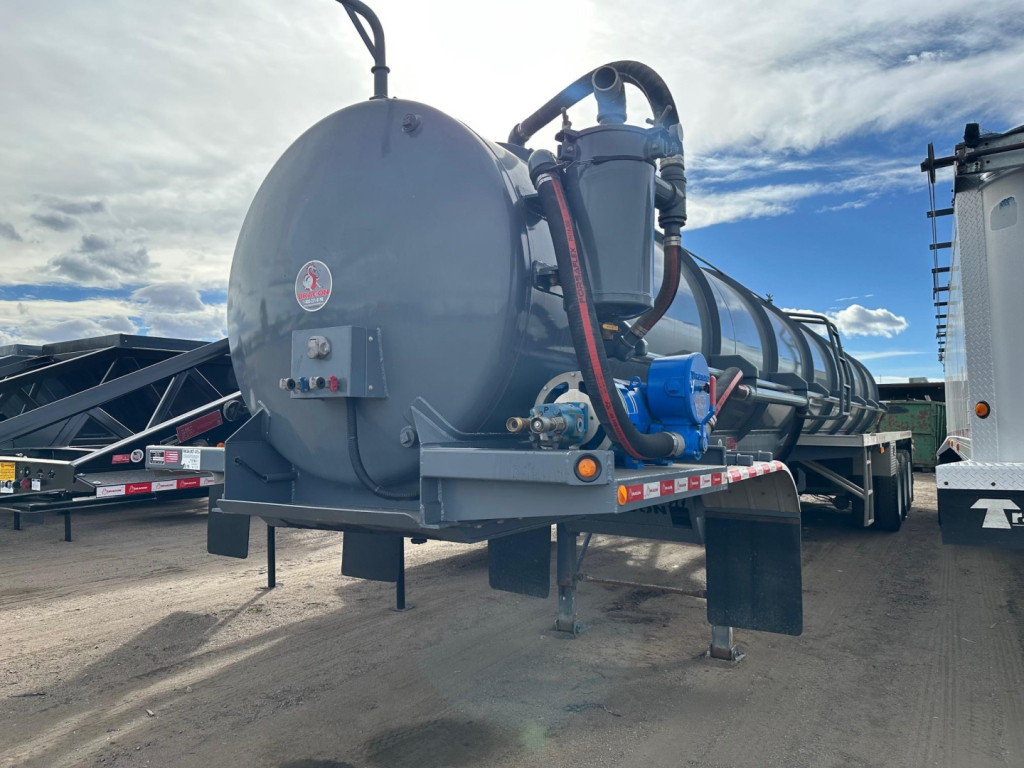
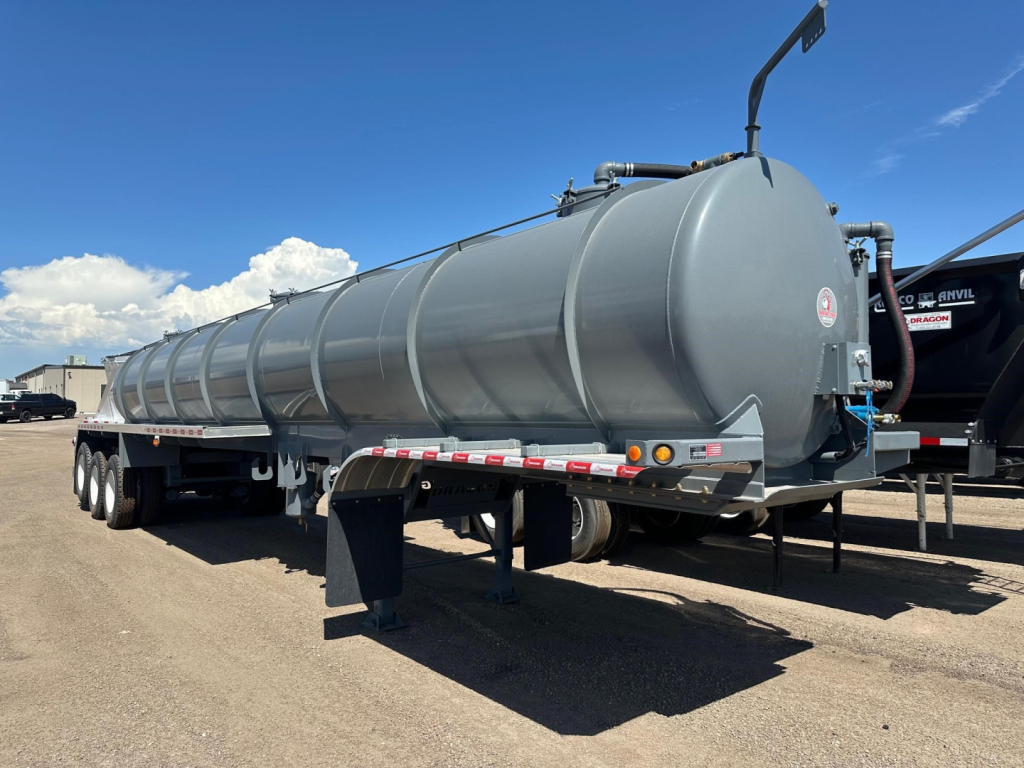
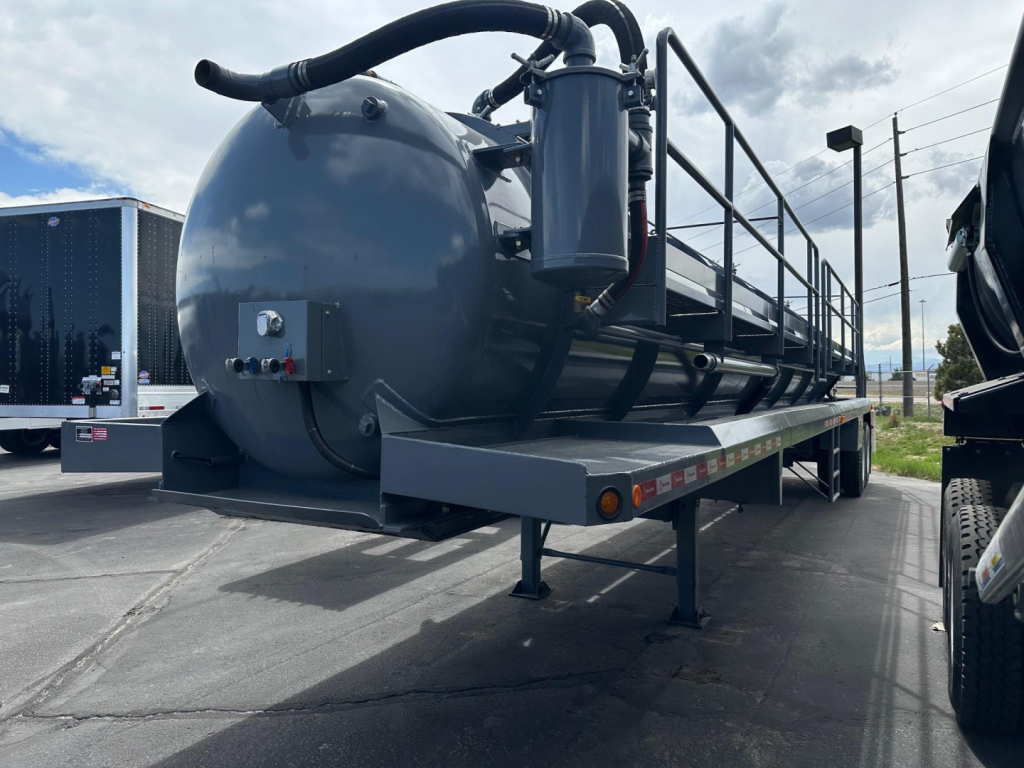
On Dragon vacuum trailers, common buyer checkpoints include 130 BBL and 165 BBL capacities, tandem or tri-axle layouts, air ride suspension, and straight-round steel tanks built for rugged jobsite use. Many are set up with multiple dome lids or manways, hose troughs, catwalks with safety rails, level gauges, work lights, chain hangers, and heavy-duty landing gear. Pump choice matters because it directly affects load times and productivity, especially in oilfield service. Buyers should also look at tire size, steel versus aluminum wheel spec, bumper and tow hook setup, and whether the trailer has baffles for better load control. For rough-field and regional hauling, those details make a real difference in durability and day-to-day ease of use.
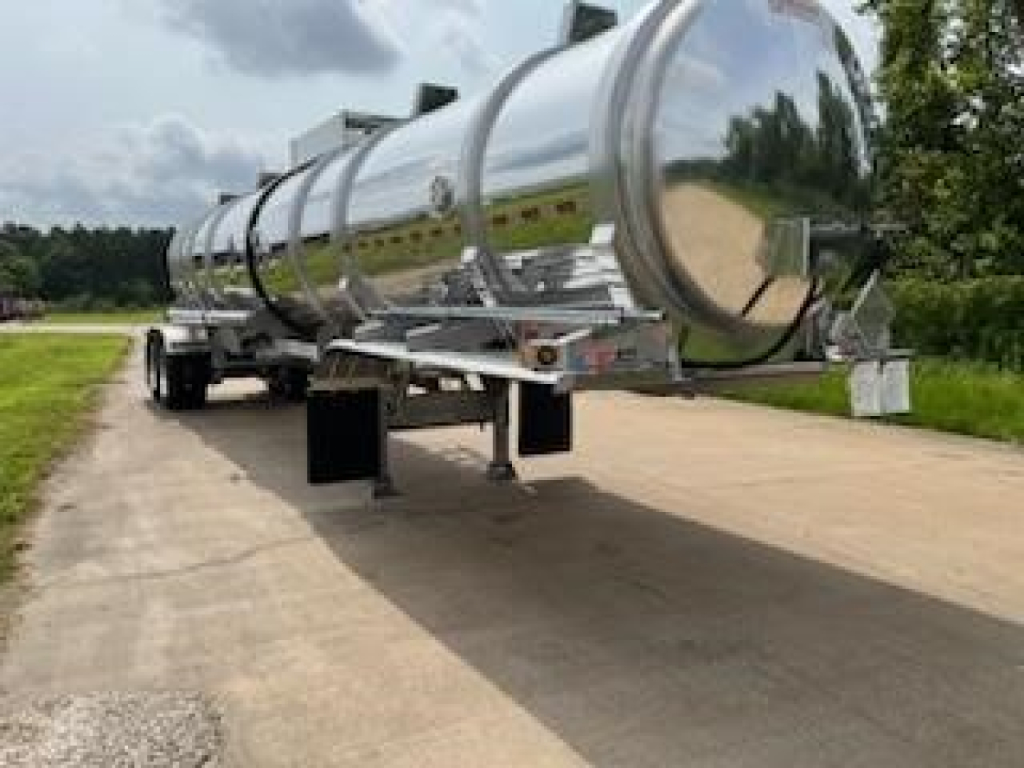
Dragon tank trailers built for crude oil or industrial liquid service are often aluminum, single-compartment designs with features such as bottom load plumbing, vapor recovery, cleanouts, thermometers, and DOT 407 construction. In this category, the important questions are product compatibility, compartment layout, insulation or jacketing, and how the trailer is configured for loading and unloading at the racks you use. Capacity often lands in the 8,000-gallon range, but the more useful buying metric is payload efficiency relative to your product weight and route restrictions. Suspension type, axle spread, and wheel material also affect tare weight, maintenance cost, and resale strength.
Dragon drop deck trailers are a different buying decision but follow the same work-first logic. Typical specs include 53-foot overall length, 102-inch width, tandem axles, air ride suspension, closed tandem configuration, Apitong flooring, sliding winches, and standard 24-inch kingpin settings. For machinery, steel, palletized freight, and mixed open-deck work, crossmember spacing, loaded deck height, lower deck length, and tie-down equipment matter more than brand decals. A buyer comparing 2026 Dragon trailers should match the trailer to the freight first, then confirm structural spec, suspension, tire package, and serviceability. That approach usually leads to better uptime and a trailer that fits the lane instead of forcing the operation to work around the trailer.
Frequently Asked Questions about 2026 Dragon Trailers
What are the most common 2026 Dragon trailer types on the market?
The most common 2026 Dragon trailers are vacuum tank trailers, crude oil or liquid tank trailers, and drop deck trailers. Vacuum models are heavily used in oilfield and industrial fluid service, while DOT-code tank trailers are built for regulated liquid hauling. Dragon drop decks are geared toward open-deck freight such as equipment, steel, building materials, and general machinery transport.
What is the difference between a non-code Dragon vacuum trailer and a DOT-spec tank trailer?
A non-code vacuum trailer is generally intended for applications such as water, waste, and certain field-service fluids where a DOT cargo tank code may not be required for the product being hauled. A DOT-spec tank trailer, such as a DOT 407 unit, is built for regulated service and must meet specific construction, safety, and inspection standards. Buyers need to match the trailer's code status to the commodity, the route, and the compliance requirements of the operation before purchase.
What capacities are typical for Dragon vacuum trailers?
Dragon vacuum trailers commonly show up in 130 BBL and 165 BBL configurations, which translate to roughly 5,460 gallons and 6,930 gallons. Capacity choice should be based on product weight, legal axle limits, and the type of work being done. In many cases, a larger barrel rating improves site productivity, but only if the axle setup and gross weight distribution still work for the roads and jurisdictions where the trailer will run.
What specs matter most when buying a Dragon drop deck trailer?
The most important drop deck specs are overall length, upper and lower deck dimensions, deck height, crossmember spacing, kingpin setting, axle position, suspension, and tie-down equipment. Flooring material such as Apitong, the number of sliding winches, and whether the trailer has a closed tandem setup also affect how versatile it is for your freight. Buyers hauling heavier point loads should pay close attention to frame design and deck structure, not just posted capacity.
What should buyers check on a Dragon tank trailer used for crude oil or liquid service?
Buyers should verify the tank code, compartment count, gallon capacity, construction material, insulation or jacket spec, and loading and unloading equipment. Features such as bottom load plumbing, vapor recovery, cleanouts, thermometer packages, and manway configuration need to fit the terminal and product requirements. It is also smart to review suspension, wheel-end spec, and tare weight, because those details affect maintenance intervals, legal payload, and long-term operating cost.