
2026 Dragon Vacuum Trailers For Sale
Shop 2026 Dragon vacuum trailers with 130-165 BBL capacities, air ride suspensions, and vacuum tanker specs for water and fluid hauling.
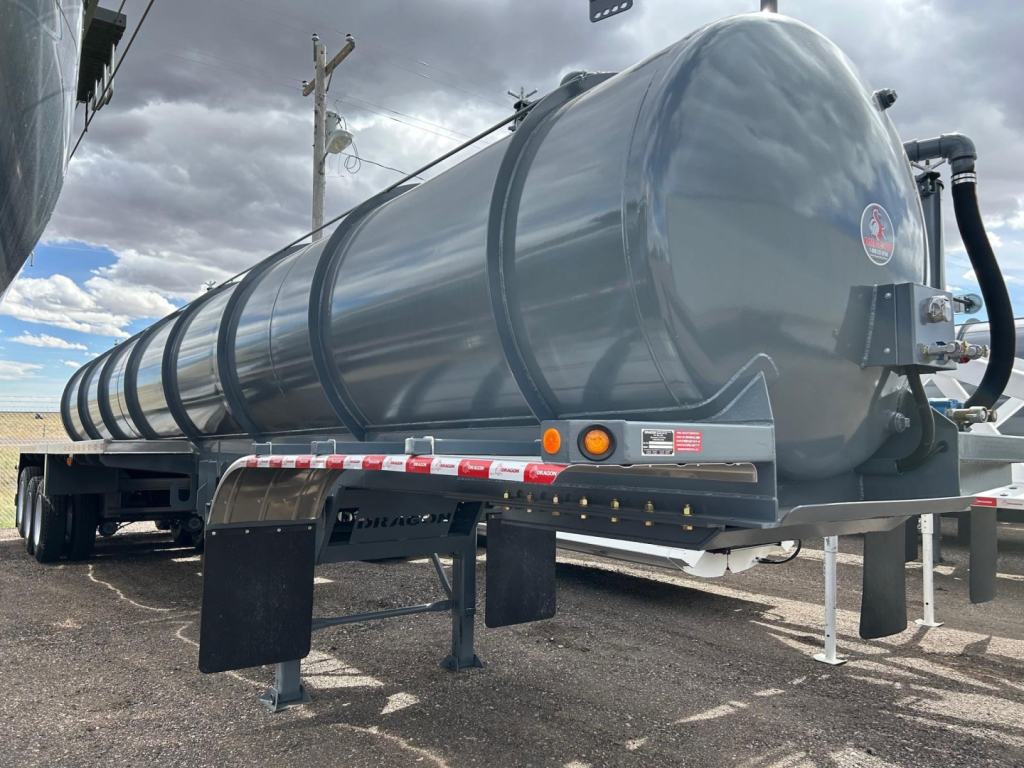
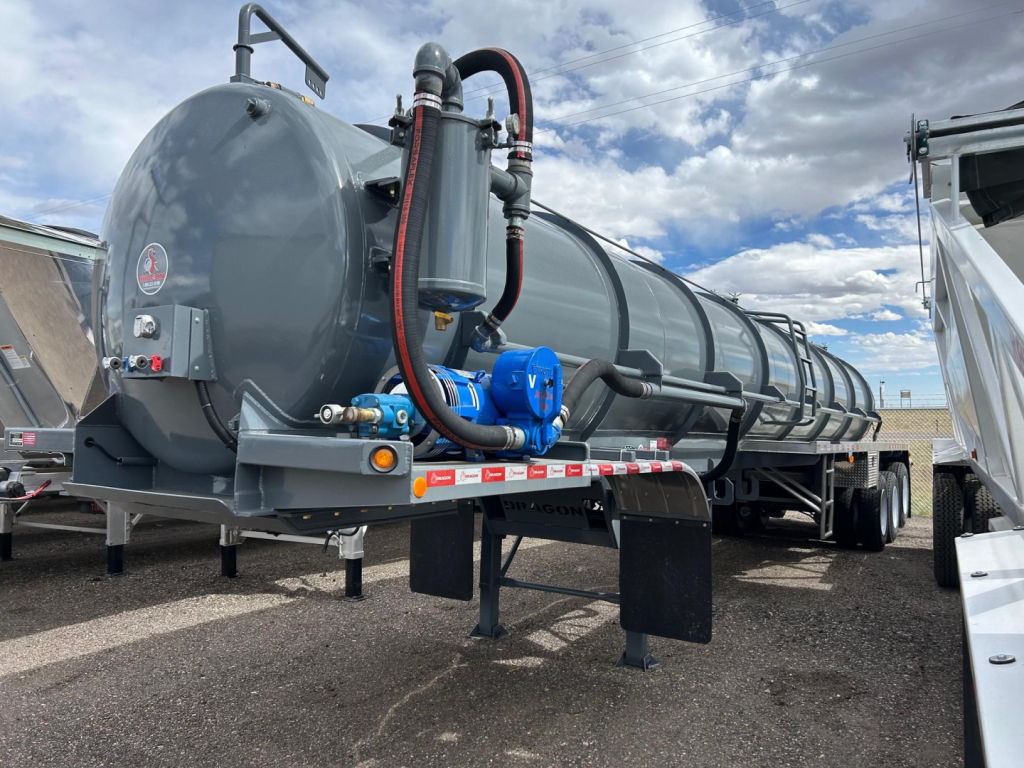
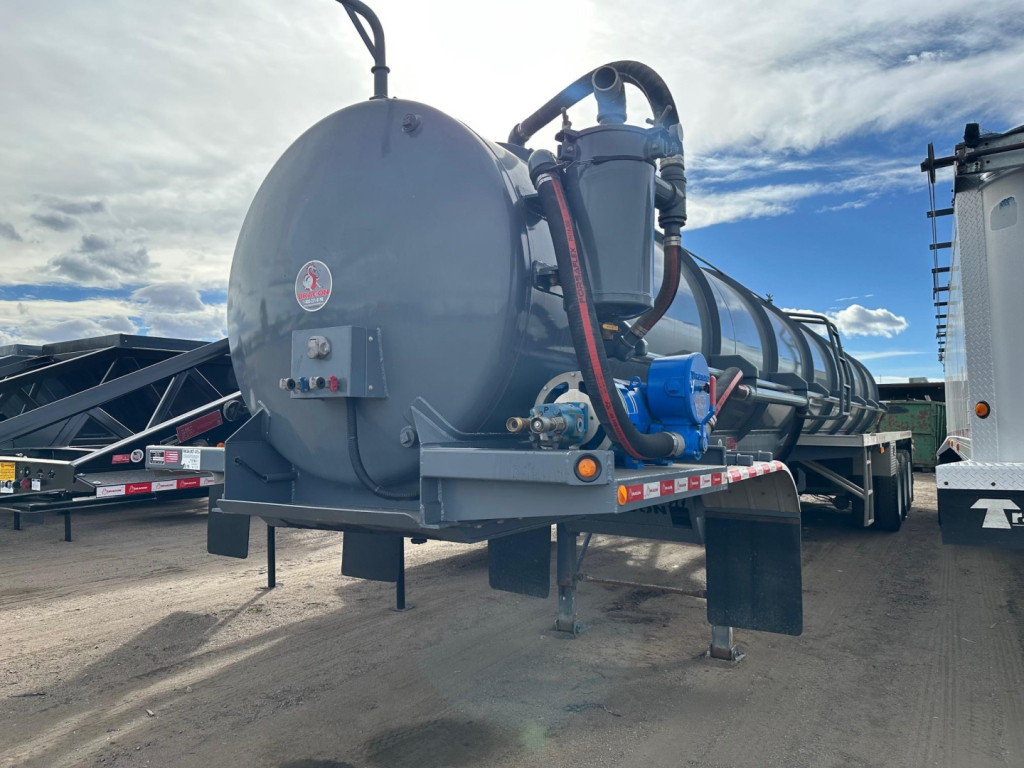
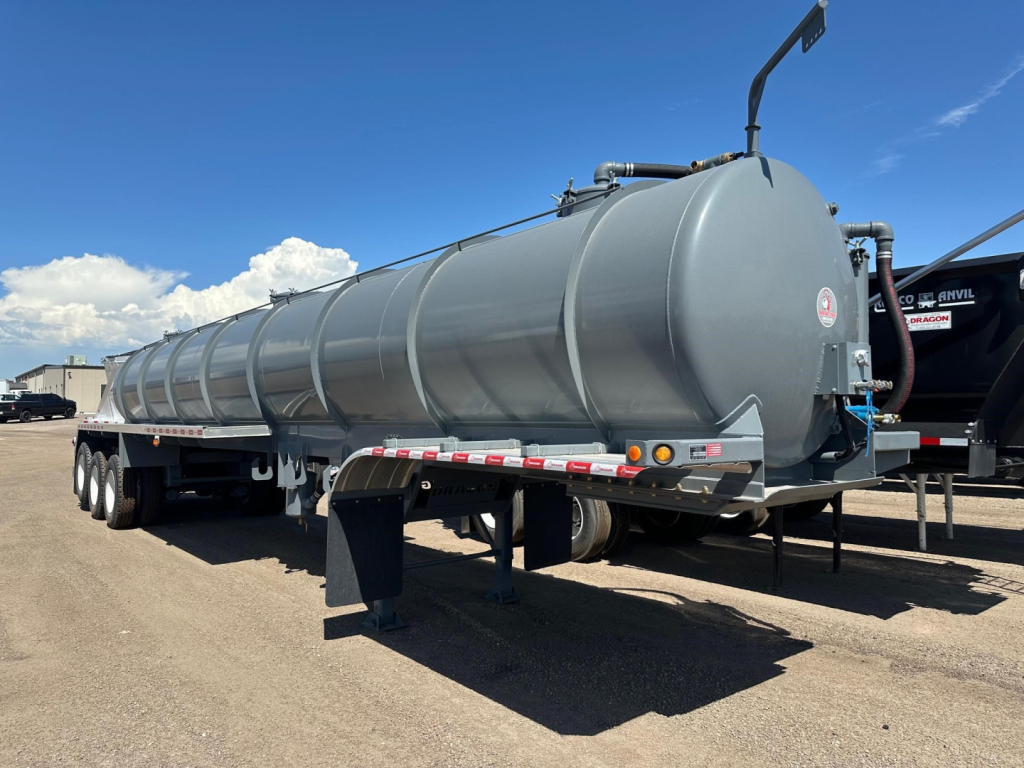
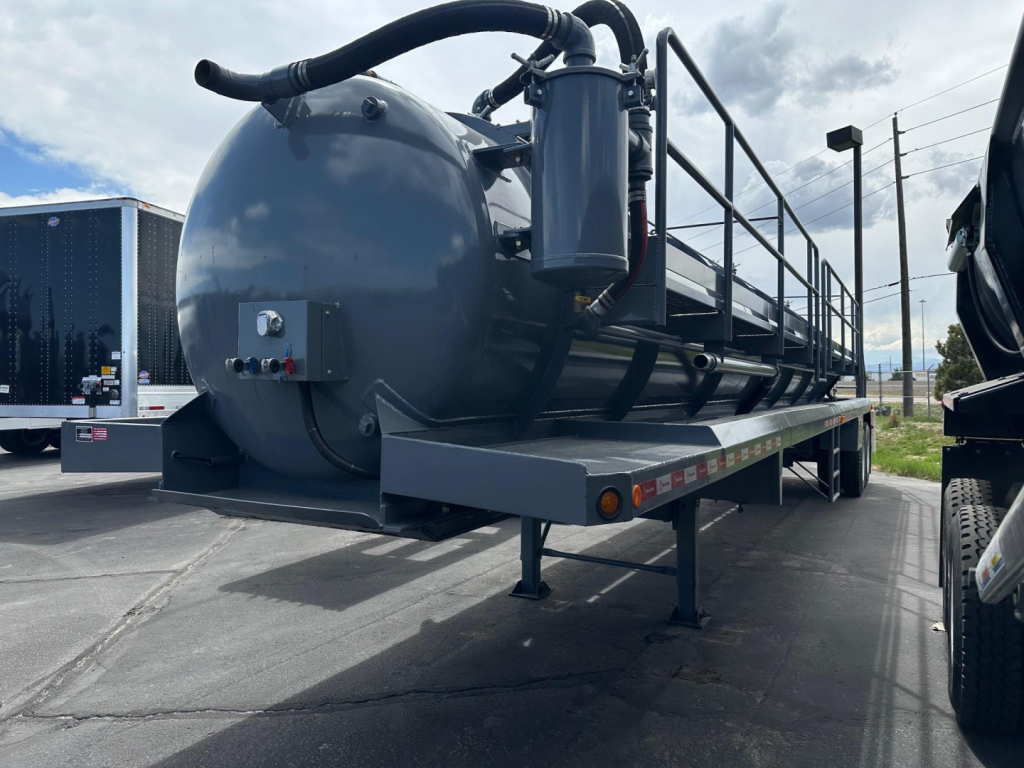
Selling a 2026 dragon vacuum trailer? List your 2026 dragon vacuum trailer for sale and reach thousands of commercial buyers.
2026 Dragon Vacuum Trailers
Capacity and axle layout should be the first buying decisions. A 130 BBL vacuum trailer is a common choice for operators balancing maneuverability with useful payload, while 165 BBL tri-axle units are better suited for heavier-volume routes and operations trying to maximize each trip. Air ride suspension is common on this class because it helps protect the trailer structure, improves stability on uneven lease roads, and can reduce shock transferred to the tank and running gear. Buyers should also pay attention to tire size, wheel spec, overall trailer length, and whether the trailer includes a lift axle, since all of those factors affect bridge compliance, turning radius, and loaded wear costs.
Tank configuration details matter more than many first-time buyers expect. Common specs in this category include a single-compartment tank, internal baffles for surge control, multiple dome lids for access, hose troughs, catwalks with safety rails, chain hangers, work lights, and level gauges. Vacuum system setup is equally important. A trailer equipped with a well-known pump such as a Fruitland unit can be attractive to fleets that want familiar parts support and predictable maintenance intervals. Discharge arrangements, manual dump valves, rear blowdown capability, and the number and location of valves all affect cycle time at the jobsite. Material choice also deserves attention, since aluminum and steel tank construction each bring different tradeoffs in tare weight, corrosion resistance, and repair practices.
For most buyers, the best Dragon vacuum trailer is the one matched to the product being hauled, the region's road limits, and the service environment. Non-code water vacuum trailers are commonly used for produced water, drilling fluids, wash water, and other non-hazardous liquid waste streams, but tank spec should always be checked against the intended commodity and local regulations. Look closely at landing gear type, bumper and tow hook setup, fender package, and access hardware if the trailer will see frequent field use. A clean vacuum trailer spec is not just about barrel count. It is about safe loading and unloading, dependable vacuum performance, manageable maintenance, and legal payload on the lanes you actually run.
Frequently Asked Questions about 2026 Dragon Vacuum Trailers
What capacity range is common for a Dragon vacuum trailer?
A common capacity range for Dragon vacuum trailers is about 130 BBL to 165 BBL, depending on the tank design and axle setup. A 130 BBL trailer often fits operators who need a good balance of payload and maneuverability, while a 165 BBL trailer is more common in higher-volume applications where route conditions and weight laws support a larger tank. Capacity should always be evaluated alongside tare weight, suspension type, and local bridge limits.
What is the difference between a tandem axle and tri-axle vacuum trailer?
A tandem axle vacuum trailer typically offers simpler running gear and may be easier to maneuver in tighter areas, while a tri-axle trailer is designed to spread weight more effectively and support larger capacities. Tri-axle configurations are often chosen for 165 BBL tanks and can include a rear lift axle to improve flexibility when empty or lightly loaded. The right choice depends on payload targets, state weight limits, and the type of roads the trailer will regularly travel.
What does non-code water vacuum tanker mean?
A non-code water vacuum tanker is generally built for hauling non-hazardous liquids and waste streams that do not require a coded pressure vessel or a hazardous-spec tank. These trailers are commonly used in oilfield and industrial service for produced water, wash water, and similar fluids. Buyers should still confirm commodity compatibility, operating pressure requirements, and state or customer rules before assigning a trailer to a specific job.
Which features matter most on a vacuum trailer for field service work?
The most important field-use features usually include a reliable vacuum pump, internal baffles for surge control, safe tank access through dome lids and catwalks, hose storage, lighting, and a practical valve layout for faster unloading. Suspension type matters too, with air ride being a popular choice for ride quality and component protection. Details like toolboxes, tow hooks, level gauges, and fenders can also make a noticeable difference in daily uptime and operator convenience.
Is aluminum or steel better for a vacuum trailer?
Aluminum vacuum trailers usually offer lower tare weight and good corrosion resistance, which can help maximize payload and reduce some long-term rust concerns. Steel trailers can be attractive for durability in certain applications and may align better with some fleet repair practices, but they often carry more empty weight. The better material depends on the fluid being hauled, expected corrosion exposure, repair resources, and how important tare weight is to the operation.