
Dragon Vacuum Trailers For Sale
Shop Dragon vacuum trailers for oilfield and industrial fluid hauling. Compare barrel capacity, axle setups, suspension, tank construction, and options.
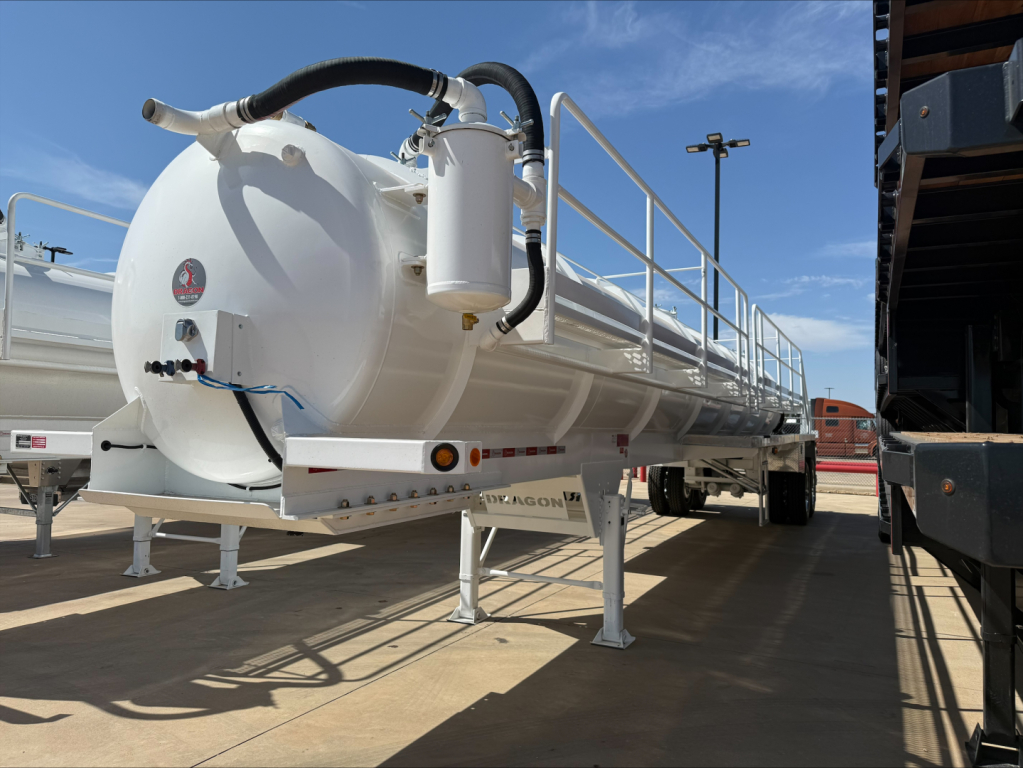
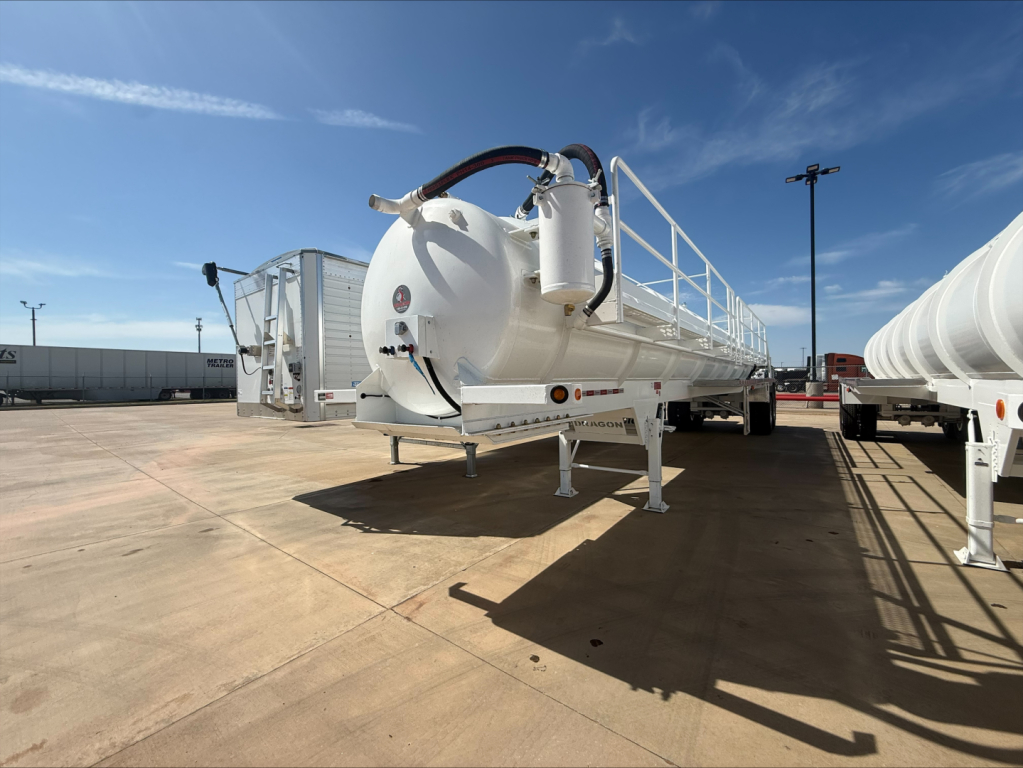
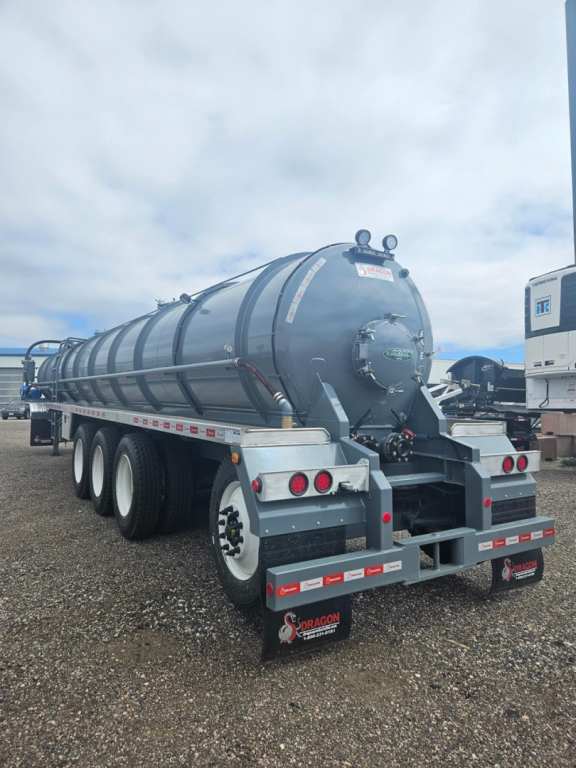
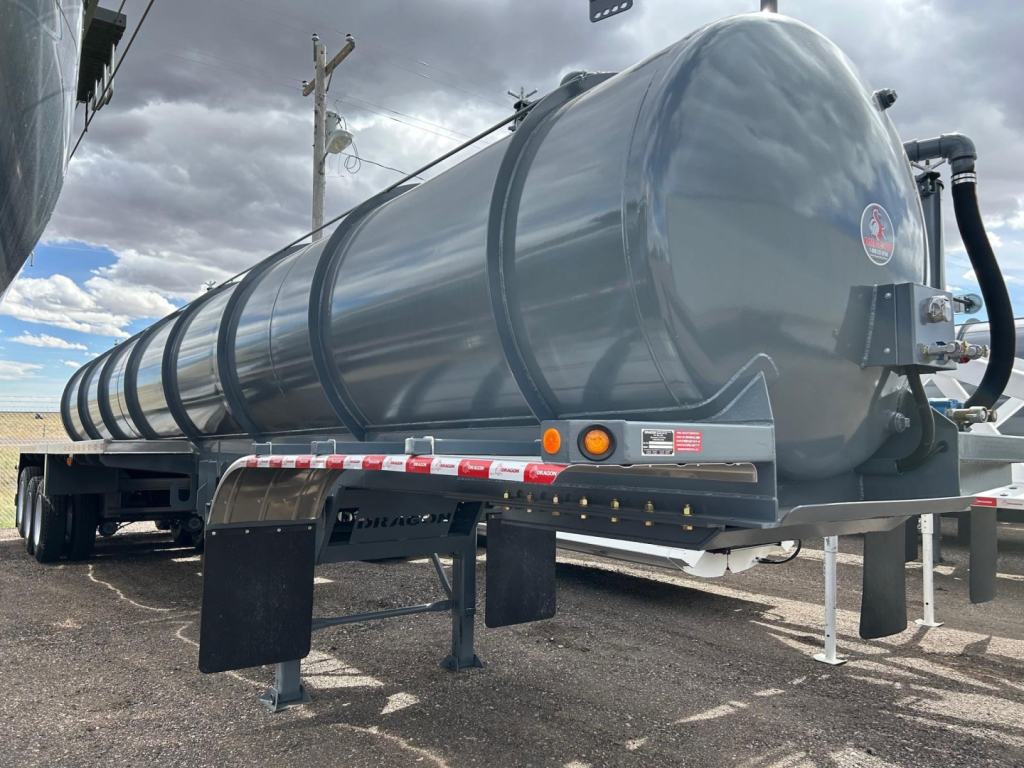

Selling a dragon vacuum trailer? List your dragon vacuum trailer for sale and reach thousands of commercial buyers.
Dragon Vacuum Trailers
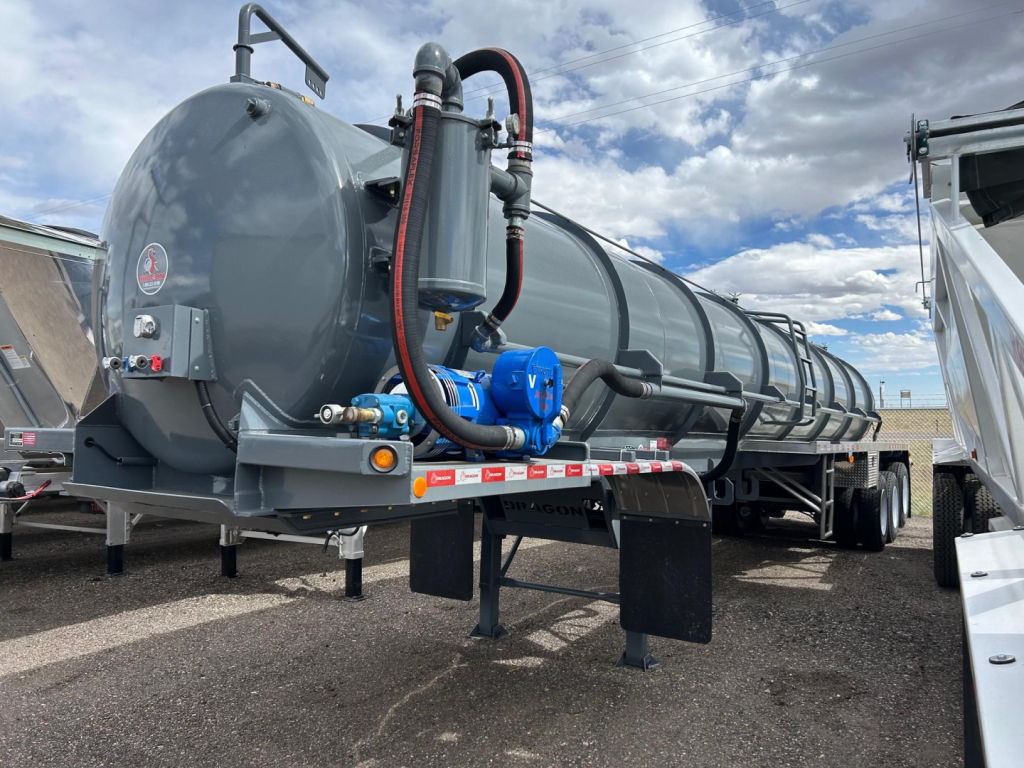
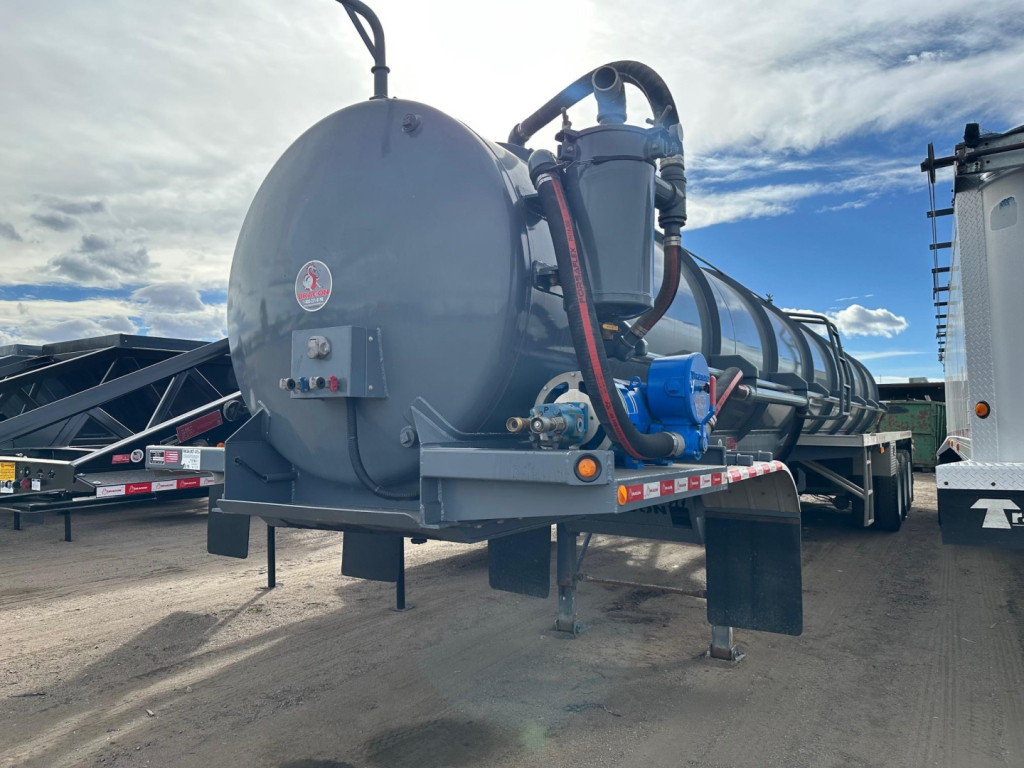
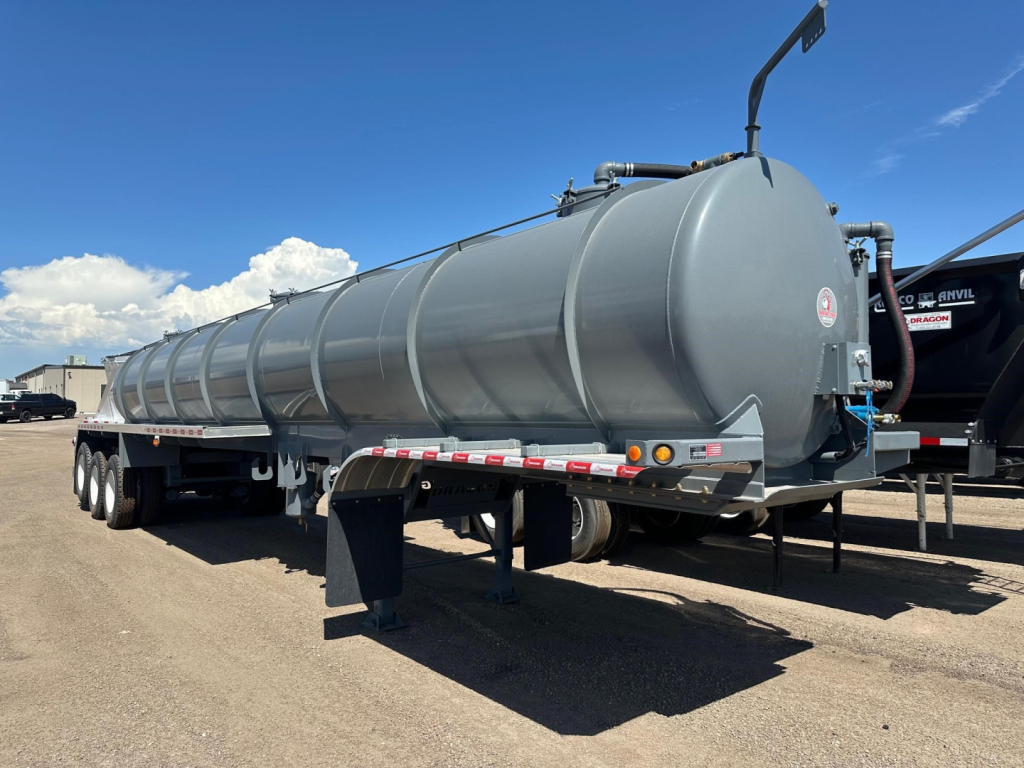
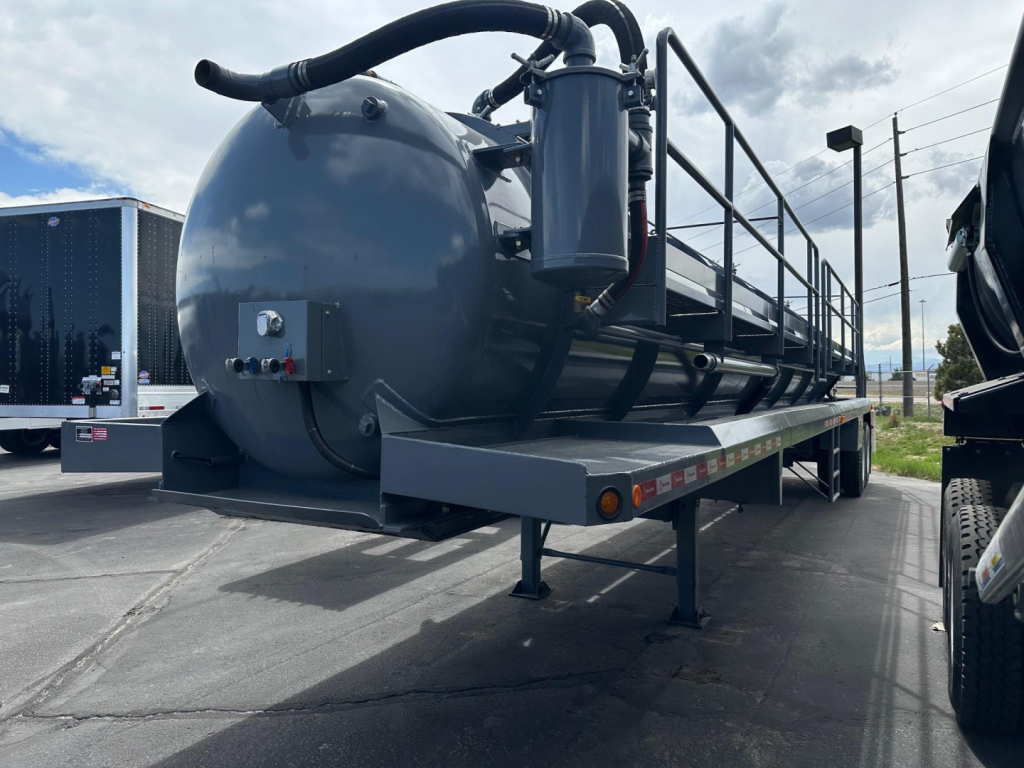
Tank construction and layout are critical on a Dragon vacuum trailer. Many are straight-round mild steel tanks with a single compartment, multiple dome lids or manways, internal baffles, and simple level-checking features such as sight glasses or level gauges. Mild steel remains common for non-code vacuum work because it offers a solid balance of cost, repairability, and structural strength in demanding service. Buyers should pay close attention to whether the trailer is non-code, the number and style of top openings, pump package, hose troughs, catwalks with safety rails, and rear plumbing or dump valve setup. A Fruitland pump is a common spec in this segment and is widely understood by service shops and operators.
Suspension, tire size, and axle arrangement have a direct effect on how the trailer performs in the field. Tandem axle Dragon vacuum trailers are common for 130 BBL units, while 165 BBL models often move into tri-axle configurations, sometimes with a rear lift axle to help manage bridge compliance, turning scrub, and empty return efficiency. Air ride suspension is popular for smoother road manners and reduced shock loading, although spring suspension still appears on some work-focused builds. Typical tire sizes include 11R24.5 and similar commercial sizes on steel wheels. Trailer length, landing gear strength, fenders, ICC bumper design, and tow hooks all matter if the unit will spend time on lease roads, transfer stations, or rough yard surfaces.
The most important buying question is not just capacity, but how the trailer matches your actual commodity, route, and regulatory environment. A non-code Dragon vacuum trailer may be exactly right for water and certain non-hazardous fluid service, but buyers hauling regulated commodities need to confirm code requirements, local jurisdiction rules, and customer site standards before purchase. It also pays to look at practical service details such as manway count, chain hangers, toolbox space, work lighting, insulated tank options, and access features for operators climbing the trailer multiple times a day. A well-spec'd Dragon vacuum trailer can be a productive asset for high-volume fluid hauling, but the right configuration depends on payload targets, road conditions, and how quickly the trailer can be loaded, unloaded, cleaned, and turned back into service.
Frequently Asked Questions about Dragon Vacuum Trailers
What is a Dragon vacuum trailer typically used for?
A Dragon vacuum trailer is commonly used for hauling water, produced water, drilling fluids, wastewater, and other non-hazardous liquids in oilfield and industrial service. Most examples in this category are non-code vacuum tank trailers designed for suction loading and gravity or pump-assisted unloading. They are often chosen for saltwater disposal routes, lease service, tank cleanout support, and general fluid transfer where large volume and rugged construction are priorities.
What capacities are common on Dragon vacuum trailers?
Common Dragon vacuum trailer capacities in this class include 130 BBL and 165 BBL, which are roughly 5,460 to 6,930 gallons depending on the exact build and allowance. A 130 BBL trailer is a common choice for tandem axle applications, while a 165 BBL trailer is often paired with a tri-axle setup for higher legal carrying capacity and better load distribution. The right size depends on commodity weight, legal axle limits, and how much maneuverability you need at customer sites.
Are Dragon vacuum trailers usually DOT code trailers?
Many Dragon vacuum trailers in oilfield water service are non-code trailers, which means they are generally intended for non-hazardous commodity applications rather than regulated hazardous material service. Buyers should verify the tank code status before assigning a trailer to any job. If the trailer will haul hazardous materials or enter sites with stricter compliance requirements, code certification, spec plates, and valve configuration should all be confirmed before purchase.
What specs matter most when comparing Dragon vacuum trailers?
The key specs are barrel capacity, axle count, suspension type, tank material, pump brand, manway configuration, and overall trailer length. Buyers should also evaluate baffle count, hose storage, catwalk and rail setup, tire size, wheel type, rear lift axle availability, and how the unloading system is arranged. These details affect legal payload, road handling, maintenance access, loading speed, and day-to-day usability in oilfield and industrial service.
Is air ride better than spring suspension on a vacuum trailer?
Air ride suspension is often preferred on vacuum trailers because it generally improves ride quality, reduces shock transfer to the tank and frame, and can help with stability on mixed road conditions. Spring suspension is simpler and can still be a practical choice for some operators, especially where ease of maintenance and lower upfront cost are the main priorities. The better option depends on your operating terrain, fleet maintenance practices, and how much highway travel the trailer will see.