
Dragon Vacuum Trailers For Sale in Colorado
Shop Dragon vacuum trailers for fluid hauling and oilfield service. Compare barrel capacity, axle setup, vacuum pump, and non-code tank specs.
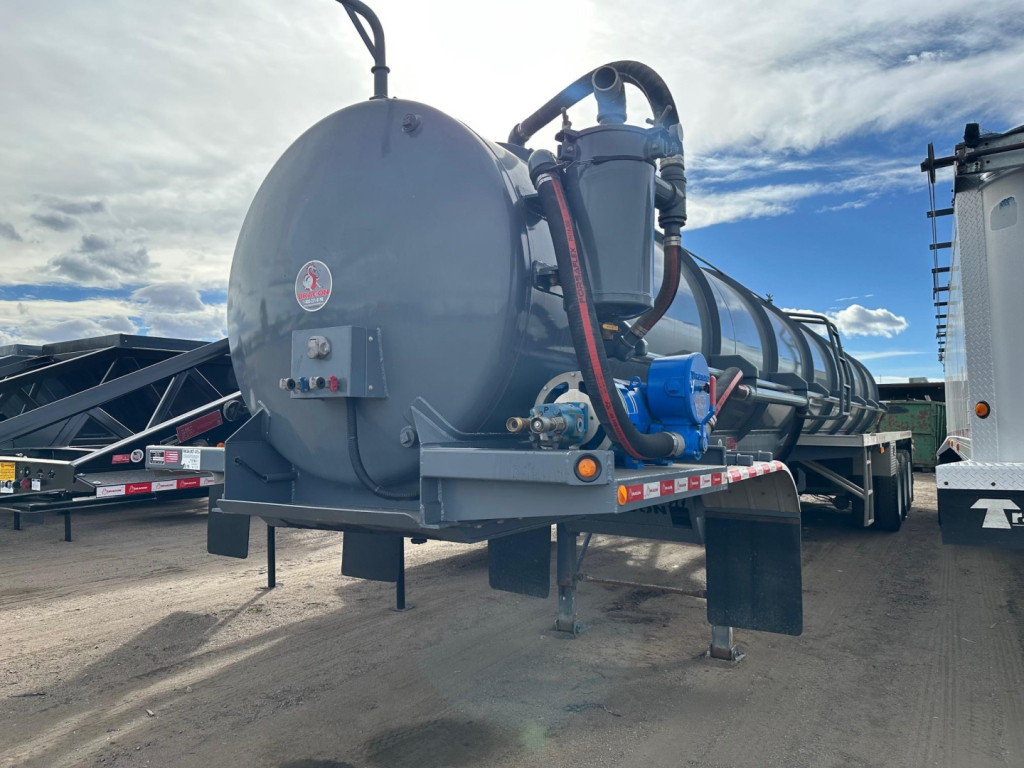
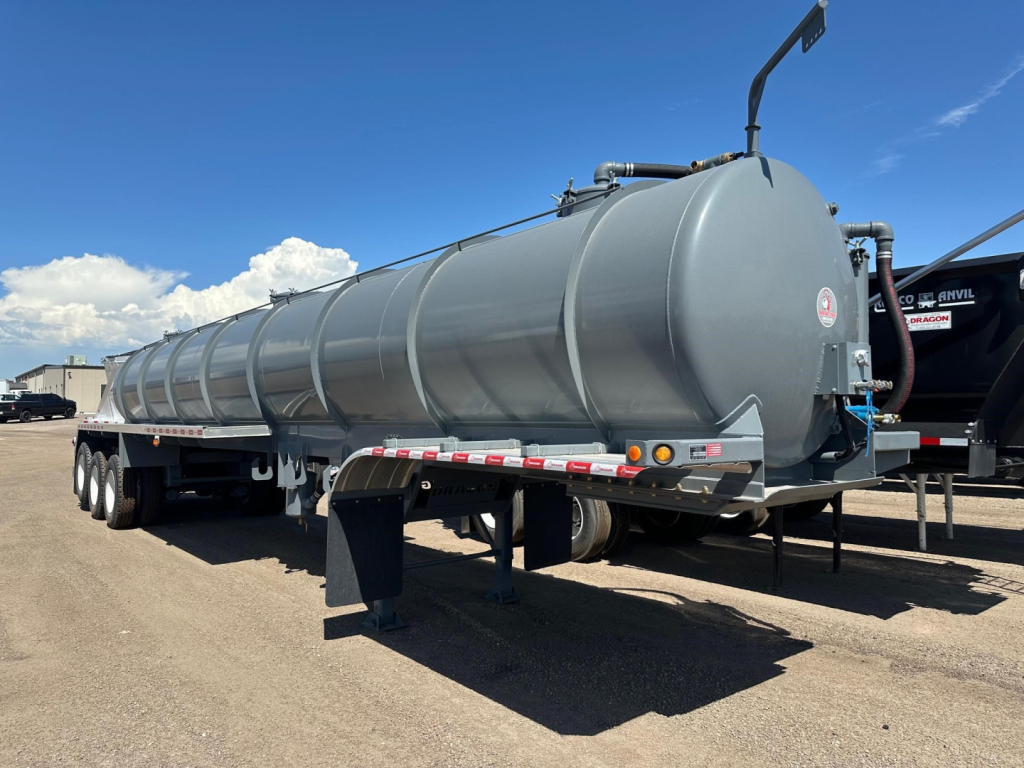
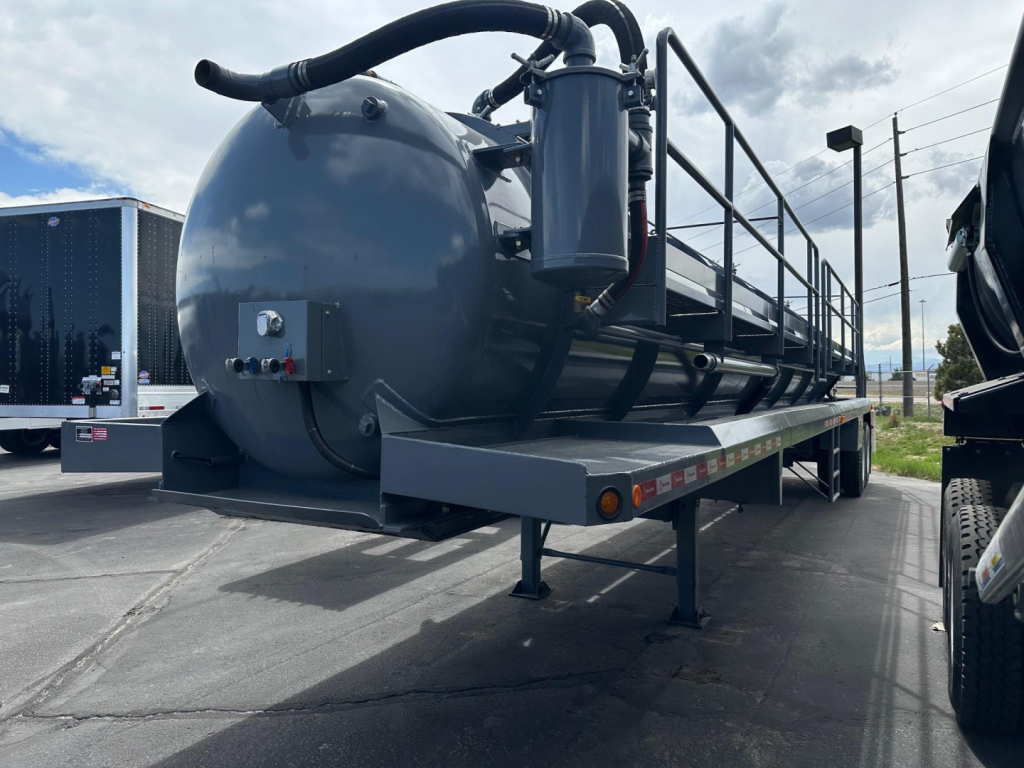
Selling a dragon vacuum trailer? List your dragon vacuum trailer for sale and reach thousands of commercial buyers.
Dragon Vacuum Trailers in Colorado
Capacity and axle configuration are usually the first buying decisions. A 130 BBL trailer can be a practical choice when route weights, tighter locations, or shorter wheelbase requirements matter. A 165 BBL trailer pushes productivity higher on longer pulls and high-volume field work, but buyers need to match barrel size to legal weight, tractor spec, and road conditions. Tandem and tri-axle setups are both common, and a rear lift axle can help balance payload flexibility with tire wear and maneuverability. Air ride suspension is typical on this class because it helps protect the trailer structure and improves control on rough lease roads and uneven approaches.
Pump package and tank layout deserve close attention. Many Dragon vacuum trailers in this segment are equipped with Fruitland pumps, a well-known setup for dependable vacuum performance and serviceability. Buyers should check the vacuum system spec, piping arrangement, dump valve type, hose storage, and access features such as catwalks with safety rails, dome lids, level gauges, and work lights. Details like hose troughs, chain hangers, toolboxes, tow hooks, and fenders make a real difference in daily use because they affect operator efficiency and cleanup time. Tire size, wheel type, landing gear, and bumper design also matter, especially for fleets standardizing maintenance parts across multiple tank trailers.
The key is to buy for the actual product and operating environment, not just the biggest barrel number. Non-code vacuum trailers are a strong fit for water and other approved non-hazardous liquids, but they are not interchangeable with DOT 407 or other code tankers used in regulated service. Buyers comparing Dragon vacuum trailers should confirm barrel capacity, overall length, number of compartments, baffle design, pump brand, suspension, axle spread, and any lease-road features needed for western field conditions. A properly matched Dragon vac tank can deliver long service life, straightforward maintenance, and strong productivity in demanding fluid-hauling applications.
Frequently Asked Questions about Dragon Vacuum Trailers in Colorado
What are Dragon vacuum trailers commonly used for?
Dragon vacuum trailers are commonly used for hauling water, produced water, drilling fluids, and other approved non-hazardous liquids in oilfield, industrial, and environmental service. Many units in this category are non-code vacuum tankers, which makes them suitable for fluid handling applications that do not require a DOT specification tank. Buyers should always confirm the intended commodity and regulatory requirements before putting a trailer into service.
What is the difference between a 130 BBL and 165 BBL Dragon vacuum trailer?
The main difference is payload capacity and the chassis needed to support it. A 130 BBL vacuum trailer can be easier to route, park, and operate where weight limits or tighter jobsites are a concern. A 165 BBL unit increases volume per trip and can improve efficiency on long hauls or high-demand field work, but it also requires careful attention to legal weight, axle configuration, tractor compatibility, and road conditions.
Are Dragon vacuum trailers usually tandem or tri-axle?
Both configurations are common, depending on tank size and intended service. Tandem axle setups are often seen on smaller-capacity units where simplicity and maneuverability are priorities. Tri-axle trailers, sometimes with a rear lift axle, are more common on larger barrel capacities because they help distribute weight and support heavier operating conditions. The best setup depends on payload targets, state weight limits, and the terrain the trailer will see every day.
Why does the vacuum pump brand matter on a vac trailer?
The pump is one of the most important working components on a vacuum trailer because it directly affects loading speed, reliability, and maintenance costs. Fruitland pumps are frequently specified on Dragon vacuum trailers because they are widely recognized in the industry and supported by established service networks. Buyers should evaluate pump condition, service history, airflow performance, and compatibility with the trailer’s plumbing and unloading system.
Are non-code Dragon vacuum trailers the same as DOT code tank trailers?
No. A non-code Dragon vacuum trailer is designed for approved service where a specification cargo tank is not required, while DOT code trailers are built and certified for regulated applications under specific tank standards. That difference affects legal use, inspection requirements, and the types of product that can be transported. Buyers should verify exactly what material the trailer will haul and make sure the tank specification matches that application.