
2026 Dragon Vacuum Trailers For Sale in Colorado
Shop 2026 Dragon vacuum trailers, including non-code water vacuum tankers with 130 to 165 BBL capacities, air ride suspensions, and tri-axle specs.
Selling a 2026 dragon vacuum trailer? List your 2026 dragon vacuum trailer for sale and reach thousands of commercial buyers.
2026 Dragon Vacuum Trailers in Colorado
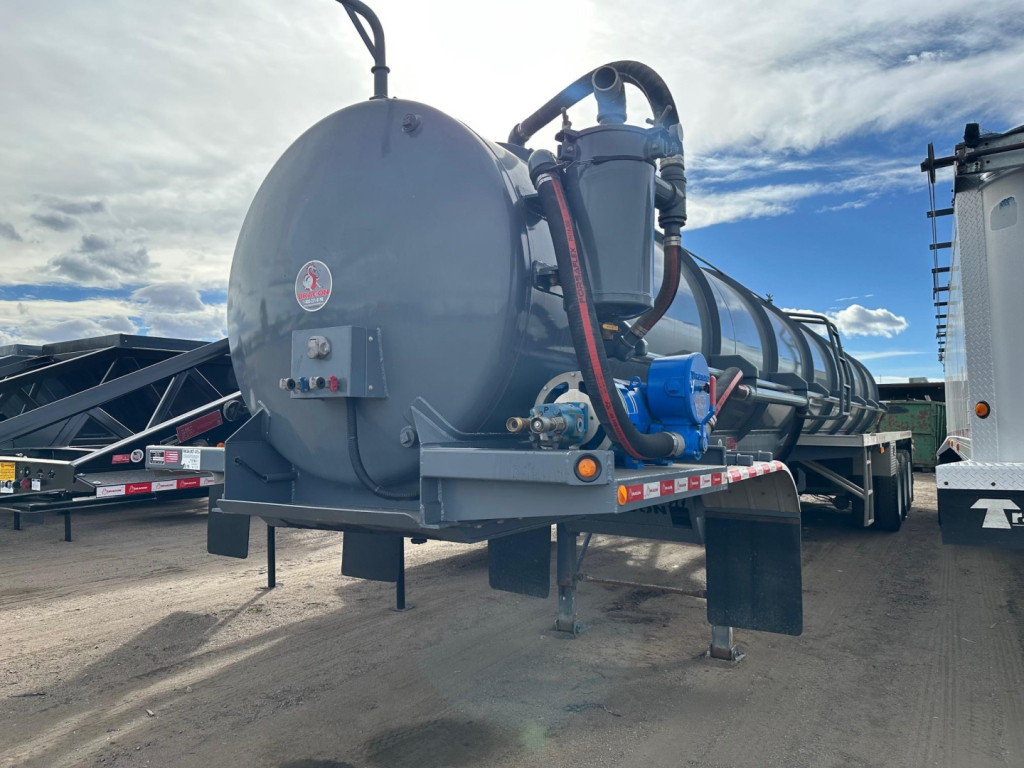
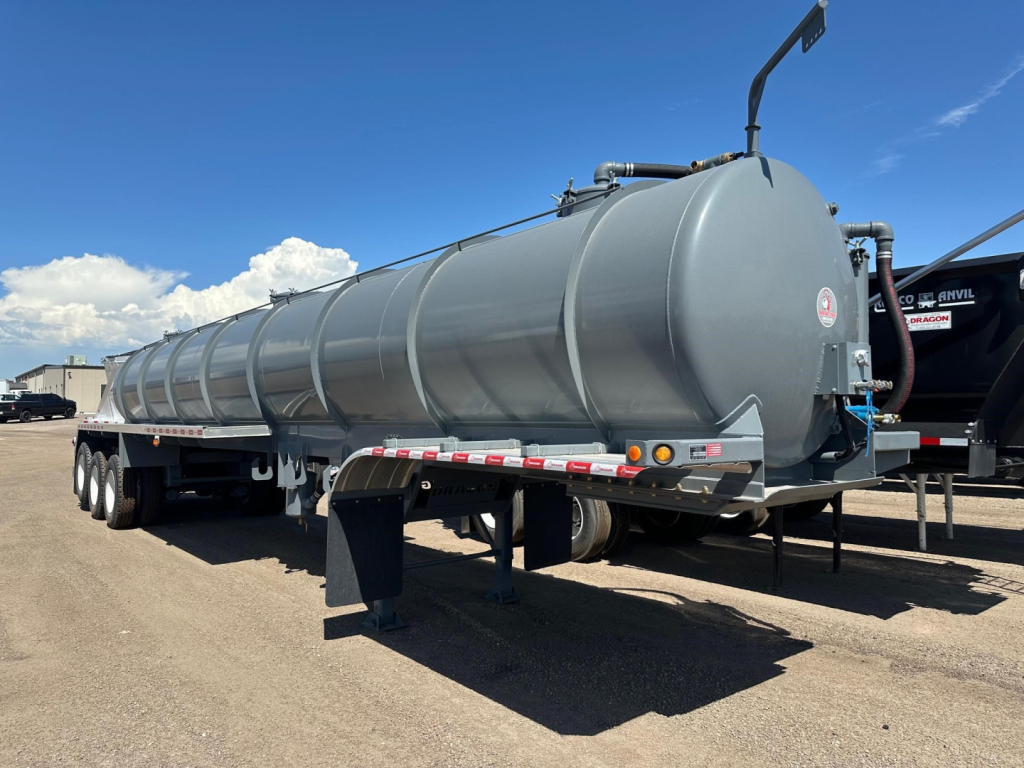
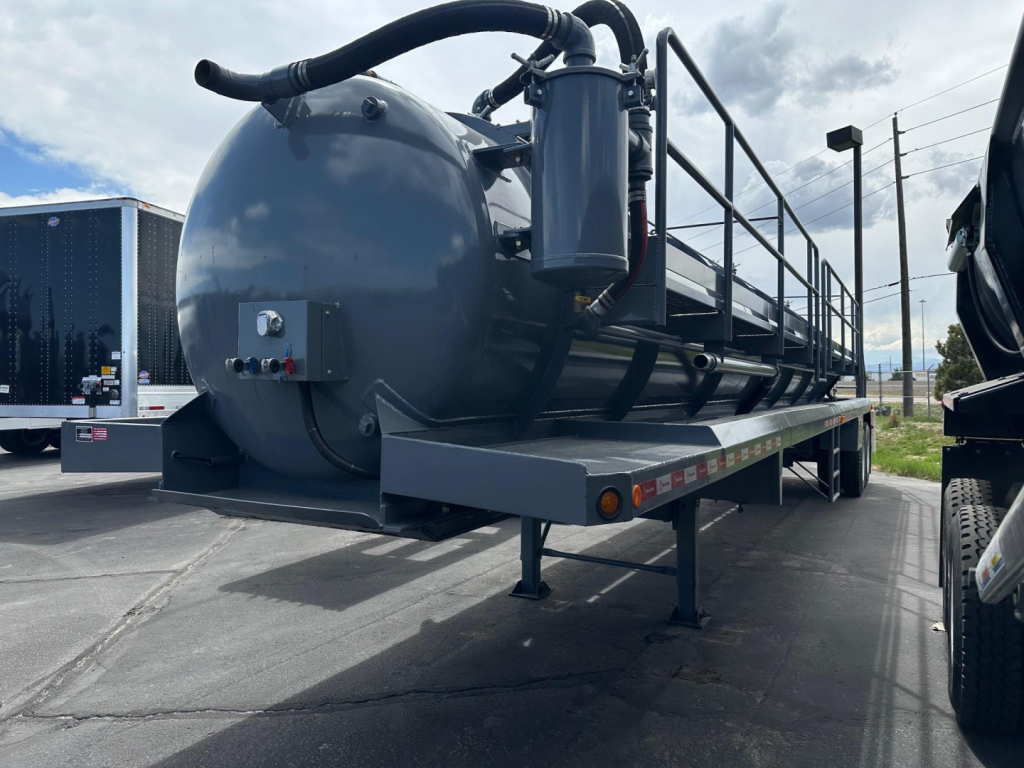
Capacity is usually the first decision point. A 130 BBL unit can offer a shorter overall trailer length and easier maneuverability on tighter leases or yard entrances, while a 165 BBL vacuum trailer gives operators more payload volume per trip when road access and route weight limits allow it. Common specs in this class include single-compartment tanks with internal baffles, multiple dome lids for top access, level gauges, manual dump valves, hose troughs, toolboxes, chain hangers, and catwalks with safety rails. Buyers should also pay close attention to tank length, bumper and tow hook setup, and whether the trailer is equipped with front and rear fenders for protection in wet or dirty operating environments.
Pump package and running gear deserve close scrutiny. Many Dragon vacuum trailers in this year range are equipped with proven vacuum systems such as a Fruitland pump, which is a familiar choice for operators who value parts support and straightforward serviceability. Suspension and axle layout will vary between tandem and tri-axle configurations, often with air ride and, in some cases, a rear lift axle to help balance payload flexibility with tire wear and maneuverability. Tire size, wheel type, landing gear, and brake condition all affect operating cost, especially for fleets running long distances across Colorado and surrounding mountain and plains regions where road conditions, elevation, and weather can add stress to both suspensions and vacuum systems.
For buyers comparing listings, the most important distinction is usually intended application. Non-code vacuum trailers are commonly used for water hauling and vacuum service where ASME or code tank requirements do not apply, but they still need to match the product, route, and jobsite demands. Check barrel capacity against legal gross weight, confirm the number of compartments and baffles, review dome lid count for cleaning and inspection access, and make sure the trailer layout supports your hose handling and unloading process. A well-spec'd Dragon vacuum trailer can serve oilfield, industrial cleanup, and fluid transport operations efficiently when the tank size, pump, suspension, and access features are aligned with the work.
Frequently Asked Questions about 2026 Dragon Vacuum Trailers in Colorado
What is a non-code vacuum trailer used for?
A non-code vacuum trailer is typically used for hauling water and other non-pressurized fluids in applications where a code tank is not required. These trailers are common in oilfield service, drilling support, fluid transfer, and certain industrial cleanup operations. Buyers should always confirm the intended product and regulatory requirements for their operation, because non-code construction limits where and how the trailer can be legally and safely used.
What capacity is better, 130 BBL or 165 BBL?
The better capacity depends on route conditions, legal weight limits, and how much maneuverability the job requires. A 130 BBL vacuum trailer is often easier to handle in tighter areas and may be a better fit where access roads, lease roads, or yard layouts are restrictive. A 165 BBL unit can reduce the number of trips in high-volume operations, but buyers need to confirm that axle configuration, suspension, and local weight regulations support the larger tank.
Why does axle configuration matter on a vacuum trailer?
Axle configuration affects legal payload, ride quality, tire wear, and how the trailer tracks on uneven ground. Tandem axle setups can be simpler and lighter, while tri-axle vacuum trailers often provide better load distribution for larger barrel capacities. A rear lift axle can add flexibility by helping manage tire scrub and operating costs when the trailer is not fully loaded.
What should I look for in the vacuum pump on a Dragon trailer?
The vacuum pump should match the type of fluid service, expected duty cycle, and your maintenance capabilities. Buyers often look for recognized pump brands because parts availability and field service support are critical in remote operations. It is also important to review pump condition, vacuum performance, plumbing layout, and how accessible the system is for inspection and routine maintenance.
Are Dragon vacuum trailers a good fit for Colorado operations?
Dragon vacuum trailers are commonly spec'd for demanding service environments, and that makes them a strong fit for Colorado operations where elevation, weather swings, and mixed road conditions can challenge equipment. Buyers in this region should focus on suspension type, tire spec, trailer length, fender protection, and overall tank layout. Air ride suspensions, durable running gear, and practical service features such as catwalks, hose troughs, and level gauges can be especially useful in mountain and energy-sector applications.