
Dragon Vacuum Trailers For Sale in Wyoming
Browse Dragon vacuum trailers for fluid hauling, oilfield service, and non-code water transfer with common specs, tank sizes, axle setups, and pump options.
Selling a dragon vacuum trailer? List your dragon vacuum trailer for sale and reach thousands of commercial buyers.
Dragon Vacuum Trailers in Wyoming
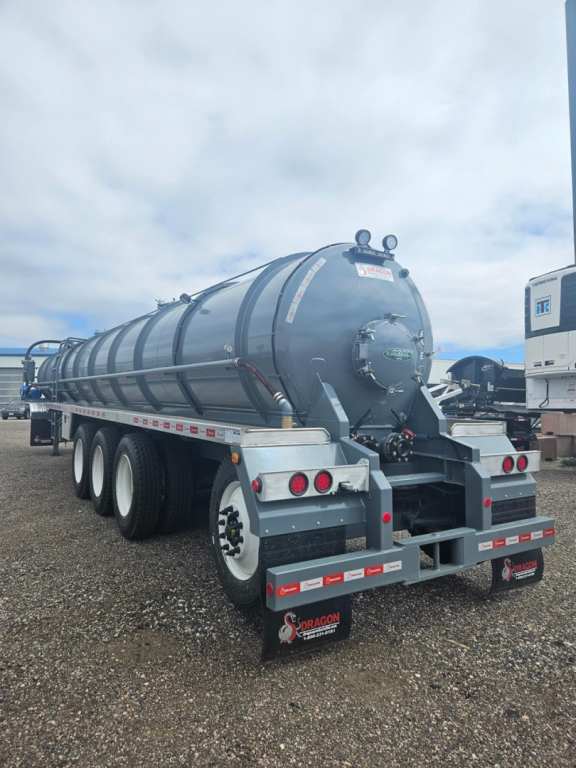
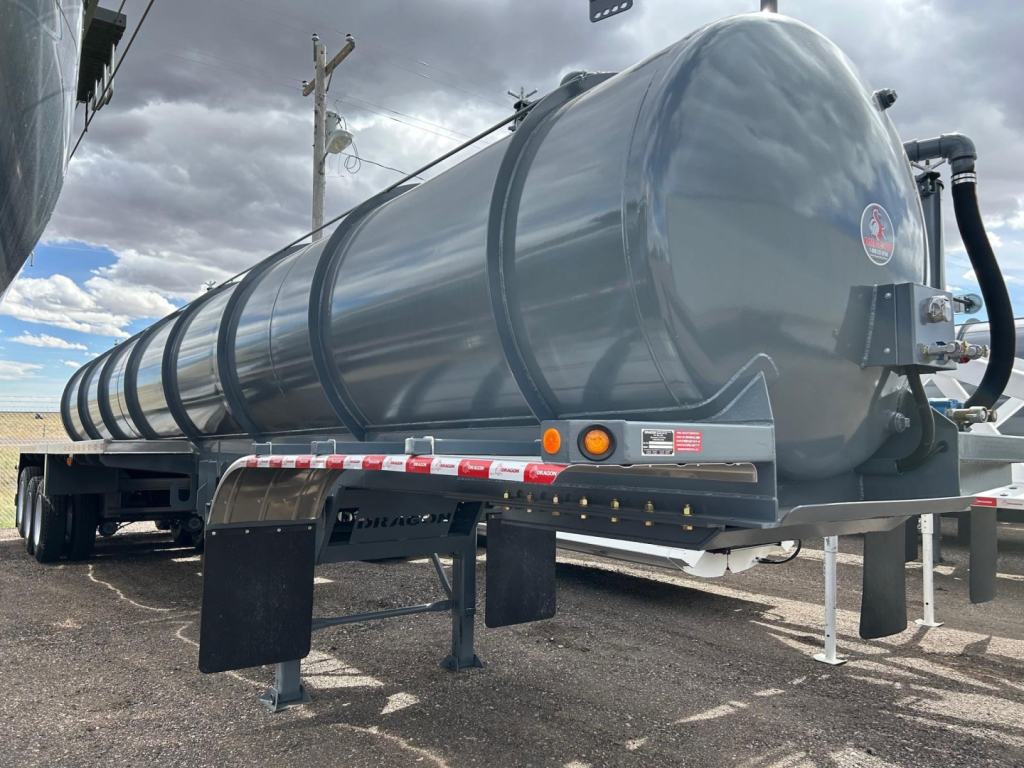
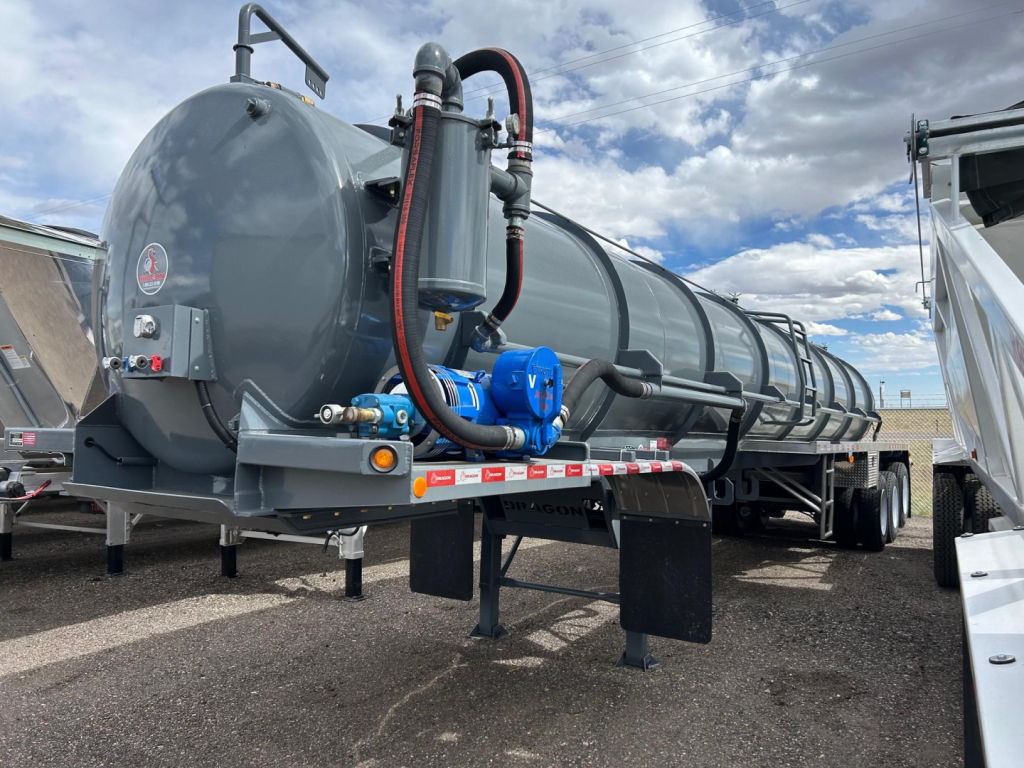
Pump choice is a major buying decision. Fruitland vacuum pumps are common on Dragon units and are well known in the field for dependable vacuum performance and straightforward serviceability. Buyers should also look closely at tank construction details such as the number of compartments, baffles, dome lids, and level gauges. A single-compartment tank with internal baffles is a common setup for non-code water service because it balances usable capacity with surge control. Dome lid count matters for access and cleaning, while gauges, work lights, tow hooks, fenders, and ICC bumpers all affect day-to-day usability and jobsite durability.
Axle configuration can change the trailer's usefulness as much as tank size. Tri-axle Dragon vacuum trailers are a common fit for operators who want strong payload capability without the added complexity of a quad. Quad-axle setups, often with lift axles and a rear steerable axle, can help distribute weight better and improve maneuverability in tighter locations. Air ride suspension is also common and can be a real advantage for ride quality, tank stability, and reduced shock loading on rough approaches. Tire size, wheel type, and lift axle configuration all deserve a close look if the trailer will spend equal time on highways, county roads, and oilfield access roads.
A buyer comparing Dragon vacuum trailers should verify the intended product, code status, pump hours if used, and the exact plumbing and valve arrangement. Non-code vacuum tanks are commonly used for water and similar fluids, but application limits matter. Capacity in BBL, overall trailer length, suspension spec, and axle spread all affect legal payload and route flexibility. Dragon has a strong reputation in vacuum tank construction, so the real decision usually comes down to matching the trailer's capacity, running gear, and pump package to the work cycle, road conditions, and loading times expected in your operation.
Frequently Asked Questions about Dragon Vacuum Trailers in Wyoming
What are Dragon vacuum trailers commonly used for?
Dragon vacuum trailers are commonly used for non-hazardous fluid recovery, water transfer, produced water hauling, drilling support, and other oilfield or industrial vacuum service applications. Many units are configured as non-code water vacuum tankers, which makes them a practical choice for operators moving large fluid volumes where code-rated hazardous service is not required. The exact application depends on the tank spec, pump package, and code status.
What tank size is common on a Dragon vacuum trailer?
Common Dragon vacuum trailer capacities often fall in the 165 to 193 BBL range, although exact size varies by trailer length, axle configuration, and intended service. A larger barrel rating can improve efficiency by reducing trip count, but buyers also need to consider bridge laws, legal gross weight, and how the added volume fits their route and commodity. In many cases, capacity only pays off if the axle package can support the operating weight legally and reliably.
Is a tri-axle or quad-axle Dragon vacuum trailer the better choice?
A tri-axle Dragon vacuum trailer is often a solid choice for buyers who want simpler maintenance and good payload capacity for regional hauling. A quad-axle trailer can offer better weight distribution and may support larger tank capacities, especially when equipped with lift axles or a steerable rear axle. The better choice depends on your state weight limits, typical haul distance, access roads, and how often the trailer will run full.
What should I inspect on a used Dragon vacuum trailer?
On a used Dragon vacuum trailer, inspect the shell condition, welds, frame, suspension, axle alignment, tires, brakes, and all vacuum plumbing. Check the vacuum pump brand, service history, and operating condition, along with dome lids, seals, valves, level gauge function, and any evidence of internal corrosion or poor cleanout practices. It is also important to confirm the data plate, code status, and whether the trailer's current configuration matches the fluids you plan to haul.
What does non-code mean on a Dragon vacuum tank?
Non-code generally means the tank was not built to a pressure vessel or regulated cargo tank code for certain hazardous applications. These trailers are often used for water and other compatible non-hazardous fluids where that code certification is not required. Buyers should confirm exactly what product the trailer is legal and appropriate to haul, because code status affects compliance, insurance, and where the trailer can be used.