
2018 Trailers For Sale in Colorado
Shop 2018 trailers for sale in Colorado, including van, reefer, hopper, dump, and specialty trailers with common specs buyers compare.
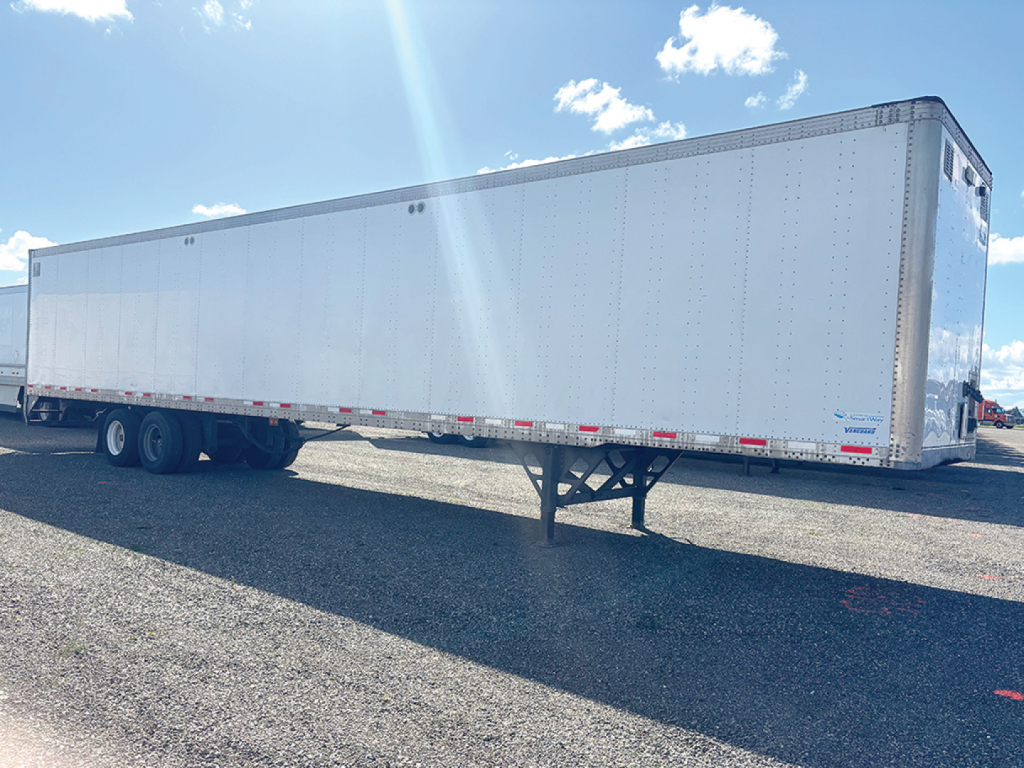
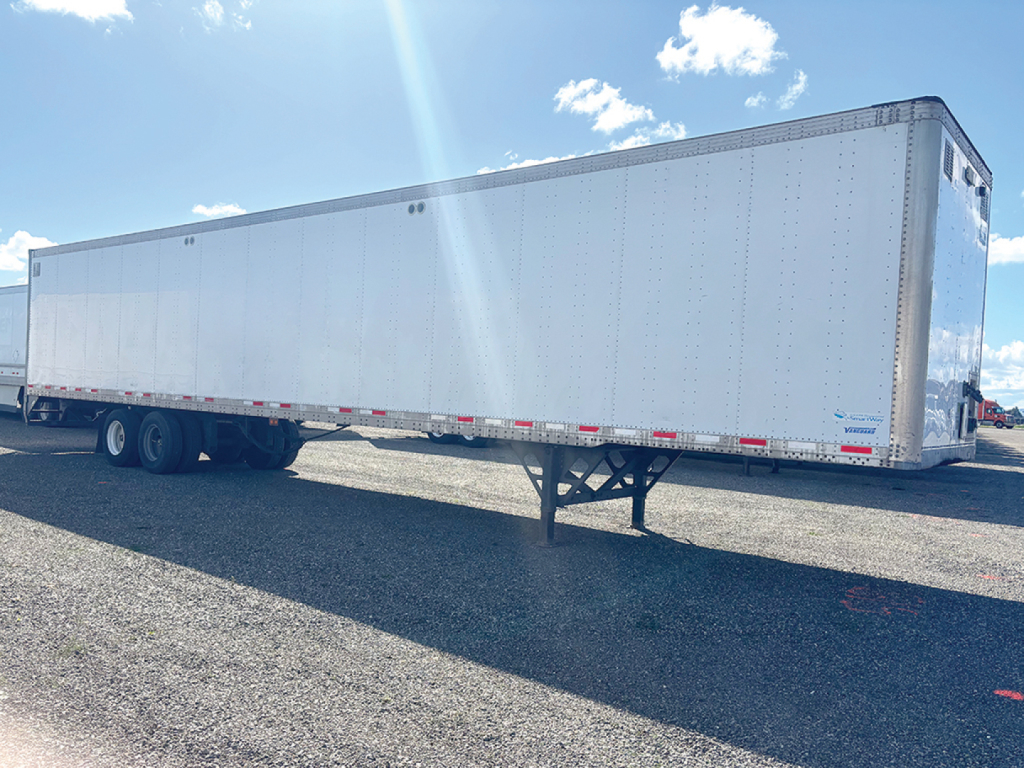
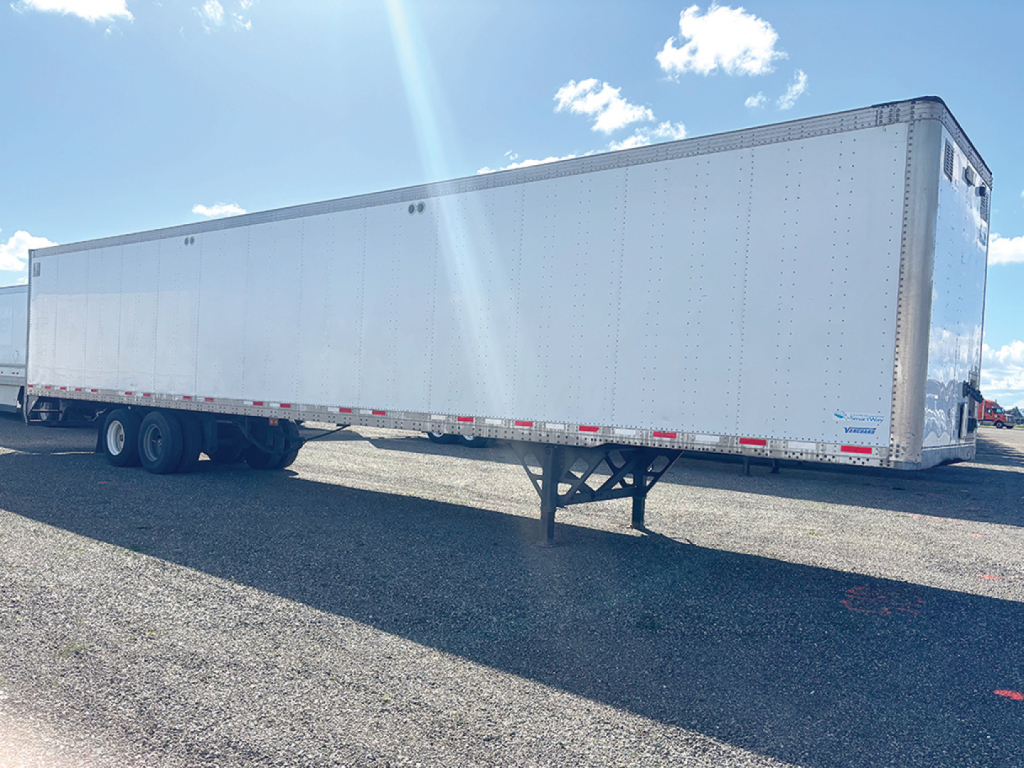
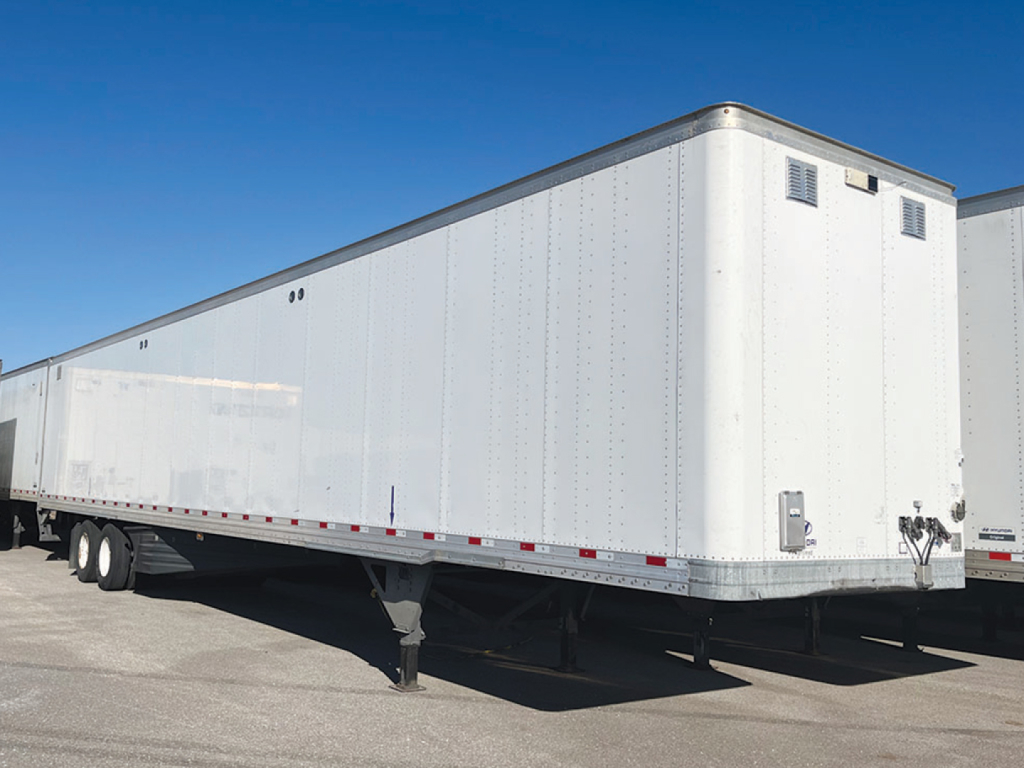
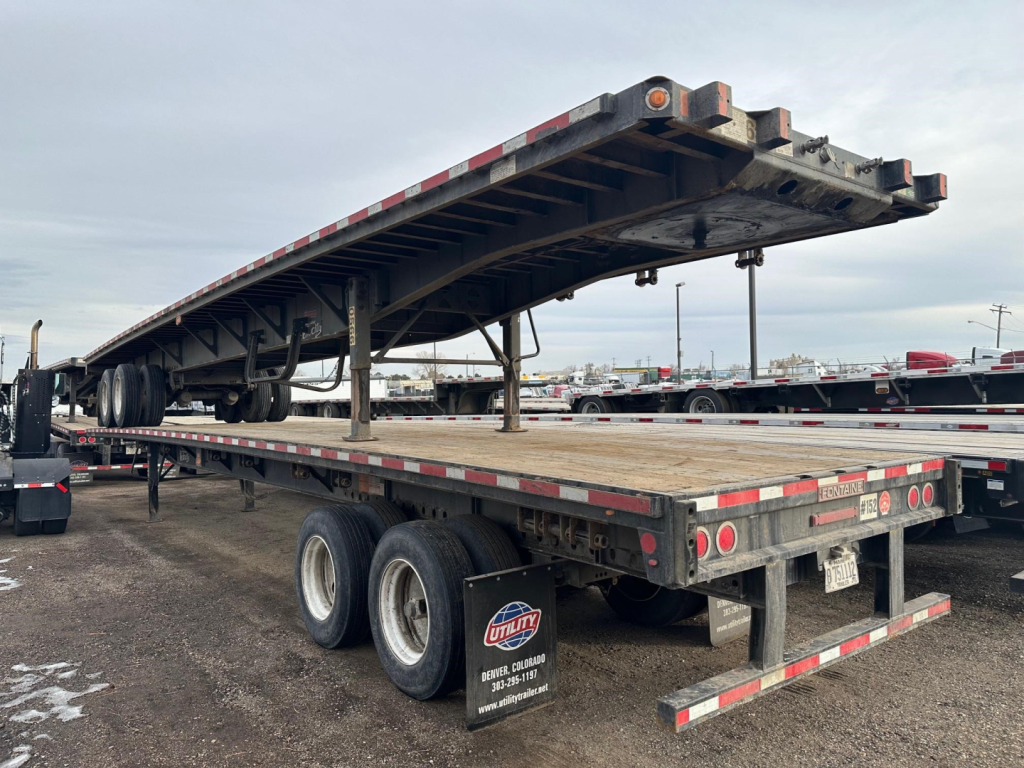
Selling a 2018 trailer? List your 2018 trailer for sale and reach thousands of commercial buyers.
2018 Trailers in Colorado
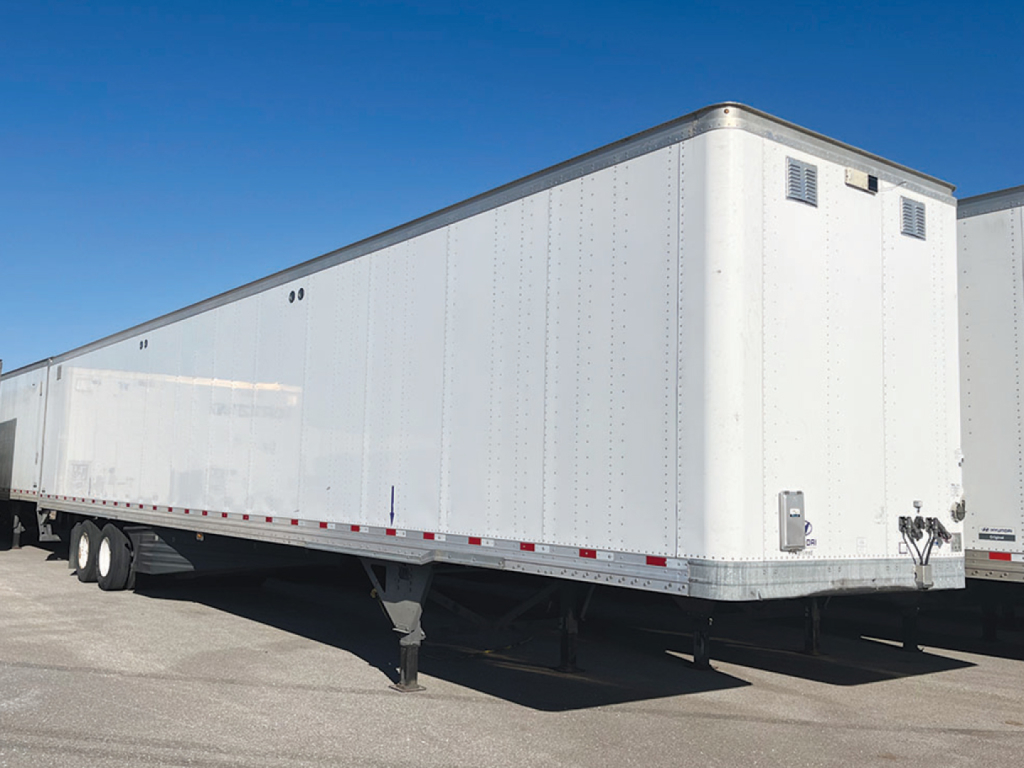
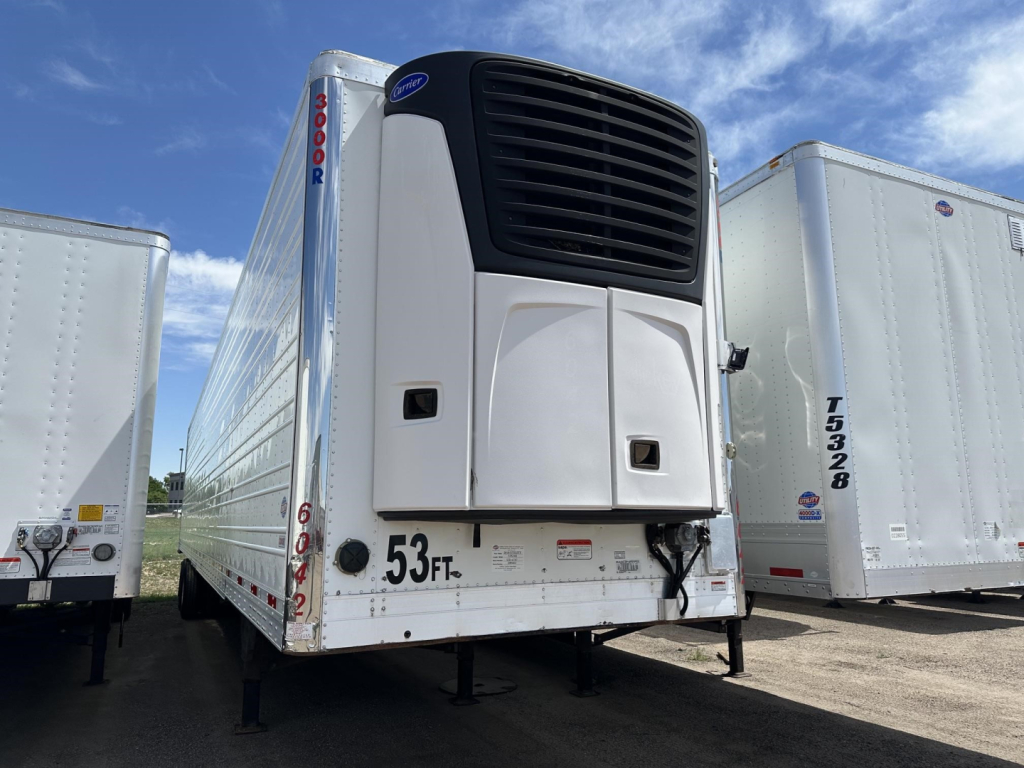
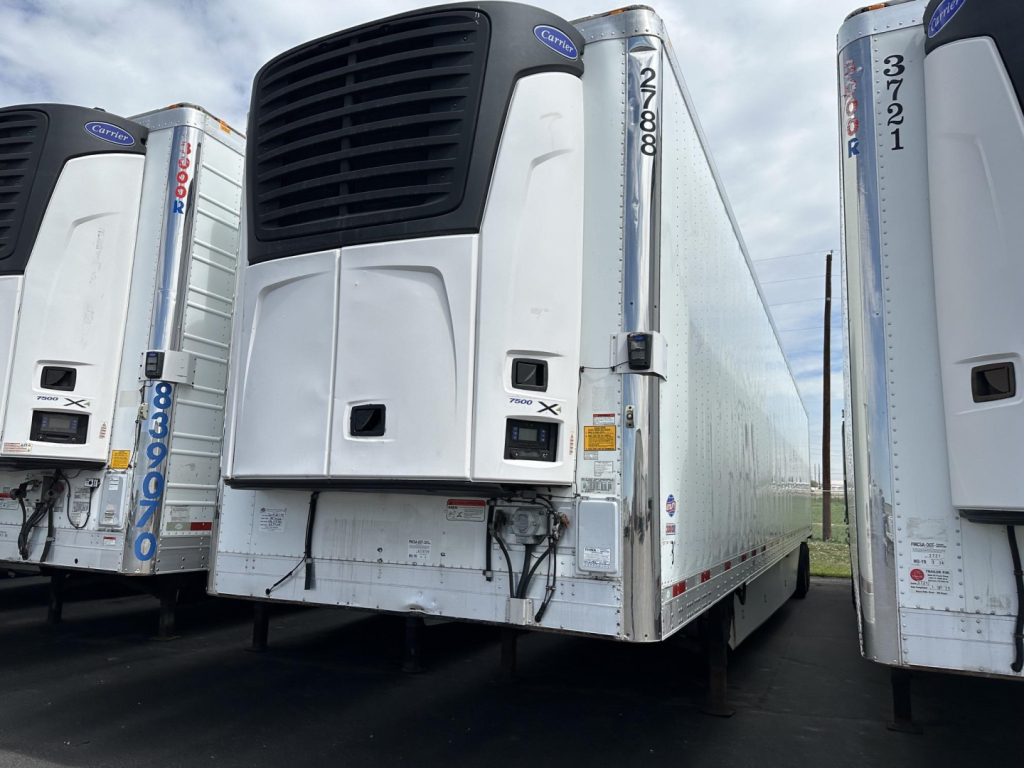
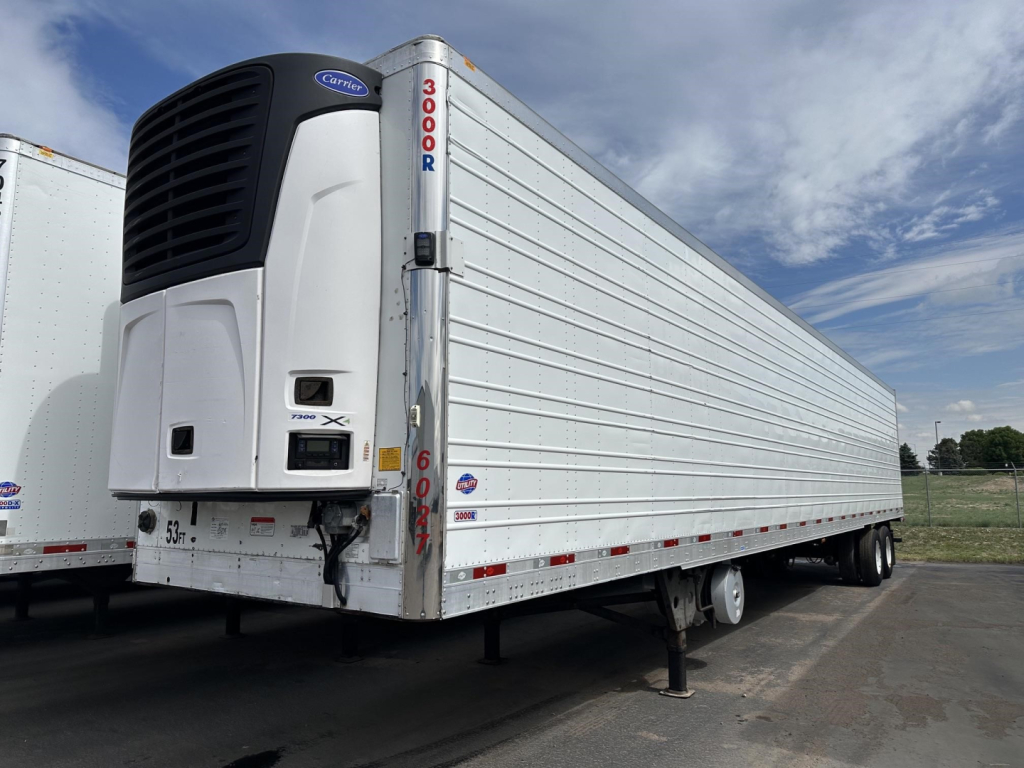
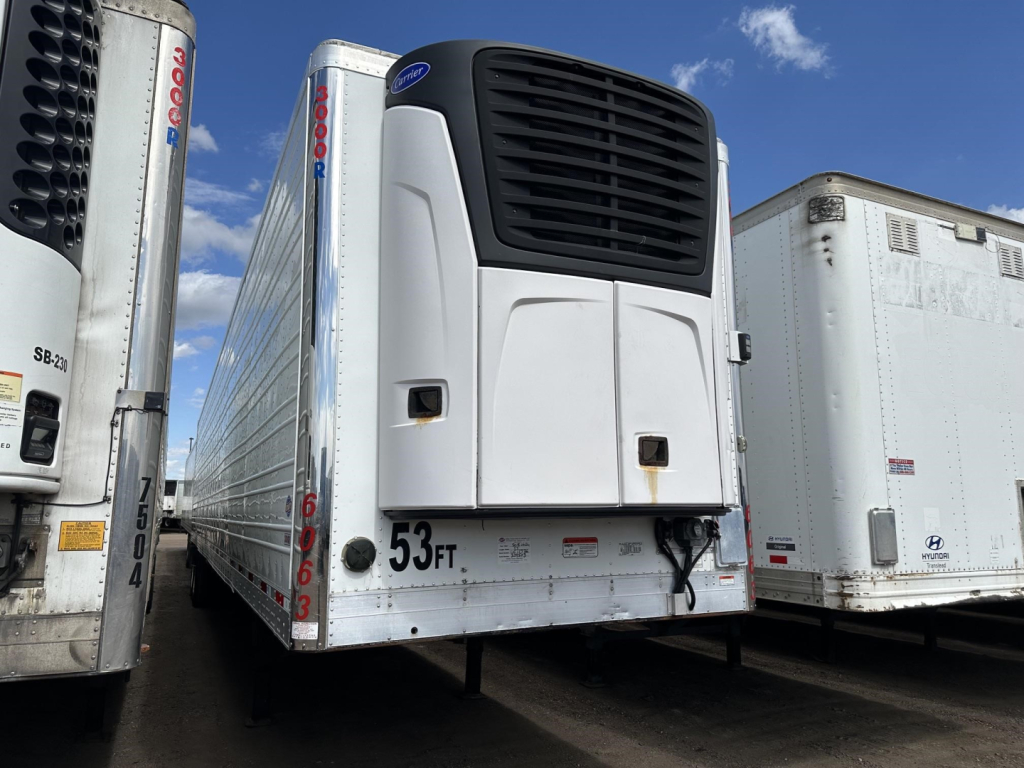
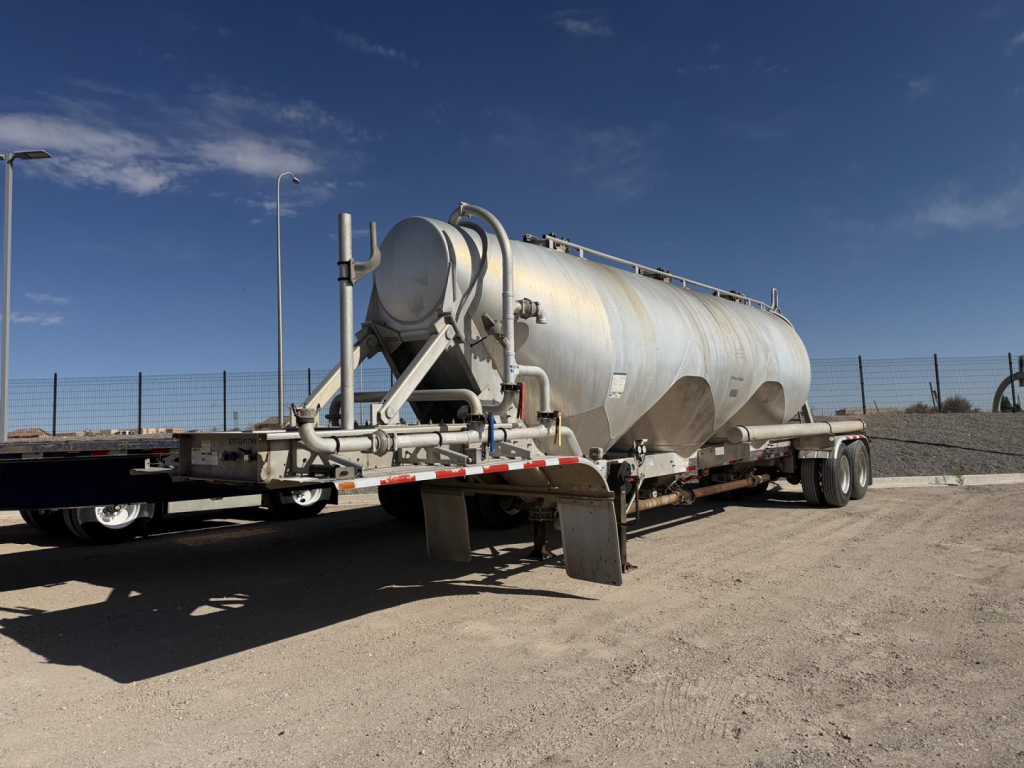
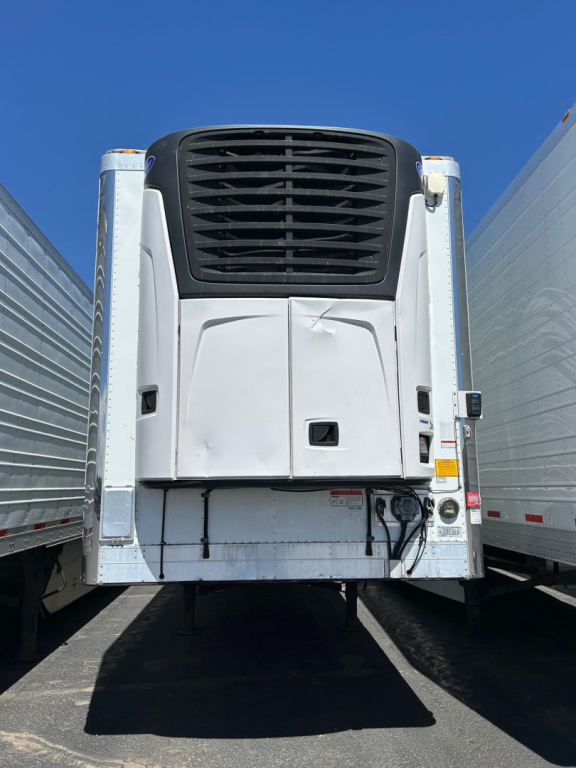
The 2018 trailer market covers a wide spread of categories, including dry vans, reefers, hopper bottoms, dumps, and other vocational designs. Van and reefer buyers usually compare 53-foot lengths, swing or roll-up door configuration, duct or flat floors, scuff liners, logistics posts, side skirts, and tandem slider settings. Reefer shoppers should also verify unit brand, engine hours, CARB compliance, start-run function, chute condition, and insulation integrity. Hopper buyers tend to focus on trailer width, side height, hopper count, manual or electric tarp systems, air ride versus spring suspension, and wheel composition. Dump and side dump buyers usually pay more attention to tub material, cubic yard capacity, liner wear, cylinder condition, tarp operation, and axle spacing, especially for Colorado aggregate, demolition, and paving work.
Colorado operating conditions make a thorough underbody inspection especially important on any used 2018 trailer. Snow, de-icing chemicals, and steep terrain can accelerate wear on brakes, bushings, wiring, lights, and air systems. Check for frame rust, cracked welds, bent substructures, uneven tire wear, ABS faults, and signs of hard use around the rear impact guard and landing gear mounts. For highway trailers, confirm kingpin wear, slider operation, tire inflation systems, and door seal condition. For agricultural and construction trailers, inspect tarp arms, trap doors, hoppers, hydraulic components, and any aluminum-to-steel transition points where fatigue can show up first.
A good 2018 trailer should match freight type, route profile, and maintenance tolerance. Dry freight operations may prioritize low tare weight and durable interior walls. Cold-chain fleets usually focus on reefer unit history and floor performance. Grain and feed haulers often want clean hopper discharge, solid tarp hardware, and corrosion resistance. Dump applications typically call for heavier construction, dependable air ride or lift axle setups, and a tub that fits the material being hauled. The best buying decision usually comes down to structural condition, spec alignment, and documented maintenance rather than brand name alone.
Frequently Asked Questions about 2018 Trailers in Colorado
What should I inspect first on a 2018 used trailer?
Start with the structure. Check the frame rails, crossmembers, kingpin area, suspension hangers, rear frame, and landing gear mounts for cracks, rust, repairs, or impact damage. After that, inspect brakes, tires, wheel seals, air lines, lights, and ABS function. On enclosed trailers, look at the floor, roof, door frame, and interior lining. On hopper and dump trailers, focus on trap doors, tubs, tarp systems, and any signs of fatigue around welds and pivot points.
Is a 2018 trailer still a good buy for commercial use?
Yes, a 2018 trailer can still be a practical commercial trailer if the spec fits the work and the maintenance history is solid. Many 2018 units have the features fleets still want, such as air ride suspension, slider tandems, aluminum wheels, tire inflation systems, side skirts, and modern reefer units or tarp systems. The real question is not just the model year. It is how the trailer was used, how it was maintained, and whether the current condition supports your operating plan.
What trailer types are common in the 2018 market?
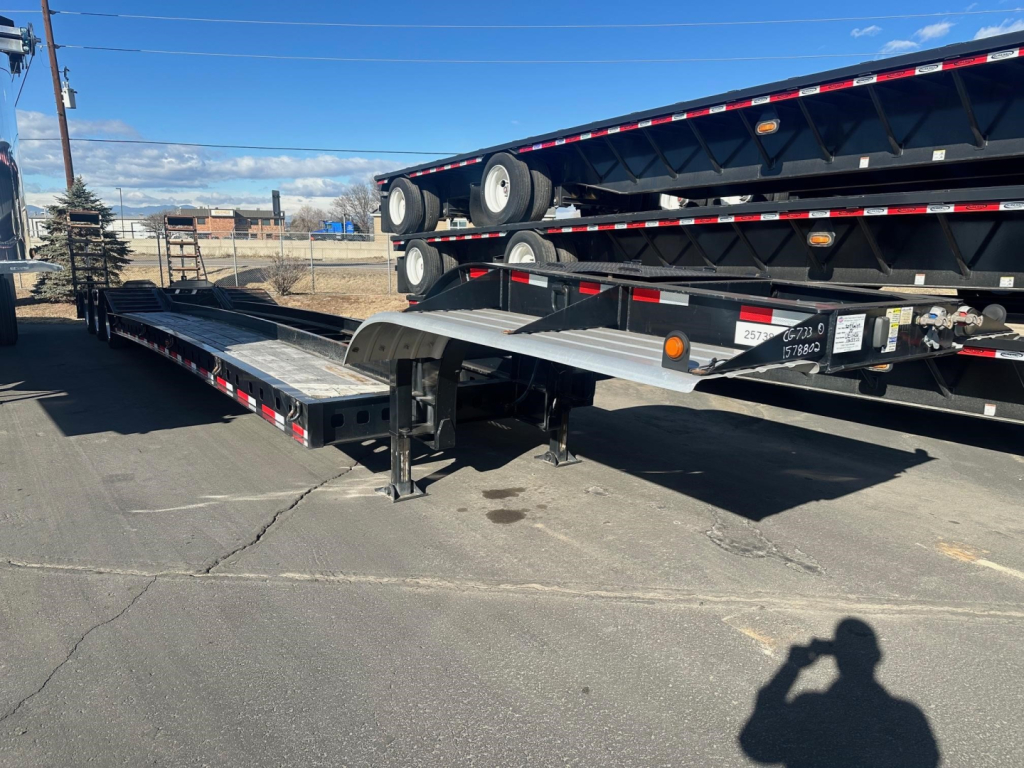
The 2018 market commonly includes dry van trailers, reefer trailers, hopper bottom trailers, dump trailers, side dumps, flatbeds, and other vocational designs. Each type has its own buying priorities. Van and reefer buyers usually compare length, doors, floor type, and axle setup. Hopper buyers look at side height, hopper configuration, tarp style, and suspension. Dump buyers compare tub construction, cubic yard capacity, axle count, and hydraulic or tarp components.
What matters most when buying a 2018 reefer trailer?
Reefer unit condition is critical, but it is not the only factor. Buyers should verify the refrigeration unit brand, engine hours, service records, start-run performance, and compliance status where applicable. The trailer itself also matters. Inspect insulation, chute condition, duct floor integrity, rear door seals, scuff liners, bulkhead condition, and any tire inflation or side skirt systems. A reefer with a healthy unit but a damaged body can still become an expensive trailer to own.
Are Colorado conditions harder on used trailers?
Yes, Colorado can be tough on trailers because of winter road treatment, elevation changes, mountain grades, and mixed on-road and jobsite use. These conditions can increase wear on brake components, bushings, suspension parts, wiring, and steel structures. Buyers in Colorado should pay extra attention to corrosion, brake life, tire condition, air system leaks, and signs of frame stress, especially on trailers that have spent time in construction, aggregate, or year-round regional service.