
2018 Reefer Trailers For Sale in Colorado
Shop 2018 reefer trailers for sale in Colorado. Compare 53-foot refrigerated trailers, reefer unit specs, hours, insulation, and trailer setup.
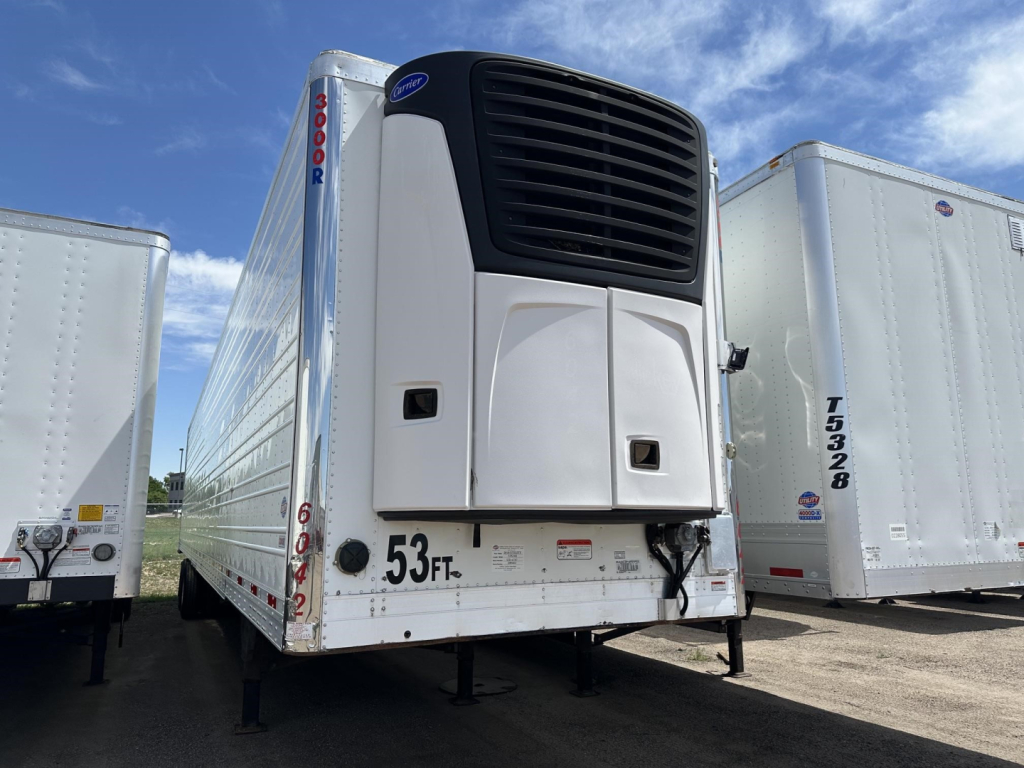
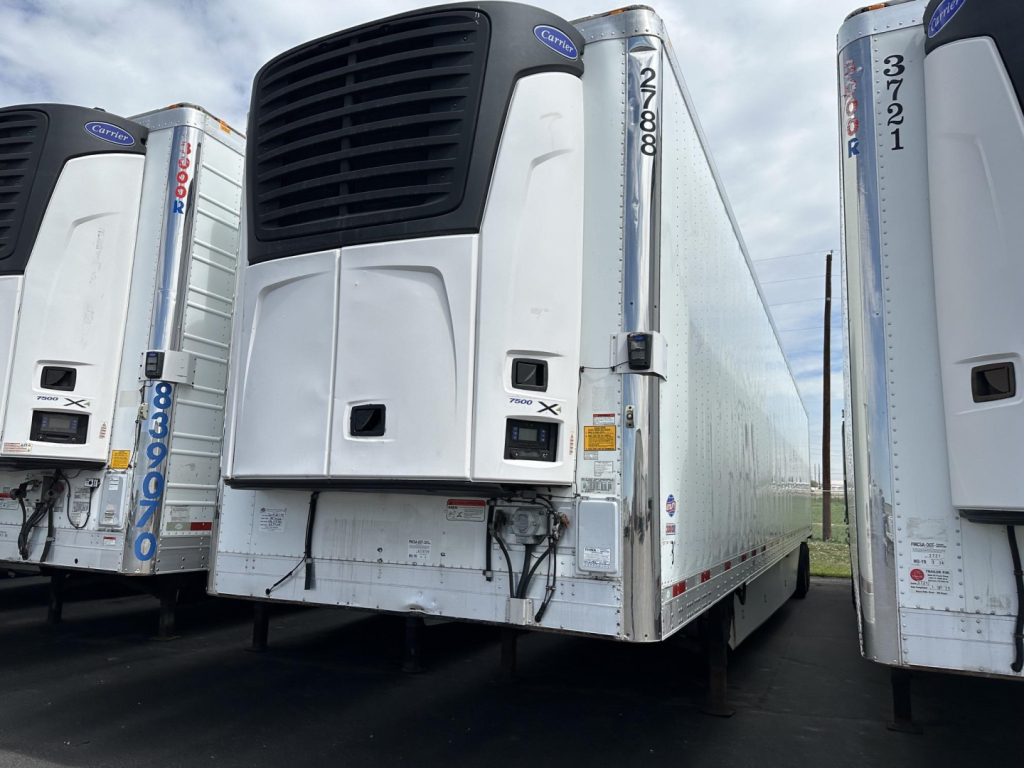
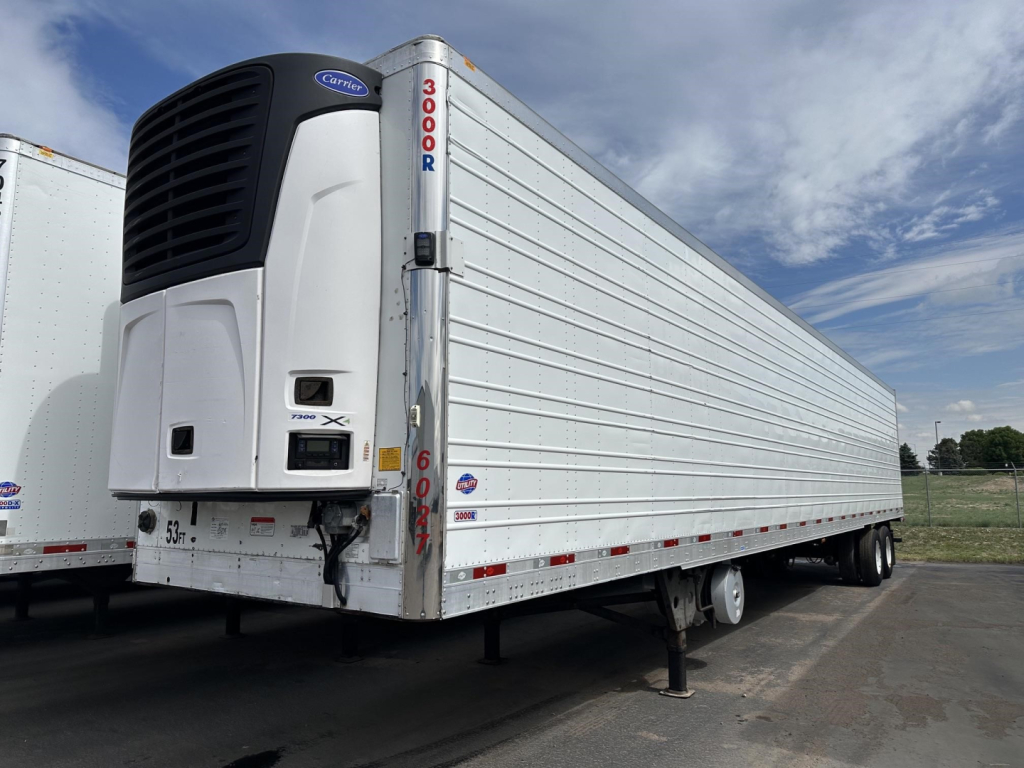
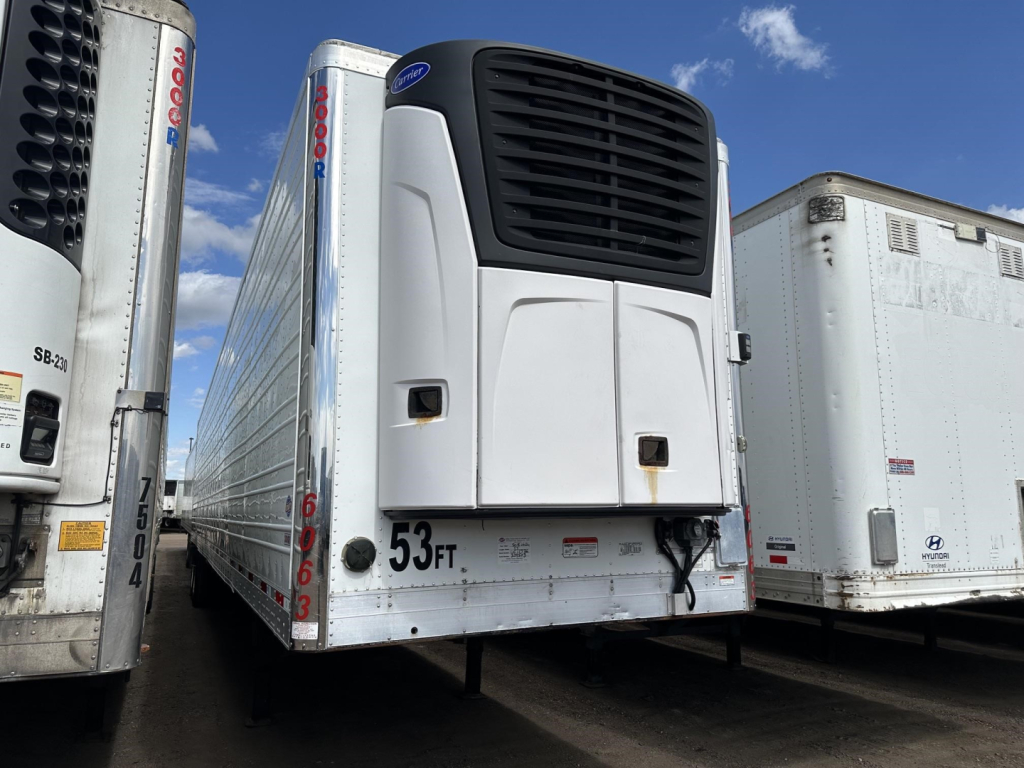
Selling a 2018 reefer trailer? List your 2018 reefer trailer for sale and reach thousands of commercial buyers.
2018 Reefer Trailers in Colorado
Most 2018 reefer trailers on the market are 53-foot by 102-inch vans with air ride suspension, sliding tandems, and swing rear doors. Common construction details include duct floors for even airflow, interior scuff liners or wearbands, stainless front corners, and either smooth or corrugated side panels. Buyers should look closely at floor condition, wall integrity, door seals, and signs of past impact or water intrusion. A clean interior matters, but straight structure matters more. Check for chute condition, rear frame wear, crossmember corrosion, and proper operation of anti-dock walk systems, slider pins, and any tire inflation system. In refrigerated service, small maintenance issues become temperature problems quickly.
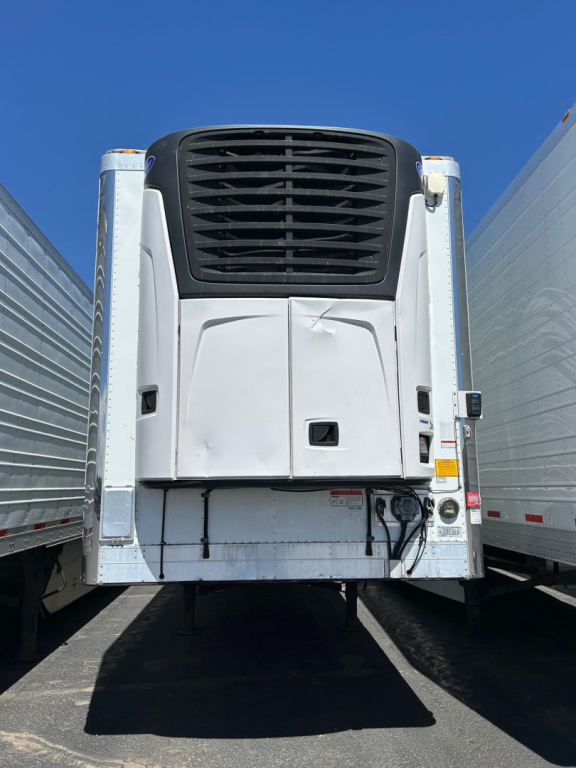
The reefer unit itself is the big decision point on a 2018 trailer. Thermo King and Carrier units dominate this segment, and both can be productive if they have documented maintenance and acceptable hour levels for the application. Start by matching the unit to the freight. Frozen routes, multi-stop grocery work, and high-cycle delivery put more demand on the system than long steady over-the-road lanes. Confirm fuel tank condition, controller operation, alarm history, and the condition of the bulkhead, return air pathways, and discharge ducting. If the trailer will run heavy in Colorado and surrounding mountain states, buyers should pay attention to cooling recovery after door openings and how the unit performs under grade and altitude conditions.
A good 2018 reefer trailer is often defined by total cost per mile rather than purchase price alone. Side skirts, low-profile 22.5 tires, aluminum wheels, and a sound air ride setup can help operating efficiency, but downtime from deferred refrigeration maintenance will erase those gains fast. For buyers comparing multiple listings, the smartest approach is to weigh reefer hours, insulation and floor condition, suspension setup, and unit service records together. A well-kept 2018 trailer can still fit demanding food-grade and cold-chain work if the refrigeration package is healthy and the trailer body remains tight, straight, and easy to seal.
Frequently Asked Questions about 2018 Reefer Trailers in Colorado
What should I check first on a 2018 reefer trailer?
Start with the refrigeration unit hours, maintenance records, and current operating performance. A 2018 reefer trailer can still be a solid asset, but the value depends heavily on pull-down ability, temperature consistency, alarm history, and overall trailer integrity. After that, inspect the floor, rear doors, seals, sidewalls, chute, and suspension. Refrigerated trailers live and die by how well the box stays sealed and how reliably the unit holds setpoint under load.
Are 2018 reefer trailers typically 53 feet long?
Yes. Most reefer trailers in this age range are 53 feet long and 102 inches wide, which is the standard setup for over-the-road refrigerated freight. That size supports palletized food, grocery, frozen freight, and mixed-temperature distribution using common dock configurations. Buyers should still confirm overall dimensions, tandem settings, and interior configuration because specifications can vary by manufacturer and prior fleet application.
How many reefer unit hours are too many on a 2018 trailer?
There is no single hour threshold that automatically makes a reefer trailer a bad buy. High hours are less concerning when the unit has complete preventive maintenance records, major components have been serviced on schedule, and the system still performs well under test. Lower hours can look attractive, but long periods of inactivity can create their own problems. Buyers should judge hours together with service history, fuel system condition, engine performance, and the trailer's ability to pull down and hold temperature.
What features matter most for food-grade refrigerated hauling?
For food-grade work, buyers usually focus on a clean and repairable interior, sound insulation, an intact duct floor, tight rear door seals, and a reefer unit that maintains stable temperature across the trailer. Scuff protection, wearbands, stainless front corners, and a well-maintained chute also matter because they affect durability and airflow management. If the freight profile includes frequent unloading, multi-temp handling, or strict receiver standards, unit response time and box condition become especially important.
Why does Colorado use matter when buying a reefer trailer?
Colorado operations can expose a reefer trailer to altitude, long grades, dry conditions, and sharp day-to-night temperature swings. Those factors can reveal weaknesses in cooling performance, door sealing, and overall reefer efficiency. A buyer planning to run mountain states should pay extra attention to how the refrigeration unit recovers after door openings, how the trailer tracks under load, and whether the suspension, tires, and braking components are ready for regional terrain and weather.