
2018 Reefer Trailers For Sale
Shop 2018 reefer trailers with 53-foot specs, air ride, sliding tandems, and Thermo King or Carrier units for cold-chain freight.
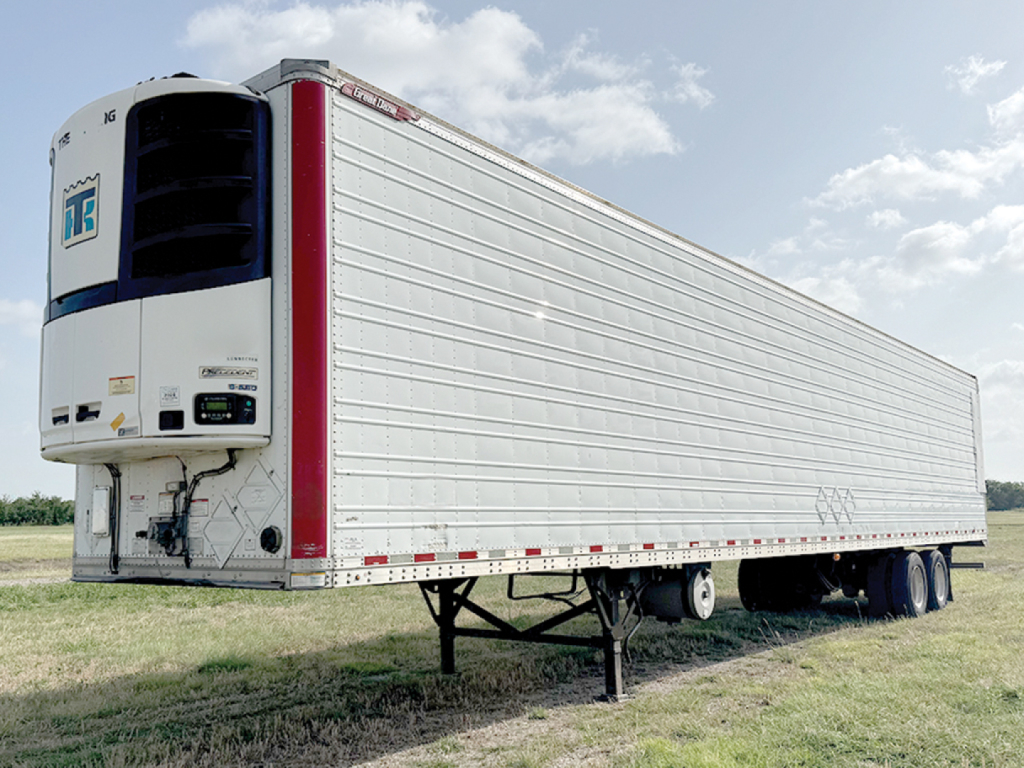
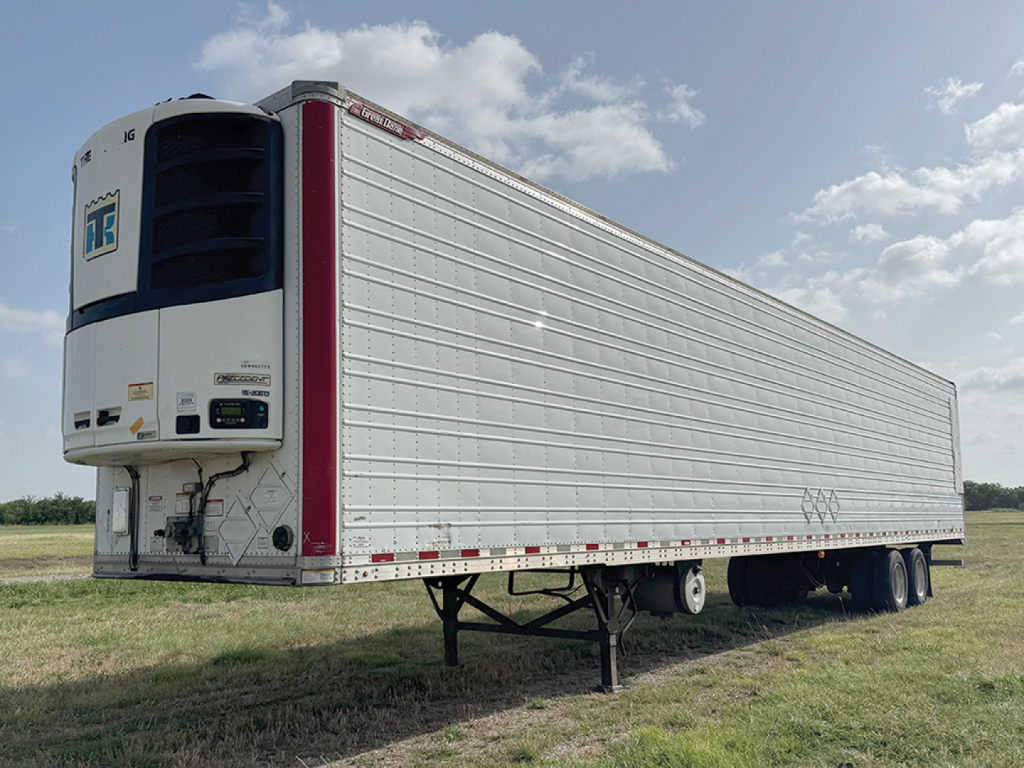
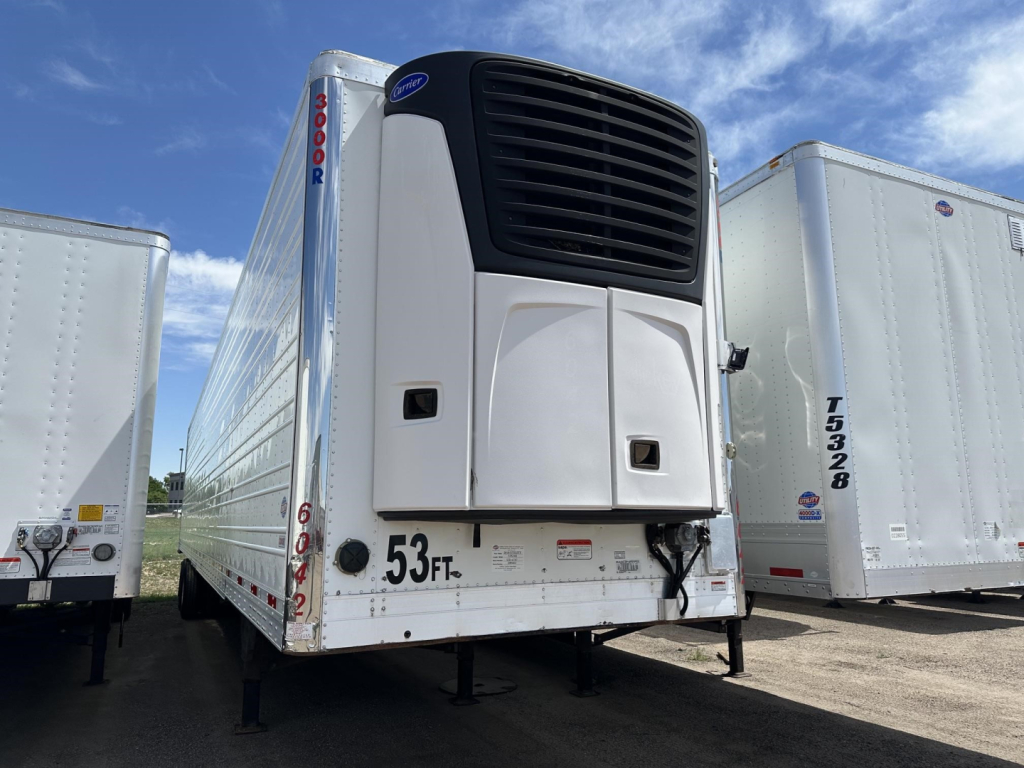
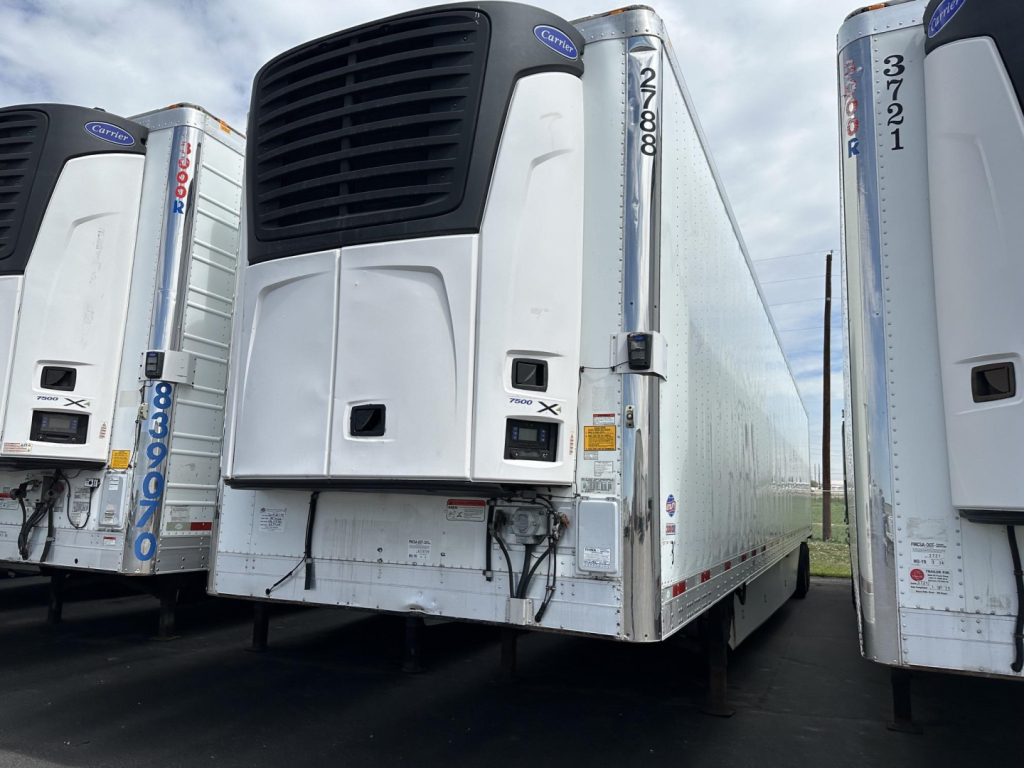
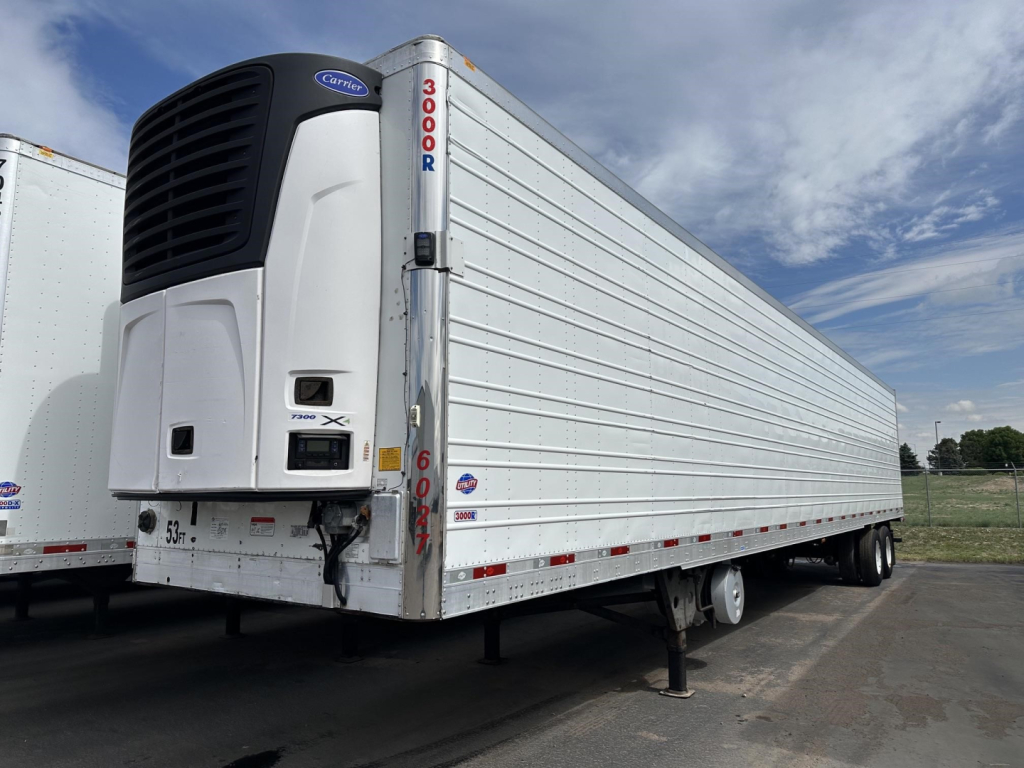
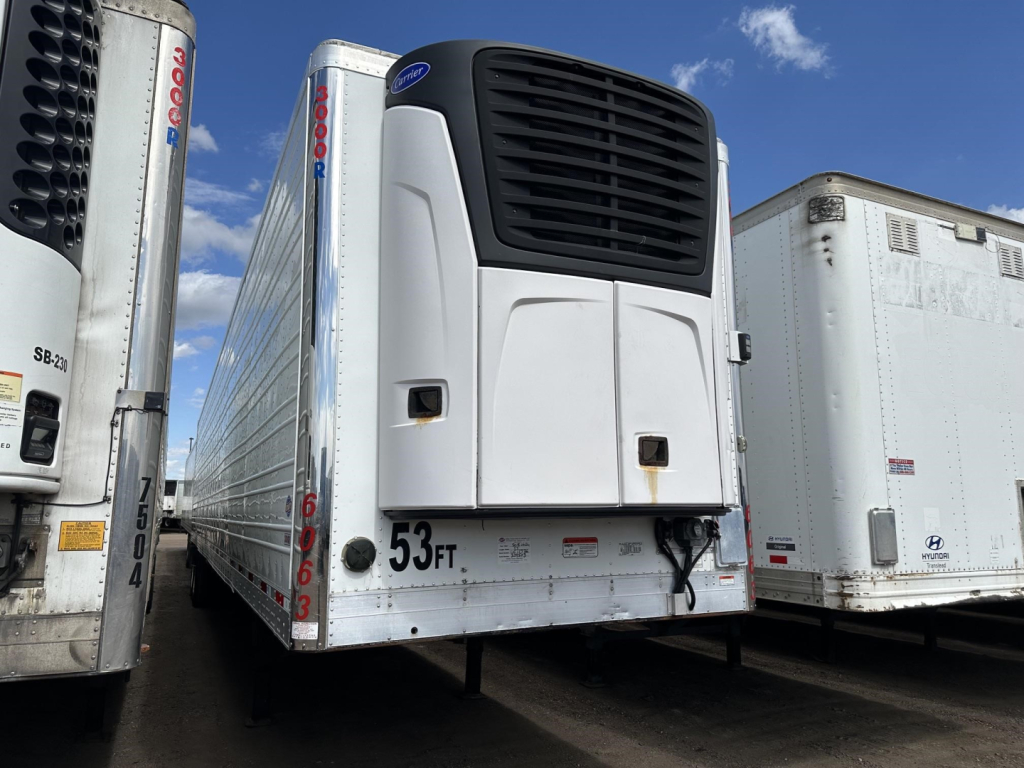
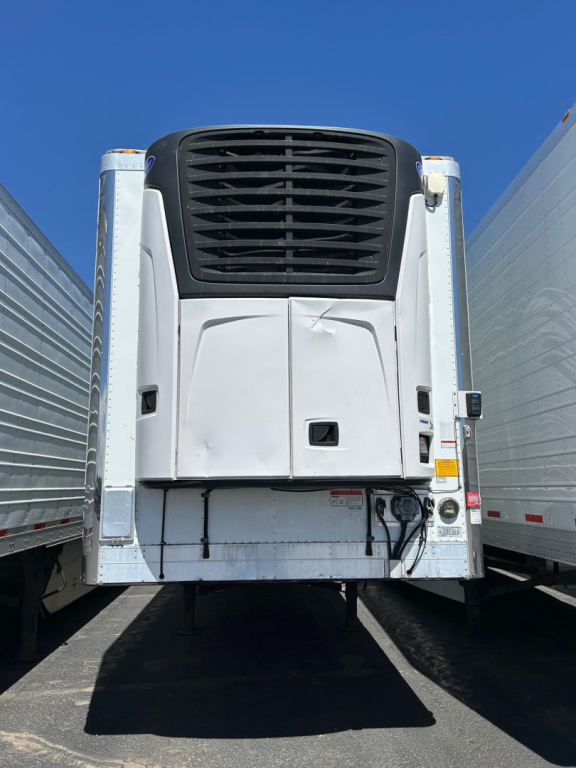

Selling a 2018 reefer trailer? List your 2018 reefer trailer for sale and reach thousands of commercial buyers.
2018 Reefer Trailers
The refrigeration unit matters as much as the trailer body. A 2018 reefer will often be equipped with a Thermo King Precedent or a Carrier Transicold unit, and buyers should pay close attention to engine hours, maintenance records, defrost performance, fuel consumption, and temperature pull-down time. If the freight mix includes deep-frozen product, look closely at insulation condition, door seal integrity, rear frame wear, and the presence of features like a cold chute or air delivery system. For multi-stop grocery and foodservice work, a unit with consistent temperature recovery and a clean evaporator compartment will usually matter more than cosmetic appearance.
Trailer running gear and body details have a direct effect on operating cost. Air ride suspension and sliding tandems are standard on many 2018 reefers, especially 53-foot fleet specs, because they help with dock approach, load protection, and bridge law flexibility. Tire inflation systems, side skirts, aluminum wheels, and low-profile 22.5 tires are also common and can reduce downtime or improve efficiency depending on the route profile. Inside the box, buyers should inspect the floor for gouging from pallet jacks, check scuff liner height against the freight type, and confirm the interior height still works for the pallet count and cube requirements of the lane.
A used 2018 reefer trailer can be a very practical middle-ground purchase if the unit has strong reefer service history and a sound trailer structure. Look past paint and decals and focus on floor condition, crossmember integrity, swing door alignment, suspension wear, brakes, and the health of the refrigeration unit controller and sensors. For carriers hauling produce in the Southeast, frozen food in the Midwest, or mixed-temperature retail freight across long regional lanes, this model year often delivers the balance buyers want: current-enough refrigeration technology, common replacement parts, and specifications that match established shipper requirements.
Frequently Asked Questions about 2018 Reefer Trailers
What should I check first on a 2018 reefer trailer?
Start with the refrigeration unit and the trailer floor. Confirm the reefer unit make, model, engine hours, service history, and that it can pull down to set temperature quickly and hold it under load. Then inspect the duct floor for damage, soft spots, or crushed channels that can restrict airflow. After that, move to door seals, rear frame condition, suspension, brakes, and tire wear. A clean trailer body is less important than a reefer system with documented maintenance and a structurally sound box.
Are most 2018 reefer trailers 53 feet long?
Yes. The most common 2018 reefer trailer on the market is a 53-foot by 102-inch air ride trailer built for over-the-road and regional cold-chain freight. That size works for standard dock operations, common shipper requirements, and maximum pallet capacity in grocery and food distribution. Some 48-foot units exist, but 53-foot trailers dominate the market because they offer better freight flexibility and stronger resale demand.
Which reefer unit is more common on a 2018 trailer, Thermo King or Carrier?
Both are common on 2018 reefer trailers. Thermo King Precedent and Carrier Transicold units are widely used and both have strong service network support. The better choice usually comes down to local dealer coverage, technician familiarity, parts availability in your operating region, and the maintenance history of the specific unit. A well-maintained Carrier can be a better buy than a neglected Thermo King, and the reverse is also true.
What trailer features are most useful for refrigerated freight?
Useful features include an aluminum duct floor for airflow under the load, scuff liners for wall protection, stainless front and rear components for corrosion resistance, air ride suspension for cargo protection, and sliding tandems for axle flexibility. Tire inflation systems can help control maintenance costs, and side skirts may improve fuel economy on longer highway routes. Cold chutes and well-sealed swing doors are especially valuable when hauling temperature-sensitive freight that needs even air distribution.
Is a 2018 reefer trailer a good age for fleet use?
For many operations, yes. A 2018 reefer trailer is old enough to offer a better acquisition cost than newer models, but recent enough to have modern refrigeration controls, common fleet specifications, and broad parts support. It can be a good fit for fleets expanding cold-chain capacity or replacing older trailers, provided the reefer hours, structural condition, and maintenance records are in line with the intended duty cycle. The key is not the calendar year alone, but how well the trailer and reefer unit have been maintained.