
2018 Utility Reefer Trailers For Sale
Shop 2018 Utility reefer trailers for sale. Compare 53-foot 3000R specs, reefer units, floors, suspension, and California-legal setups.
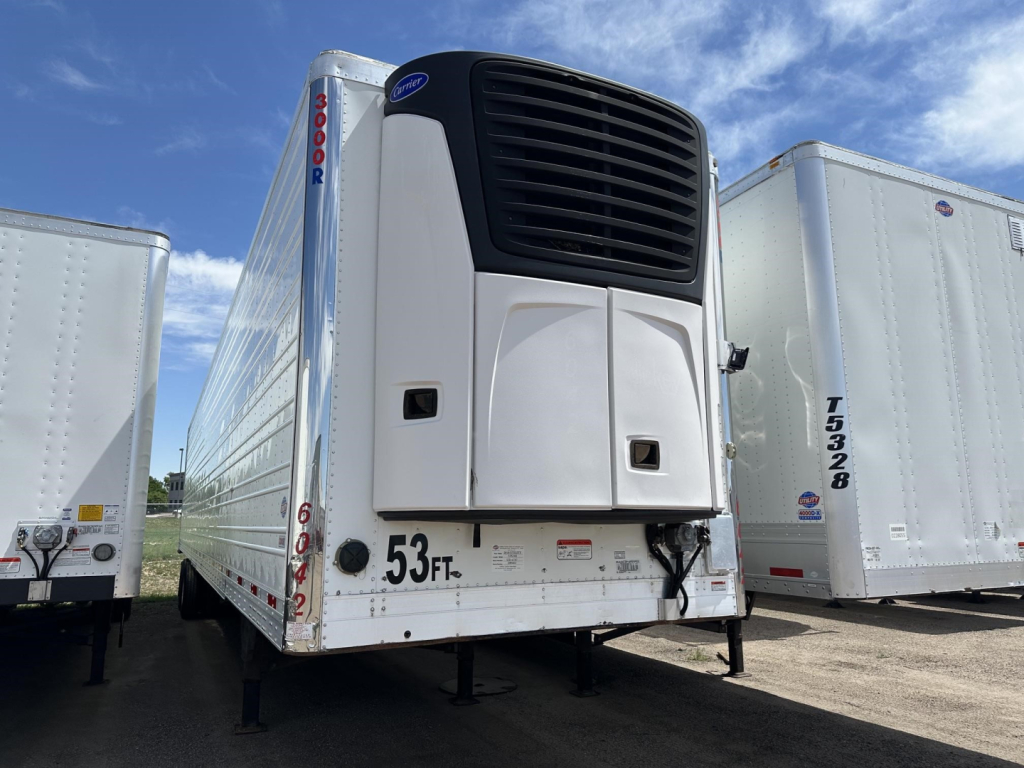
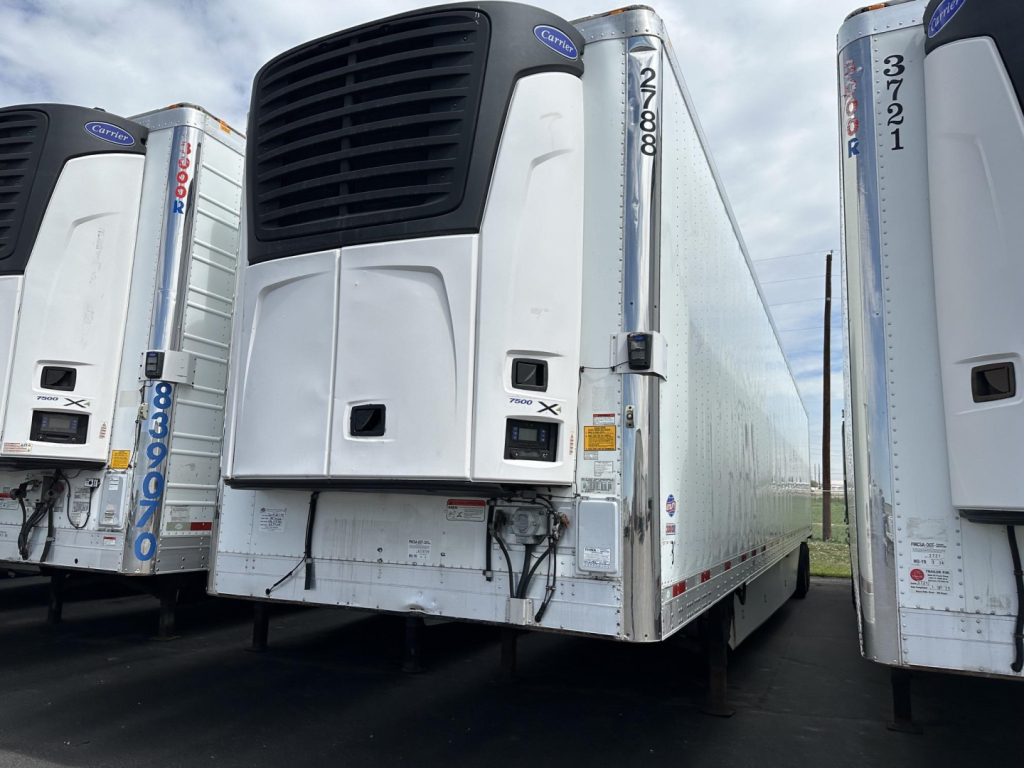
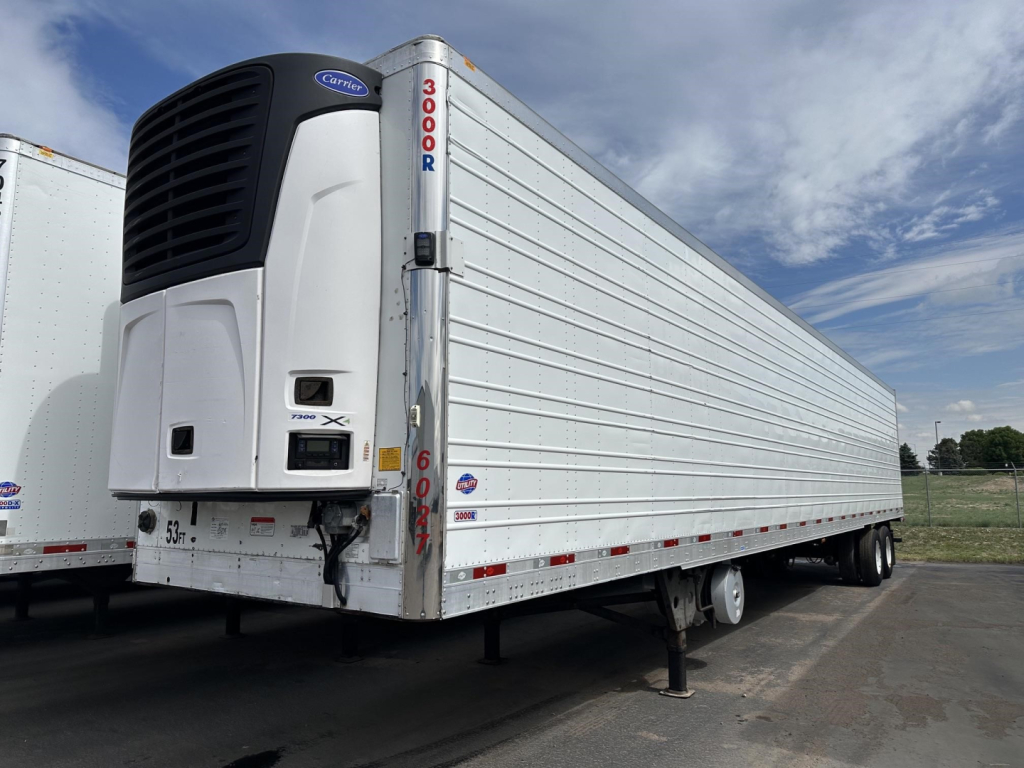
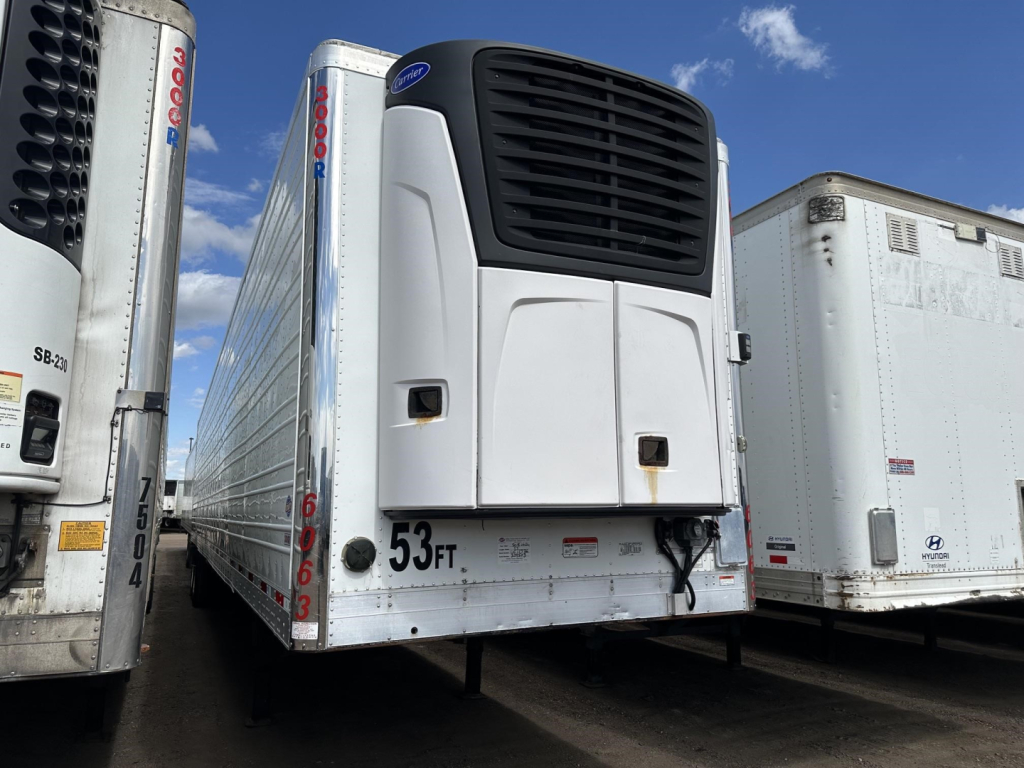
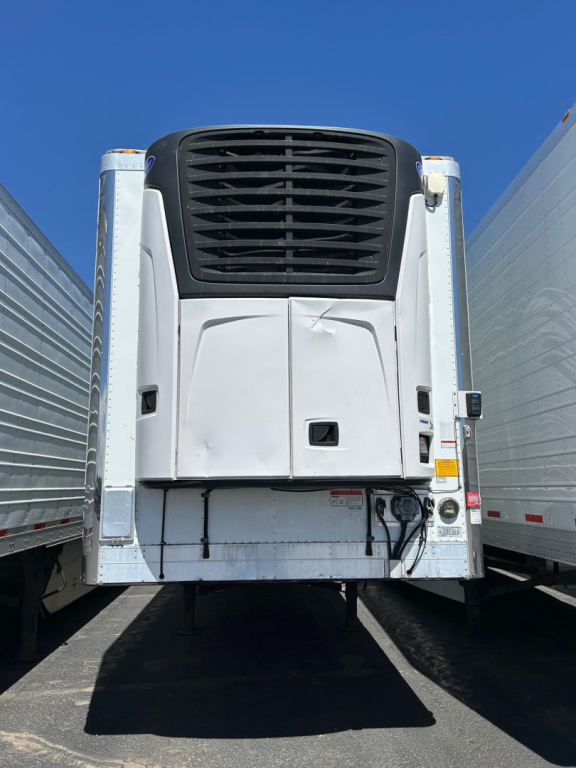

Selling a 2018 utility reefer trailer? List your 2018 utility reefer trailer for sale and reach thousands of commercial buyers.
2018 Utility Reefer Trailers
Common build details on Utility reefer trailers in this age range include aluminum duct floors, stainless front corners or front radius panels, scuff liners or scuff plates, rear vents, and quilted or stainless-lined swing doors. Suspension is often air ride with a sliding tandem or air pin slider, and many are equipped with tire inflation systems such as PSI or TireMaxx. Side skirts, anti-dock-walk systems, and low-profile 22.5 tires are also common. For fleets loading mixed freight or high pallet counts, inside width at the scuff and floor condition deserve a close look, especially on units that spent years in foodservice or heavy route work.
The right 2018 Utility reefer depends on lane and region. A closed tandem may suit general over-the-road freight, while a California-legal sliding spread setup matters for operators running the West Coast under bridge law constraints. Buyers moving frozen freight should inspect insulation condition, door seals, return air chutes, and floor airflow paths, because trailer shell health directly affects pull-down times and fuel burn. If produce, floral, or other respiration-sensitive freight is part of the mix, vent configuration and bulkhead compatibility become more important than cosmetic appearance.
Age alone does not tell the full story on a used reefer trailer. Focus on reefer unit service records, floor wear, suspension condition, crossmember corrosion, door frame alignment, and evidence of past panel or roof repairs. Utility trailers generally hold value well because parts support is strong and the brand is familiar across major fleets, lease operators, and resale channels. A clean 2018 Utility reefer with a documented temperature unit, sound floor, and a spec that matches your freight can still be a very productive trailer for regional or long-haul refrigerated service.
Frequently Asked Questions about 2018 Utility Reefer Trailers
What should I check first on a 2018 Utility reefer trailer?
Start with the refrigeration unit and the trailer shell. Confirm the reefer unit brand, model, engine hours, service history, and any recent major repairs such as compressor, evaporator, or diesel engine work. Then inspect the trailer body for roof repairs, panel delamination, door seal condition, floor wear, and airflow integrity through the duct floor or chute system. A strong reefer unit cannot overcome a weak insulated box for long.
Are most 2018 Utility reefer trailers 53 feet long?
Yes. Most late-model Utility reefer trailers on the secondary market are 53 feet long, 102 inches wide, and 13 feet 6 inches high. The most common configuration is a Utility 3000R with tandem axles, air ride suspension, and swing doors. Older or specialty configurations such as 48-foot reefers do exist, but 53-foot units dominate grocery, frozen, and general refrigerated freight applications.
What is the benefit of a duct floor in a reefer trailer?
A duct floor helps move conditioned air under and through the load, which improves temperature consistency from front to rear. This is especially important for frozen freight, tightly stacked palletized loads, and multi-stop routes where door openings disrupt box temperature. Buyers should inspect the floor for crushed channels, patches, and wear that can restrict airflow and reduce refrigeration efficiency.
Do 2018 Utility reefer trailers commonly have tire inflation systems and side skirts?
Many do. Tire inflation systems such as PSI or TireMaax Pro were common fleet specs by this model year, and side skirts were also frequently ordered for fuel savings and aerodynamic performance. Both features can add value, but they should be inspected for proper operation and damage. A non-functioning inflation system or broken skirt hardware can create maintenance costs that should be factored into the purchase decision.
What is the difference between a sliding tandem and a California-legal spread on a reefer trailer?
A standard sliding tandem gives flexibility for axle weight distribution and dock positioning in most over-the-road applications. A California-legal sliding spread is configured to meet axle spacing rules in states with stricter bridge law requirements, particularly for operators running California. The best choice depends on your freight lanes, axle weight needs, and where the trailer will be registered and operated.