
Traveling Axle Trailers For Sale in Colorado
Compare traveling axle trailers for sale in Colorado, including slide axle and hydraulic tail models for equipment hauling and low load angles.
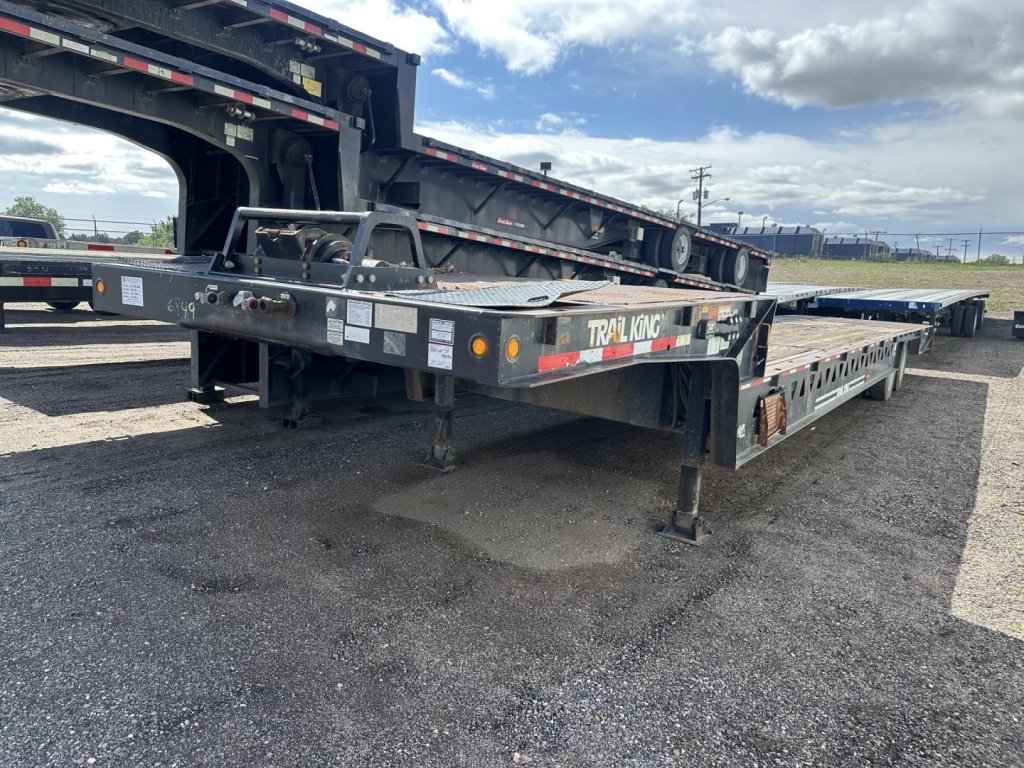
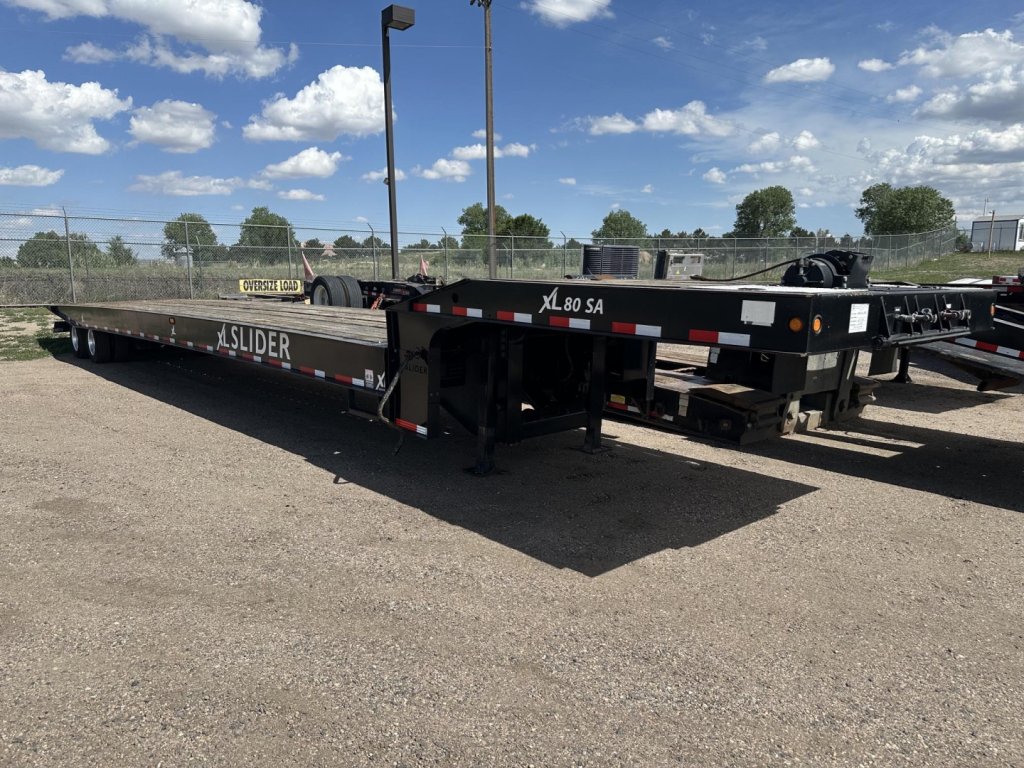
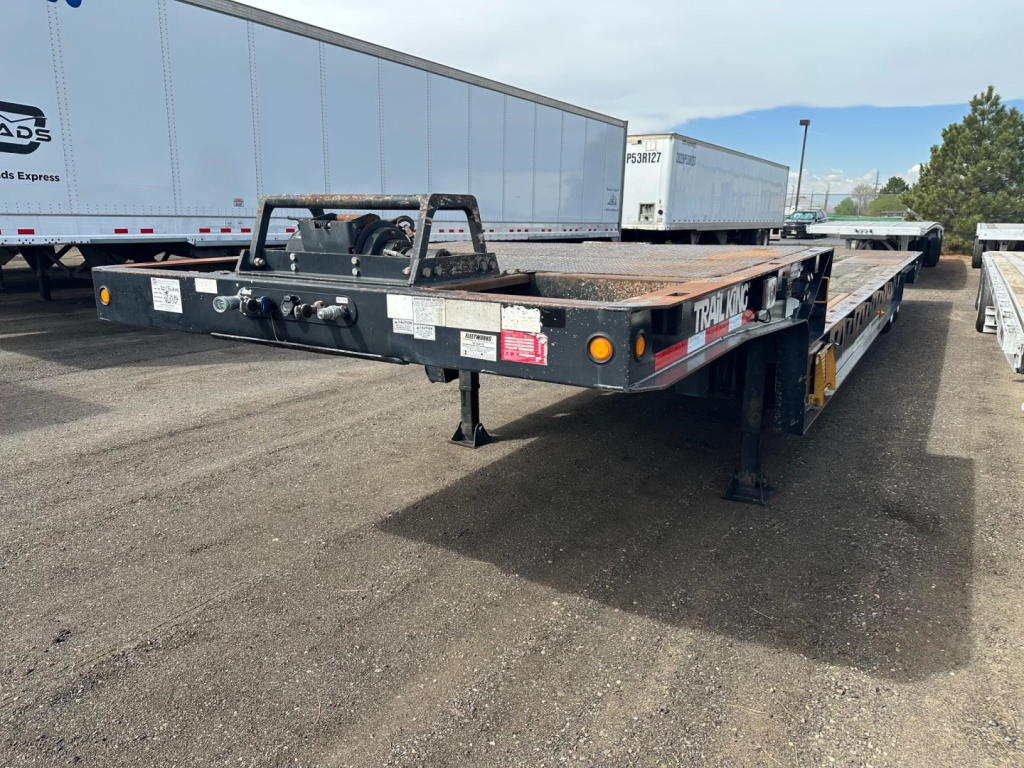
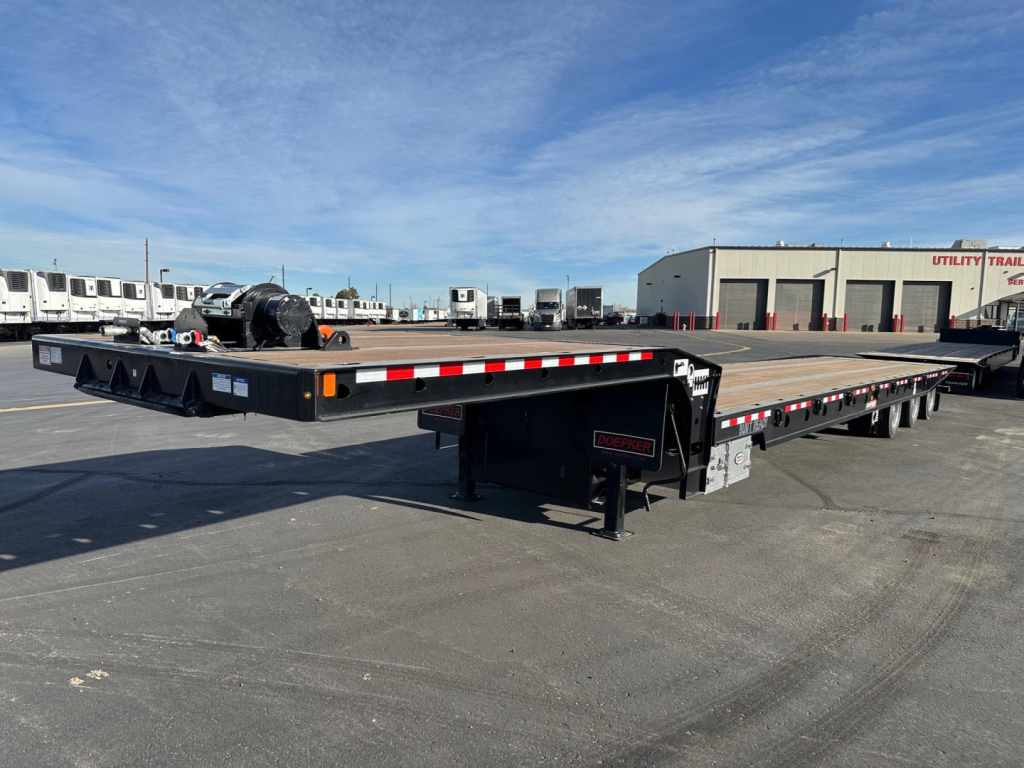
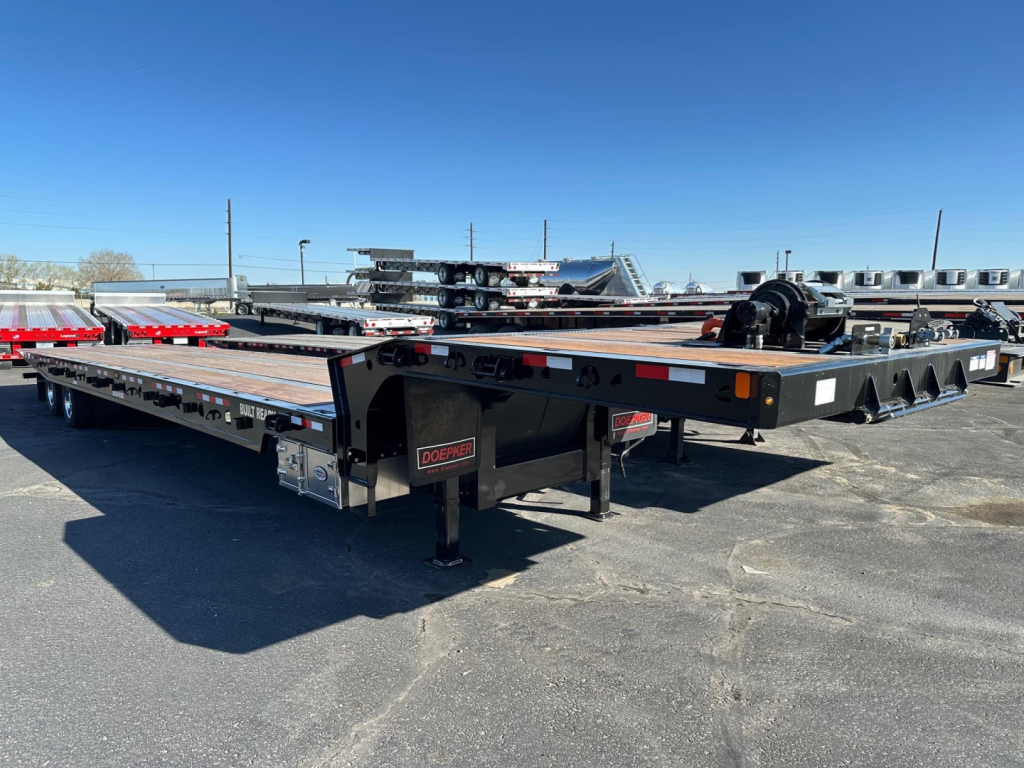
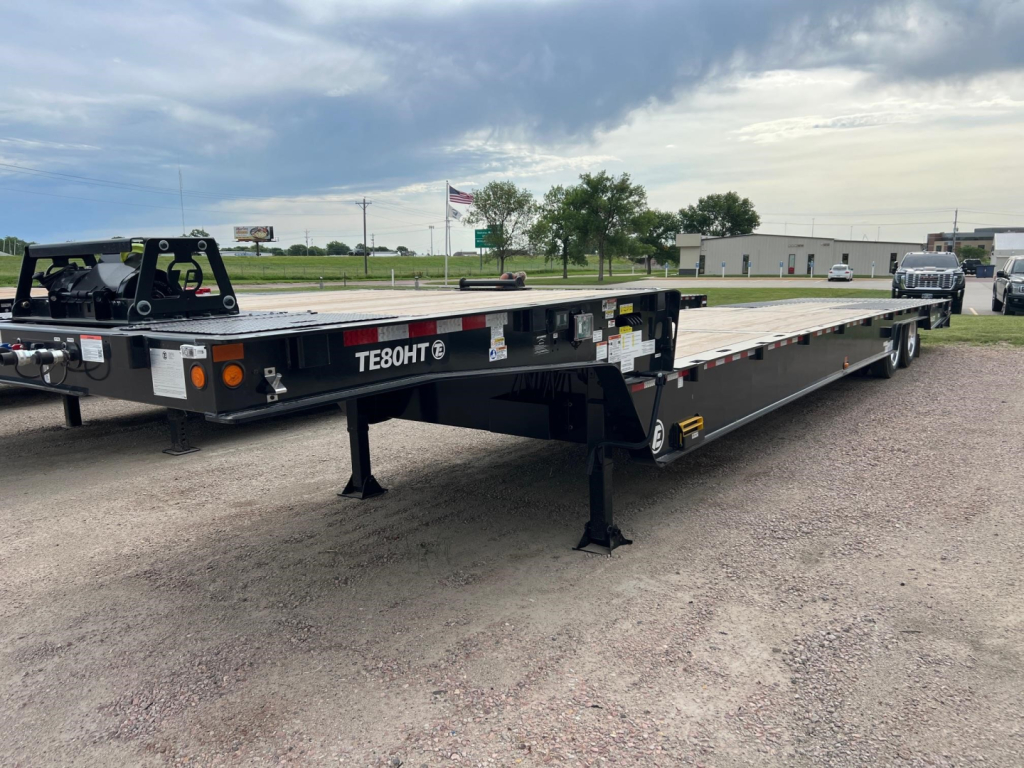
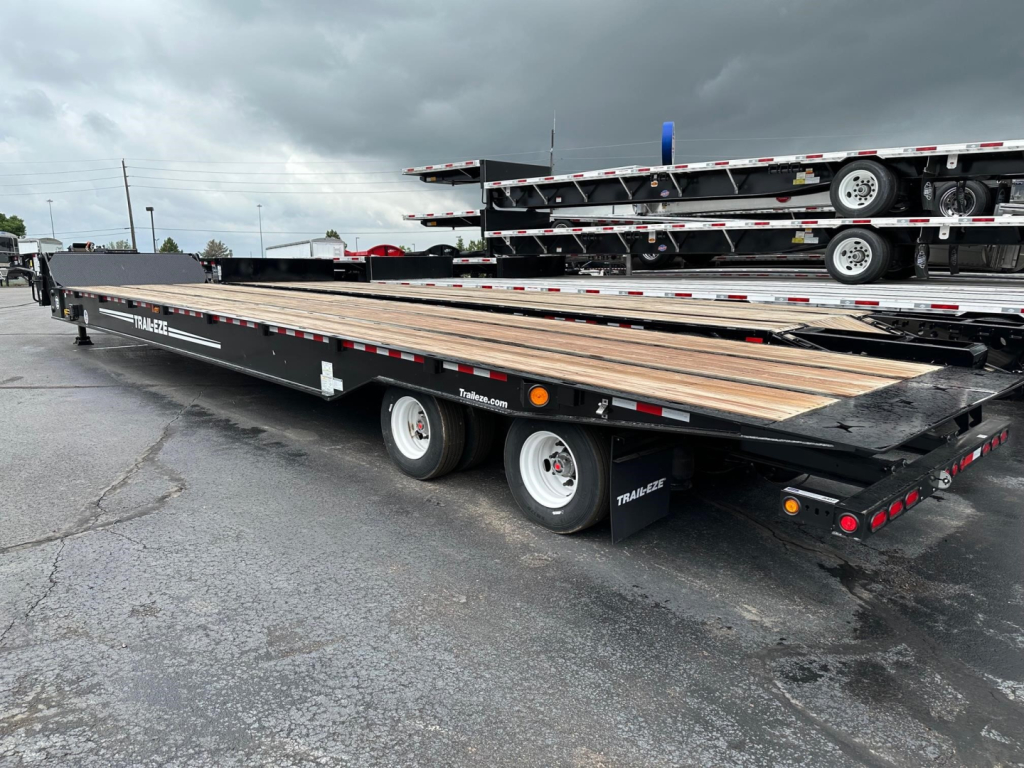
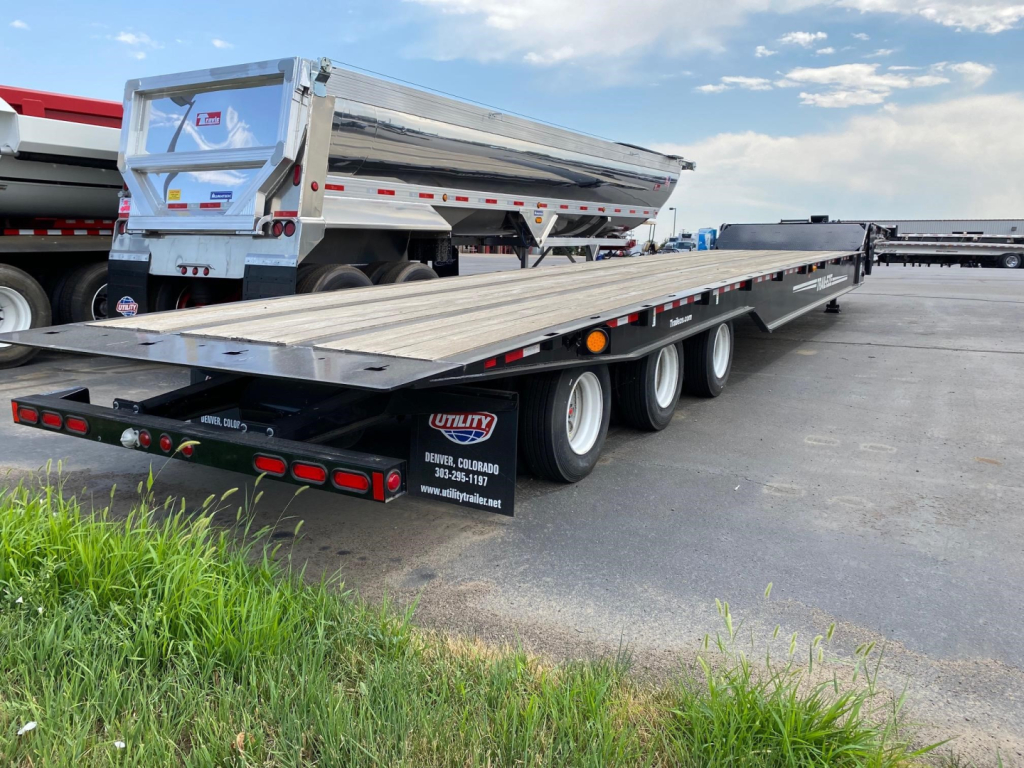
Selling a traveling axle trailer? List your traveling axle trailer for sale and reach thousands of commercial buyers.
Traveling Axle Trailers in Colorado
The first decision is usually slide axle versus hydraulic tail. A slide axle uses a traveling axle assembly to lower the rear deck and reduce the approach angle, while a hydraulic tail trailer uses a powered rear tail to achieve a similar result with different operating characteristics. Common sizes in this class run around 48 to 53 feet long and 102 inches wide, with 40 ton to 55 ton ratings being typical for heavier commercial equipment. Tandem and tri-axle configurations are both common. Tandems are simpler and lighter, while tri-axles can make more sense when payload targets, axle laws, or equipment weight concentrations push a tandem too close to its limits.
Deck construction and running gear deserve close attention because they affect both durability and ease of use. Steel frames with Apitong decking are common because they stand up well to tracked equipment and concentrated loads. Air ride suspension is popular on higher-spec traveling axle trailers because it improves loaded ride quality and helps protect both trailer structure and cargo. Features like 17.5-inch or 22.5-inch tires, closed tandem layouts, outside aluminum wheels, chain slots, stake pockets, winches, tool trays, deck rollers, dump valves, tire inflation systems, LED lighting, and remote hydraulic controls are all worth comparing. If a trailer uses slider pads, UHMW wear surfaces can reduce maintenance compared with older lubrication-heavy designs.
A buyer should also pay attention to lower deck length, upper deck length, tail style, and actual loading angle, not just the gross ton rating. A 6 to 7 degree load angle can make a real difference with low-clearance machines. Crossmember spacing, knife-edge tails, ramp design, landing gear spec, and tie-down layout all affect day-to-day usability. In Colorado, terrain and weather add another layer. Mountain grades, mixed highway and county-road travel, and cold-weather hydraulic performance make brake condition, suspension spec, lighting, and overall structural integrity especially important. The best traveling axle trailer is the one sized for the equipment you actually move, with enough deck length, securement points, and payload margin to stay productive without creating permit, axle spread, or loading headaches.
Frequently Asked Questions about Traveling Axle Trailers in Colorado
What is a traveling axle trailer used for?
A traveling axle trailer is used to haul self-propelled equipment and machinery that benefits from a low load angle during loading and unloading. Common applications include paving equipment, compact earthmoving machines, aerial lifts, rollers, skid steers, and similar iron that can be driven or winched onto the deck. It fills the gap between a standard equipment trailer and a detach lowboy by offering easier loading while keeping a relatively straightforward trailer design.
What is the difference between a slide axle trailer and a hydraulic tail trailer?
A slide axle trailer lowers the rear loading angle by moving the axle assembly or deck relationship, while a hydraulic tail trailer uses a powered tail section to create the loading surface. Both are designed to make loading easier, but they differ in maintenance profile, loading feel, and operating preference. Buyers often choose based on the types of machines they move, how often they load in the field, and whether they prefer the mechanical simplicity of a slide axle or the convenience of a hydraulic tail.
How do I choose between tandem and tri-axle traveling axle trailers?
Tandem axle traveling axle trailers are common for 40 ton class work and are often lighter, simpler, and easier to maintain. Tri-axle models are better suited for heavier payloads, higher rated capacities, and applications where axle loading needs to be spread more effectively. The right choice depends on your legal operating weights, the concentrated weight of your equipment, and the roads and jurisdictions where the trailer will run.
What specs matter most on a traveling axle trailer?
The most important specs are payload rating, lower deck length, upper deck length, width, load angle, axle configuration, suspension type, and tie-down layout. Buyers should also compare deck material, tire size, wheel setup, crossmember spacing, winch capacity, remote controls, and the condition of the tail or sliding mechanism. A trailer can look similar on paper but work very differently depending on how these details match the equipment being hauled.
Are traveling axle trailers a good fit for Colorado hauling?
Traveling axle trailers are a strong fit for many Colorado operations because they handle frequent equipment moves, jobsite loading, and mixed-route travel well. Buyers in Colorado should pay particular attention to brakes, suspension, tire condition, lighting, and hydraulic system performance in cold weather. Mountain grades and variable road conditions also make proper trailer sizing and securement layout more important, especially when hauling compact equipment with high point loads or low ground clearance.