
Trail-Eze Traveling Axle Trailers For Sale in Colorado
Browse Trail-Eze traveling axle trailers for heavy equipment hauling, with low load angles, adjustable axle positions, and strong deck capacity.
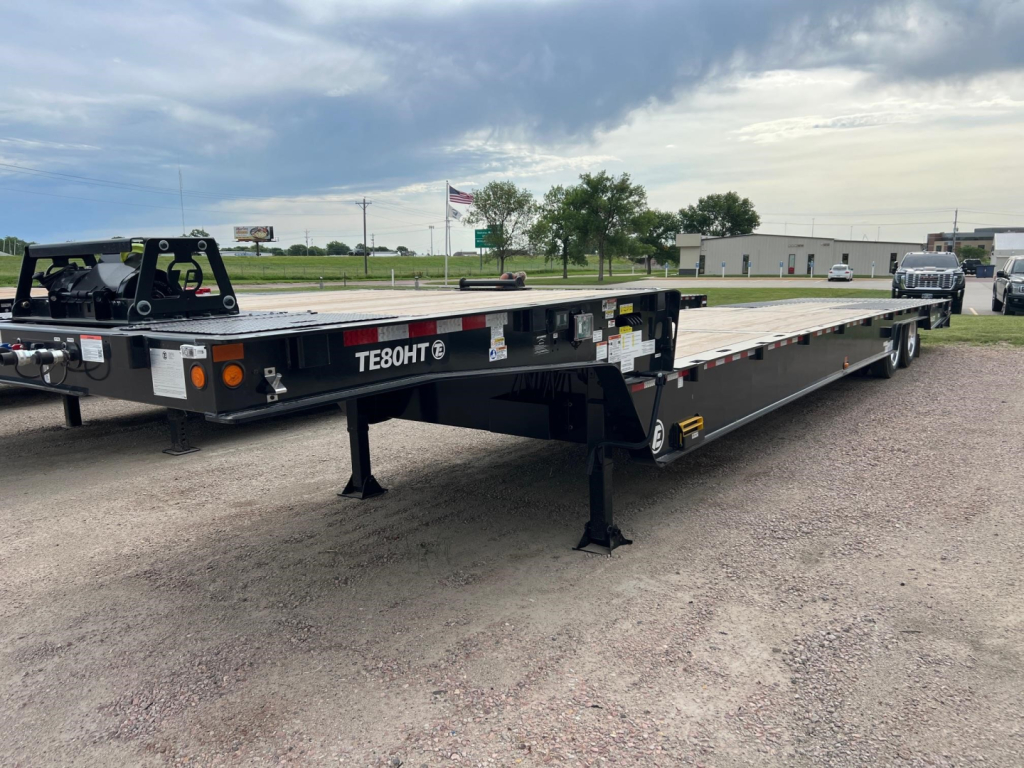
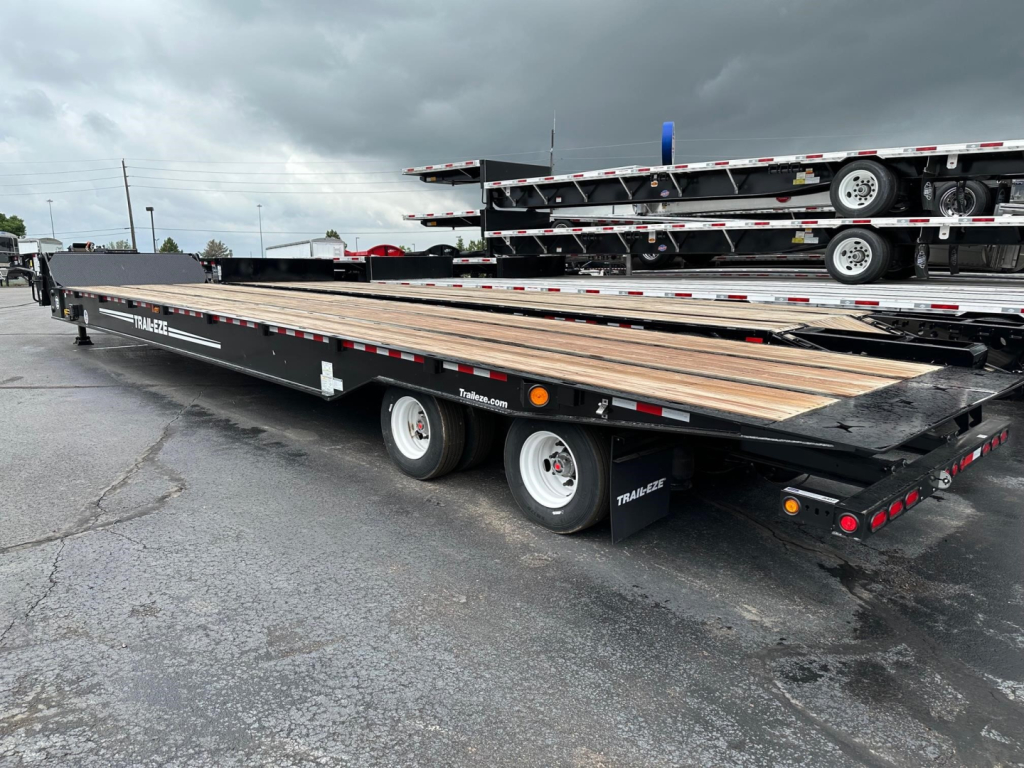
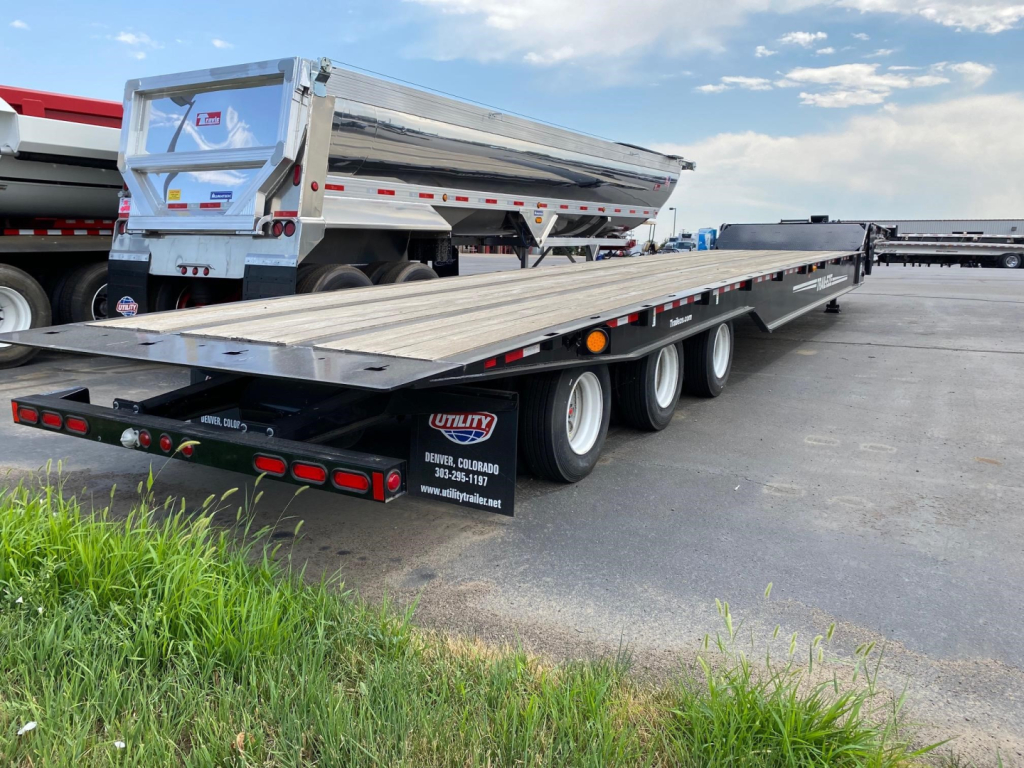
Selling a trail-eze traveling axle trailer? List your trail-eze traveling axle trailer for sale and reach thousands of commercial buyers.
Trail-Eze Traveling Axle Trailers in Colorado
Capacity, deck layout, and axle configuration should drive the decision. Trail-Eze models in this class are often used to move skid steers, compact track loaders, mini excavators, backhoes, rollers, and small to mid-size dozers. Common specs include tandem or tri-axle setups, air brakes, spring or air ride suspension, hydraulic axle travel, and treated wood or steel deck surfaces. Deck lengths and usable deck space vary by model, so it is important to match the trailer to the machine’s track length, attachment overhang, and operating weight. Ramp style, deck height, tire size, and beavertail geometry all affect how easily low-clearance equipment can be loaded.
In Colorado, terrain and elevation add another layer to the buying decision. Buyers running mountain grades or mixed on-road and jobsite routes usually pay close attention to brake condition, tire age, suspension wear, and frame integrity. A properly spec’d traveling axle trailer helps keep weight balanced across the axles and can improve loading confidence on uneven ground. If the trailer will see frequent moves between municipalities, quarries, and highway work zones, look closely at overall GVWR, legal width, tie-down provisions, lighting, and hydraulic system condition. Crossmember spacing, main frame design, and deck condition matter just as much as the rated capacity on paper.
Trail-Eze has a strong reputation in the equipment trailer market, and that shows up in resale demand and contractor familiarity. For a buyer sorting through multiple used listings, the most important checks are real-world capacity, deck usability, axle travel operation, and signs of structural repair or concentrated wear near the load zone. A traveling axle trailer is a strong fit when you need fast loading, stable transport, and flexibility for multiple machine types without the added complexity of a full detach trailer.
Frequently Asked Questions about Trail-Eze Traveling Axle Trailers in Colorado
What is a Trail-Eze traveling axle trailer used for?
A Trail-Eze traveling axle trailer is used to haul heavy equipment that benefits from a low loading angle and stable deck height. Common loads include skid steers, excavators, rollers, backhoes, compact dozers, and other construction or utility machines. The sliding axle system allows easier loading than a fixed-deck equipment trailer, especially for rubber track and low-clearance machines.
How does a traveling axle trailer differ from a detachable gooseneck trailer?
A traveling axle trailer lowers for loading by sliding the axle assembly rearward, while a detachable gooseneck trailer separates at the front to create a drive-on loading deck. Traveling axle trailers are typically simpler and faster for many day-to-day equipment moves. A detach trailer may be the better choice for taller, heavier, or more specialized loads, but a traveling axle design often offers a strong balance of loading convenience, cost, and versatility.
What should I check on a used Trail-Eze traveling axle trailer?
Focus on the hydraulic axle travel system, frame rails, crossmembers, deck condition, suspension components, brakes, tires, and electrical system. Inspect for weld repairs, cracked paint around stress points, uneven tire wear, and deck damage in the main load area. It is also important to confirm the VIN tag, GVWR, axle ratings, and that the trailer matches the weight and dimensions of the equipment you plan to haul.
Are traveling axle trailers good for Colorado hauling conditions?
Traveling axle trailers can be a good fit for Colorado because they handle frequent equipment loading while maintaining useful weight distribution on the road. Buyers operating in mountain regions should pay close attention to brake performance, tire condition, suspension wear, and overall trailer stability under load. Route profile, altitude, and jobsite surface conditions all make maintenance history and proper trailer spec more important.
What capacity and deck size should I look for in a traveling axle trailer?
The right capacity and deck size depend on the operating weight, width, track length, and attachment setup of the machine being hauled. Buyers should account for the machine’s real working configuration, not just the base published weight. Adequate deck length, proper axle placement, and enough tie-down options are just as important as the trailer’s rated capacity because they affect legal loading, balance, and transport safety.