
Trail-Eze Traveling Axle Trailers For Sale
Browse Trail-Eze traveling axle trailers built for heavy equipment hauling, with low deck heights, sliding axles, and strong load flexibility.
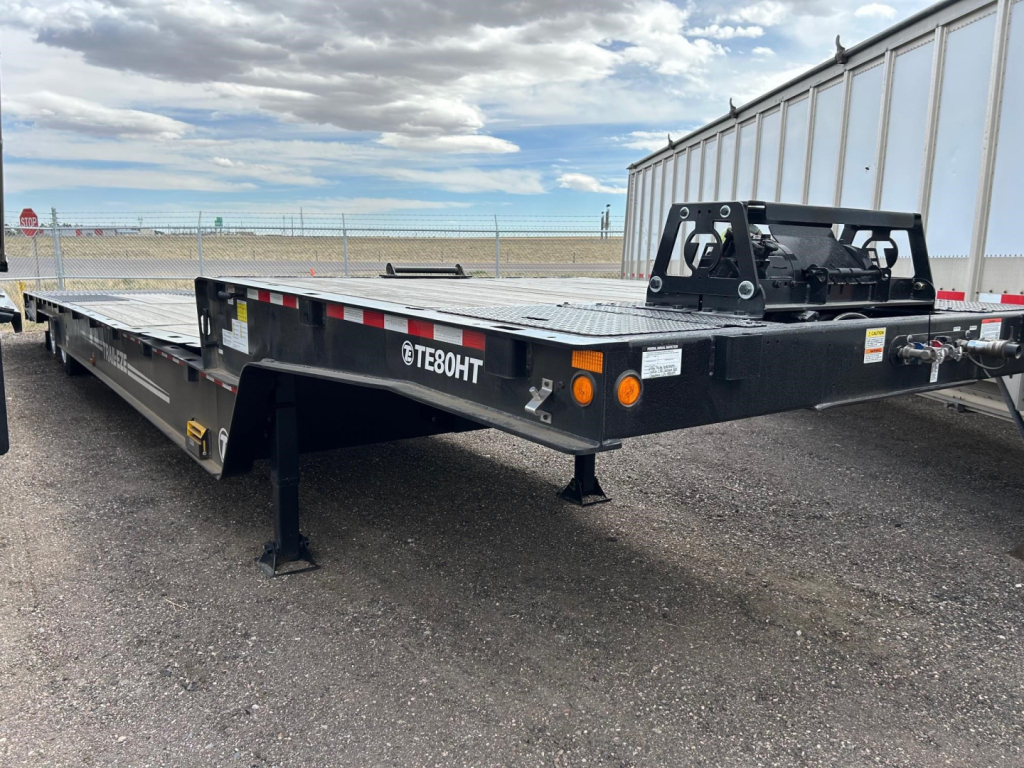
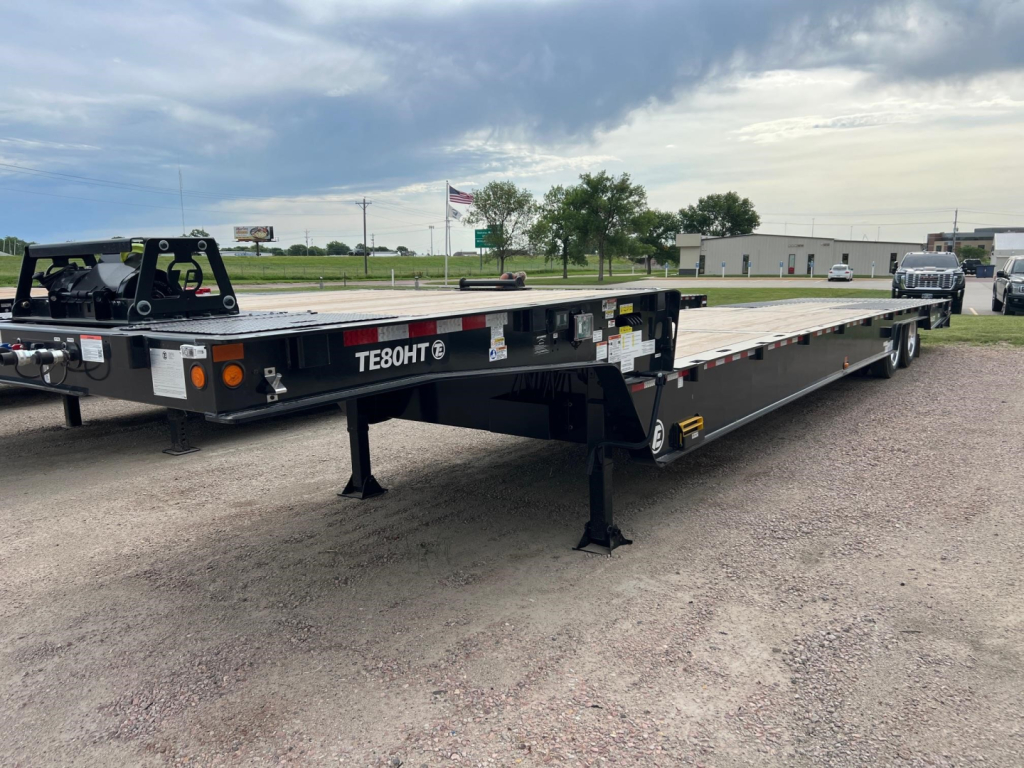
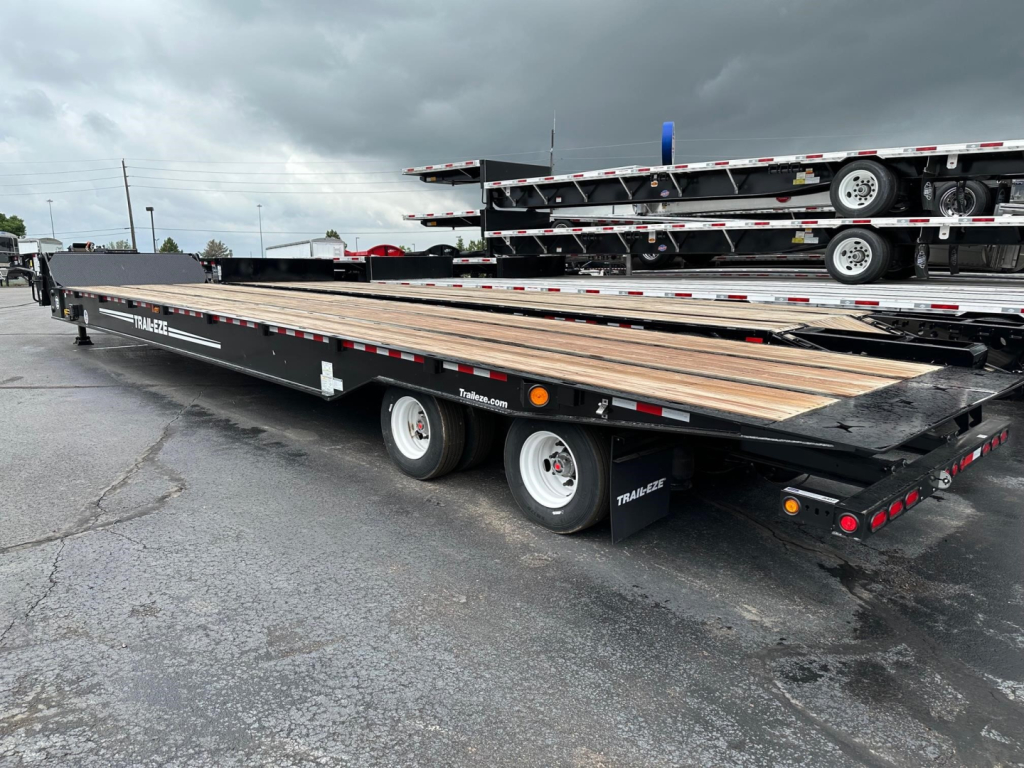
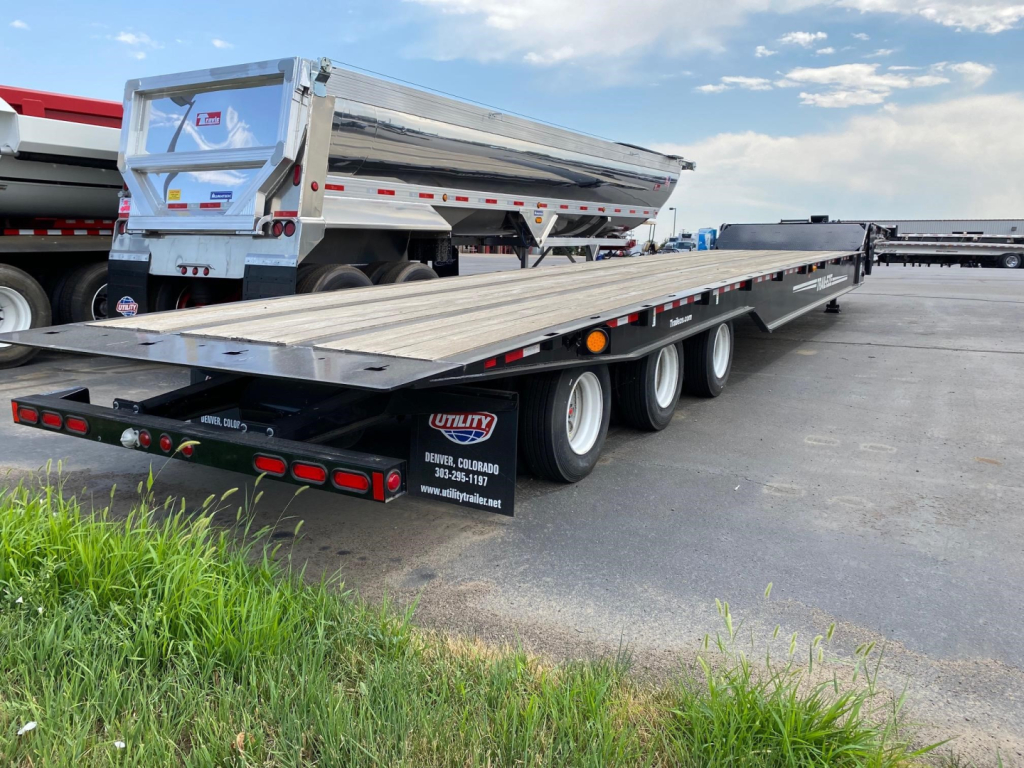
Selling a trail-eze traveling axle trailer? List your trail-eze traveling axle trailer for sale and reach thousands of commercial buyers.
Trail-Eze Traveling Axle Trailers
Buyers usually start with capacity, deck length, and axle configuration. Trail-Eze traveling axle trailers are commonly spec'd in tag, pintle, or gooseneck configurations depending on the tow vehicle and the weight being moved. Deck construction, crossmember spacing, apitong or oak flooring, traction aids, and tie-down layout all affect how well the trailer fits daily work. A lower loaded deck height can help with overhead clearance and machine stability, while a properly matched axle setup and suspension package affect ride quality, tire wear, and legal payload. On used units, pay close attention to axle slide operation, cylinder condition, hinge points, frame straightness, deck wear, and signs of concentrated loading around the beavertail or loading area.
Trail-Eze has a strong reputation in the equipment trailer market because these trailers are designed for repeated jobsite loading and unloading, not just occasional transport. Features often found on this category include hydraulic sliding axles, adjustable couplers, heavy-duty fenders, chain trays, stake pockets, rub rails, and multiple securement points for meeting cargo control requirements. Brake type, tire size, GVWR, and overall deck layout should be checked against the machines you plan to haul most often, not just the heaviest unit on paper. A trailer that loads easily every day and balances weight correctly behind the tow vehicle is usually more productive than one chosen by capacity alone.
For many operators, the value of a traveling axle trailer is speed and simplicity on the ground. You can load without carrying separate ramps, reduce setup time between stops, and handle mixed fleets of compact and mid-size equipment with less hassle. The right Trail-Eze trailer depends on approach angle, transport height, securement needs, and how often the trailer sees rough jobsites versus highway miles. Buyers comparing listings should look closely at frame rating, braking system, deck dimensions, coupler style, and the condition of the sliding mechanism, since those details have the biggest impact on long-term ownership cost and day-to-day usability.
Frequently Asked Questions about Trail-Eze Traveling Axle Trailers
What is a traveling axle trailer used for?
A traveling axle trailer is used to haul equipment that benefits from a low loading angle and quick loading process. Common loads include skid steers, mini excavators, rollers, scissor lifts, compact tractors, and other construction or landscape machines. The sliding axle design lets the deck lower for loading and then return to transport position, which reduces reliance on long ramps and makes frequent loading cycles more efficient.
How is a traveling axle trailer different from a tilt trailer or ramp trailer?
A traveling axle trailer lowers the deck by moving the axle assembly rearward, while a tilt trailer changes the deck angle by pivoting the bed and a ramp trailer relies on fold-up or stand-up ramps. Traveling axle trailers are often preferred when buyers want a stable deck, a low loading angle, and fewer loose or heavy ramp components to manage. They are especially practical for equipment with limited ground clearance or for operators loading multiple times per day.
What should I inspect on a used Trail-Eze traveling axle trailer?
Focus on the sliding axle system first. Check hydraulic cylinders, hoses, pins, rollers, wear surfaces, and the way the axle assembly moves under load. Then inspect the frame for cracks, poor weld repairs, or signs of overloading, along with suspension components, brakes, tires, deck boards, coupler wear, lighting, and all securement points. Uneven tire wear or visible misalignment can point to axle or frame issues that affect both towing and tire cost.
What capacity should I choose in a traveling axle trailer?
Choose a capacity based on the heaviest machine you actually haul, plus attachments, fuel, chains, binders, and a reasonable operating margin. Buyers should also consider axle ratings, GVWR, deck length, tongue or hitch rating, and how weight will be distributed during transport. Capacity on paper is only part of the equation because a trailer also has to load the equipment safely, maintain proper tongue weight, and stay compliant on the road.
Are Trail-Eze traveling axle trailers good for tracked equipment?
They are commonly used for tracked equipment, especially compact track loaders and small excavators, because the lower load angle can make loading smoother and reduce the chance of dragging. The best setup depends on deck flooring, machine weight, track type, and tie-down placement. Buyers hauling tracked machines regularly should pay close attention to deck condition, traction surface, crossmember support, and the availability of securement points positioned for the machines they use most.