
2026 Trail-Eze Traveling Axle Trailers For Sale
Shop Trail-Eze traveling axle trailers with 40 to 55 ton capacities, hydraulic tail or slide axle designs, air ride suspensions, and heavy-haul specs.
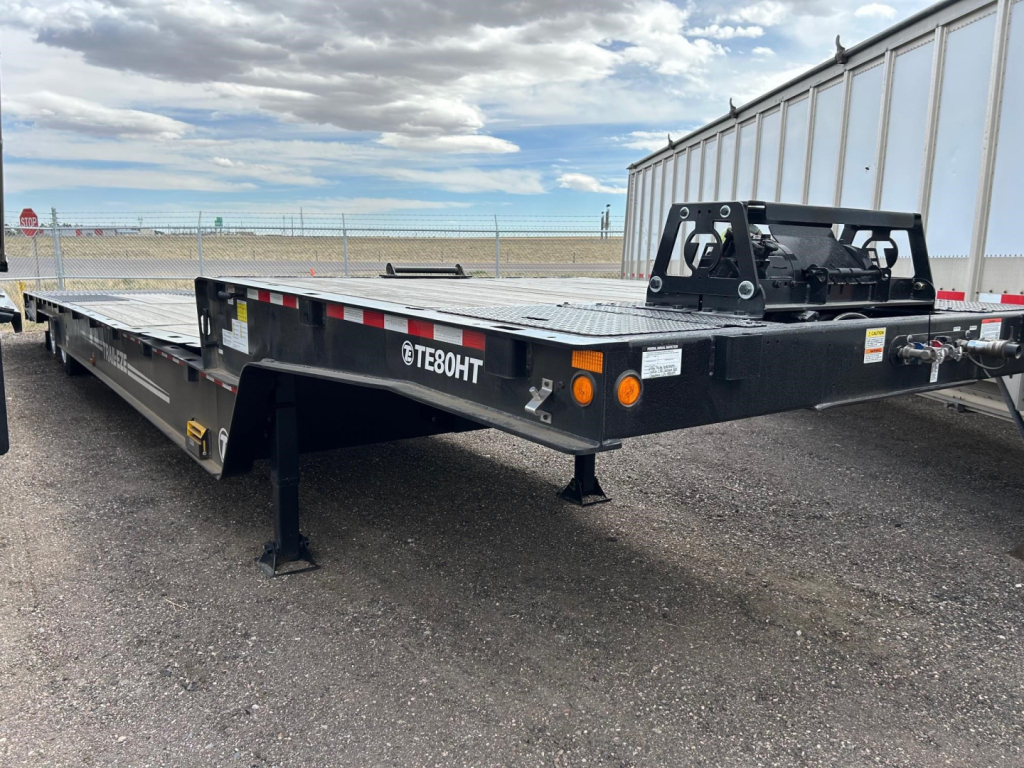
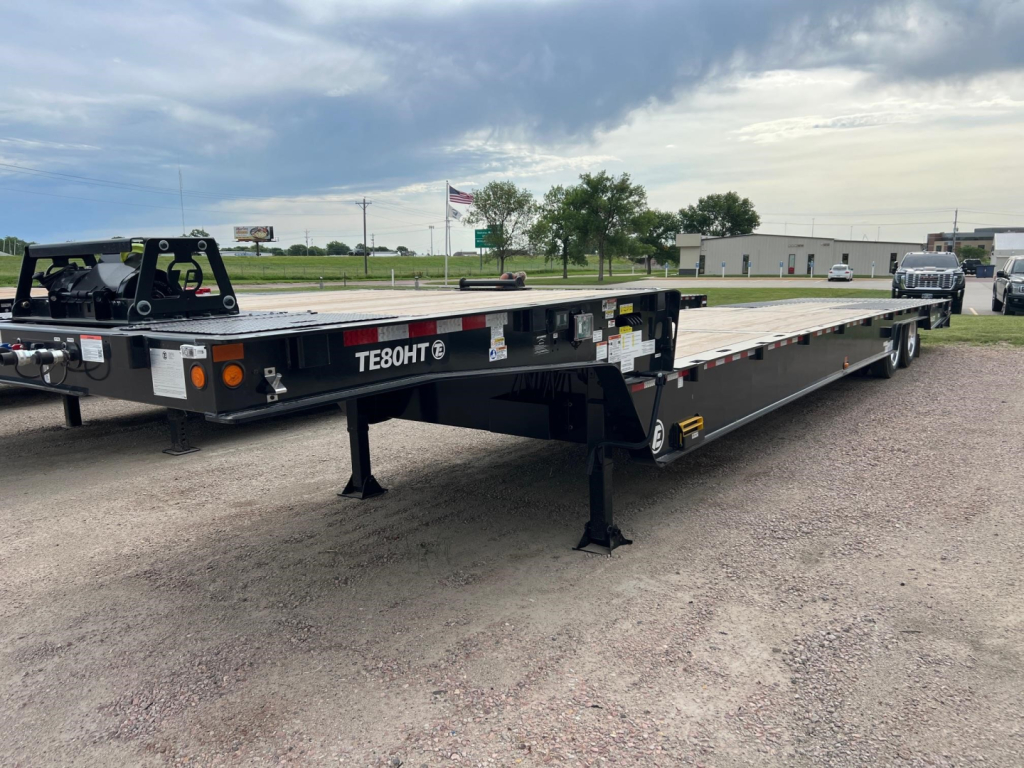
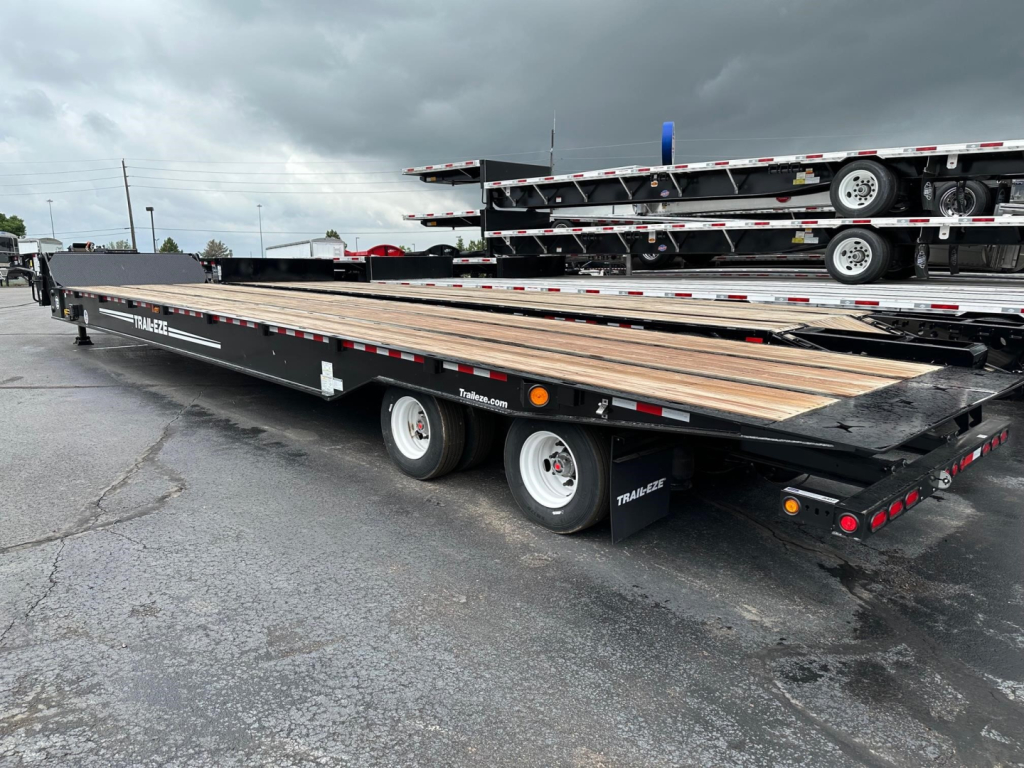
Selling a 2026 trail-eze traveling axle trailer? List your 2026 trail-eze traveling axle trailer for sale and reach thousands of commercial buyers.
2026 Trail-Eze Traveling Axle Trailers
Capacity and axle configuration deserve close attention. Trail-Eze traveling axle trailers in this range are commonly spec'd around 40 ton to 55 ton ratings, with tandem or tri-axle groups depending on payload, bridge compliance, and state routing requirements. Air ride suspension is a frequent choice because it helps protect cargo, improves ride quality, and can make loading and unloading more controlled on uneven surfaces. Buyers should also look at tire size, wheel material, dump valves, and whether the trailer uses a closed tandem or a tri-axle setup, since those details affect serviceability, replacement cost, and how the trailer carries concentrated loads over the axles.
Deck construction and loading hardware matter on a traveling axle trailer because these units tend to see hard use with tracked machines. Apitong decking is common for durability and traction, while chain slots, stake pockets, upper deck tool trays, and built-in winches make the trailer more useful for mixed fleets hauling different machines from day to day. On hydraulic tail models, remote controls, upper deck ramps, stainless tail pins, and traction aids can reduce setup time and improve safety when loading in mud, on fresh stone, or on job sites without ideal approach conditions. On slide axle models, features like UHMW slider pads reduce maintenance and help the axle travel more smoothly without regular lubrication.
A serious buyer should match the trailer to the actual fleet, not just the maximum rating on paper. Deck length, load angle, kingpin setting, axle spread, loaded deck height, and crossmember spacing all influence how well the trailer handles a specific machine mix. A 40 ton tandem may be ideal for everyday contractor equipment, while a 55 ton tri-axle is better suited for heavier excavators, crushers, or specialty equipment with tighter weight distribution requirements. Trail-Eze has a strong reputation in the heavy-haul trailer market because these trailers are designed around practical loading, durable steel structure, and operator-friendly details that matter over years of jobsite use.
Frequently Asked Questions about 2026 Trail-Eze Traveling Axle Trailers
What is a traveling axle trailer used for?
A traveling axle trailer, also called a slide axle trailer in many fleets, is used to haul heavy equipment while keeping the load angle low for easier loading. It is common in construction, paving, utility, and equipment rental work because it handles machines like excavators, loaders, rollers, skid steers, and other self-propelled equipment without requiring a separate detachable neck design.
What is the difference between a hydraulic tail and a slide axle trailer?
A hydraulic tail trailer uses a powered rear tail section to create a loading ramp, while a slide axle trailer moves the axle group to change the deck angle for loading. Hydraulic tail models are often faster and more convenient for frequent loading cycles, especially with mixed equipment. Slide axle models are valued for mechanical simplicity, strong deck support, and lower maintenance in fleets that prefer fewer hydraulic components.
How do I choose between a 40 ton and 55 ton Trail-Eze traveling axle trailer?
The right rating depends on the actual operating weight, axle spacing, and footprint of the machines being hauled, not just the heaviest unit in the fleet. A 40 ton trailer is a common fit for many contractor fleets hauling medium-size excavators, loaders, and paving equipment. A 55 ton trailer is more appropriate when loads are heavier, more concentrated, or subject to stricter bridge and permitting considerations. Buyers should verify payload distribution, tractor compatibility, and state weight laws before selecting capacity.
Why is air ride suspension common on traveling axle trailers?
Air ride suspension helps reduce shock transfer to both the trailer and the machine being hauled. It can improve ride quality on rough roads, support more controlled loading and unloading, and offer practical benefits when paired with dump valves for certain loading situations. In heavy equipment service, air ride is often preferred because it balances durability with better cargo protection than harsher suspension types.
What features should I look for on a used or new Trail-Eze traveling axle trailer?
The most important features depend on the equipment mix, but buyers commonly look for deck material such as Apitong, chain slots, stake pockets, winches, remote controls, load angle, scale gauges, crossmember spacing, and axle configuration. On hydraulic tail models, inspect the tail structure, pins, cylinders, and remote functions. On slide axle models, pay attention to slider pad condition, travel mechanism wear, and how smoothly the axle moves under load. Tire size, brake condition, suspension type, and frame integrity are critical on either design.