
2026 Traveling Axle Trailers For Sale in Colorado
Shop 2026 traveling axle trailers for hauling construction equipment, pavers, and machinery with low load angles, winches, and air ride.
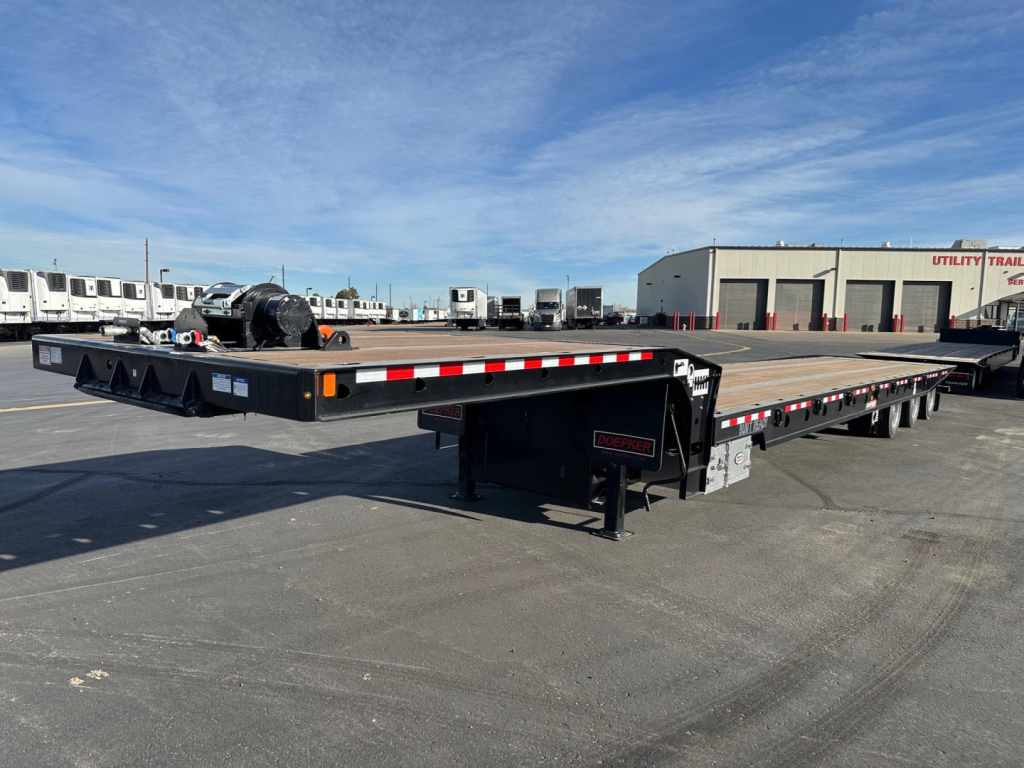
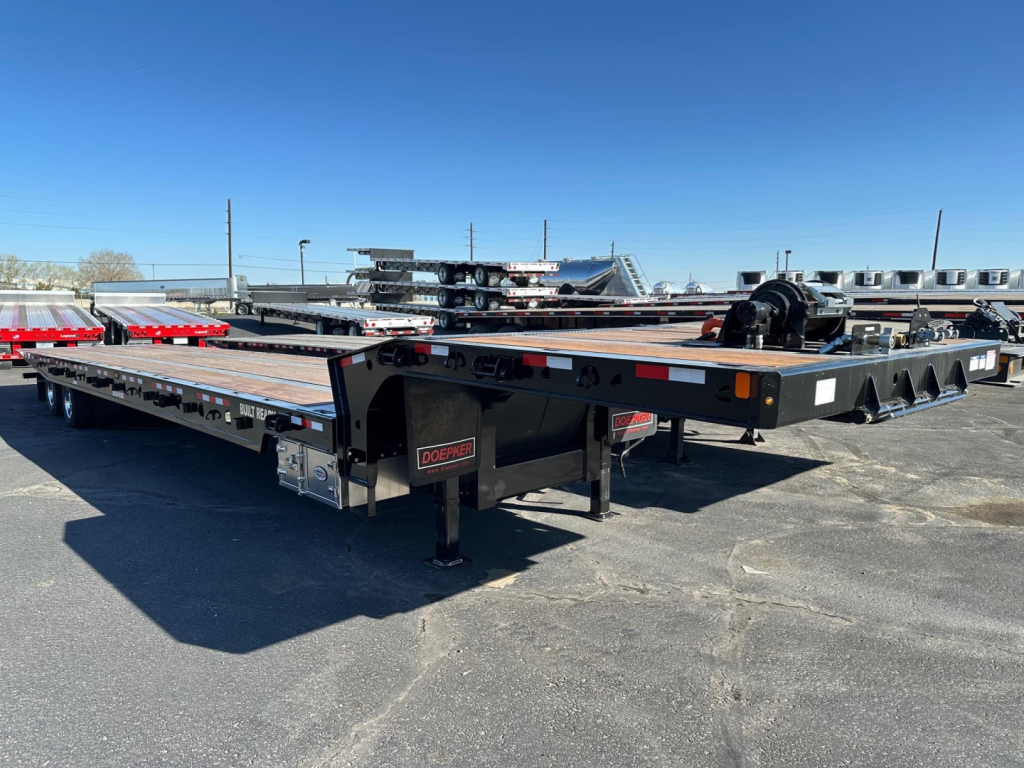
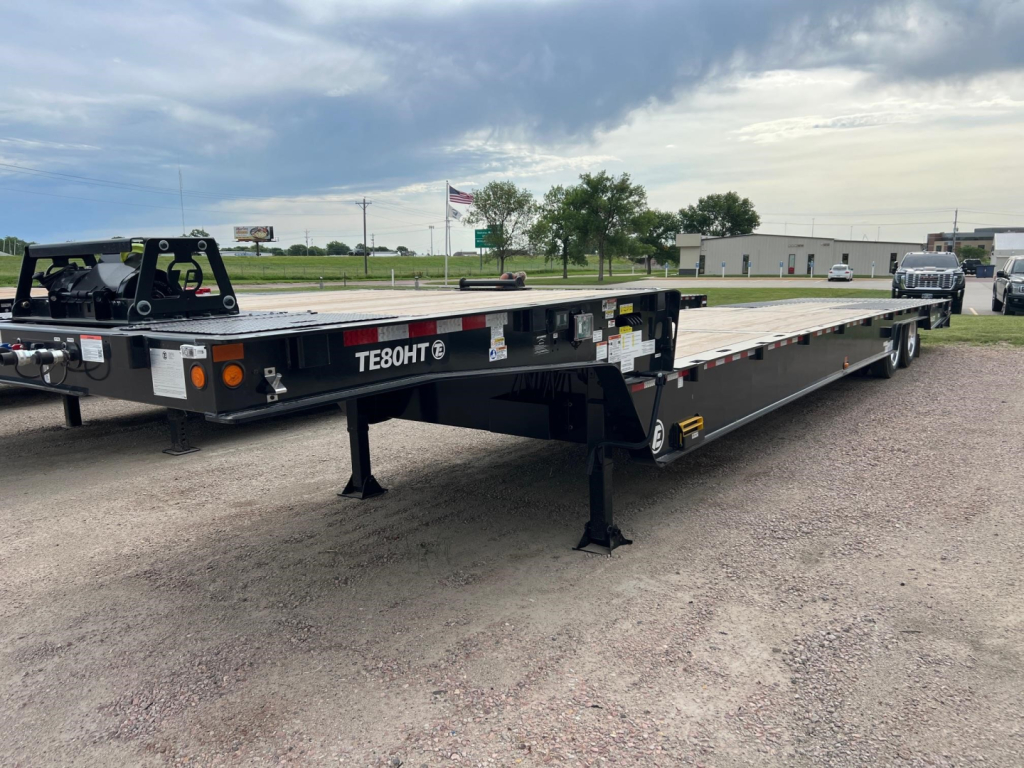
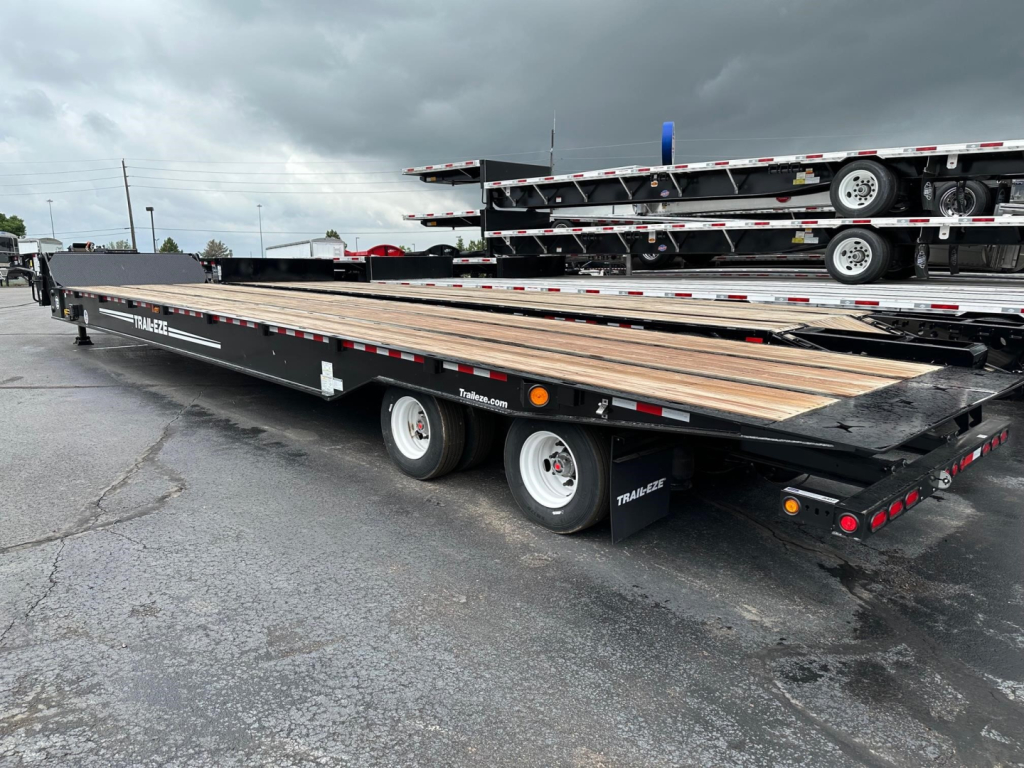
Selling a 2026 traveling axle trailer? List your 2026 traveling axle trailer for sale and reach thousands of commercial buyers.
2026 Traveling Axle Trailers in Colorado
Colorado buyers usually pay close attention to load angle, suspension, and tire package because mountain grades, mixed jobsite access, and longer repositioning miles can expose weak spec choices quickly. Air ride suspension is common on higher-spec traveling axle trailers because it helps protect the trailer structure and the machine being hauled, and features like dump valves and adjustable ride height can make loading and unloading more controlled. Many late-model units are equipped with 17.5 or 22.5 low-profile tires, PSI tire inflation systems, and combinations of outside aluminum and inside steel wheels. If you are moving heavier iron regularly, details like main beam construction, slider pad design, landing gear rating, and crossmember spacing are worth checking closely.
Deck and loading equipment often separate a basic traveling axle from a trailer that works every day in recovery, paving, utility, or rental fleets. Apitong decking remains a common choice because it handles concentrated equipment traffic well and holds up under chain contact. Buyers should look for chain slots, stake pockets, J-hooks, winch track or fixed winches, tool boxes, deck rollers at the neck, and both manual and wireless remote control options. A 20,000-lb winch is a frequent spec in this category, especially for non-running equipment or recovery applications. Load angle is another key buying point, with some trailers engineered around a notably shallow approach angle that helps protect undercarriages and attachments during loading.
The best traveling axle trailer is the one matched to the machine mix, permit environment, and daily route profile. Tandem models can make sense for regional hauling with a straightforward equipment lineup, while tridem configurations may be better for higher-capacity work and more demanding weight distribution needs. Buyers should also verify upper deck length, lower deck length, tail style, control placement on roadside or curbside, and how the kingpin setting interacts with the tractor wheelbase. Lighting, strobes, step access, scuff protection, and serviceability matter more than they appear on paper because these trailers spend their lives loading on uneven ground and backing into tight jobsites. A well-specced 2026 traveling axle trailer should reduce loading time, improve machine clearance, and stand up to repeated heavy-equipment cycles.
Frequently Asked Questions about 2026 Traveling Axle Trailers in Colorado
What is a traveling axle trailer used for?
A traveling axle trailer is used to haul equipment that benefits from a low loading angle, such as construction machines, road-building equipment, compactors, forklifts, and other wheeled or tracked units. By sliding the axle group rearward or using a hydraulic tail, the trailer lowers the approach angle and makes loading safer for low-clearance machines. This trailer type is common in construction, paving, utility, rental, and equipment recovery work.
What is the difference between a traveling axle trailer and a detachable gooseneck lowboy?
A traveling axle trailer typically offers faster, simpler loading for many day-to-day equipment moves because the operator can create a shallow load angle without removing the neck. A detachable gooseneck lowboy is often preferred for taller or heavier machines that need a very low deck height and front loading access. The better choice depends on the size of the equipment, loading frequency, route restrictions, and how much versatility is needed across different machine types.
How do I choose between a tandem and tridem traveling axle trailer?
A tandem traveling axle trailer is often a practical fit for 40-ton class work, regional hauling, and fleets that want a simpler and lighter configuration. A tridem is generally chosen for heavier payloads, improved weight distribution, and certain applications where axle loading is a major concern. The decision should be based on the actual machine weights, state bridge and axle regulations, tractor spec, and the type of roads the trailer will run on most often.
What features matter most on a 2026 traveling axle trailer?
Capacity rating, deck length, load angle, suspension type, tire size, and winch capacity are some of the most important specs. Buyers also tend to focus on Apitong or wood decking, chain slots, stake pockets, tool storage, wireless remote controls, dump valves, adjustable ride height, and tire inflation systems. These features directly affect loading speed, securement options, durability, and operating cost over the life of the trailer.
Is air ride suspension worth it on a traveling axle trailer?
Air ride is often worth the added cost for buyers hauling expensive or sensitive equipment and for operations that spend time on rough roads or long highway runs. It can improve ride quality, reduce shock transfer into the trailer frame and cargo, and help with loading control when paired with dump valves or ride height adjustments. Mechanical suspension may still appeal in some applications, but air ride is a common premium spec in this category for a reason.