
2026 Traveling Axle Trailers For Sale
Shop 2026 traveling axle trailers for heavy equipment hauling. Compare slide axle specs, load angle, deck length, air ride, and winch options.
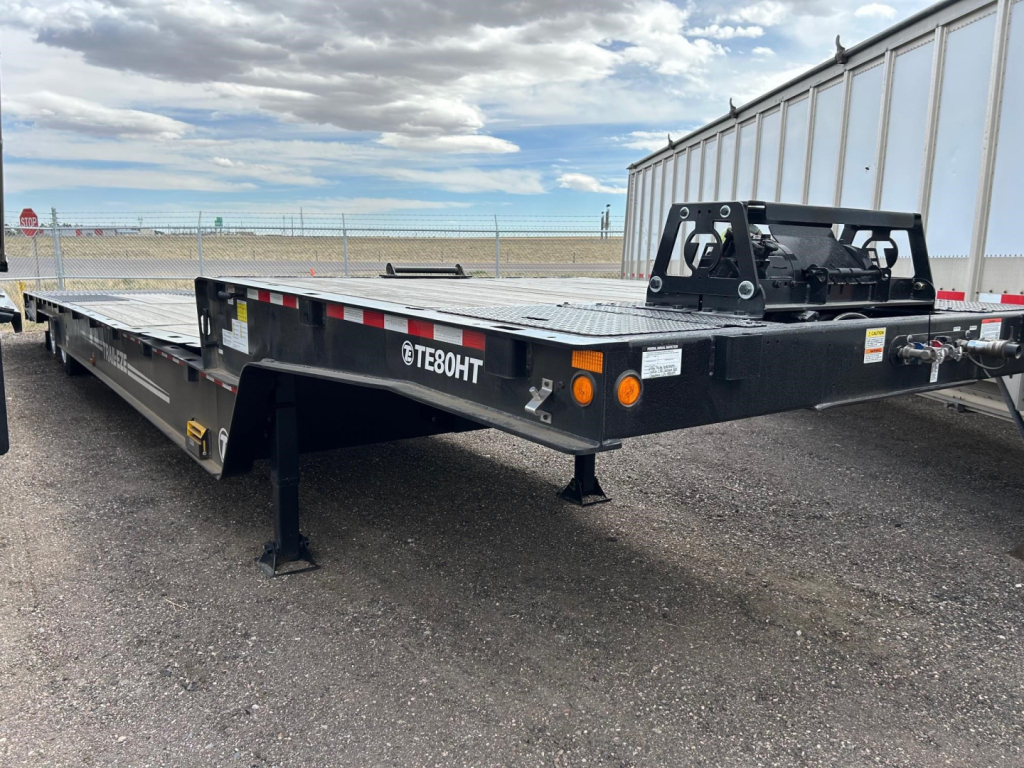
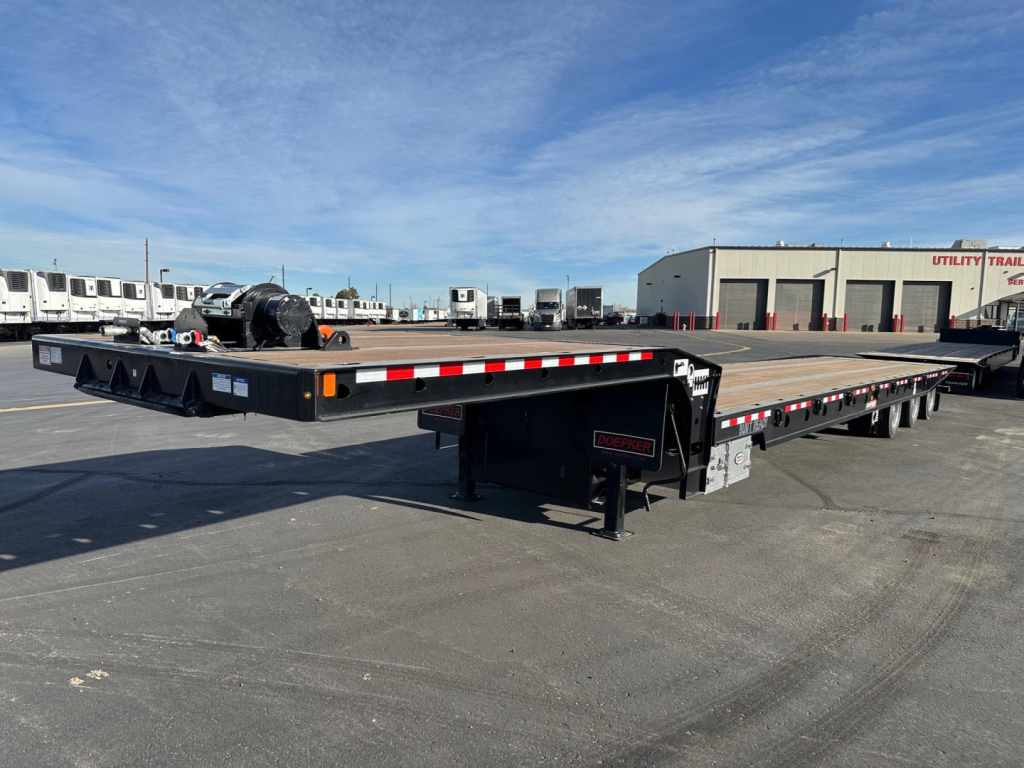
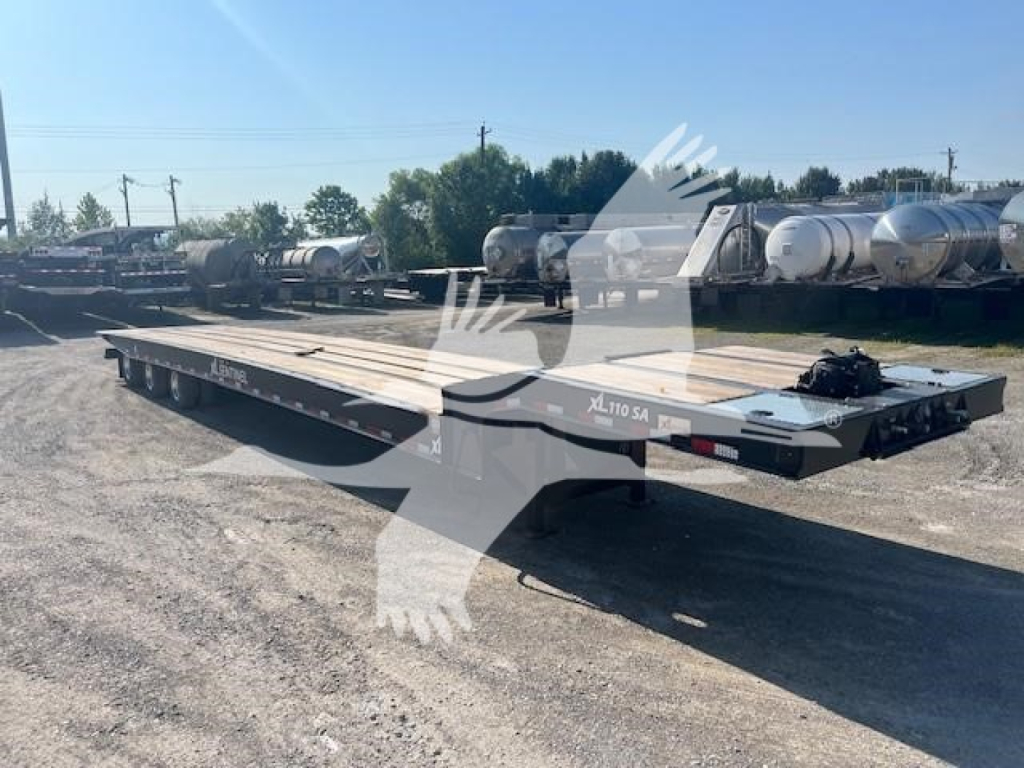
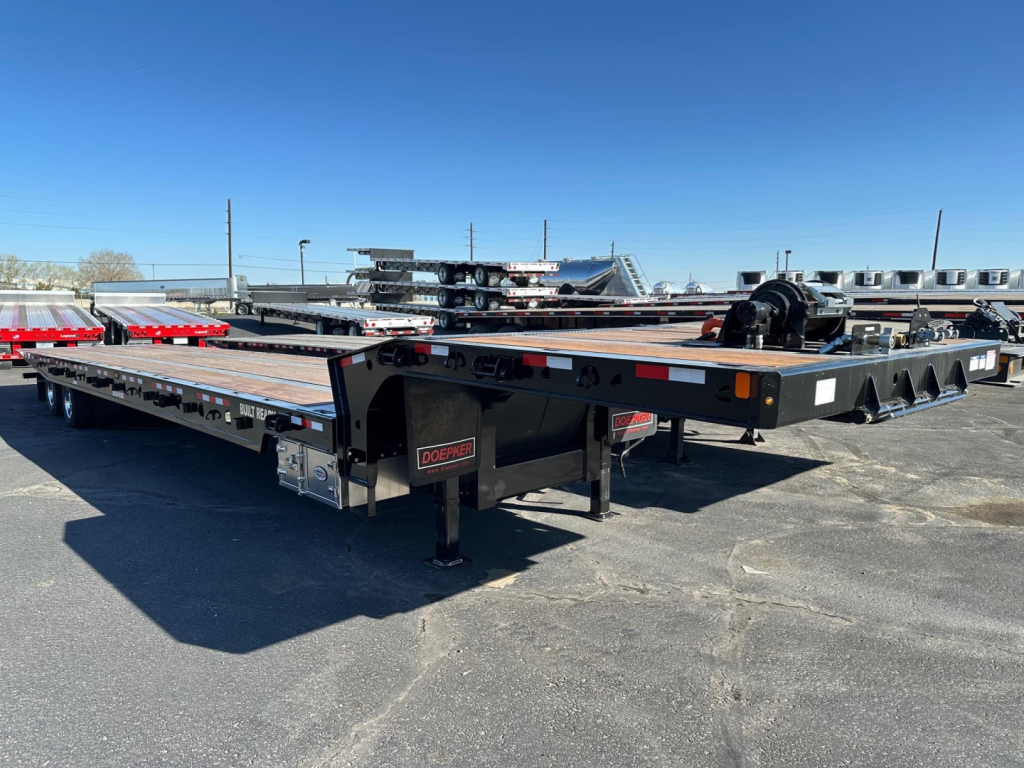
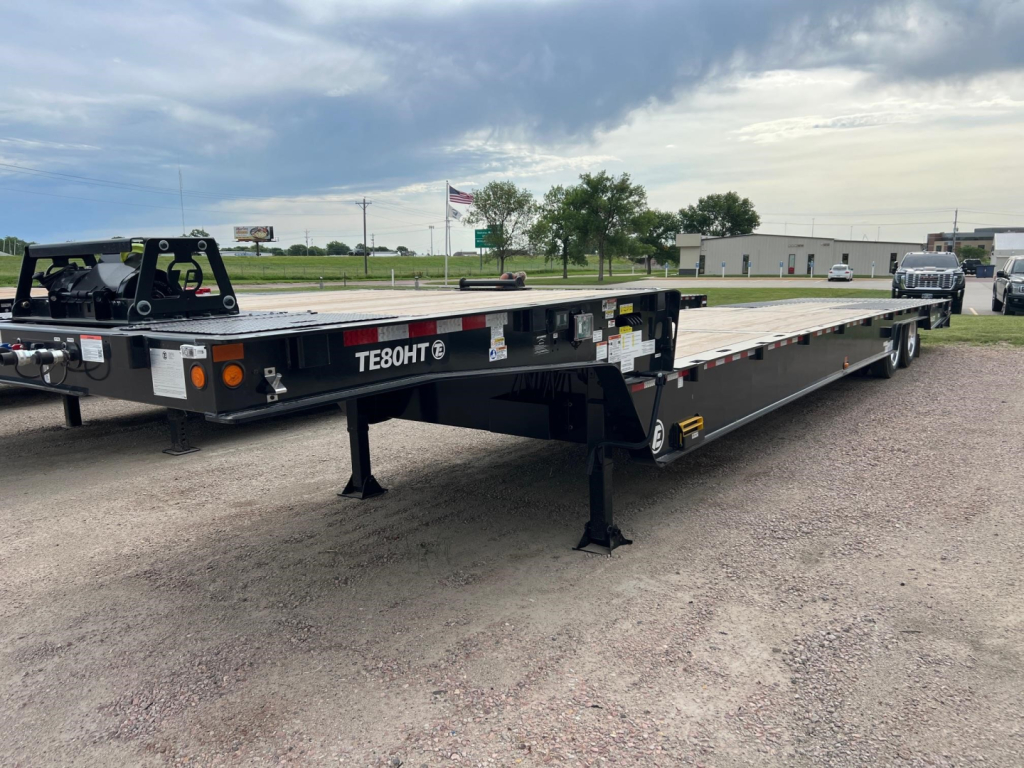
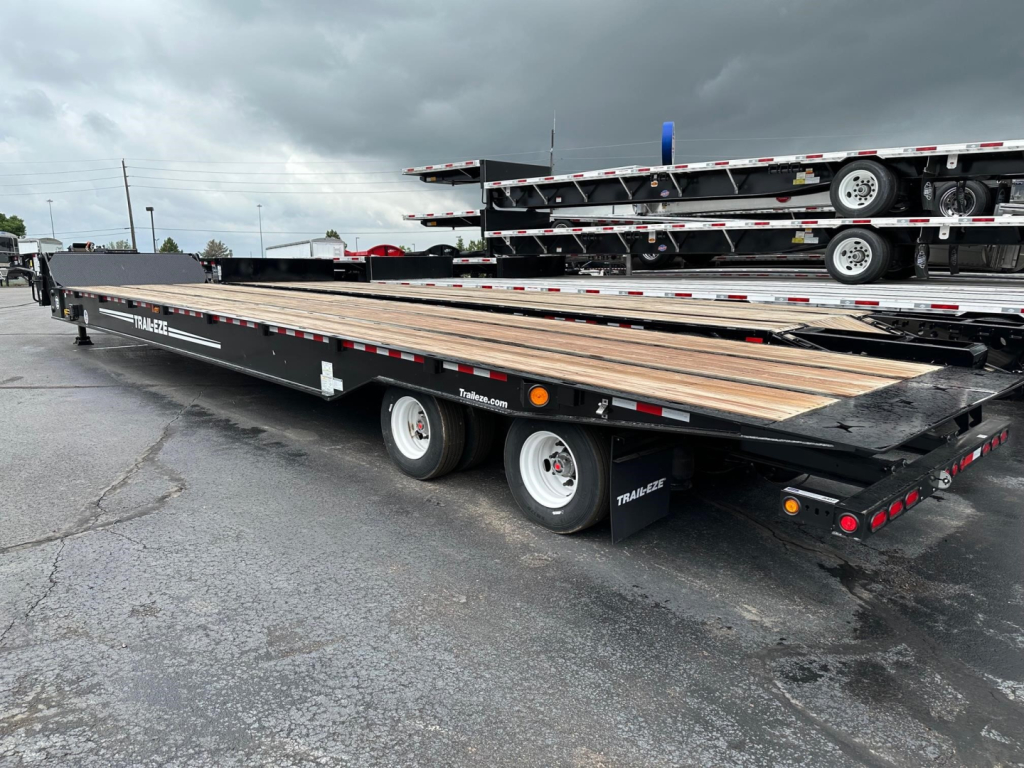
Selling a 2026 traveling axle trailer? List your 2026 traveling axle trailer for sale and reach thousands of commercial buyers.
2026 Traveling Axle Trailers
Frequently Asked Questions about 2026 Traveling Axle Trailers
What is the difference between a traveling axle trailer and a hydraulic tail trailer?
A traveling axle trailer usually loads by moving the axle assembly rearward to lower the deck angle, while a hydraulic tail trailer uses a powered rear section to create a gradual approach angle. Both designs are used for equipment that cannot handle steep ramps. Buyers should focus on actual load angle, deck height, cycle speed, and how the loading system fits their fleet’s typical machines rather than relying only on the category name.
What capacity is common for a traveling axle trailer?
Many traveling axle trailers in this segment are rated around 40 tons, but the useful capacity depends on trailer tare weight, deck design, axle spacing, tire package, and how the load is distributed. A heavier frame, winch package, or hydraulic tail assembly can reduce net payload. It is important to review both concentrated load ratings and overall distributed capacity if the trailer will carry mixed equipment.
What specs matter most when comparing slide axle trailers?
The most important specs are lower deck length, upper deck length, loaded deck height, load angle, overall trailer length, suspension type, tire size, and securement layout. Air ride suspension is common because it helps protect equipment and improves ride quality. Buyers also tend to compare winch capacity, chain slots, stake pockets, fixed or sliding winches, UHMW slider pads, toolbox space, and control options such as manual or wireless remote operation.
Why are 17.5-inch or low-profile tires common on these trailers?
Low-profile tire packages help keep deck height down, which improves legal loaded height and reduces the approach angle during loading. That is a major advantage when hauling taller machines or equipment with low ground clearance. The tradeoff is that tire availability, replacement cost, and service intervals should be considered if the trailer will run hard in regional or multi-state duty cycles.