
Armor Lite Trailers For Sale in Colorado
Browse Armor Lite trailers for sale in Colorado, including lightweight dump configurations built for payload, durability, and regional jobsite use.
Selling a armor lite trailer? List your armor lite trailer for sale and reach thousands of commercial buyers.
Armor Lite Trailers in Colorado
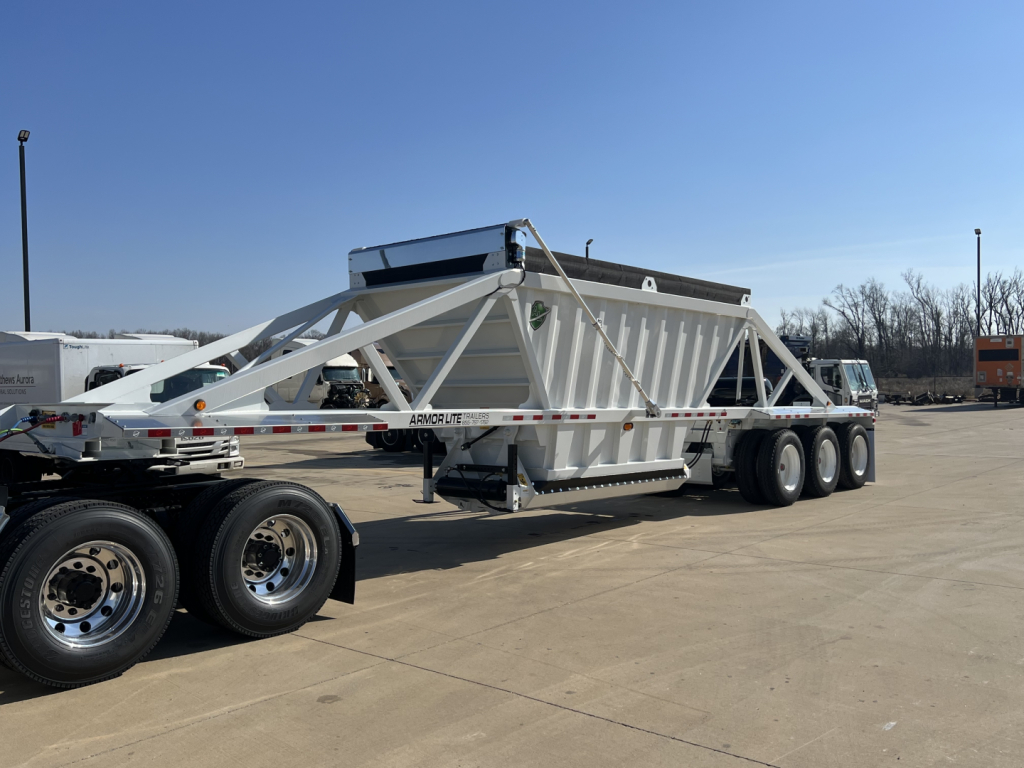
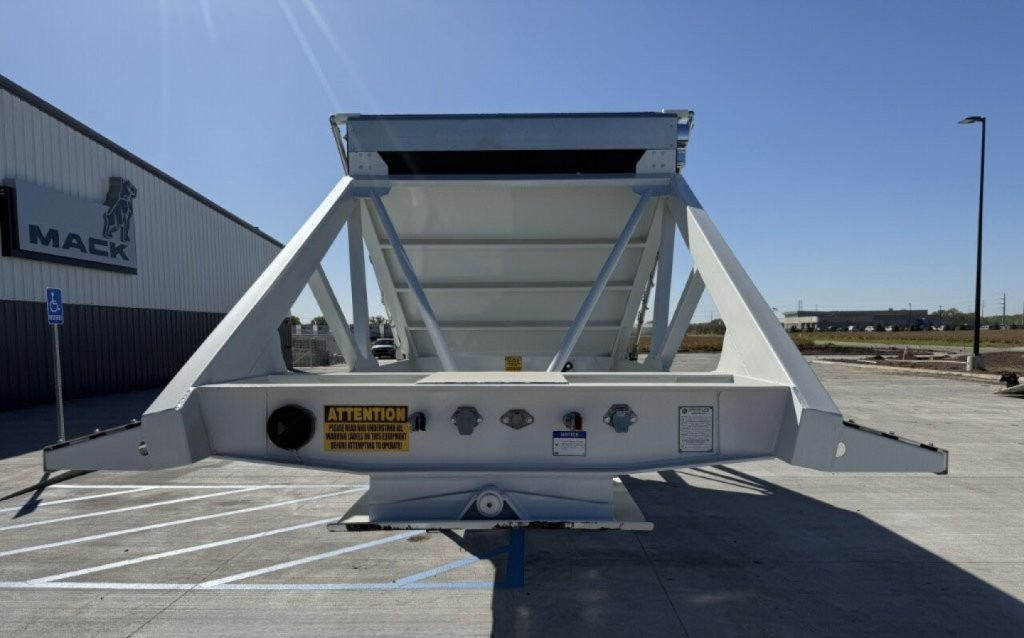
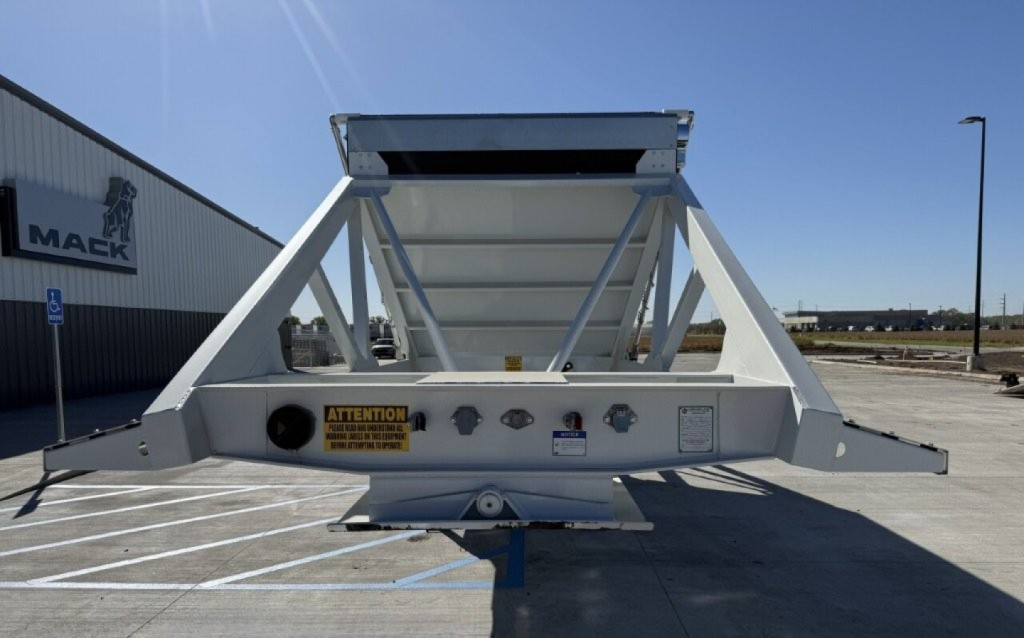
A lot of the buying decision comes down to axle setup, suspension, body style, and liner or tarp configuration. Tri-axle layouts are common when the goal is higher capacity and better weight distribution, and air ride suspension remains a popular choice for fleets trying to balance ride quality, frame longevity, and load protection. On dump applications, buyers should pay close attention to cubic yard capacity, hopper dimensions, brake type, tire size, and whether the trailer is spec'd with lift axles, bolt-on fenders, electric flip tarps, and ABS. These details affect how well the trailer fits paving work, gravel hauling, millings, sand, or bulk site material. A skeleton-style dump configuration can also appeal to operators trying to keep empty weight down while still handling demanding daily use.
Colorado operators often need a trailer that works across mixed terrain, changing weather, and a combination of highway and jobsite miles. That makes corrosion resistance, suspension durability, lighting protection, and tarp reliability more important than they may be in milder regions. Ground clearance, axle spread, and tire spec all matter when a trailer sees rough entrances, steep grades, and tight turns around plants or pits. It also pays to evaluate how the trailer is framed for repetitive loading and unloading, especially if the trailer will spend time in rock, scrap, or abrasive material service.
When comparing Armor Lite trailers for sale, the smartest approach is to match the spec to the material and the route, not just the price tag. Lightweight construction can increase revenue on every trip, but only if the body, hoist arrangement, suspension, and running gear are right for the application. Look closely at body dimensions, side height, gate setup, axle ratings, wheel-end serviceability, and available tarp and liner options. A well-matched Armor Lite trailer can be a strong fit for fleets and owner-operators who need a dump trailer that protects payload, stays productive, and holds up under real construction-duty cycles.
Frequently Asked Questions about Armor Lite Trailers in Colorado
What are Armor Lite trailers typically used for?
Armor Lite trailers are commonly used in construction and bulk material hauling, especially dump applications involving aggregate, asphalt, sand, gravel, millings, and demolition debris. Their lightweight design makes them attractive for operators who want to maximize legal payload without moving into an overly specialized trailer. The exact application depends on body style, axle count, suspension, and capacity.
Why does lightweight trailer construction matter so much?
Lightweight construction directly affects payload. A lower empty weight allows more material to be hauled within legal gross limits, which can improve revenue per trip and lower cost per ton moved. That advantage is most noticeable in short-haul and repetitive haul work where small payload gains add up quickly over a week or season.
Is a tri-axle Armor Lite trailer a good fit for Colorado hauling?
A tri-axle setup can be a strong fit in Colorado when higher capacity, better weight distribution, and improved stability are priorities. It is especially useful for operators running heavy materials or dealing with route restrictions that make axle placement and load balance important. Buyers still need to confirm local bridge laws, axle spacing, suspension spec, and tare weight before choosing the final configuration.
What specs should I compare first on an Armor Lite dump trailer?
Start with cubic yard capacity, body dimensions, axle configuration, suspension type, brake system, tire size, and overall empty weight. After that, review tarp system, gate design, fenders, ABS, liner options, and wheel specifications. These are the specs that most directly affect payload, durability, and how well the trailer fits the material being hauled.
Are Armor Lite trailers better for certain materials than others?
Yes. Lightweight dump trailers are often best suited for aggregate, asphalt, sand, gravel, and similar bulk materials where payload efficiency matters. Material type still matters because abrasive rock, demolition debris, or scrap can place higher stress on the body, floor, gate, and suspension. Buyers should match the trailer construction and options to the density and abrasiveness of the product they haul most often.