
Wabash Trailers For Sale in Colorado
Browse Wabash trailers for sale in Colorado, including dry vans, flatbeds, and insulated storage trailers built for freight durability.

Selling a wabash trailer? List your wabash trailer for sale and reach thousands of commercial buyers.
Wabash Trailers in Colorado
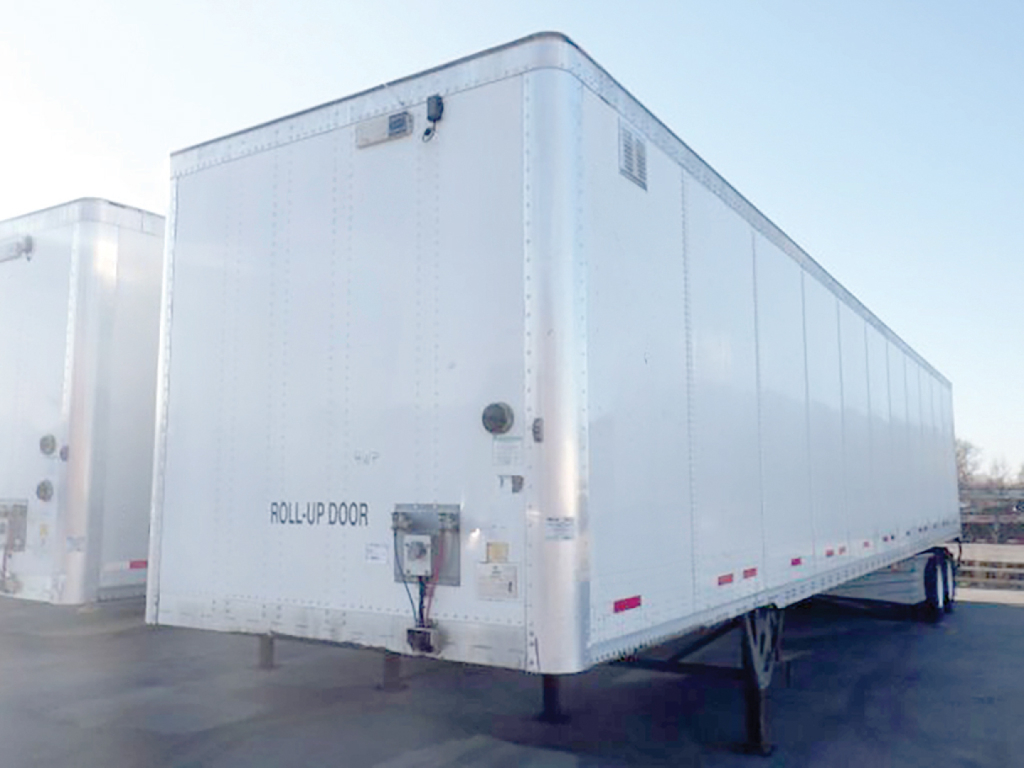
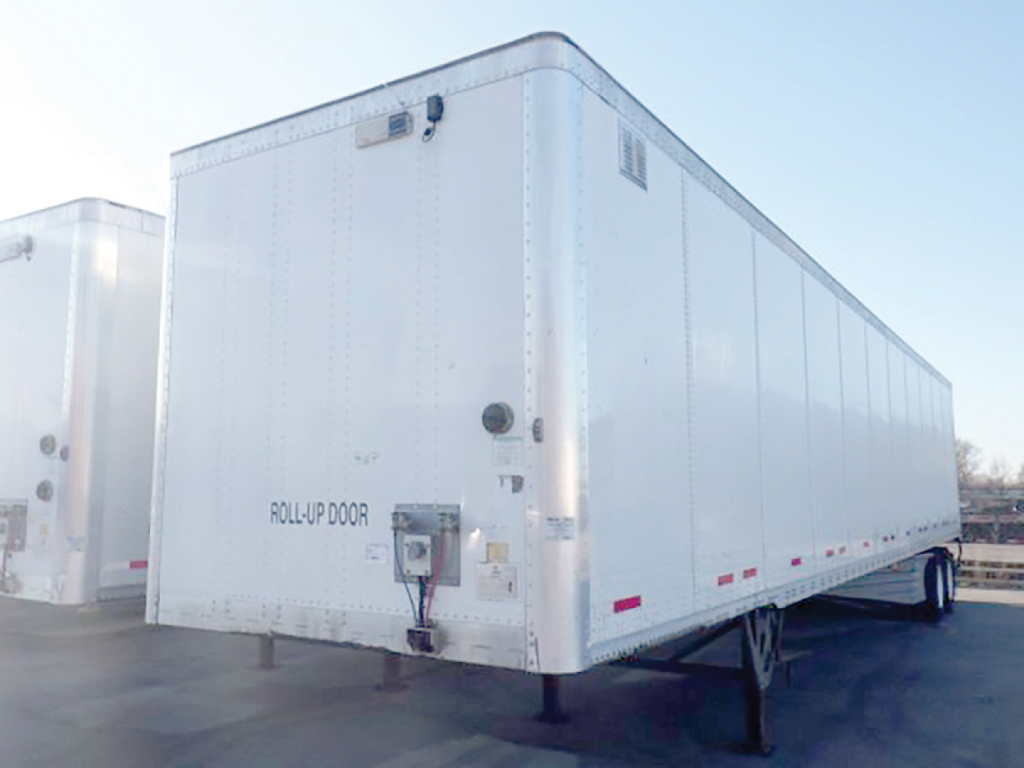
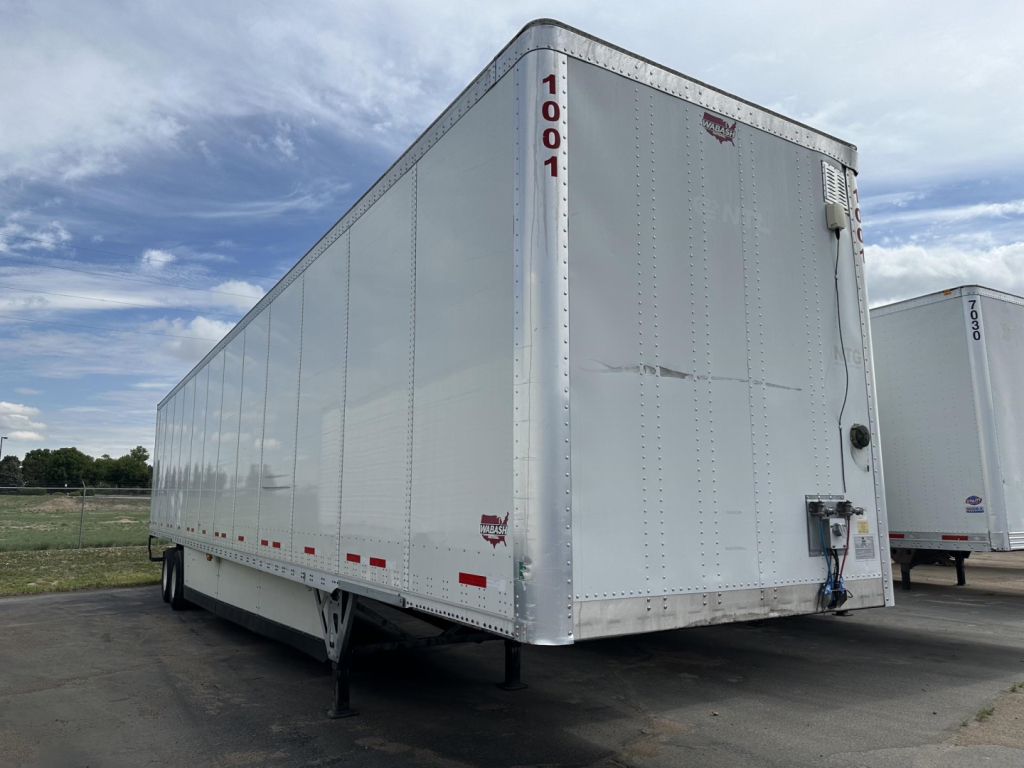
For dry van buyers, a typical Wabash spec is 53 feet by 102 inches with tandem sliding axles, air ride suspension, wood flooring, logistic posts, scuff liners, and either smooth or corrugated side panels. Rear swing doors are common, though door style should be matched to dock conditions and loading patterns. Pay close attention to roof construction, threshold plate wear, wall lining, and the condition of the floor around high-traffic forklift zones. If the trailer will run across Colorado grades and mixed weather, tire size, brake condition, slider operation, and overall tare weight matter just as much as cube. A van with clean crossmember structure, solid rear frame, and usable interior logistics can stay productive for general freight, retail, and warehouse transfer work.
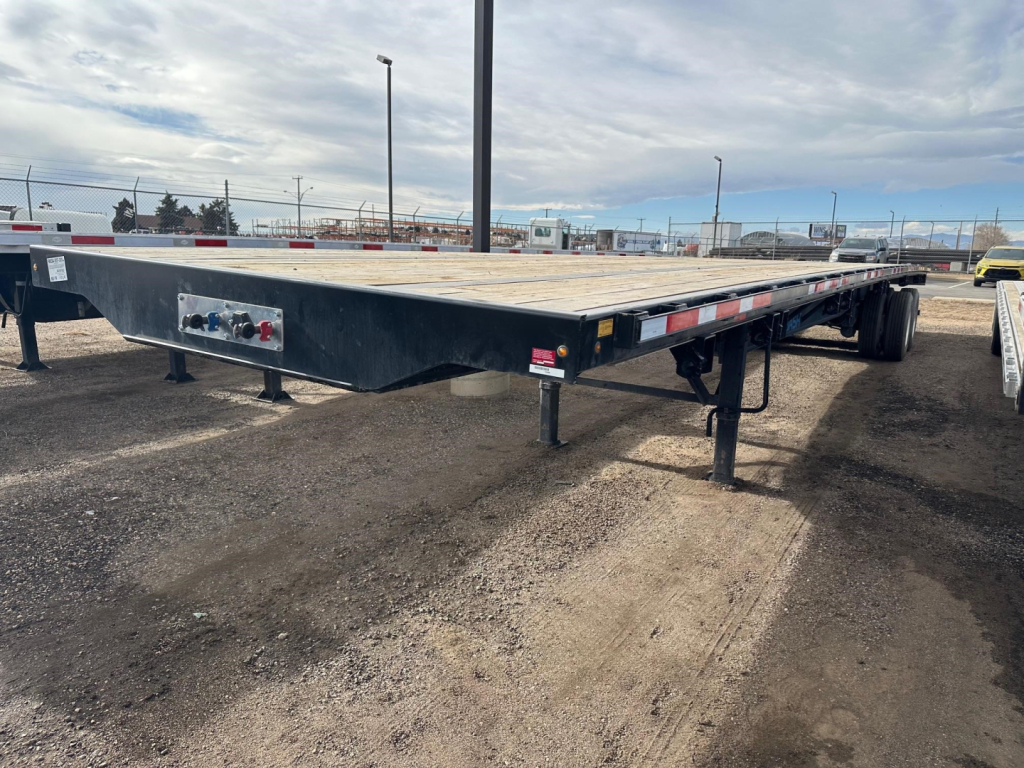
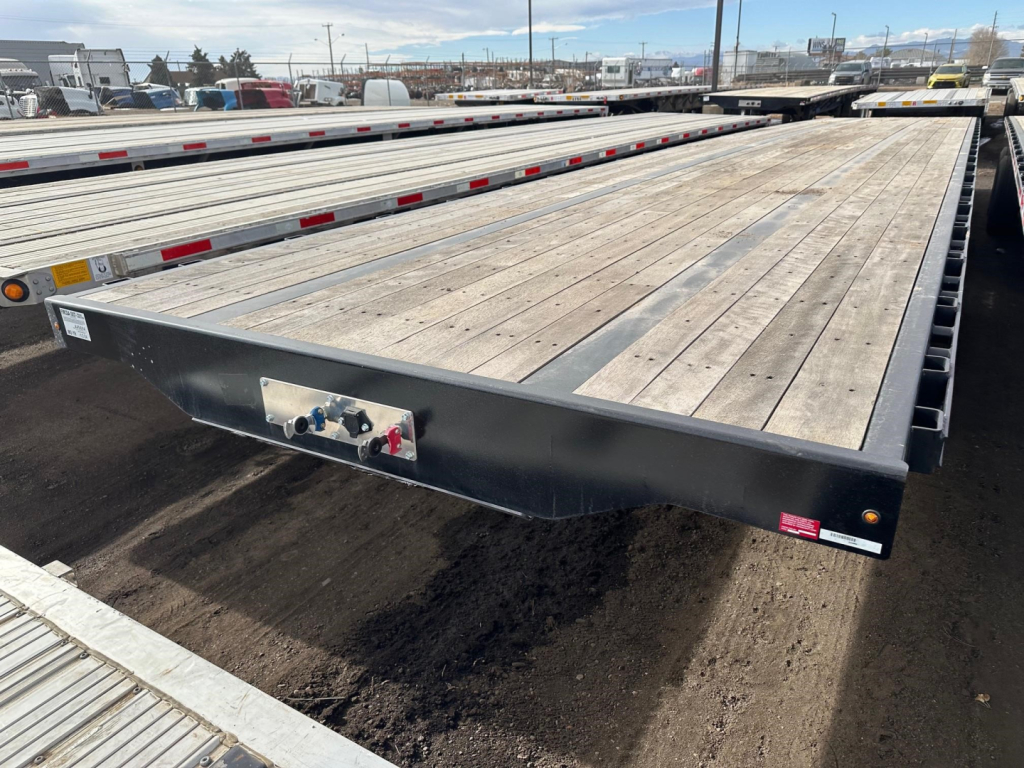
Wabash flatbeds are often found in 48-foot by 102-inch configurations with steel main beams, apitong decking, sliding winches, stake pockets, and pipe spools. That is a practical setup for construction materials, steel, machinery, pipe, and forklift-loaded freight. Air ride with a sliding tandem or air pin slider gives more flexibility on axle placement and bridge compliance, especially for operators running mixed commodity weights. Buyers should inspect deck condition, winch track wear, crossmember spacing, rail straightness, and signs of hard concentrated loading over the axles. In Colorado, where flatbeds often see rough yards, elevation changes, and seasonal moisture, corrosion around suspension mounts, landing gear supports, and rear impact guard deserves a close look.
Insulated Wabash trailers also have value beyond over-the-road refrigerated service. A reefer box without a unit is often used as a storage trailer, job site trailer, or stationary warehouse overflow because the insulated body helps protect temperature-sensitive or weather-sensitive cargo better than a standard van. Important details include floor type, door seal condition, interior liner integrity, and whether the tandem slider, suspension, and underride structure are still roadworthy if the trailer will be moved regularly. Across all Wabash trailer types, buyers tend to focus on axle setup, suspension, door and floor condition, tiedown equipment, and body integrity first. Those factors usually determine service life, maintenance cost, and resale value more than model year alone.
Frequently Asked Questions about Wabash Trailers in Colorado
What types of Wabash trailers are most common on the used market?
The most common used Wabash trailers are 53-foot dry vans, 48-foot flatbeds, and insulated van bodies that may be set up for reefer service or storage use. Dry vans are widely used for general freight and dock loading. Flatbeds are common in construction, steel, and machinery hauling. Insulated boxes are often repurposed as storage trailers when refrigeration equipment is removed or no longer in service.
What should I inspect first on a used Wabash dry van?
Start with the floor, rear frame, roof, and suspension. Wood floors should be checked for soft spots, patches, and forklift damage. The rear frame and threshold area often show heavy wear from dock impact and repeated loading. Inspect the roof bows and roof skin for leaks or repairs, and confirm the sliding tandem moves correctly. Interior features such as scuff liners, logistic posts, and wall condition also matter if the trailer will handle palletized freight regularly.
Are Wabash flatbeds a good fit for construction and pipe hauling?
Yes. Many Wabash flatbeds are built with steel frames, apitong decking, stake pockets, pipe spools, and sliding winches, which makes them well suited for construction materials, pipe, and forklift-loaded freight. The key is matching the trailer's deck condition, tiedown equipment, and suspension setup to the type of loads being hauled. Buyers should also verify crossmember condition and look for any beam damage from concentrated heavy loads.
Can an insulated Wabash reefer trailer be used for storage?
Yes. An insulated Wabash reefer trailer without a working refrigeration unit is often used as a storage trailer for job sites, warehouse overflow, or materials that need better protection from heat, cold, and moisture than a standard dry van provides. The trailer should still be checked for door seal condition, floor integrity, water intrusion, and structural soundness if it will be moved on public roads.
Which specs matter most when comparing Wabash trailers in Colorado?
Length, axle configuration, suspension type, floor construction, and body condition are the main comparison points. In Colorado, buyers should also pay attention to brake condition, tire spec, slider function, and corrosion because trailers may see mountain grades, temperature swings, and rough yard conditions. For vans, interior logistics and roof condition are important. For flatbeds, deck wear, winch track condition, and frame straightness carry more weight.