
2017 Trailers For Sale in Colorado
Browse 2017 trailers for sale in Colorado, including common specs, trailer types, duty cycles, and features buyers compare before purchase.
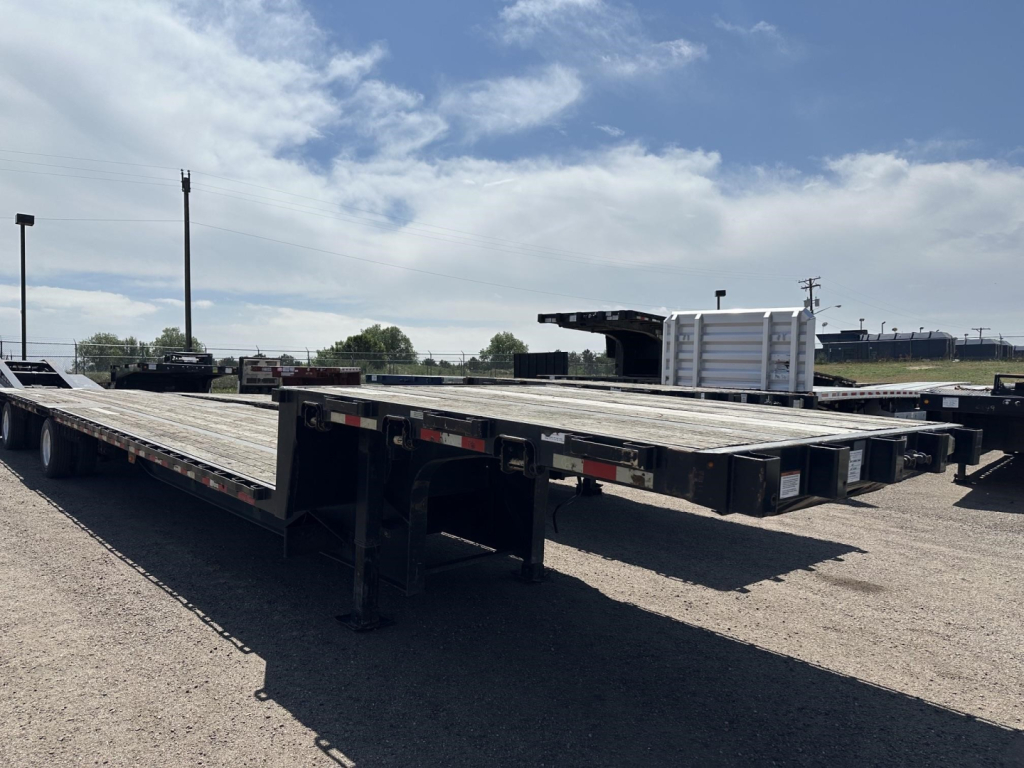
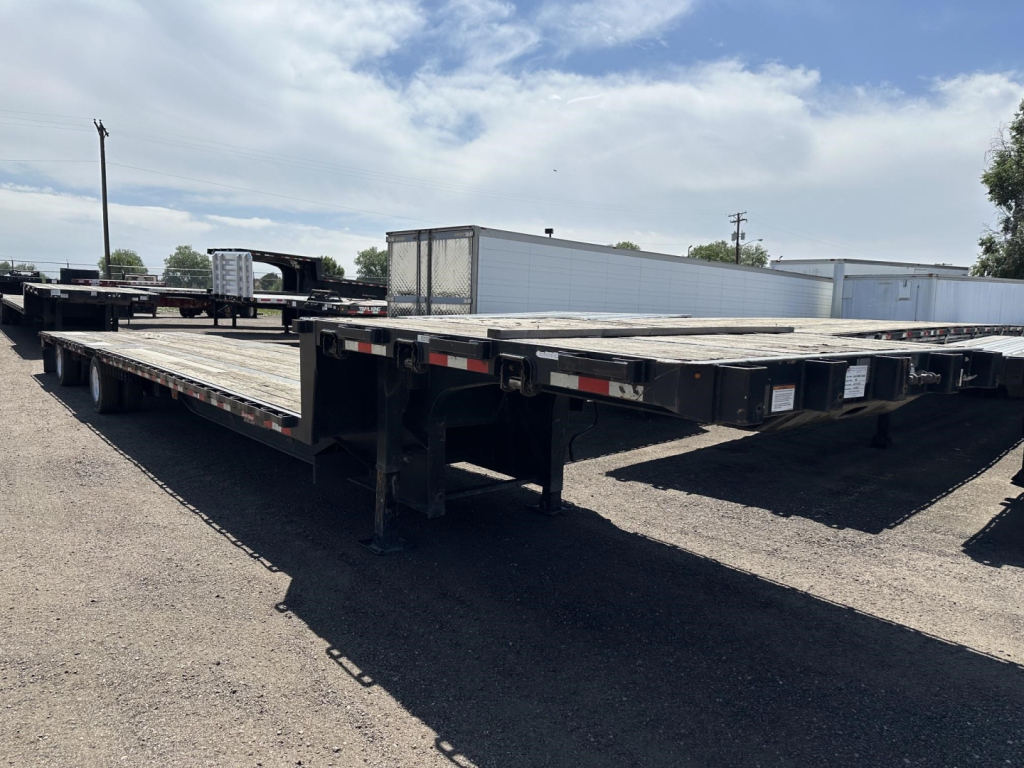
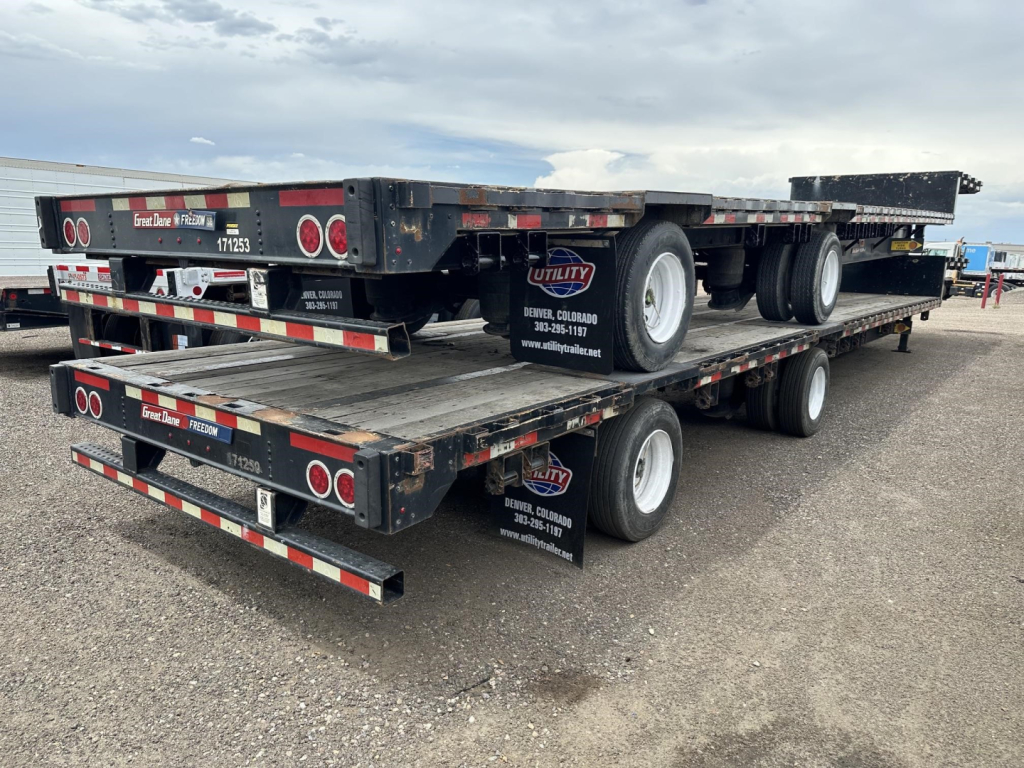
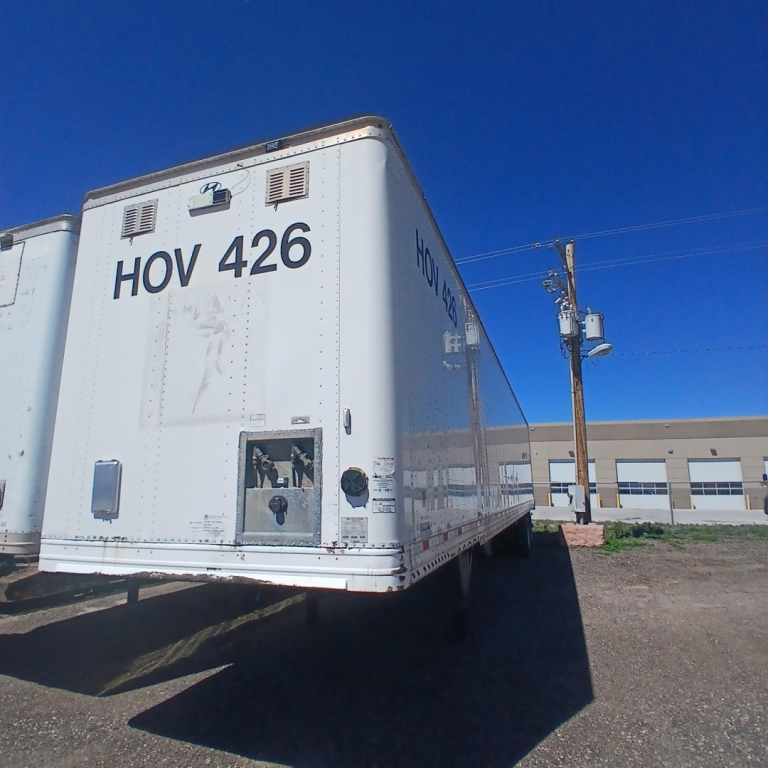
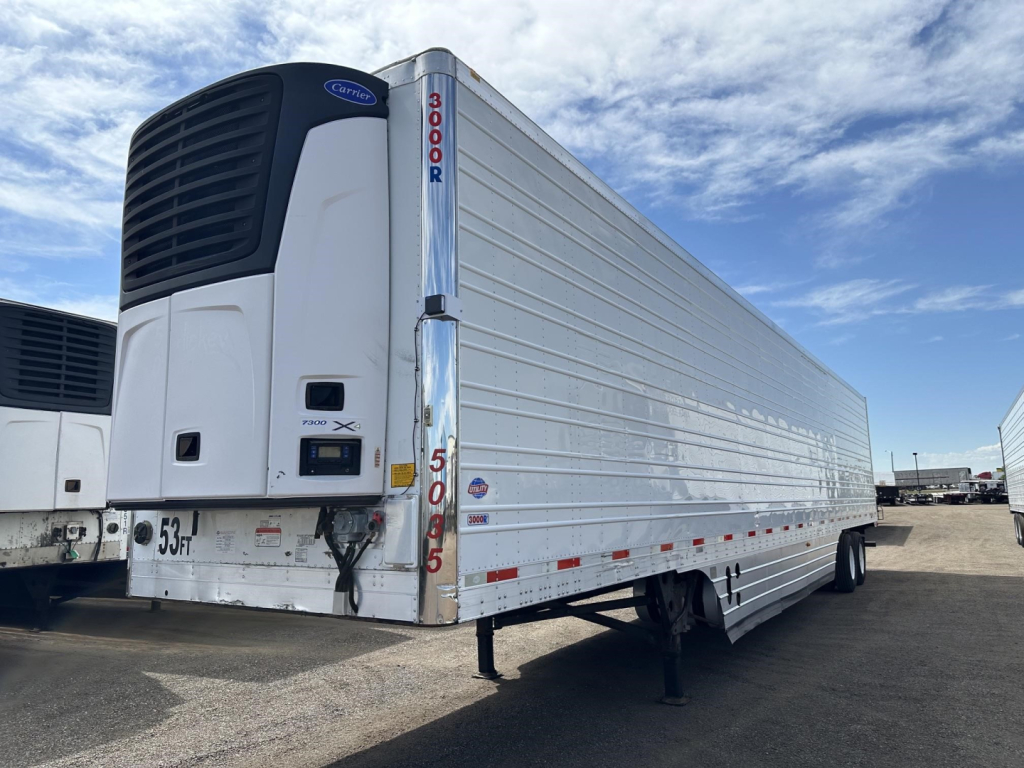
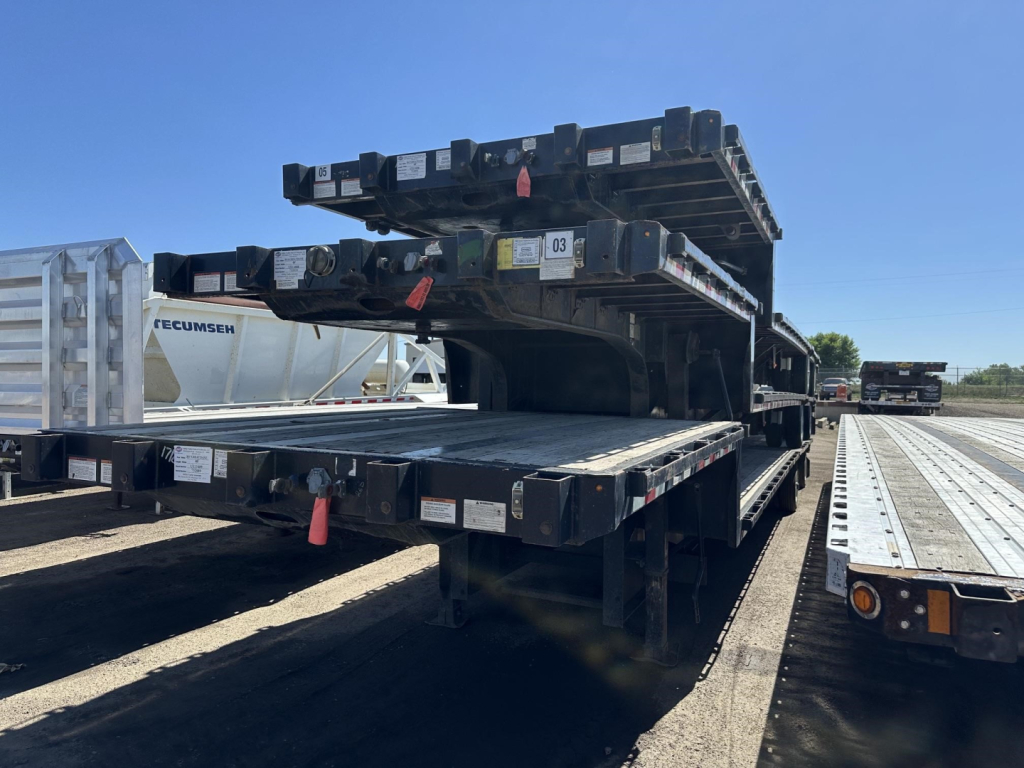
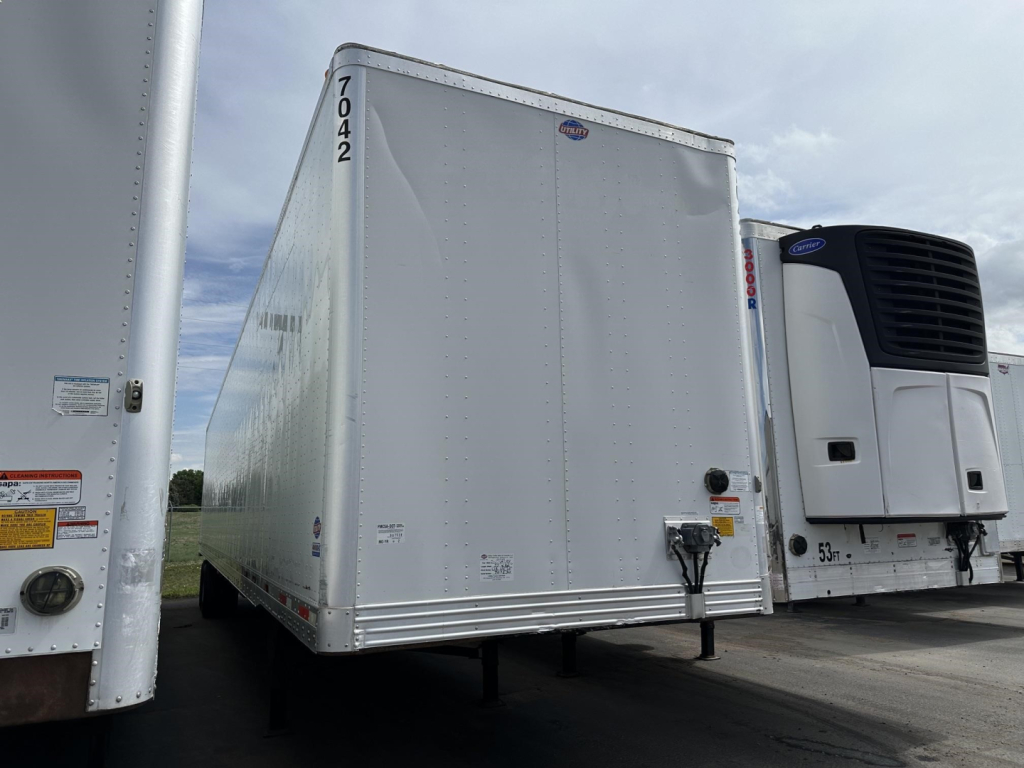
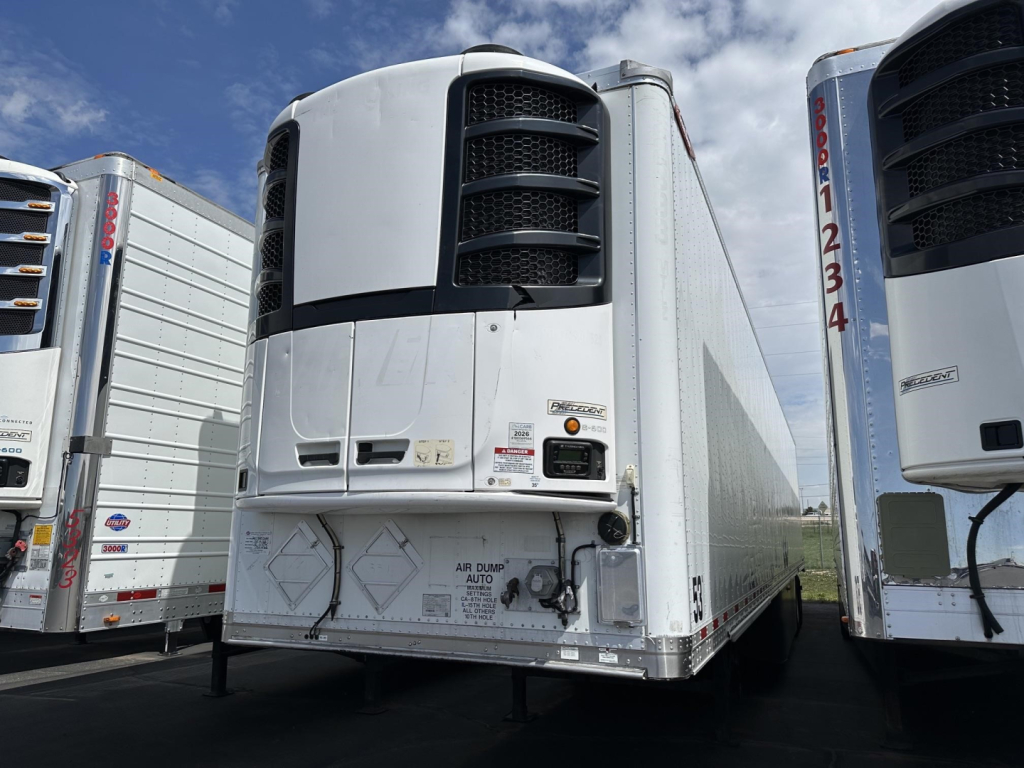
2017 Great Dane Air Ride Reefer
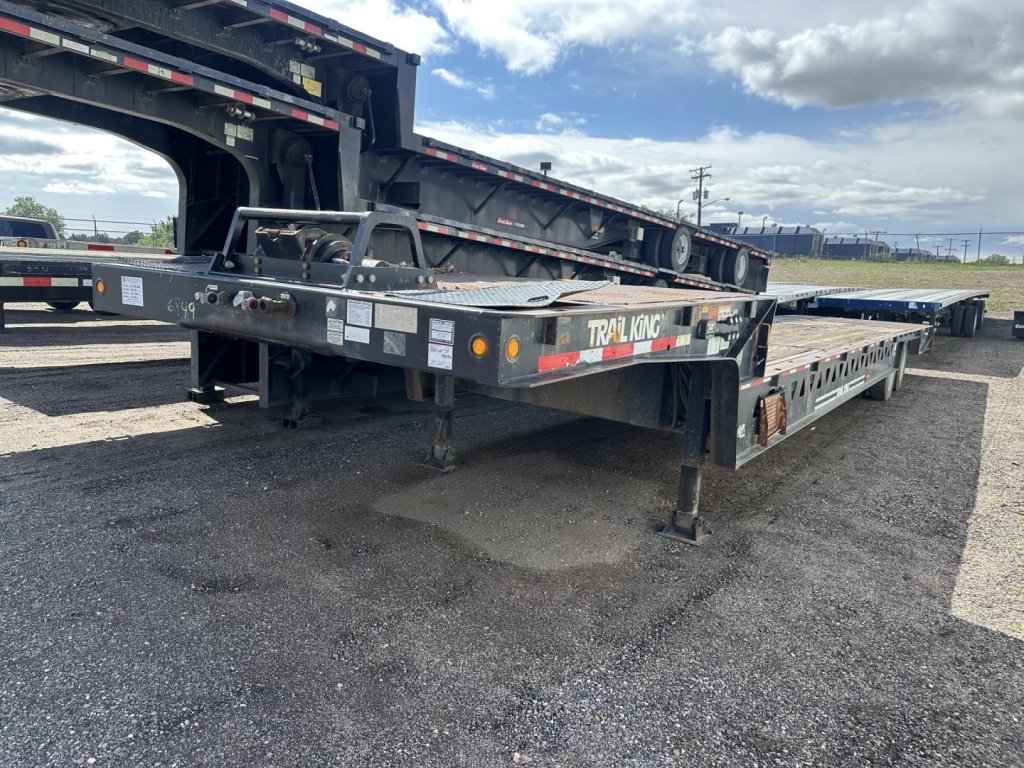
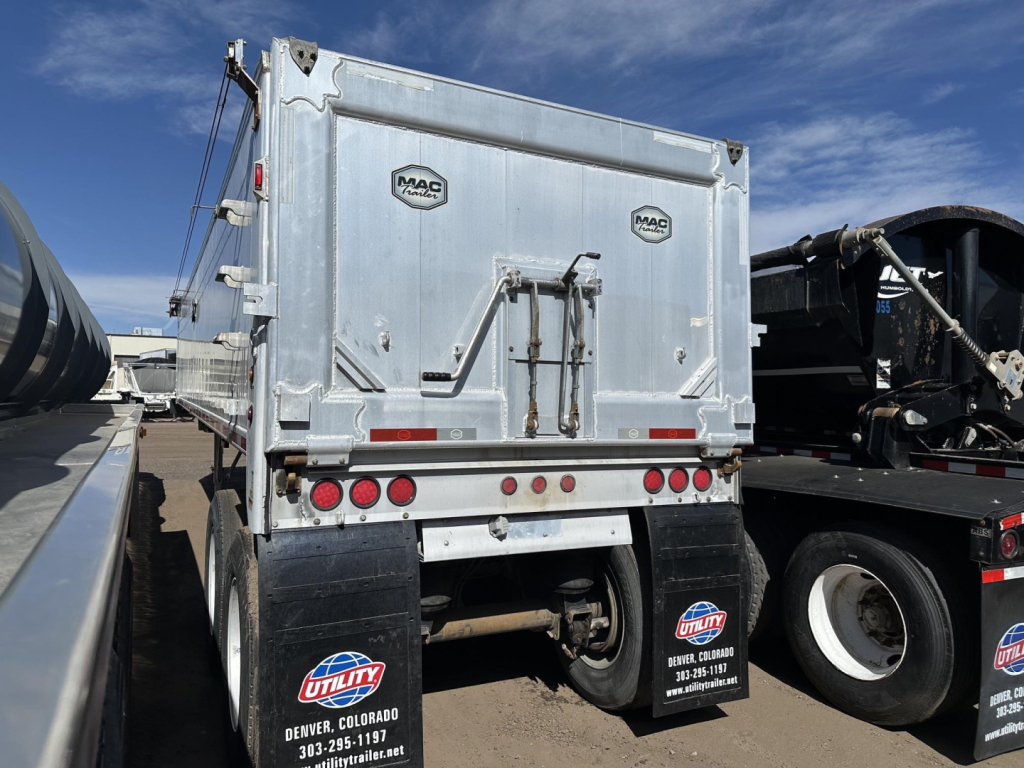
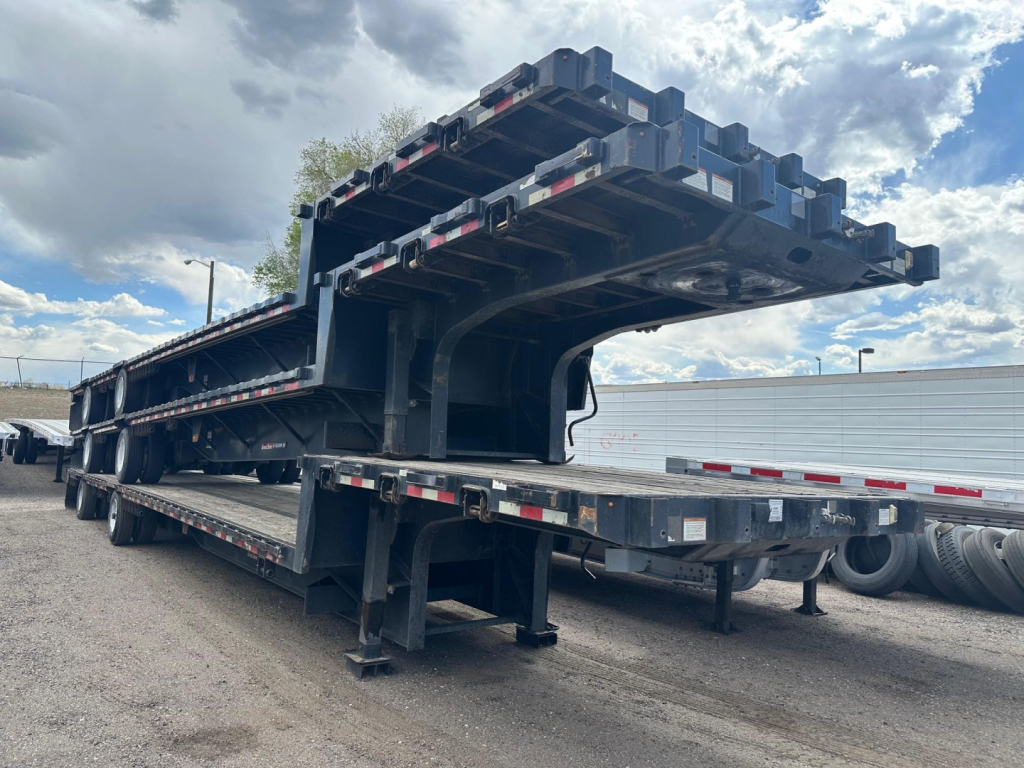
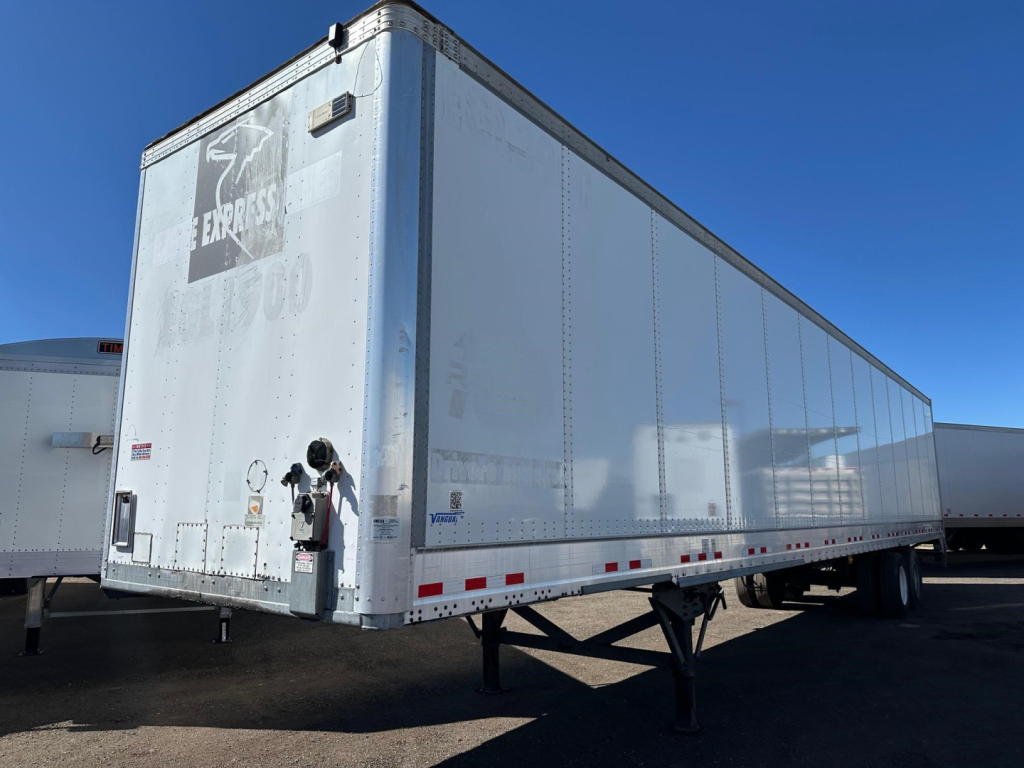
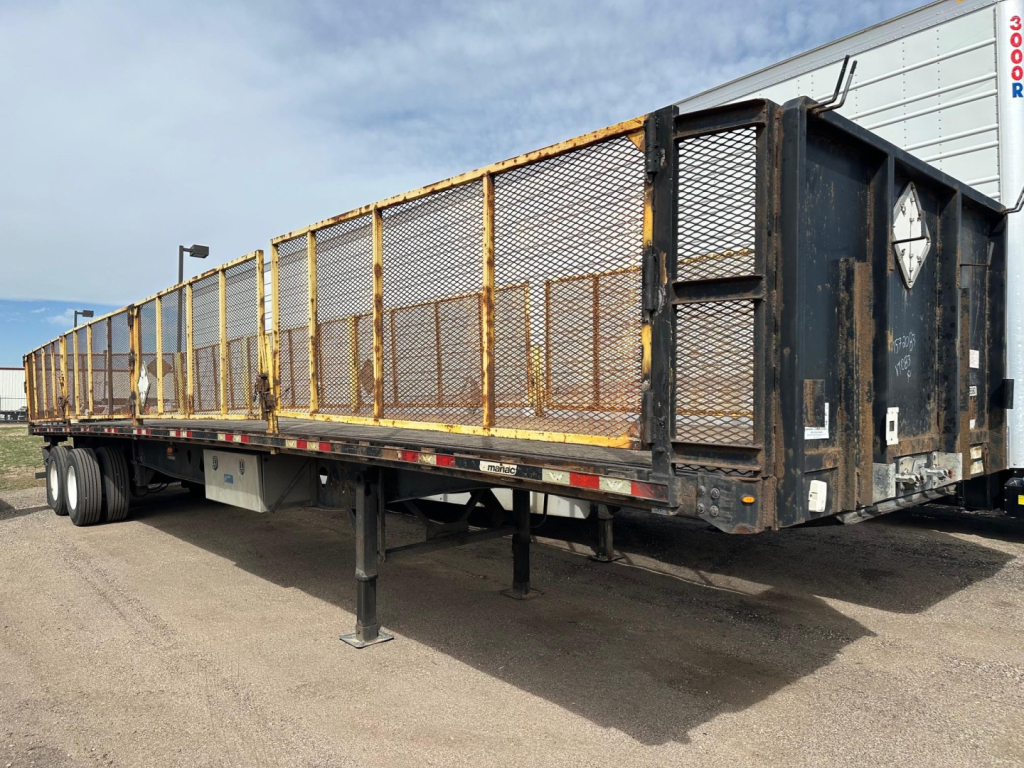
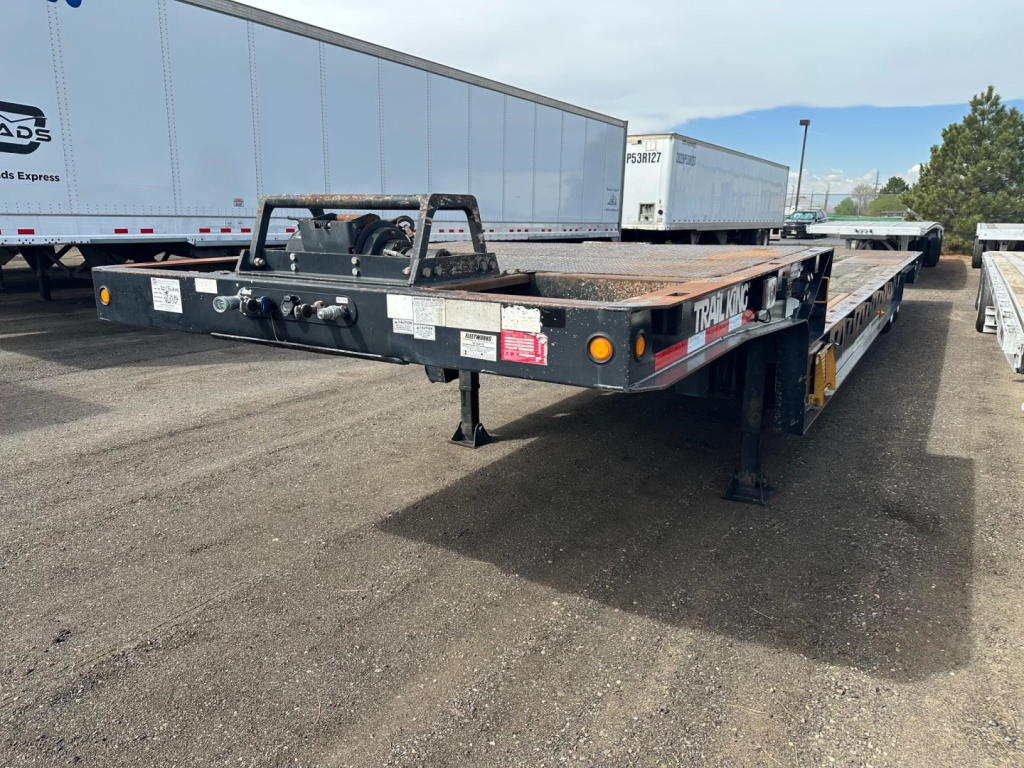
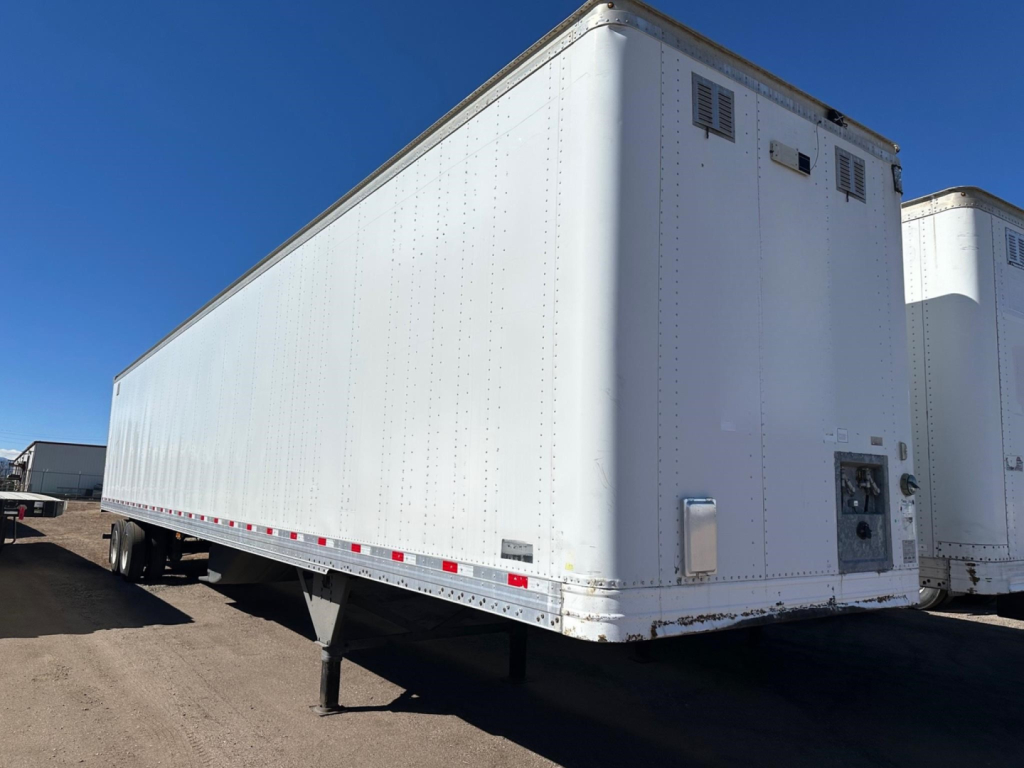
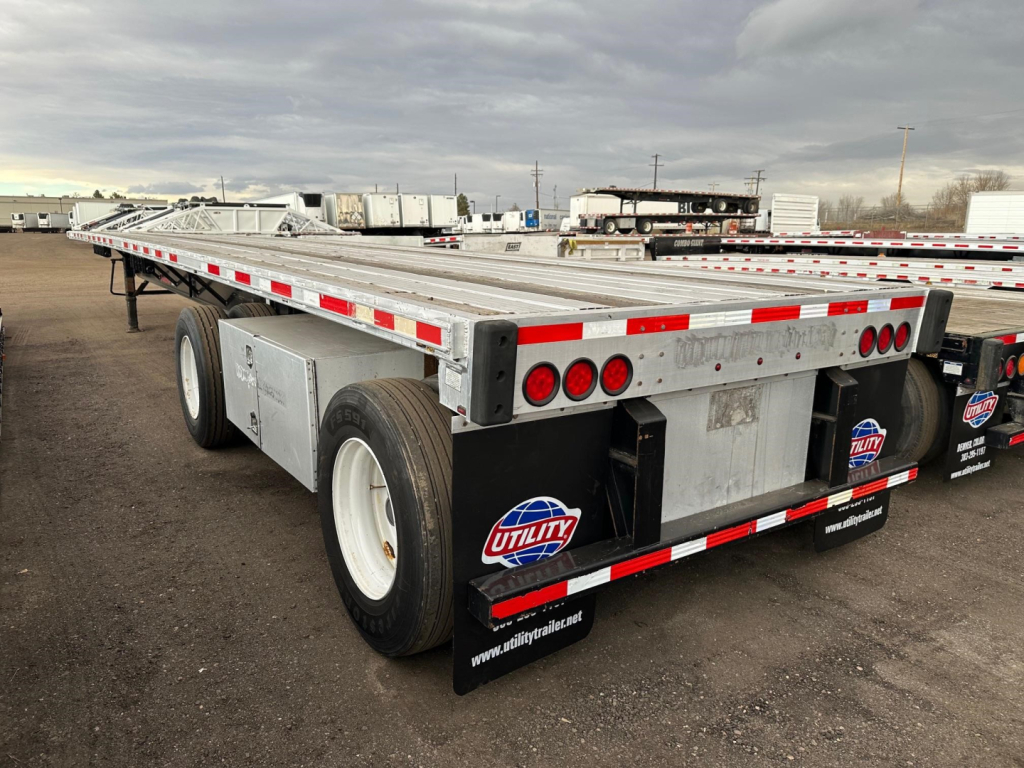
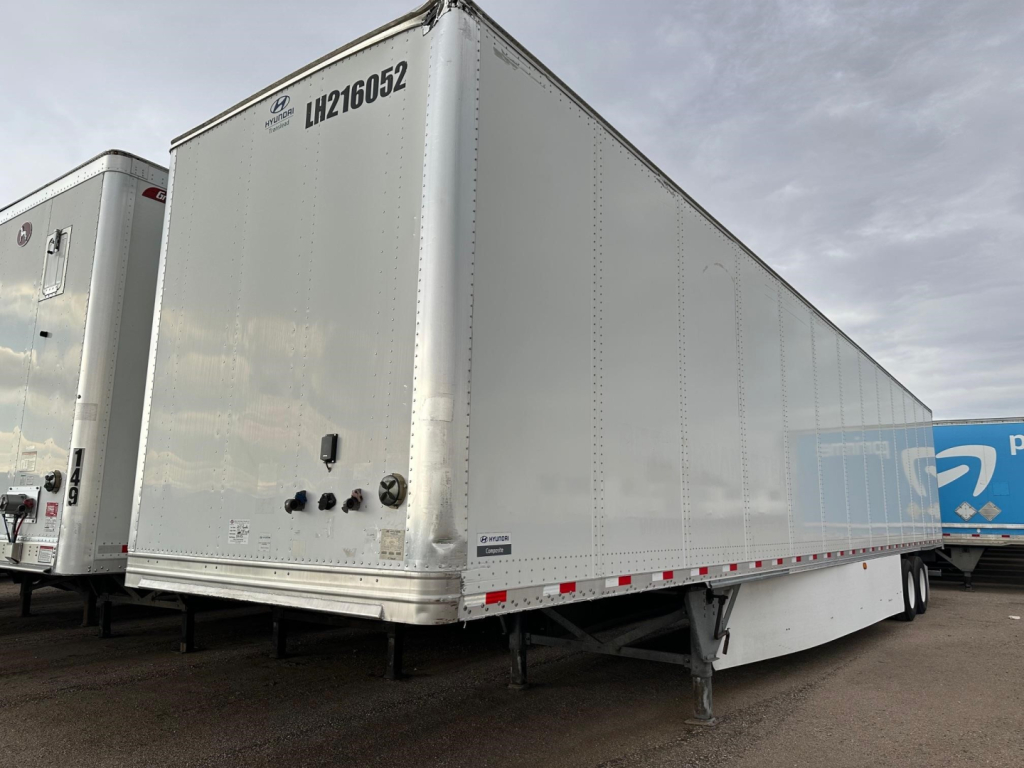
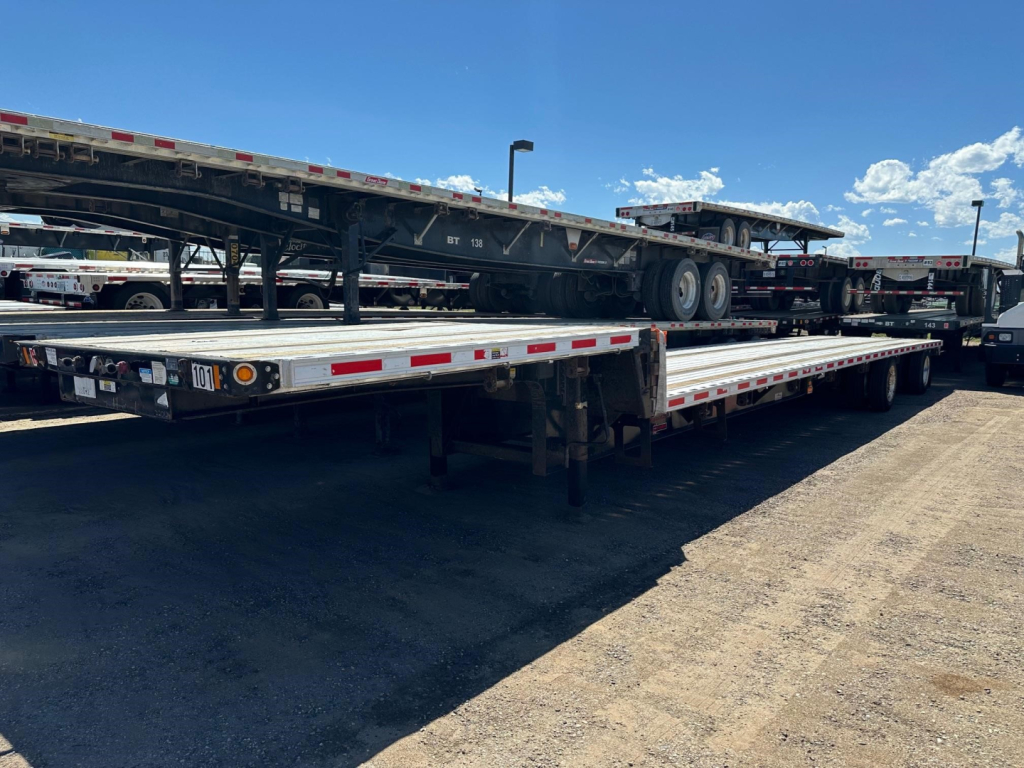
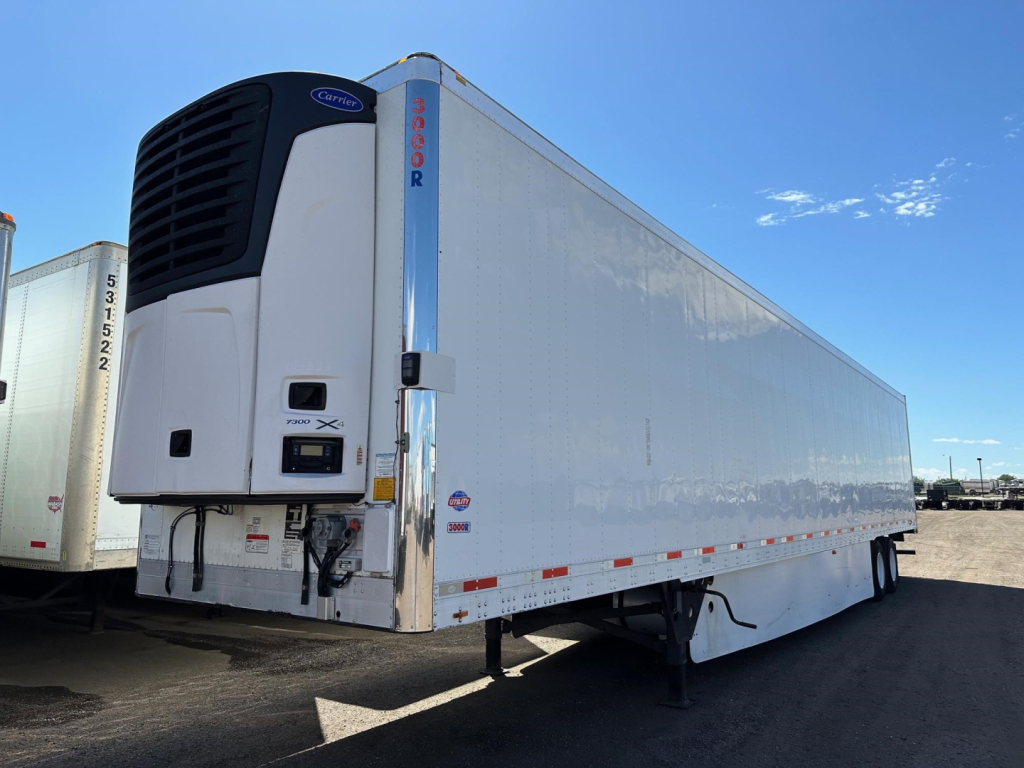

Selling a 2017 trailer? List your 2017 trailer for sale and reach thousands of commercial buyers.
2017 Trailers in Colorado
The biggest buying decision is matching the trailer type to the lane and commodity. Dry vans from this era are commonly found in 53-foot lengths with swing or roll-up doors, logistics posts or E-track, wood or aluminum floors, and tandem slider configurations. Reefers from 2017 often bring the added variables of reefer unit hours, multi-temp capability, bulkheads, scuff liners, evaporator setup, and door seal condition. Flatbeds, drops, tags, dumps, and side dumps in this year range should be evaluated for deck wear, crossmember fatigue, suspension type, tarp systems, hydraulic components where applicable, and any cracking around stress points. In Colorado service, buyers should also account for mountain grades, winter road treatment, and temperature swings that can accelerate wear on brakes, wiring, and air systems.
For most buyers, the right 2017 trailer comes down to payload target, empty weight, and how fast it can turn. Aluminum vans and reefers generally help with tare weight, while steel-bodied dump and equipment trailers may trade weight savings for durability. Tandem axles are the standard on many over-the-road applications, but axle spread, slider travel, and kingpin setting still matter for bridge law compliance, dock approach, and load distribution. Suspension choice also affects operating cost and cargo protection. Air ride is common where ride quality and freight protection matter, while spring ride remains common on tougher vocational applications. Tire size, wheel material, brake type, and the presence of features like tire inflation systems, lift axles, or telematics-ready reefer controls can all influence long-term cost.
A serious buyer should inspect a 2017 trailer with the same discipline used for a truck. Look at the frame rails, crossmembers, upper coupler, landing gear mounts, suspension hangers, and rear structure. Check for prior wreck repair, uneven tire wear, floor soft spots, and signs of chronic overloading. On refrigerated trailers, confirm unit service records, operating hours, insulation performance, and any history of multi-temp use. On dump and construction trailers, pay attention to tub or body thickness, hinge and pivot wear, tarp operation, and evidence of twisting or hard off-road service. A well-kept 2017 trailer can still produce strong value, but the best choice is the one whose specs and prior use fit the job without forcing expensive catch-up repairs.
Frequently Asked Questions about 2017 Trailers in Colorado
What should I inspect first on a 2017 trailer?
Start with the structural items that are expensive to correct. Inspect frame rails, crossmembers, upper coupler area, landing gear supports, suspension hangers, axle alignment, brake components, and tire wear patterns. Then move to application-specific items such as floor condition in vans, insulation and reefer unit hours in reefers, or body and pivot wear in dump trailers. A 2017 model can still have a long service life if the structure and running gear are sound.
Is a 2017 trailer still a good age for commercial use?
Yes, a 2017 trailer is often a practical age for commercial buyers because it is new enough to offer current-style dimensions and common fleet specifications, but old enough to be priced below late-model equipment. The key is not just age but maintenance quality, prior duty cycle, and whether major wear items have already been addressed. A highway van trailer with documented upkeep is a very different buy than a hard-used vocational trailer from the same year.
What trailer specs matter most for Colorado operation?
Colorado buyers should pay close attention to brakes, tire condition, suspension health, lighting and wiring, and corrosion from winter road treatment. Mountain grades also make brake performance and axle condition more important than they might be in flatter regions. If the trailer will run mixed elevation and weather conditions, door seals, air system integrity, and overall structural condition become especially important.
How do I choose between a 2017 dry van, reefer, dump, or equipment trailer?
Choose based on freight, route, and loading method. A dry van fits general freight and dock loading. A reefer is built for temperature-controlled cargo and adds refrigeration unit maintenance to the equation. Dump and side dump trailers are better suited to aggregate, demolition, and construction material, where body durability and suspension design matter more than cubic efficiency alone. Equipment and tag trailers are the right fit for hauling machines, where deck length, beavertail design, ramp setup, and payload rating are the primary concerns.
Are reefer hours a major concern on a 2017 refrigerated trailer?
Yes, reefer hours are one of the first numbers to check because they directly affect service exposure on the refrigeration unit. High hours are not automatically a deal breaker if maintenance records are solid, but buyers should verify compressor service, evaporator condition, start-run operation, door seals, insulation performance, and temperature control accuracy. On a multi-temp trailer, the condition of bulkheads and evaporator layout also matters.