
2017 Hyundai Trailers For Sale in Colorado
Shop 2017 Hyundai trailers for sale, including popular dry van specs like air ride, sliding tandems, logistics posts, and tire inflation systems.
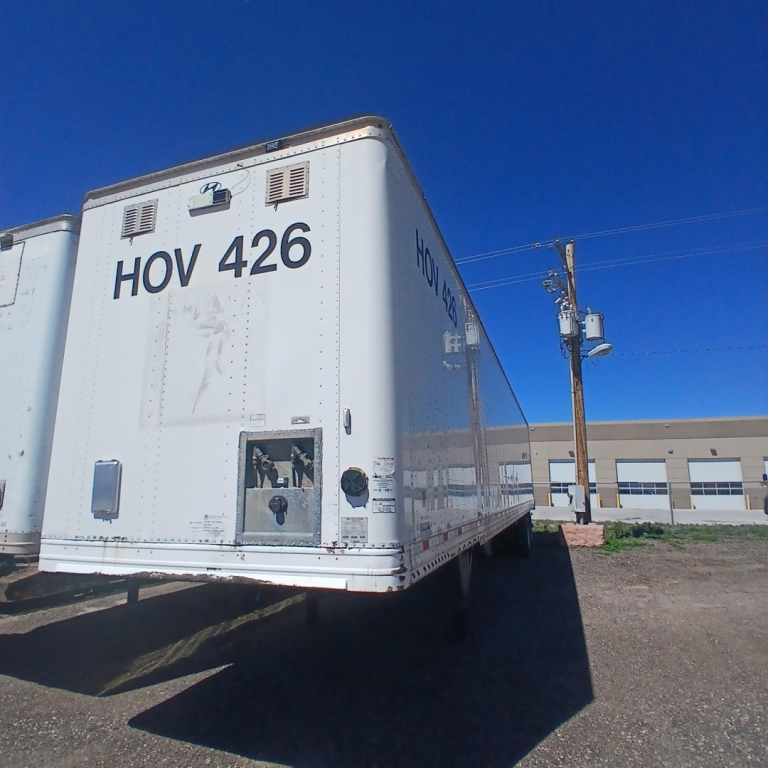
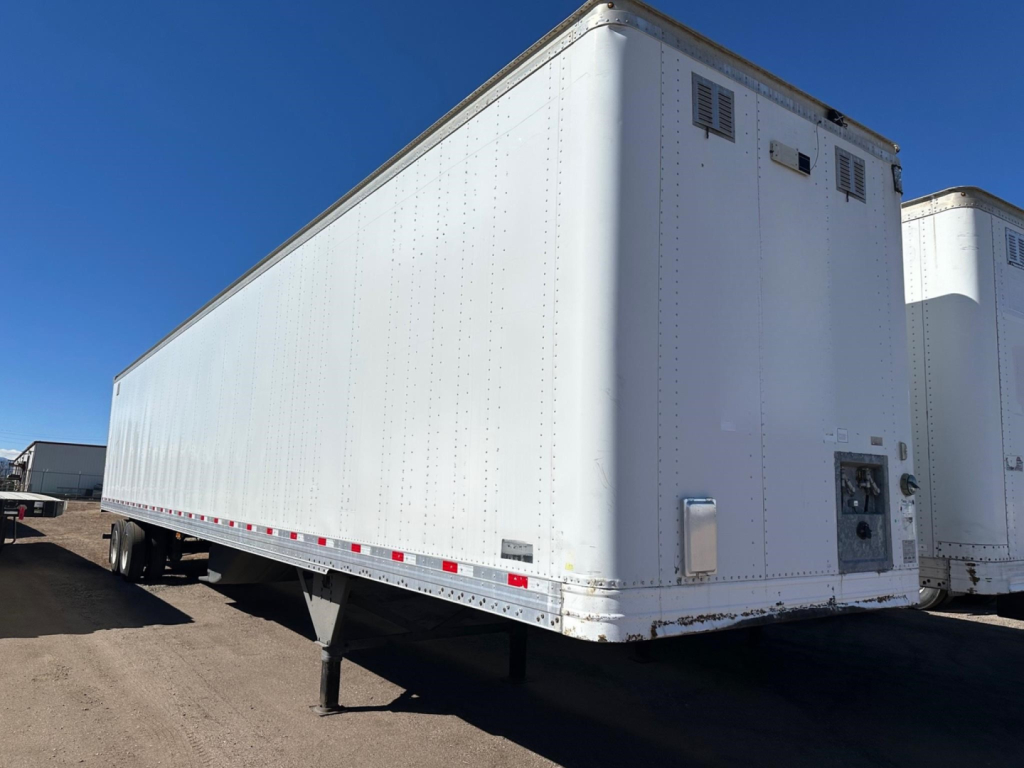
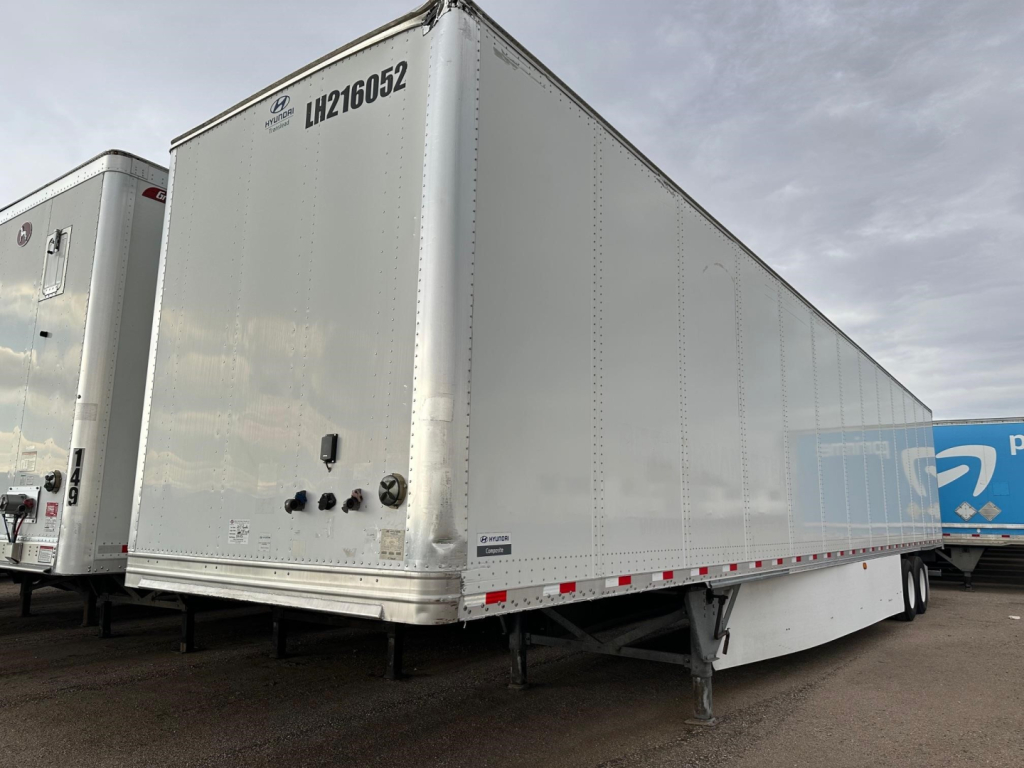
Selling a 2017 hyundai trailer? List your 2017 hyundai trailer for sale and reach thousands of commercial buyers.
2017 Hyundai Trailers in Colorado
On this year range, buyers should pay close attention to cargo control and interior protection specs because they directly affect lane flexibility. Common configurations include plywood lining, aluminum scuff plates, threshold plates, logistics posts or E-track, and either wood or aluminum flooring. A trailer set up with full logistics equipment and good interior lining is usually more versatile for mixed freight, while a cleaner dedicated-freight spec may save weight and reduce repair points. Door style also matters. Swing doors are common on linehaul and dock freight, while roll doors can make sense for frequent stop-and-go work where dock clearance or quick access is important.
Undercarriage and maintenance features are another major buying point on 2017 Hyundai trailers. Air ride is the preferred suspension for protecting freight and reducing shock load. Sliding tandem suspensions help with bridge law compliance and axle loading. Tire inflation systems are common on fleet-spec vans from this period and can reduce irregular wear and roadside calls if the system is functioning properly. Buyers should also look for side skirts, galvanized rear frames, anti-dock-walk equipment, and air pin sliders, since those features affect fuel economy, dock safety, and day-to-day trailer handling. On used vans, it is worth checking floor condition at the rear, crossmember integrity, roof bows, door frame squareness, and signs of forklift abuse around the threshold and lower sidewalls.
For Colorado operations, trailer spec should match terrain, weather, and route density. Fleets running Front Range distribution, regional retail freight, or long-haul dry goods often favor aluminum van trailers because they balance durability with tare weight. In mountain service, brake condition, tire quality, and suspension wear deserve extra scrutiny, especially on trailers that have seen heavy regional use. A well-maintained 2017 Hyundai van trailer can still be a productive asset for carriers that need dependable dry freight capacity, standardized dimensions, and fleet-friendly repairability.
Frequently Asked Questions about 2017 Hyundai Trailers in Colorado
What are the most common specs on a 2017 Hyundai dry van trailer?
A 2017 Hyundai dry van trailer is commonly found in a 53-foot by 102-inch configuration with a 13-foot 6-inch overall height. Typical fleet specs include air ride suspension, sliding tandems, 22.5 low-profile tires, disc or steel wheels, plywood lining, scuff liners, threshold plates, and either swing or roll doors. Many units from this model year also include logistics posts or E-track and tire inflation systems, which improve freight securement flexibility and tire management.
Is a 2017 Hyundai trailer a good choice for general freight?
Yes. A 2017 Hyundai trailer is a practical choice for general dry freight because it usually matches the standard dock-high van specifications used across retail, distribution, and contract freight. Hyundai trailers are common in fleet service, which helps with parts familiarity, maintenance procedures, and resale demand. The best fit depends on interior setup, floor type, door style, and the condition of wear items such as suspension components, tires, brakes, and the rear frame area.
What should I inspect first on a used 2017 Hyundai trailer?
Start with the floor, rear frame, tandem slider, suspension, tires, brakes, and roof condition. On dry vans, the highest-cost problem areas often include rotten or heavily gouged floors, damaged crossmembers, cracked rear thresholds, bent door frames, and corrosion or impact damage around the ICC bumper and rear sill. Buyers should also confirm that the sliding tandem locks properly, the tire inflation system operates as intended if equipped, and the interior lining and logistics track are still secure and usable.
Are aluminum-floor Hyundai trailers better than wood-floor trailers?
Neither is universally better. Aluminum floors can reduce weight and may appeal to fleets focused on payload and corrosion resistance, but repair cost and traction characteristics should be considered. Wood floors remain common because they are proven, easier to repair in many shops, and well suited to forklift traffic. The right choice depends on freight type, repair network, and how the trailer will be loaded every day.
Do side skirts and tire inflation systems matter on a 2017 Hyundai van trailer?
Yes, if the trailer is running enough highway miles for efficiency and uptime to matter. Side skirts can improve fuel economy in linehaul service, especially in steady interstate operation. Tire inflation systems help maintain proper pressure, which can extend tire life and reduce roadside failures. On a used trailer, the value of both features depends on condition. Damaged skirts or a poorly maintained inflation system can become repair items rather than operating advantages.