
2017 Hyundai Trailers For Sale
Shop 2017 Hyundai trailers for sale, including dry van models known for lightweight construction, cargo control options, and fleet-ready specs.
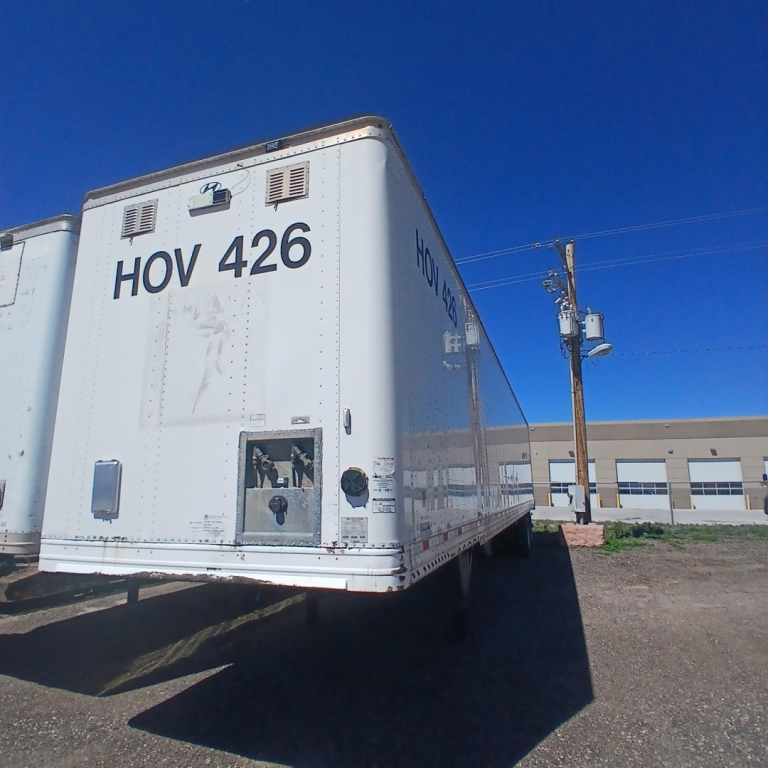
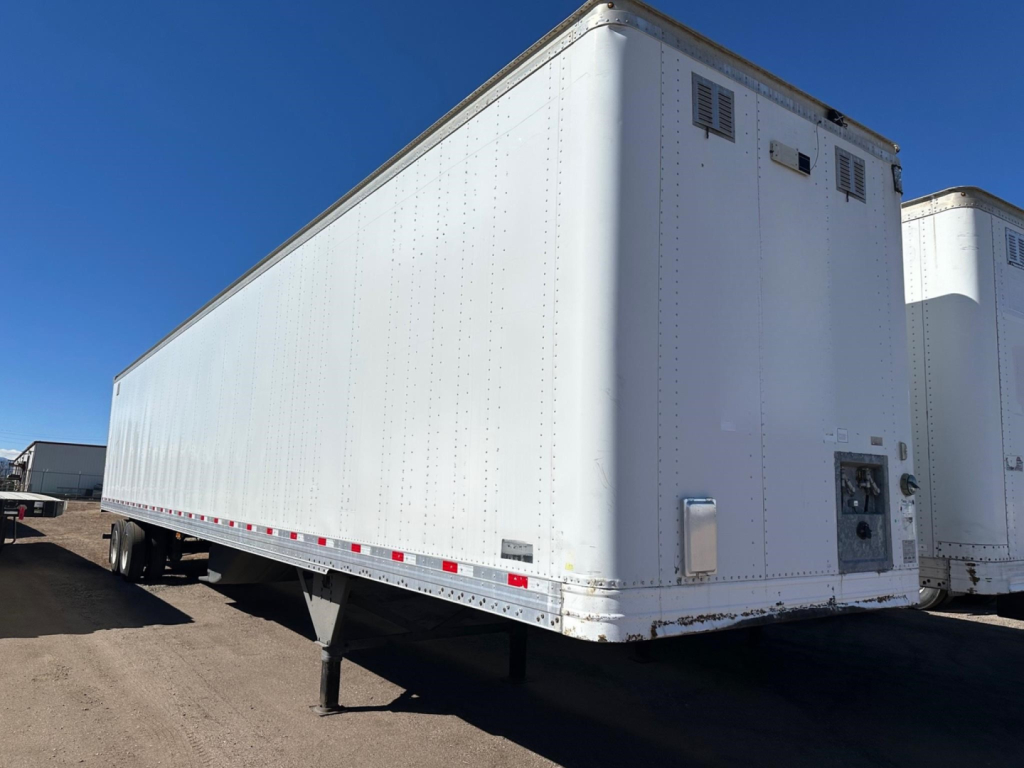
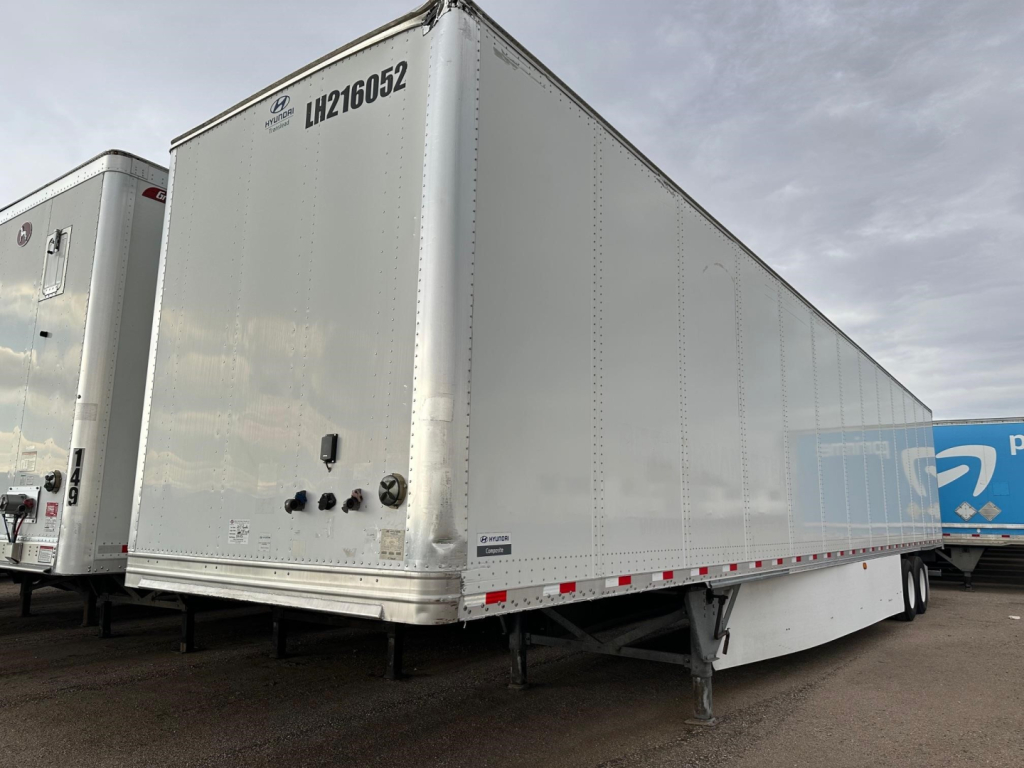
Selling a 2017 hyundai trailer? List your 2017 hyundai trailer for sale and reach thousands of commercial buyers.
2017 Hyundai Trailers
A lot of 2017 Hyundai trailers were spec'd for general freight, retail distribution, and dedicated contract freight. Common features include tandem slider suspensions, air ride or spring ride, 22.5 low-profile tires, steel or aluminum disc wheels, logistics posts or E-track, and front and rear vents. Some trailers also carry fleet efficiency equipment such as side skirts, undertray systems, or tire inflation systems. If the trailer will stay in a drop-and-hook operation, check slider travel, suspension condition, and kingpin area wear. If it will handle dense freight, verify floor ratings, crossmember condition, and signs of concentrated forklift damage around the threshold plate and first several feet of floor.
Hyundai dry van trailers are generally known for parts availability and familiarity across large fleets, independent shops, and trailer repair networks. That matters on a 2017 model because ownership cost is usually driven less by the badge and more by structural condition, previous fleet maintenance, and how the trailer was loaded. Inspect the front corners, roof bows, side panels, rear frame, door hardware, and upper coupler assembly. On aluminum vans, look closely for prior repairs, buckling, or cracking around high-stress points. If the trailer has a tire inflation system, confirm it is complete and functioning rather than partially removed.
For buyers balancing price against remaining life, a 2017 Hyundai trailer can still be a practical freight-hauling asset when the core structure is sound. Dry van specs from this make and year often line up well with high-volume lane work, warehouse loading docks, and standard over-the-road applications. The smartest comparison points are tare weight, interior condition, suspension type, aero equipment, and evidence of consistent PM history. A cleaner 2017 unit with straight rails, a solid floor, and tight doors will usually outperform a cheaper trailer that needs immediate structural or cargo-area work.
Frequently Asked Questions about 2017 Hyundai Trailers
What types of 2017 Hyundai trailers are most common on the used market?
The most common 2017 Hyundai trailers on the used market are 53-foot dry van trailers, often badged as Hyundai Translead. Many were built for fleet service with aluminum construction, 102-inch width, roll-up doors, wood floors, plywood liner packages, sliding tandems, and standard dock-height dimensions. These trailers are widely used in general freight and retail distribution because their specs are familiar to shippers, carriers, and repair shops.
What should I inspect first on a used 2017 Hyundai dry van trailer?
Start with the floor, roof, rear frame, tandem slider, and kingpin area. Floor rot, forklift damage, roof leaks, door frame wear, and slider rail issues can turn a low purchase price into a high repair bill. Also inspect crossmembers, scuff liners, sidewall condition, and any signs of prior structural repair near the nose, upper coupler, or rear impact area. A trailer with straight structure and a solid cargo box is usually the better value.
Are 2017 Hyundai trailers typically air ride or spring ride?
Both suspension types can be found, depending on the original fleet spec. Air ride is often preferred for ride quality and freight protection, especially in dedicated or higher-value cargo applications. Spring ride can be simpler and sometimes less expensive to maintain, but buyer preference usually depends on lane type, freight sensitivity, and shop familiarity. The condition of the suspension components matters more than the suspension type alone on a used 2017 trailer.
Do 2017 Hyundai trailers commonly include cargo control and fuel-saving features?
Yes. Many 2017 Hyundai dry vans were ordered with practical fleet options such as E-track or logistics posts, scuff plates, threshold plates, vents, tire inflation systems, and aerodynamic side skirts. Cargo control features matter if the trailer will haul mixed or high-turn freight, while aero equipment can add value for over-the-road operations focused on fuel economy. Buyers should confirm that installed systems are complete, functional, and not damaged or partially removed.
Is a 2017 Hyundai trailer still a good fleet purchase?
A 2017 Hyundai trailer can still be a strong purchase if the structure, cargo area, and running gear are in good condition. At this age, remaining value depends heavily on maintenance history, loading environment, and prior damage rather than model year alone. A well-kept trailer with a sound floor, dry roof, working door gear, and healthy suspension can continue serving in regional or long-haul freight operations for years.