
2017 Utility Trailers For Sale in Colorado
Browse 2017 Utility trailers for sale in Colorado, including dry vans, reefers, and flatbeds known for durable specs and fleet-friendly designs.
Selling a 2017 utility trailer? List your 2017 utility trailer for sale and reach thousands of commercial buyers.
2017 Utility Trailers in Colorado
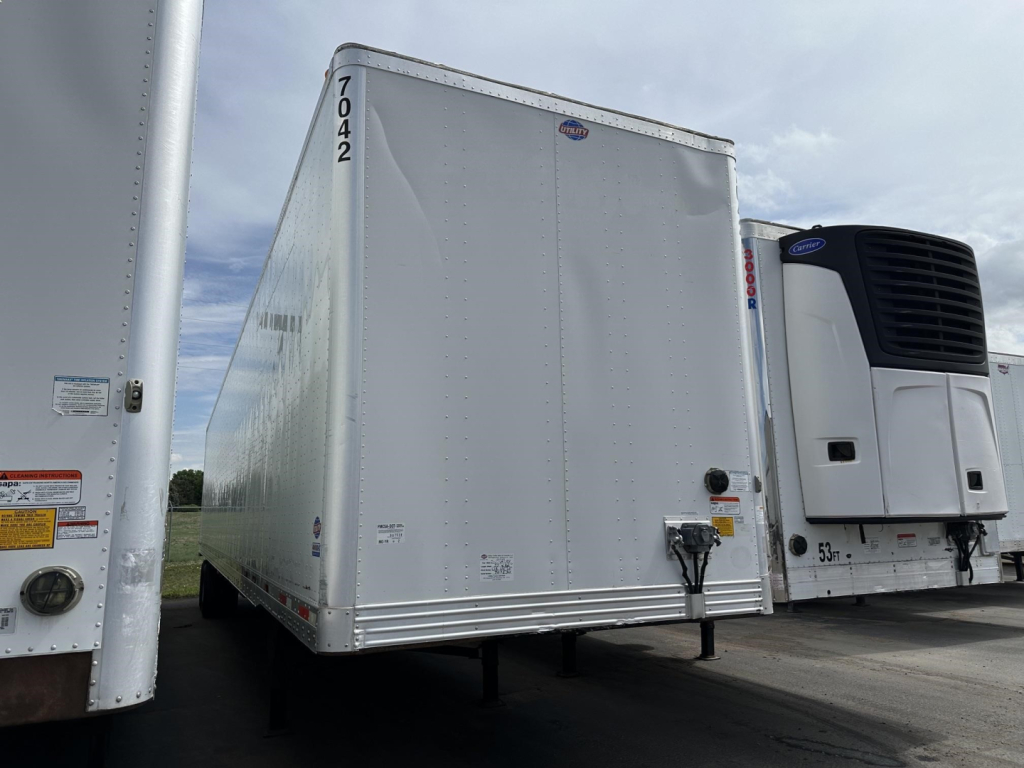
On dry van models, buyers should pay close attention to wall construction, floor condition, logistics track spacing, suspension type, and tandem slider operation. Many Utility vans are built with aluminum roofs, composite or lined interior walls, hardwood floors, scuff liners, and rear swing doors, with some units equipped with side skirts and tire inflation systems for better operating efficiency. A tall bottom rail or reinforced threshold area can be a real advantage in high-cycle dock service. Check for roof repairs, lower rail damage, door frame alignment, and wear around the slider box and suspension hangers. If the trailer will stay in regional retail, grocery, or general freight service, interior cube, ducting around airflow, and logistic post layout can affect how flexible the trailer is for mixed loads.
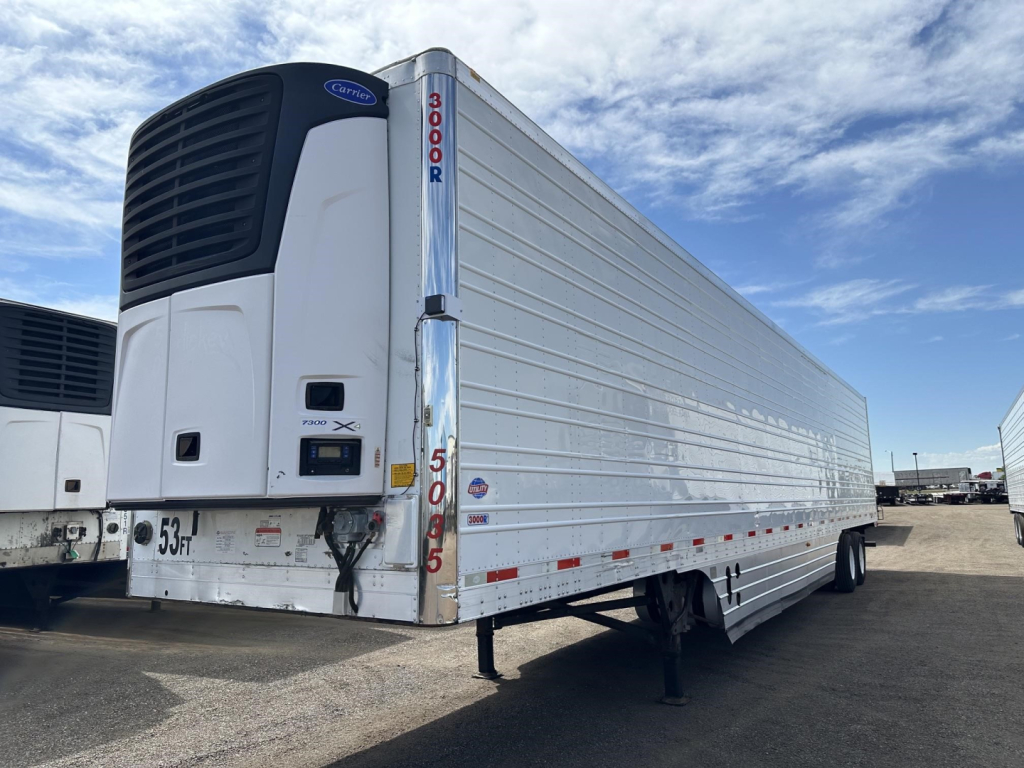
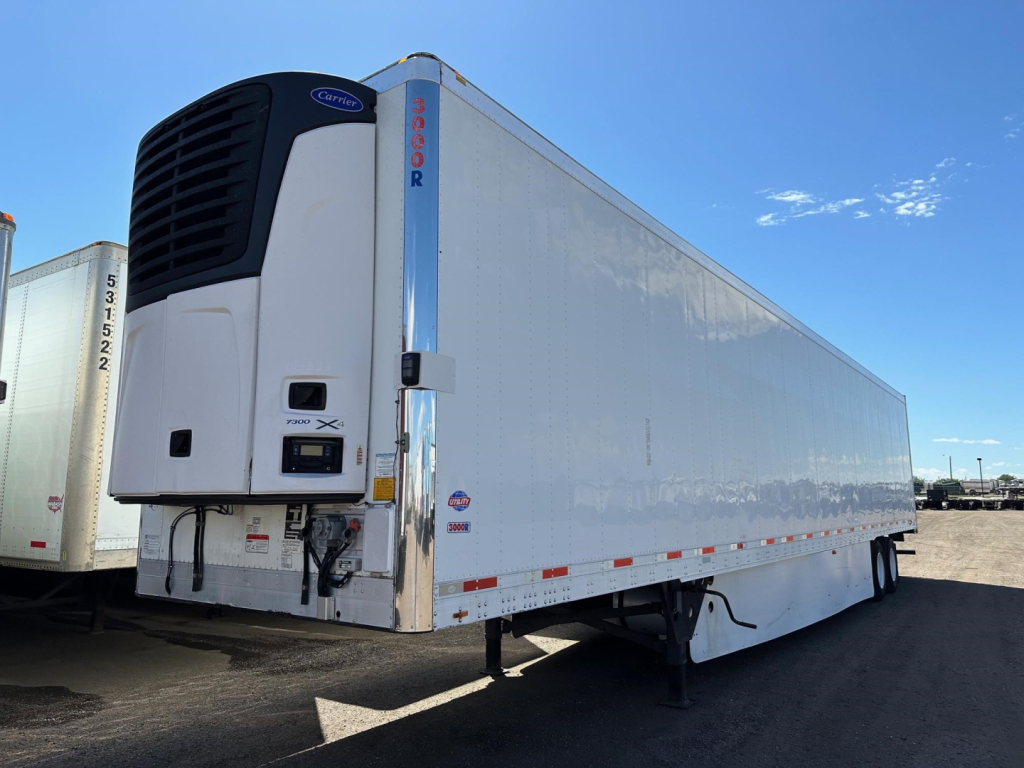
For reefer buyers, a 2017 Utility reefer often appeals because the trailer body is well regarded and reefer unit service history can usually tell you a lot about future expense. Focus on reefer hours, unit model, evaporator and condenser condition, floor type, chute integrity, and rear door seal quality. Aluminum duct floors, stainless front corners, insulated walls, and air ride suspension are common specs that support food-grade and temperature-controlled work. In Colorado, reefer buyers should also think about how the unit performs at elevation, especially if the trailer will run produce, dairy, frozen freight, or pharmaceutical loads through mountain corridors. A clean interior, consistent temperature pull-down, and documented maintenance matter more than cosmetic appearance.
If the 2017 Utility trailer is a flatbed, the key decisions are deck material, coil package rating, winch setup, axle spread, and overall tare weight. Utility combo flatbeds are typically built to balance strength with payload, often using steel main beams with aluminum crossmembers, deck, and rails. Common buyer checkpoints include nail strip condition, stake pockets, pipe spools, winch track wear, and signs of concentrated stress around the coil area. For Colorado freight, that can be relevant for steel, building products, machinery, and oilfield-related loads where securement options and weight distribution matter. Across all 2017 Utility trailer types, the smartest comparison is not just year and price, but how the trailer was spec'd, how hard it was worked, and how closely it matches your freight lanes and loading environment.
Frequently Asked Questions about 2017 Utility Trailers in Colorado
What types of 2017 Utility trailers are most common?
The most common 2017 Utility trailers on the used market are 53-foot dry vans, reefer trailers, and combo flatbeds. Dry vans are widely used in general freight and retail distribution, reefers are common in food and temperature-controlled lanes, and flatbeds serve construction materials, machinery, and steel. Utility is well known in all three segments, so buyers usually have a good mix of fleet-spec and specialized configurations to compare.
What should I inspect first on a used 2017 Utility dry van trailer?
Start with the floor, roof, rear frame, suspension, and tandem slider. Floor repairs, threshold plate wear, and lower wall damage can tell you how hard the trailer worked. Then check door seal integrity, crossmember condition, tire wear patterns, and any signs of cracking or corrosion around suspension mounting points. If the trailer has logistics posts, side skirts, or a tire inflation system, confirm those components are complete and functional because replacement costs can add up quickly.
Is a 2017 Utility reefer still a good buy for fleet or owner-operator use?
A 2017 Utility reefer can still be a strong buy if the trailer body is sound and the refrigeration unit has a solid service history. Reefer value depends heavily on unit hours, maintenance records, air chute condition, floor wear, and the trailer’s ability to hold temperature consistently. Buyers should pay close attention to insulation integrity, door seals, and evidence of moisture intrusion. A clean trailer with documented reefer service is usually a better investment than a cheaper unit with unknown operating history.
What specs matter most on a 2017 Utility flatbed trailer?
The most important flatbed specs are length, axle configuration, deck construction, coil package rating, and securement layout. Many buyers also focus on winch track placement, number of sliding winches, pipe spool ratings, stake pocket condition, and overall trailer weight. A lighter combo flatbed can improve payload, but condition still matters more than brochure weight. Look closely for deck damage, bent rails, repairs around concentrated load points, and any signs of structural stress near the suspension or kingpin area.
Why do Utility trailers hold value well in the used market?
Utility trailers tend to hold value because the brand has broad fleet acceptance, common replacement parts, and a reputation for durable trailer bodies. Buyers are usually familiar with models like the 4000-series dry van, 3000-series reefer, and Utility flatbed platforms, which makes resale easier and service support more predictable. That combination of market recognition and fleet-friendly construction helps keep demand steady for clean, properly maintained used units.