
2017 Reefer Trailers For Sale in Colorado
Shop 2017 reefer trailers for sale in Colorado. Compare 53-foot refrigerated trailers, reefer units, insulation, floors, tandems, and specs.
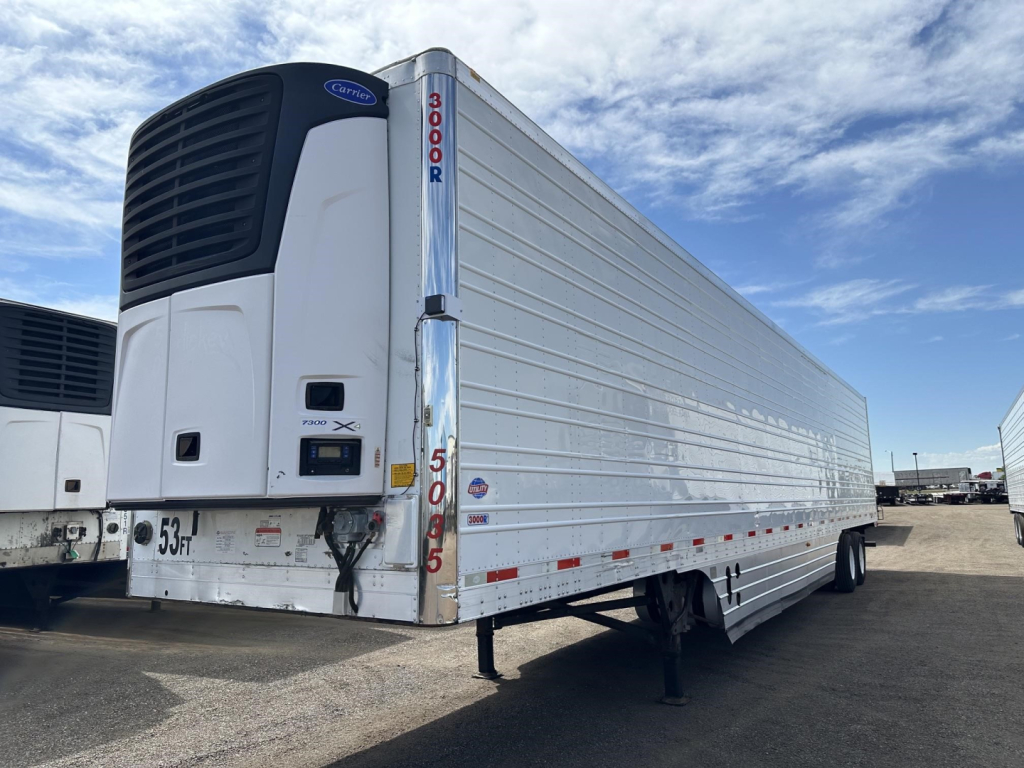
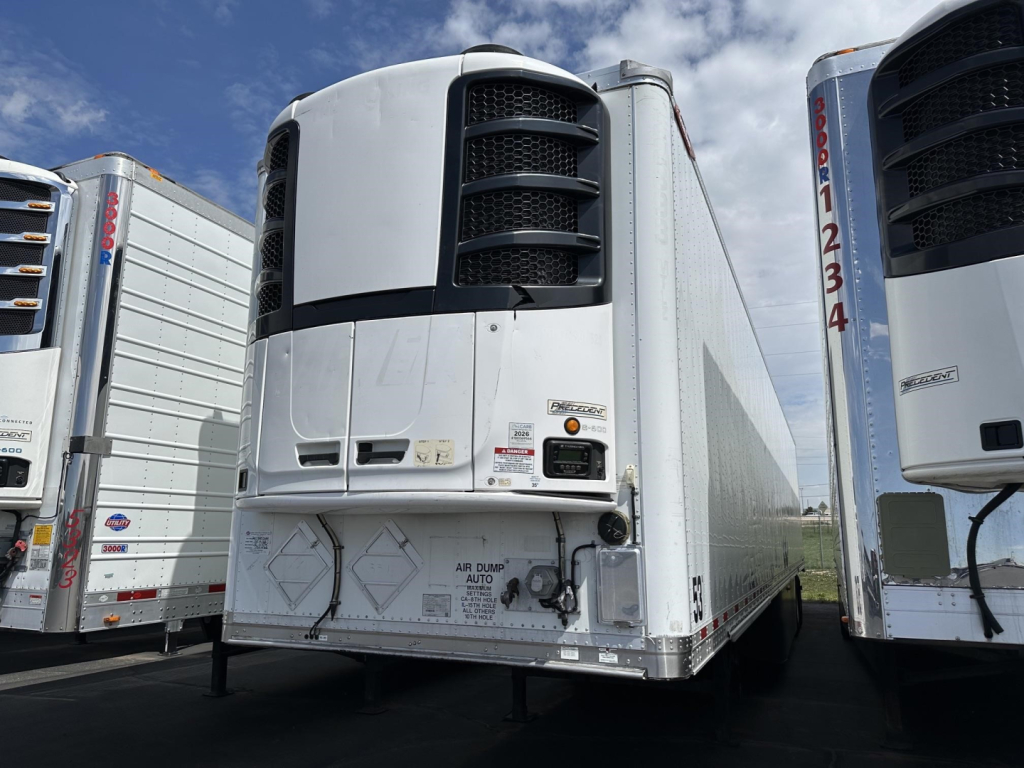
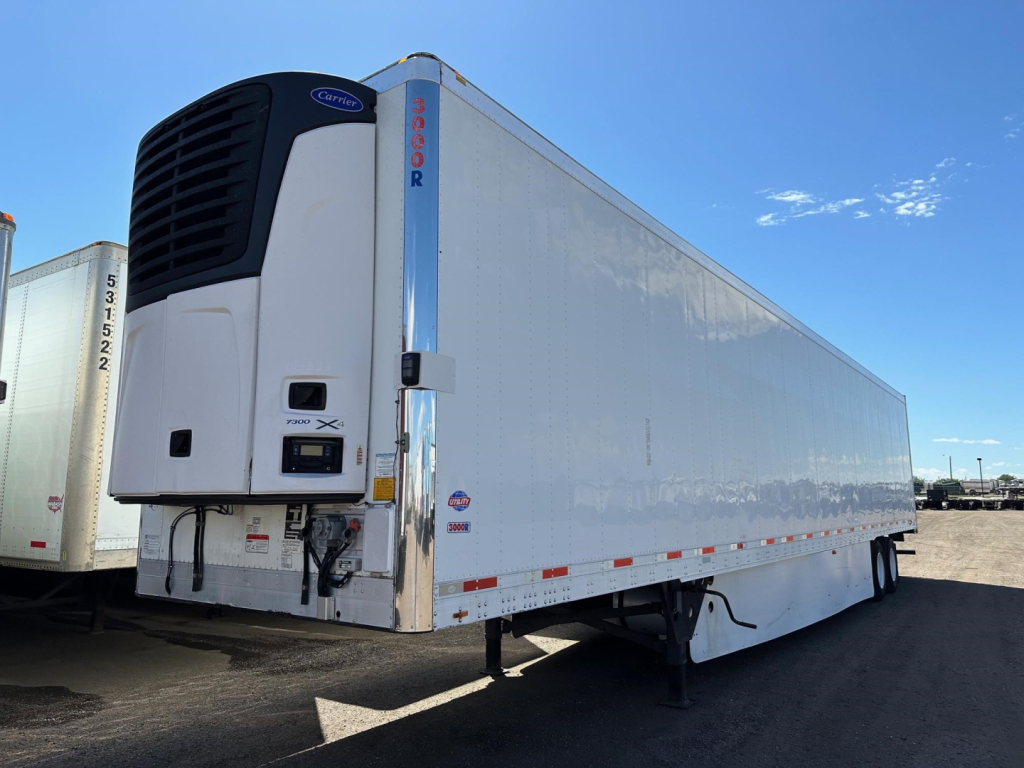

Selling a 2017 reefer trailer? List your 2017 reefer trailer for sale and reach thousands of commercial buyers.
2017 Reefer Trailers in Colorado
For Colorado service, reefer performance matters in both summer heat and winter freeze conditions, especially on produce, grocery, dairy, frozen food, and pharmaceutical lanes. Pay close attention to insulation integrity, door seal condition, rear frame corrosion, and floor type. Aluminum duct floors are common and support good airflow under palletized freight, while flat floors can suit certain loading patterns but may change airflow characteristics. Features like rear vents, chutes, scuff liners, stainless door frames, anti-dock-walk protection, and wear bands can make a real difference in daily abuse and temperature recovery at the dock.
A 2017 reefer trailer buyer should also review tandem configuration, kingpin setting, and axle slider operation because those details affect bridge compliance, tire wear, and loading flexibility. Tire inflation systems, air pin sliders, and aerodynamic side skirts can reduce downtime and operating cost if they are in good working order. Check inside height, especially if you cube out before you weigh out, and inspect the walls for punctures, delamination, or patched areas that may affect sanitation and thermal efficiency. On the refrigeration side, pre-buy inspection should include unit hours, engine service records, evaporator condition, bulkhead setup, start-stop versus continuous operation capability, and a current temperature pull-down test.
Buyers comparing 2017 refrigerated trailers should think in terms of total cost per mile, not just purchase price. A clean older reefer with a replacement or newer unit can be a better fit than a newer box with high reefer hours or deferred maintenance. Utility 3000R and Great Dane Everest series trailers are common in the market and generally familiar to technicians, which can help with parts and service planning. The best choice is usually the trailer with the strongest maintenance history, sound structural condition, and a reefer unit matched to the temperature range and compliance needs of your freight.
Frequently Asked Questions about 2017 Reefer Trailers in Colorado
What should I check first on a 2017 reefer trailer?
Start with the refrigeration unit hours, maintenance records, and a verified temperature pull-down test. After that, inspect the box for insulation issues, floor wear, door seal condition, wall damage, and signs of moisture intrusion. A reefer trailer can look acceptable outside and still have expensive problems in the unit, evaporator, floor, or rear frame.
Is a 2017 reefer trailer still a good buy for regional or long-haul refrigerated freight?
Yes, if the trailer has been maintained correctly and the reefer unit is in good operating condition. Many 2017 refrigerated trailers are still viable for grocery, frozen, dairy, and produce work, but condition matters more than model year. Buyers should focus on reefer hours, structural integrity, and the cost of any near-term repairs rather than assuming all trailers from the same year will perform the same.
What floor type is best in a refrigerated trailer?
Aluminum duct floors are common because they support airflow beneath the load, which helps maintain even temperature throughout the trailer. Flat floors can work for some operations, especially where loading patterns or freight handling differ, but they can change how cold air moves under pallets. The right choice depends on the freight profile, pallet configuration, and how critical consistent airflow is to the product being hauled.
How important are tandem and slider specifications on a reefer trailer?
They are very important because tandem setup affects axle weight distribution, bridge compliance, loading flexibility, and maintenance. A sliding tandem or air pin slider can make it easier to adjust for different loads and jurisdictions, while a closed tandem may suit fleets with fixed operating patterns. Buyers should also confirm slider function, suspension condition, and overall axle alignment before purchase.
Do Carrier and Thermo King reefer units hold value differently?
Both brands are widely used and well supported, so resale and operating value usually come down to service history, local dealer support, and unit specification more than brand alone. A well-documented Thermo King or Carrier unit with reasonable hours and clean inspections can be a strong buy. Many fleets prefer to stay with the brand their technicians already stock parts for and know how to troubleshoot.