
Trail-Eze Trailers For Sale in Colorado
Browse Trail-Eze trailers for sale in Colorado. Compare lowboy, equipment, and utility trailer specs for heavy hauling and jobsite transport.
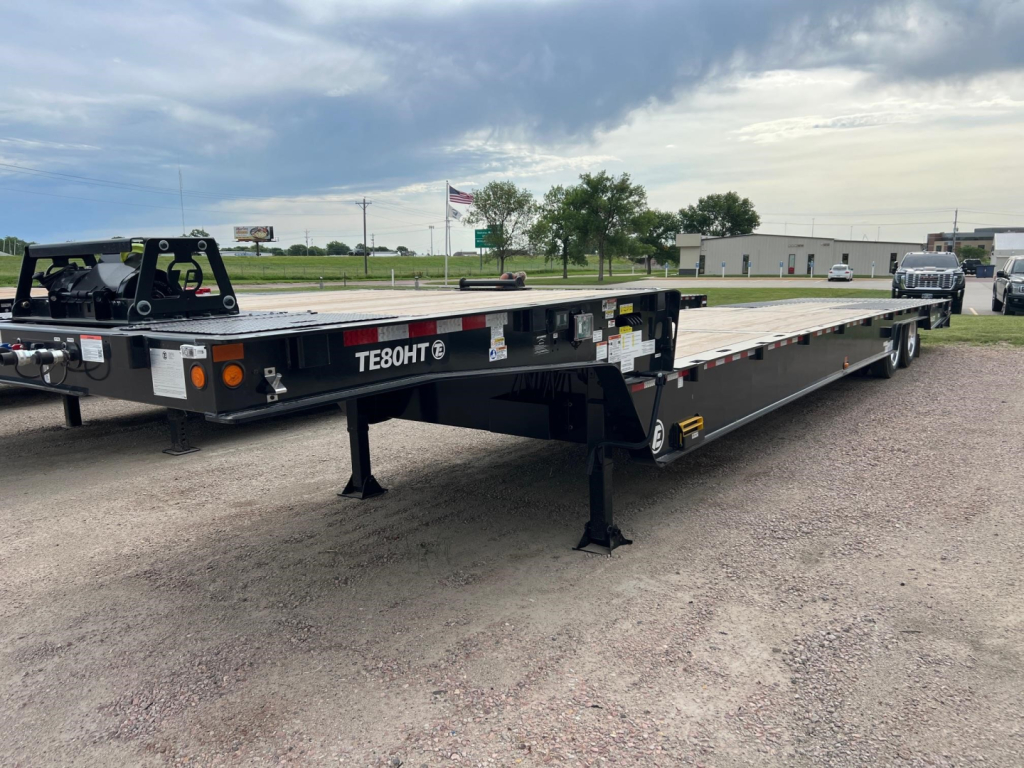
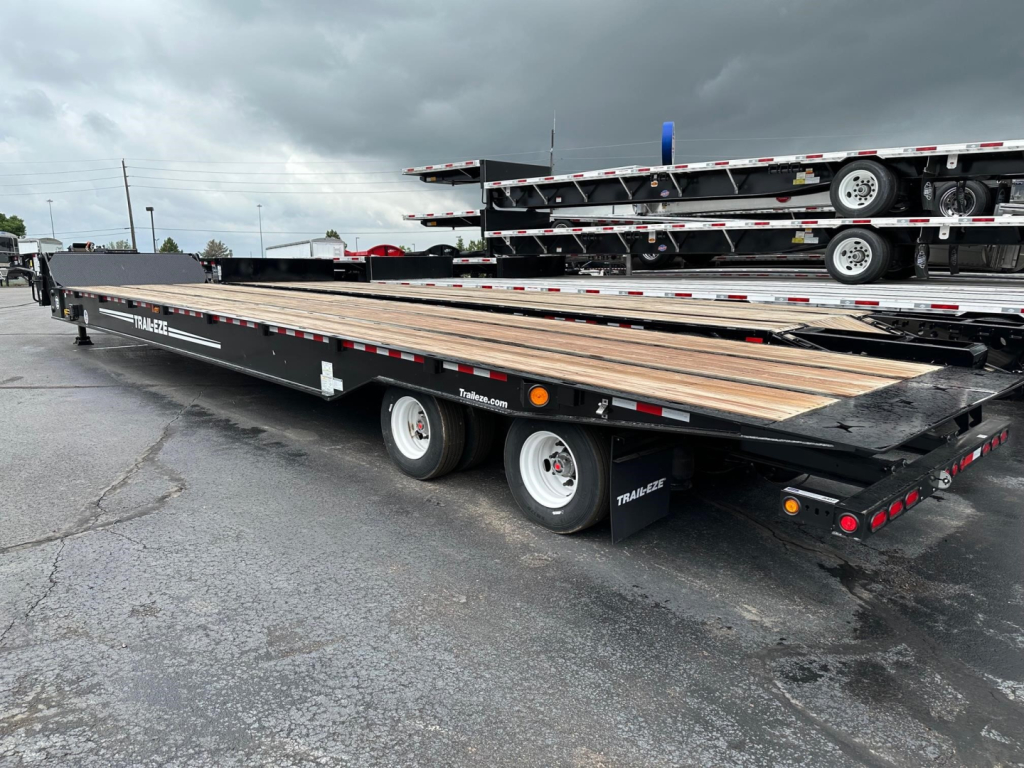
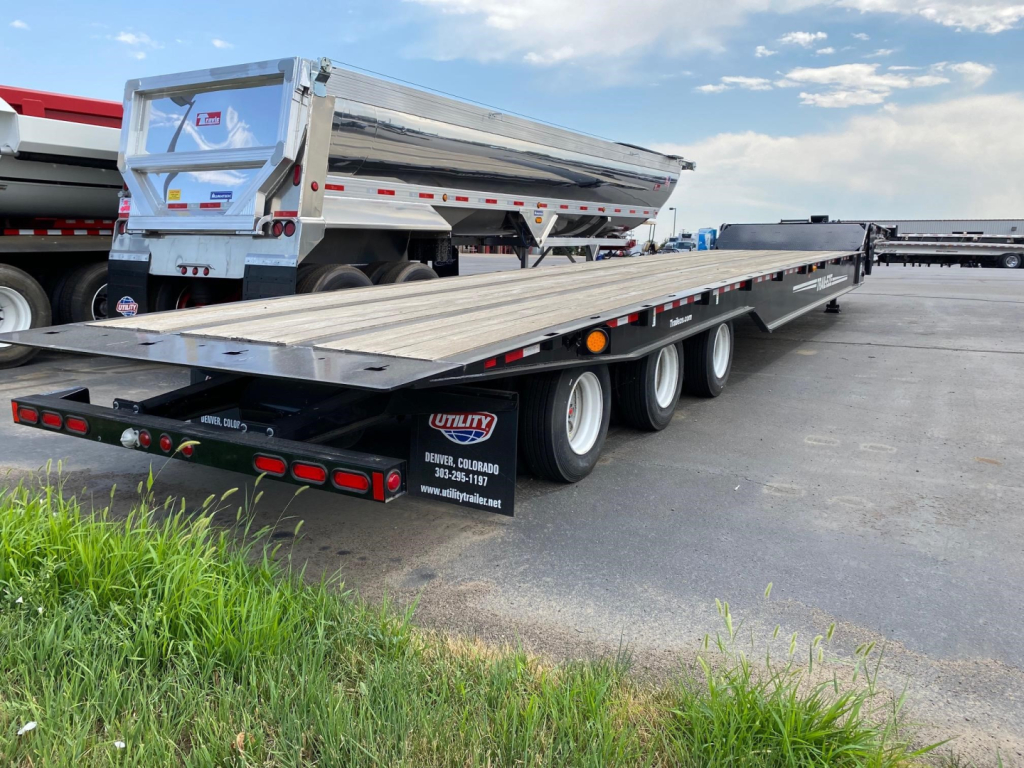
Selling a trail-eze trailer? List your trail-eze trailer for sale and reach thousands of commercial buyers.
Trail-Eze Trailers in Colorado
For Colorado buyers, terrain and route profile should drive the decision as much as payload. Mountain grades, mixed pavement conditions, and jobsite access can make axle placement, brake performance, and deck height more important than on flatter routes. A lower deck can improve loading stability and machine clearance, while the right ramp setup or tilt design can speed up loading for rubber-track and wheeled equipment. Common specs to compare include GVWR, deck width, beavertail length, hydraulic or spring-assisted ramps, air or electric brake systems, pintle or ball hitch configuration, and tire size. If the trailer will see frequent highway miles with heavier iron, axle and suspension condition deserve close attention.
Trail-Eze trailers are often selected by contractors, rental fleets, municipalities, and owner-operators who need practical hauling equipment without giving up structural integrity. Features buyers often look for include oak or apitong decking, stake pockets, rub rails, D-rings, toolbox provisions, LED lighting, sealed wiring, and heavy-duty landing gear where applicable. On hydraulic detach or lowboy-style units, inspect the neck operation, cylinders, hydraulic lines, locking mechanisms, and wear around the main frame and deck transition points. On tag and tilt trailers, pay attention to hinge points, load angle, deck flex, and any evidence of hard loading or concentrated point loads.
A good Trail-Eze trailer choice comes down to matching the trailer to the equipment, not just the rated number on the VIN plate. Track width, attachment weight, loading method, and how often the trailer is moved empty all affect the right spec. In Colorado, corrosion may be less aggressive than coastal regions, but buyers should still inspect for cracked welds, frame repairs, brake wear, tire age, and deck deterioration from weather and use. A properly spec'd Trail-Eze trailer can serve as a dependable equipment hauler for years if the structure, running gear, and loading system are still sound.
Frequently Asked Questions about Trail-Eze Trailers in Colorado
What types of trailers is Trail-Eze best known for?
Trail-Eze is best known for equipment hauling trailers such as tag trailers, lowboy trailers, tilt deck trailers, and other heavy-duty construction and machinery transport models. These trailers are commonly used to move skid steers, excavators, loaders, rollers, and similar equipment where safe loading angles, strong deck construction, and dependable running gear are essential.
What should I inspect first on a used Trail-Eze trailer?
Start with the frame, axles, brakes, suspension, deck, and loading system. Look closely for cracked welds, bent crossmembers, uneven tire wear, brake issues, ramp damage, hinge wear on tilt models, and hydraulic leaks on detach or hydraulic ramp configurations. Structural condition matters more than cosmetic appearance because these trailers are often used in severe-duty service.
Which Trail-Eze trailer specs matter most for hauling equipment?
The most important specs are GVWR, usable deck length, deck width, axle count, axle rating, deck height, ramp or tilt design, and hitch type. Buyers should also account for machine operating weight, attachment weight, track or tire width, and the balance point of the load. A trailer can have enough rated capacity on paper and still be a poor match if deck length, loading angle, or axle placement do not suit the equipment.
Are Trail-Eze trailers a good fit for Colorado hauling conditions?
They can be a strong fit for Colorado work because many Trail-Eze models are built for heavy equipment use and repeated loading cycles. In mountain and mixed-terrain service, brake condition, suspension health, tire quality, and deck height become especially important. Buyers hauling through grades or into uneven jobsites should prioritize control, stability, and loading practicality rather than capacity alone.