
Trail-Eze Trailers For Sale
Browse Trail-Eze trailers built for heavy equipment hauling, with low deck heights, ramp options, and durable specs for demanding jobs.
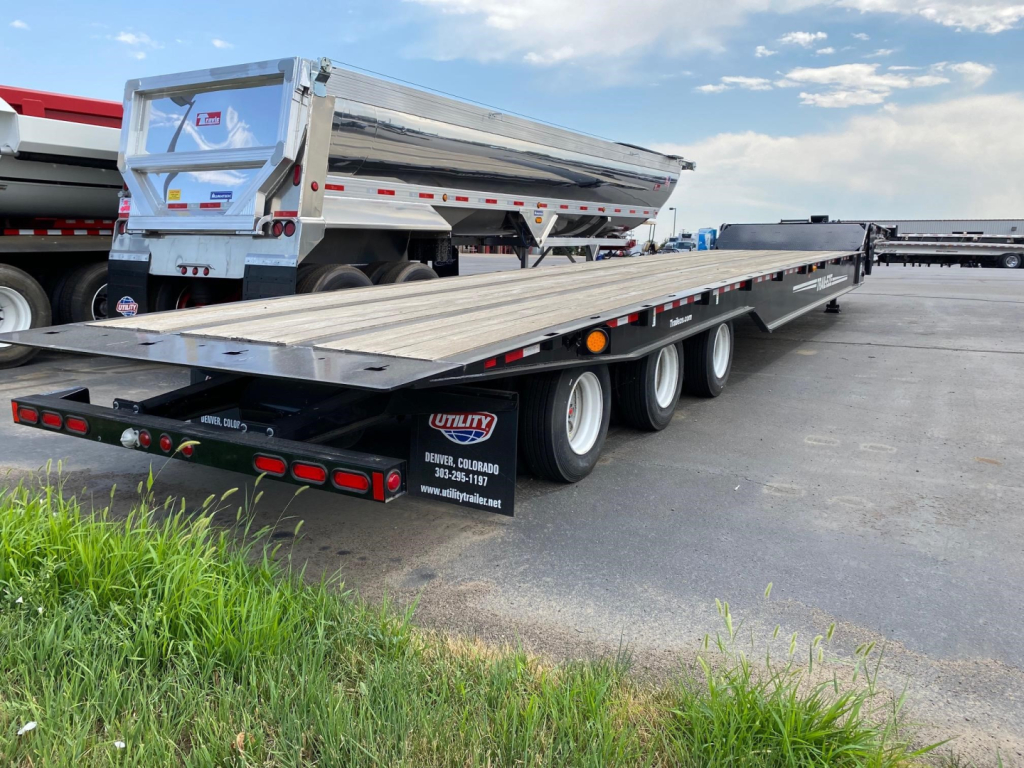
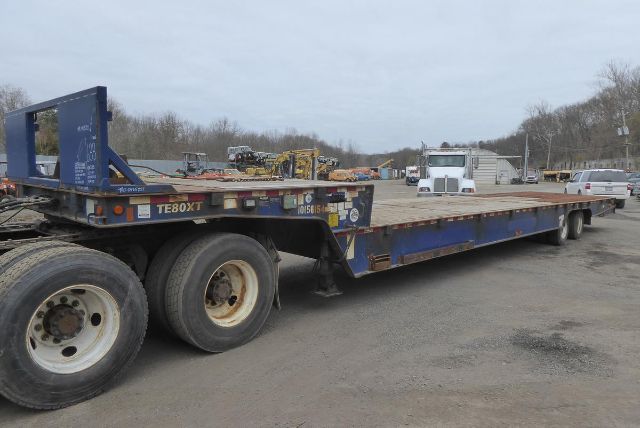
Selling a trail-eze trailer? List your trail-eze trailer for sale and reach thousands of commercial buyers.
Trail-Eze Trailers
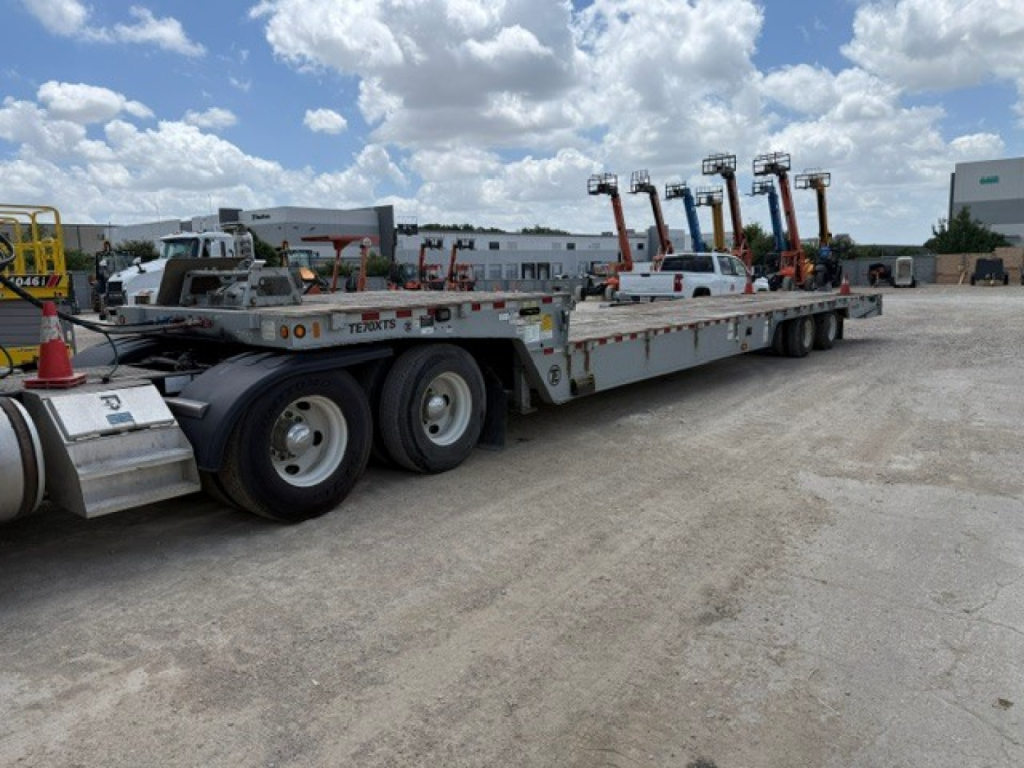
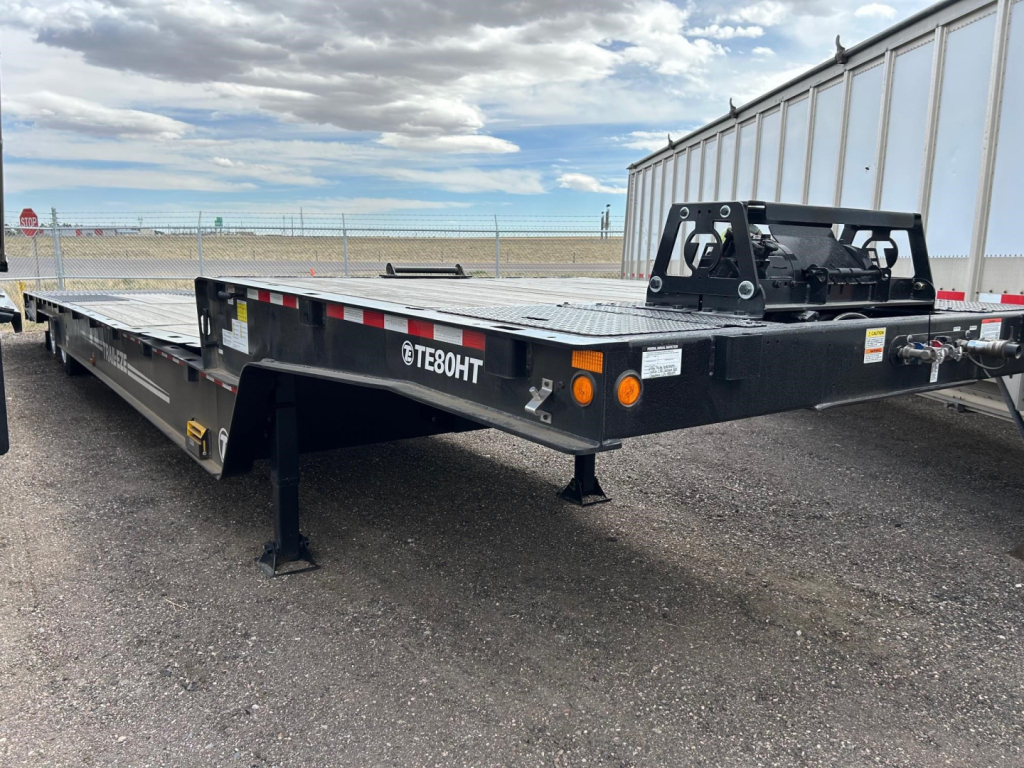
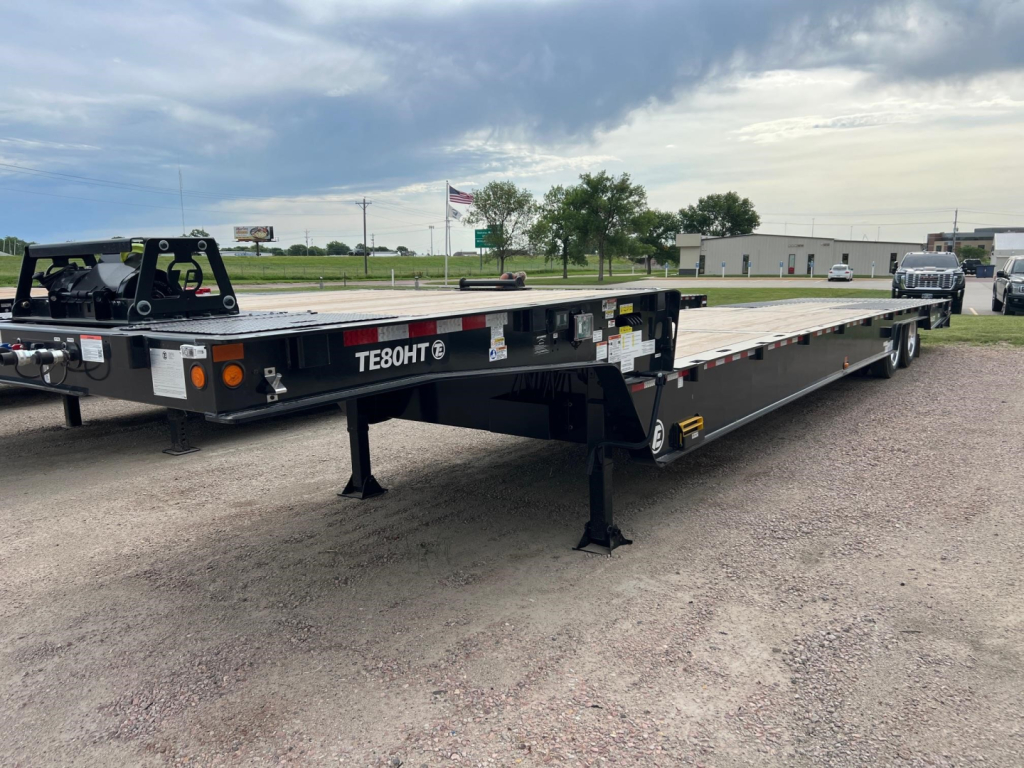
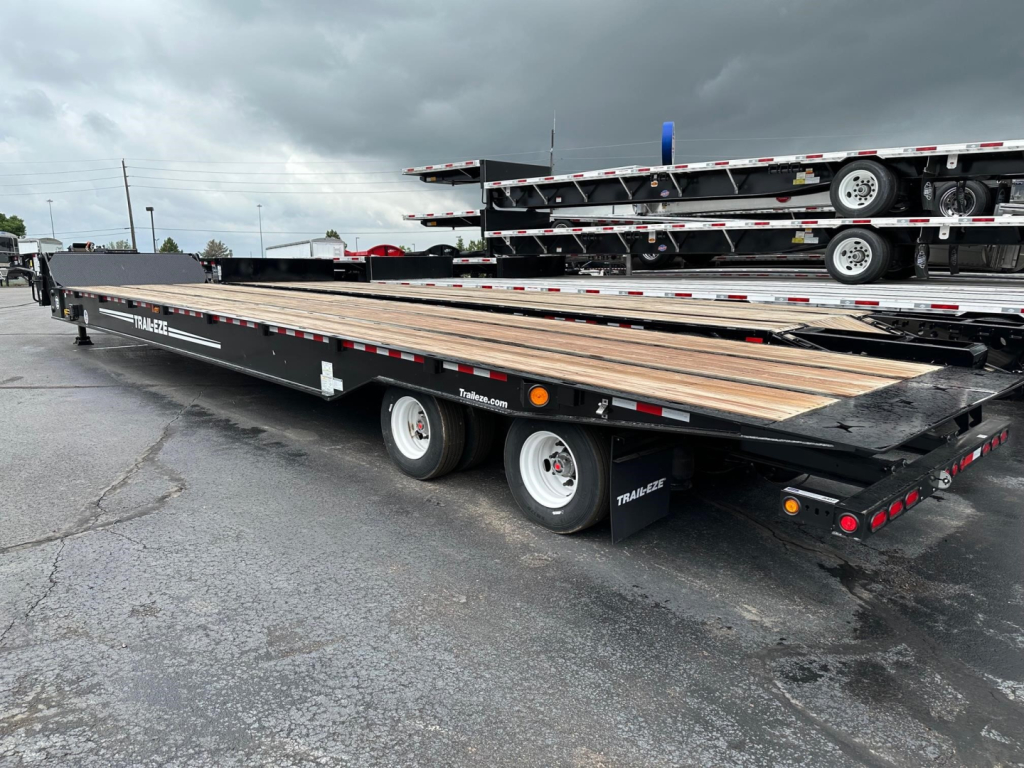
A close look at trailer style matters. A tag trailer can be a practical fit for fleets using medium-duty or vocational trucks, while a detachable gooseneck or lowboy style is better suited to larger iron and higher axle weights. Trail-Eze models are often chosen for features that support repeated equipment loading, including beavertails, fold-over ramps, hydraulic tails, traction surfaces, and heavy-duty main frame construction. Suspension type, axle spacing, deck width, and tire size all affect ride quality, legal weight distribution, and maintenance costs. On equipment trailers, buyers should also pay attention to deck height, loaded ground clearance, frame capacity, and the condition of crossmembers, hinge points, and ramp assemblies.
For buyers comparing used Trail-Eze trailers, the most important details are usually structural condition and spec alignment. Check for frame repairs, neck wear, deck plate damage, suspension bushing wear, brake condition, tire age, and signs of overloading around concentrated stress points. If the trailer will haul skid steers, mini excavators, pavers, rollers, or larger tracked machines, verify that the axle rating, deck length, ramp rating, and securement layout match the equipment being moved. Tie-down placement, D-ring condition, lighting, ABS components, and hydraulic system performance can make a big difference in safety and usability.
Trail-Eze trailers tend to appeal to buyers who need a purpose-built equipment trailer rather than a general freight platform. The right spec depends on the machine fleet, tractor or truck setup, and the states where the trailer will run. Payload target, overall loaded height, empty weight, and ease of loading should all be considered together. A trailer with the correct deck configuration and axle package can improve loading speed, reduce machine transition angle issues, and hold up better under repeated jobsite use.
Frequently Asked Questions about Trail-Eze Trailers
What are Trail-Eze trailers commonly used for?
Trail-Eze trailers are commonly used for hauling construction equipment, compact machinery, agricultural equipment, and other heavy loads that require low loading angles and strong deck support. Common applications include transporting skid steers, excavators, dozers, rollers, pavers, and similar machines between jobsites. Many buyers choose this brand for equipment-moving work where frequent loading and unloading is part of the daily cycle.
What should I look for when buying a used Trail-Eze trailer?
Focus first on structural integrity and whether the trailer specification matches the equipment you plan to move. Inspect the frame rails, crossmembers, neck or hitch area, ramps or hydraulic tail, suspension components, brakes, tires, and electrical system. It is also important to confirm axle ratings, GVWR, deck length, deck width, and tie-down layout so the trailer can safely handle the machine weight and footprint.
What types of Trail-Eze trailers are most common?
Common Trail-Eze configurations include tag trailers, lowboy and detachable gooseneck trailers, and hydraulic tail equipment trailers. Each style serves a different hauling need. Tag trailers are often used with vocational trucks for medium-capacity equipment moves, while detachable gooseneck and low deck configurations are better suited for heavier machines, easier loading, and improved height management.
Why does deck height matter on a heavy equipment trailer?
Deck height affects loading angle, loaded center of gravity, and overall legal height once a machine is on the trailer. A lower deck can make it easier to load equipment with low ground clearance and can reduce the need for steep ramps or severe breakover angles. For taller machines, lower deck height also helps keep the total loaded height within legal limits.