
2026 Trail-Eze Trailers For Sale
Shop 2026 Trail-Eze trailers for sale. Compare lowboy, equipment, and tag trailer features, capacities, deck options, and hauling applications.
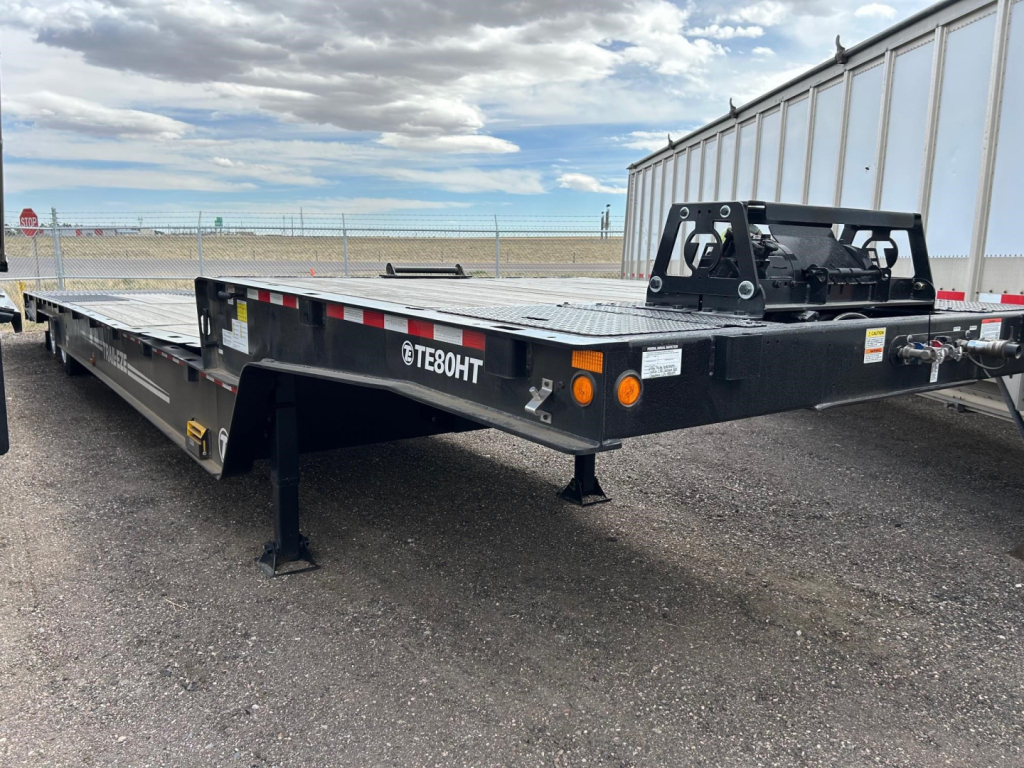
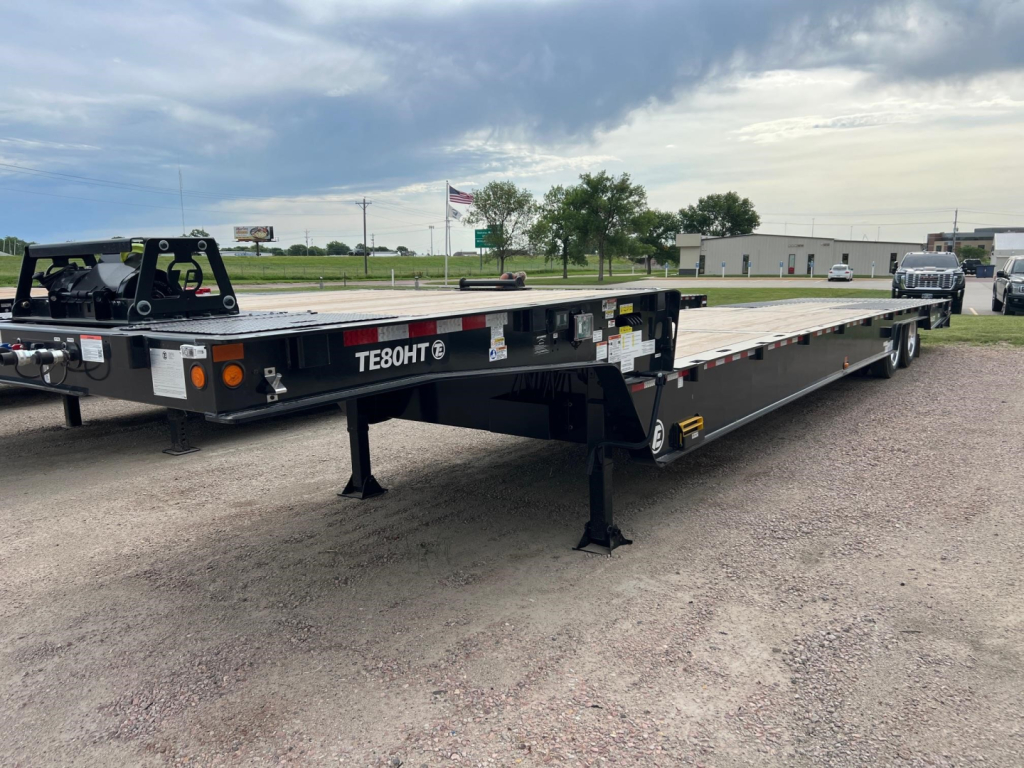
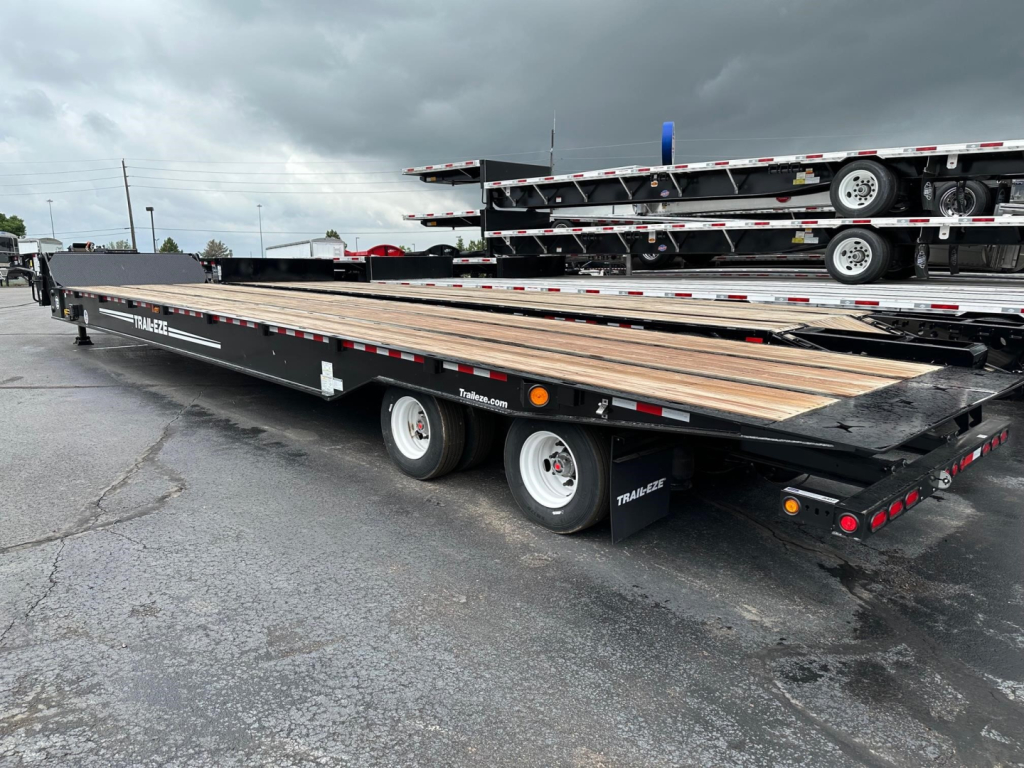
Selling a 2026 trail-eze trailer? List your 2026 trail-eze trailer for sale and reach thousands of commercial buyers.
2026 Trail-Eze Trailers
Capacity, axle configuration, and deck layout are the main buying points. Common setups in this class include tandem, tri-axle, and spread-axle arrangements, with GVWR and concentrated load ratings matched to skid steers, compact excavators, dozers, loaders, road-building equipment, and farm tractors. Buyers should look closely at main beam construction, crossmember spacing, deck length, loaded deck height, and the transition area over the axles. A trailer that carries the weight on paper is not always the best fit if the machine's ground pressure, track width, or attachment overhang creates loading issues. Ramps, hydraulic tails, outriggers, chain trays, D-rings, winch options, and rub rail design all matter when the trailer is used every day in mixed fleet service.
Suspension and braking specs are just as important as published payload numbers. Air ride and spring ride each have advantages depending on route conditions, maintenance preferences, and cargo sensitivity. Tire size, wheel material, ABS, brake drum or disc configuration, and axle spacing can influence both service life and regulatory flexibility. On equipment trailers in this segment, buyers often pay attention to deck wood species, traction surface, full-width ramp design, and how well the rear loading area handles steel tracks or repeated point loading. Lighting protection, sealed wiring, powder coat or paint finish, and general access to wear components also affect long-term ownership cost.
A 2026 Trail-Eze trailer is usually evaluated less like a commodity trailer and more like a job-matched hauling tool. The right spec depends on the machines being moved, the frequency of loading and unloading, and the roads the trailer sees every week. Buyers comparing listings should verify exact rated capacity, deck dimensions, dovetail or gooseneck style, axle and suspension setup, tire condition or spec, and tie-down package. It also helps to confirm empty weight, since that number directly affects usable payload and permit planning when the trailer is assigned to heavier iron.
Frequently Asked Questions about 2026 Trail-Eze Trailers
What types of trailers does Trail-Eze commonly build?
Trail-Eze is best known for equipment trailers used in construction, agriculture, and heavy hauling applications. Depending on the model, that can include tag trailers, hydraulic dovetail trailers, lowboys, and detachable gooseneck trailers. The common theme is hauling machinery that needs controlled loading angles, strong deck support, and secure tie-down provisions rather than general freight features.
How do I choose the right capacity in a Trail-Eze trailer?
Start with the heaviest machine you plan to haul, then account for attachments, buckets, blades, fuel, and any concentrated axle or track loading. A trailer's published GVWR is only part of the decision. You also need to confirm concentrated load rating, axle placement, deck length, and whether the machine fits correctly for legal weight distribution. Buying too close to the limit usually creates problems with tire wear, brake life, and day-to-day usability.
What is the advantage of a hydraulic dovetail or detachable gooseneck?
A hydraulic dovetail reduces loading time and improves safety when equipment is loaded frequently, especially wheeled machines and mixed fleets. A detachable gooseneck is often preferred for taller, heavier tracked equipment because it allows ground-level loading and can improve approach angle. The better option depends on how often the trailer is loaded, the type of equipment being moved, and how important speed versus maximum loading flexibility is in your operation.
Are Trail-Eze trailers suited for steel track equipment?
Many Trail-Eze equipment trailers are built for demanding machine hauling, including steel track applications, but buyers should still inspect deck material, rear loading structure, crossmember support, and any wear protection in high-contact areas. Steel tracks can accelerate deck wear and concentrate weight during loading, so the trailer should be spec'd for that service rather than assumed to handle it based only on gross rating.
What specs matter most when comparing 2026 Trail-Eze trailer listings?
The most important specs are trailer type, rated capacity, axle count, suspension, deck length, loaded deck height, ramp or tail design, and tie-down equipment. Empty weight is also critical because it affects net payload and transport planning. Buyers should also compare brake setup, tire size, frame construction, and any options that improve real-world use, such as full-width ramps, chain storage, toolboxes, or additional D-rings.