
2015 Trailers For Sale in Colorado
Browse 2015 trailers for sale in Colorado, including reefer, dry van, and specialty trailer options with specs that matter to fleet buyers.
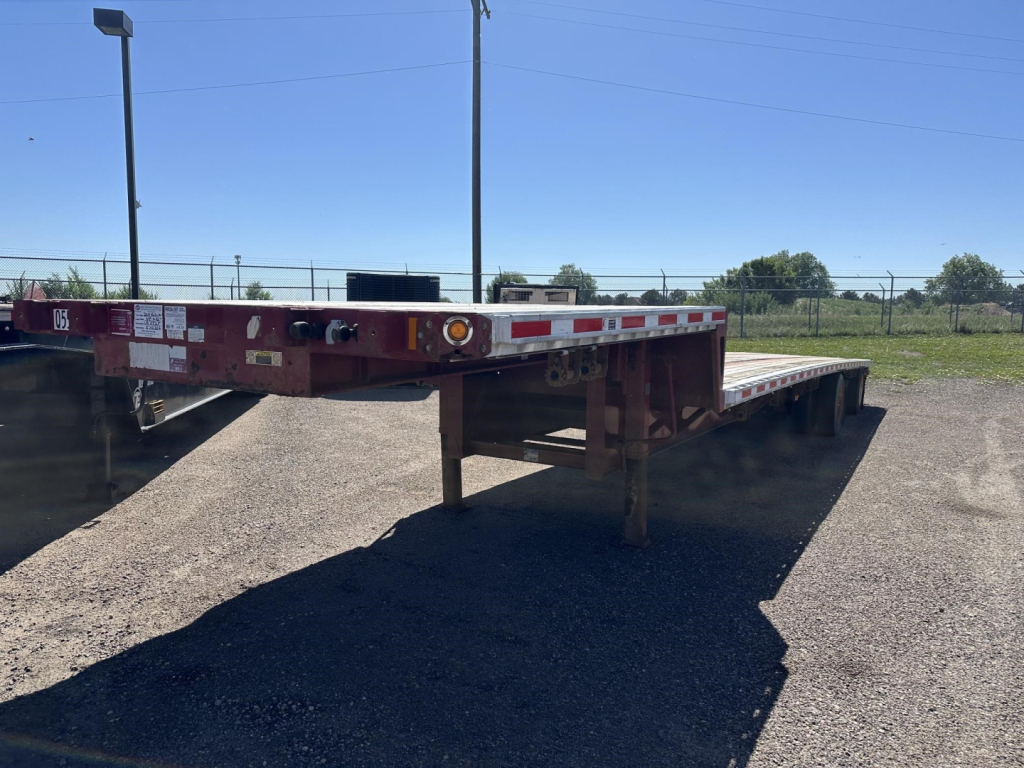
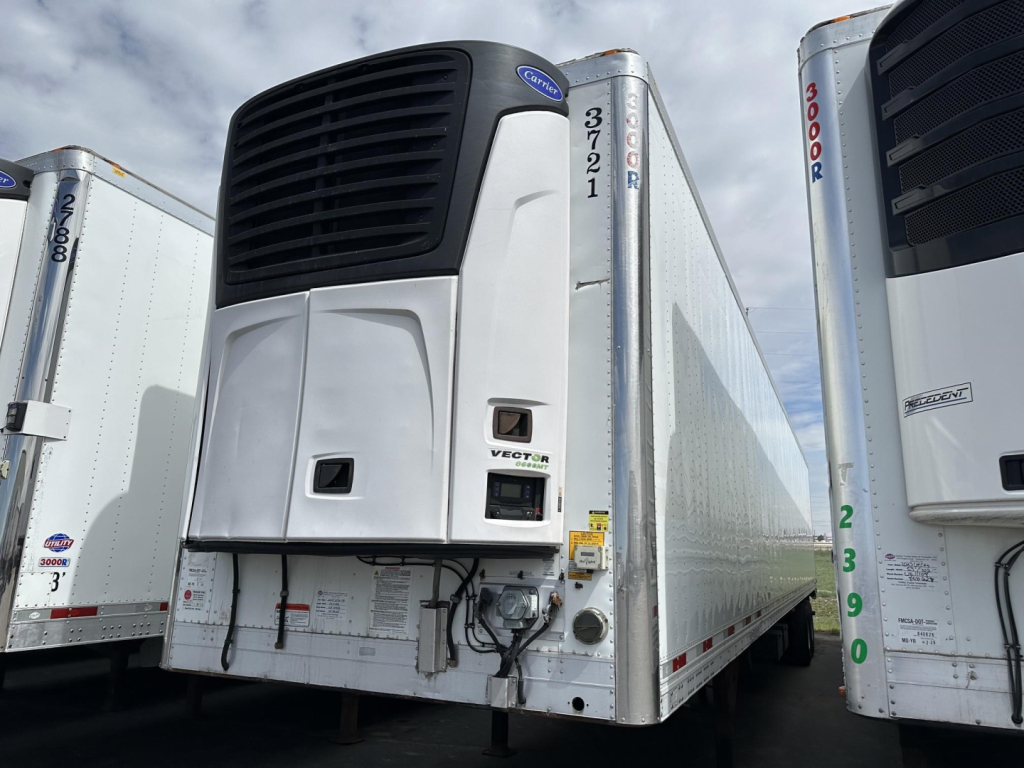
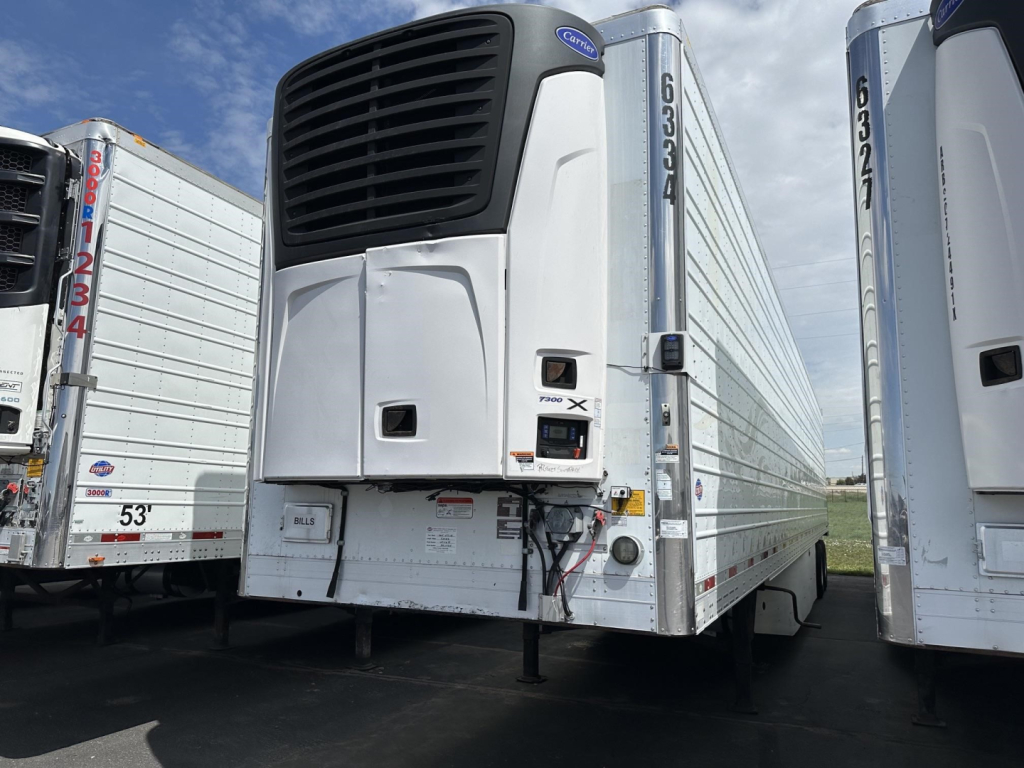
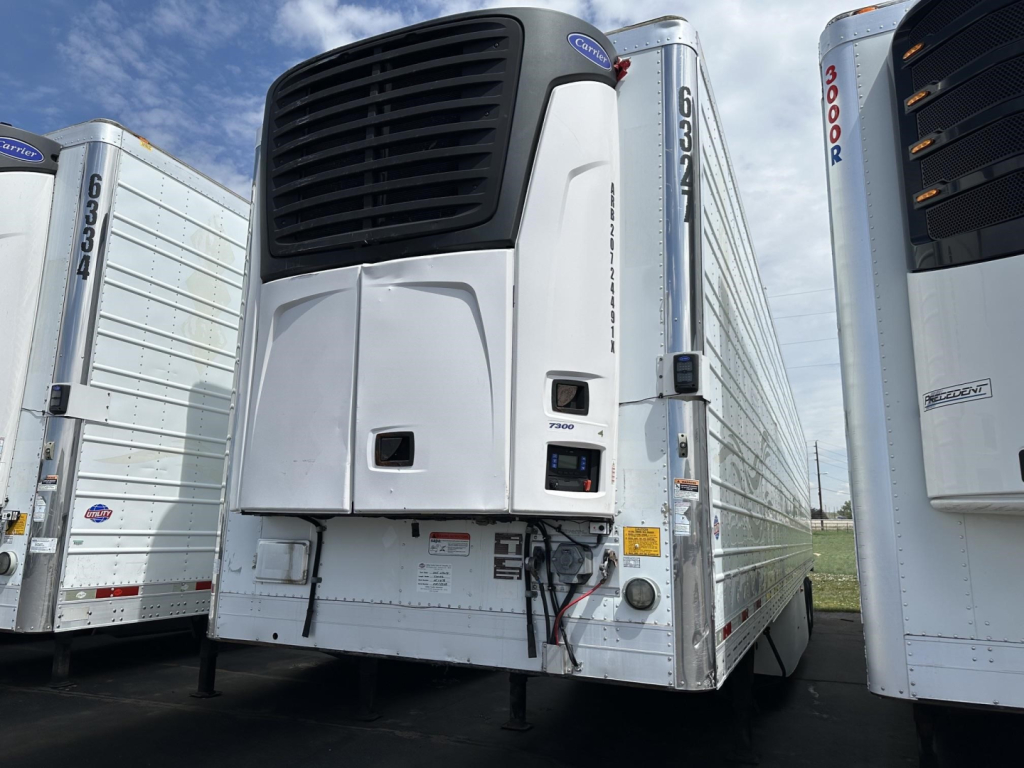
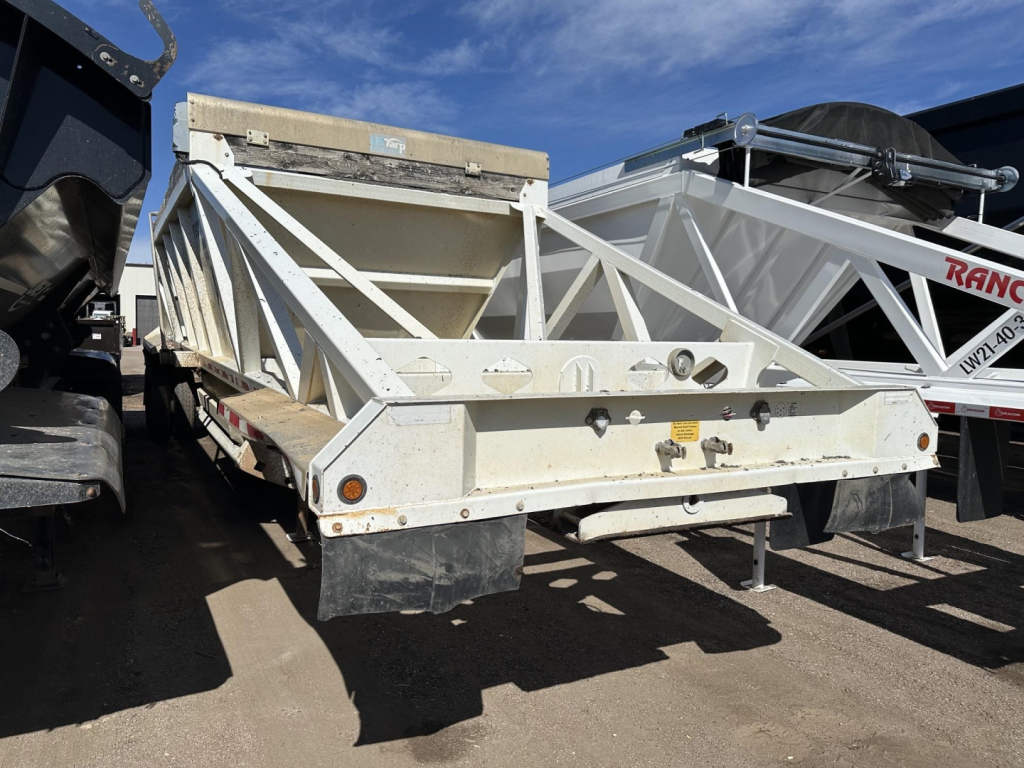
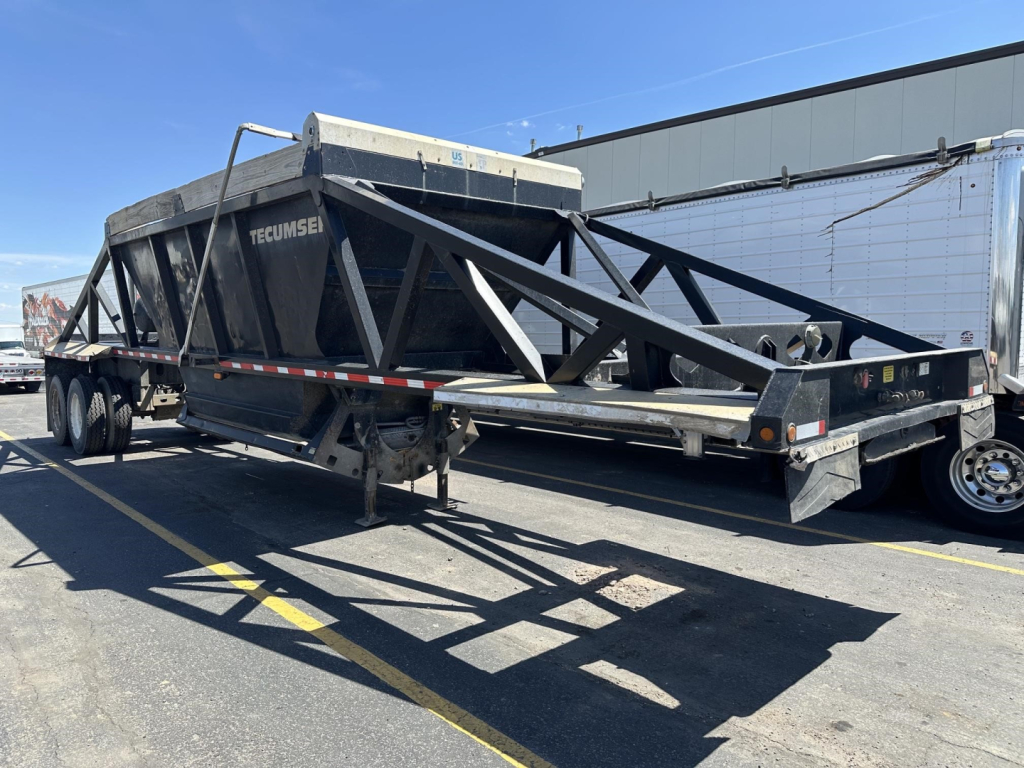
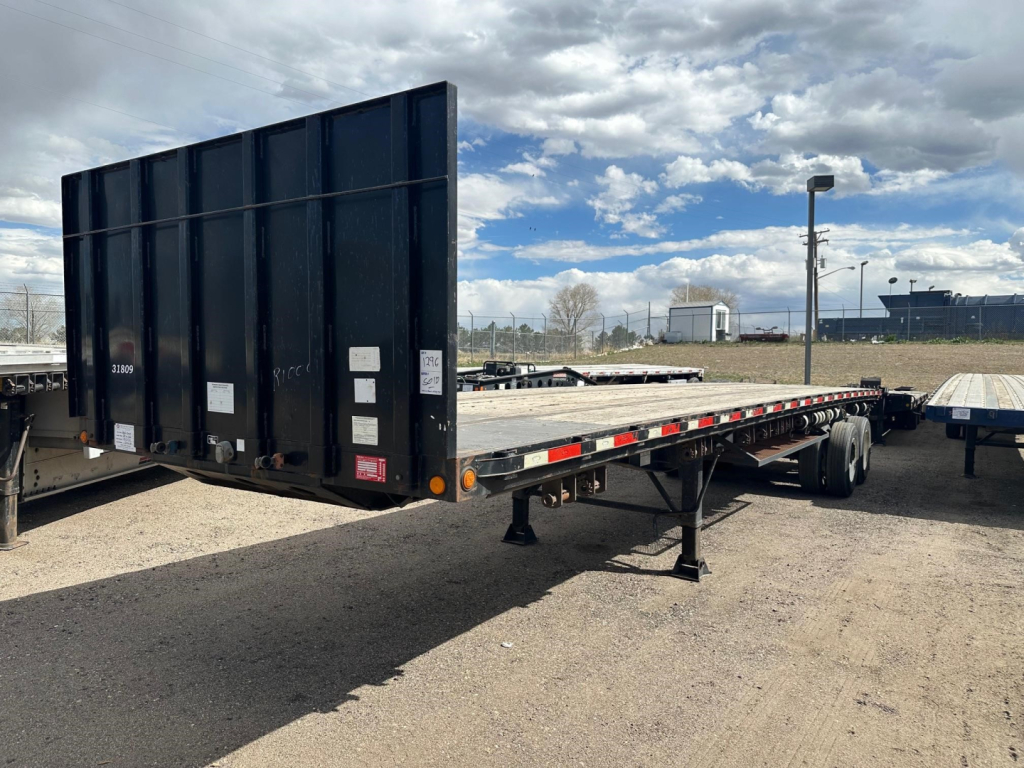
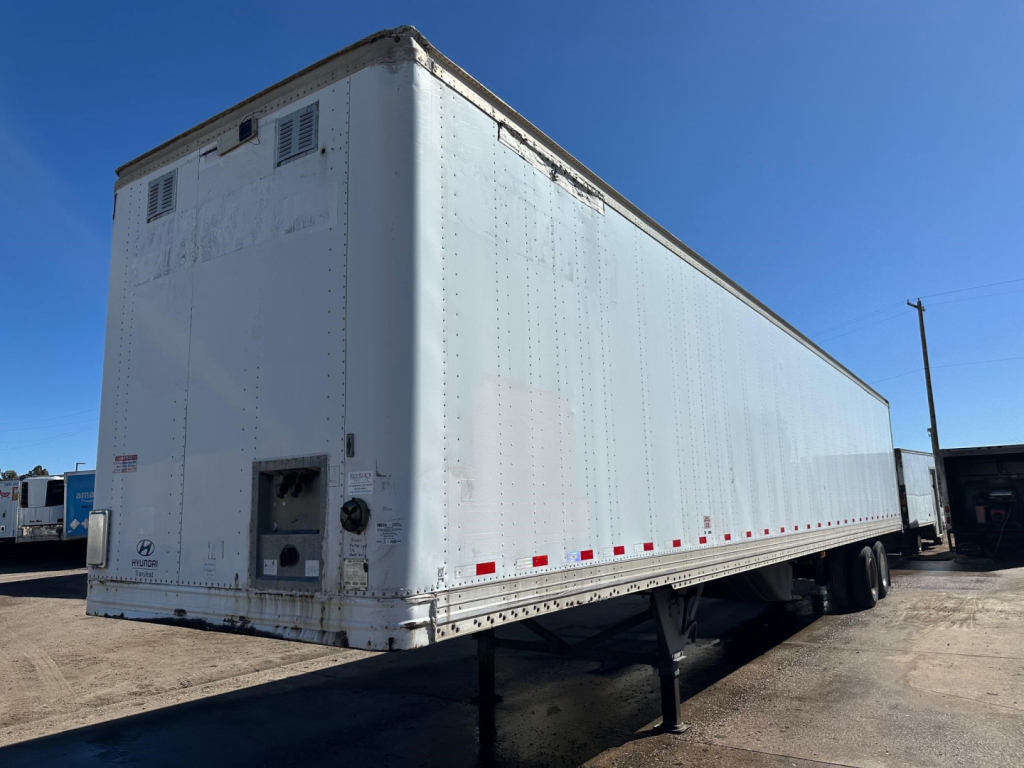
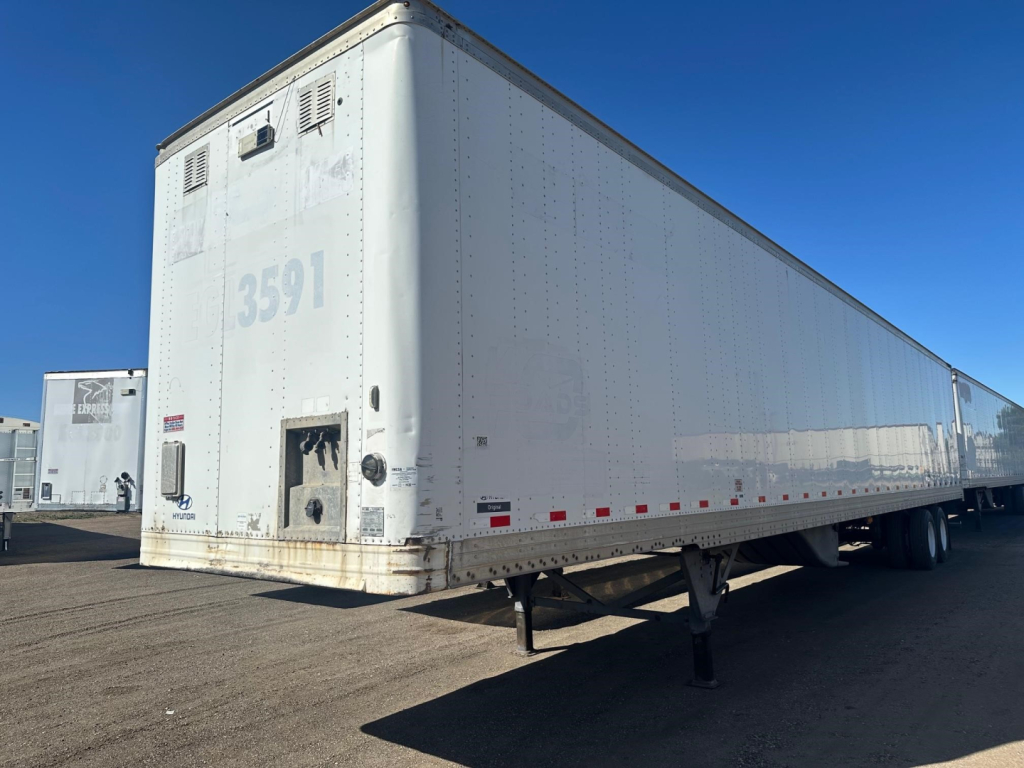
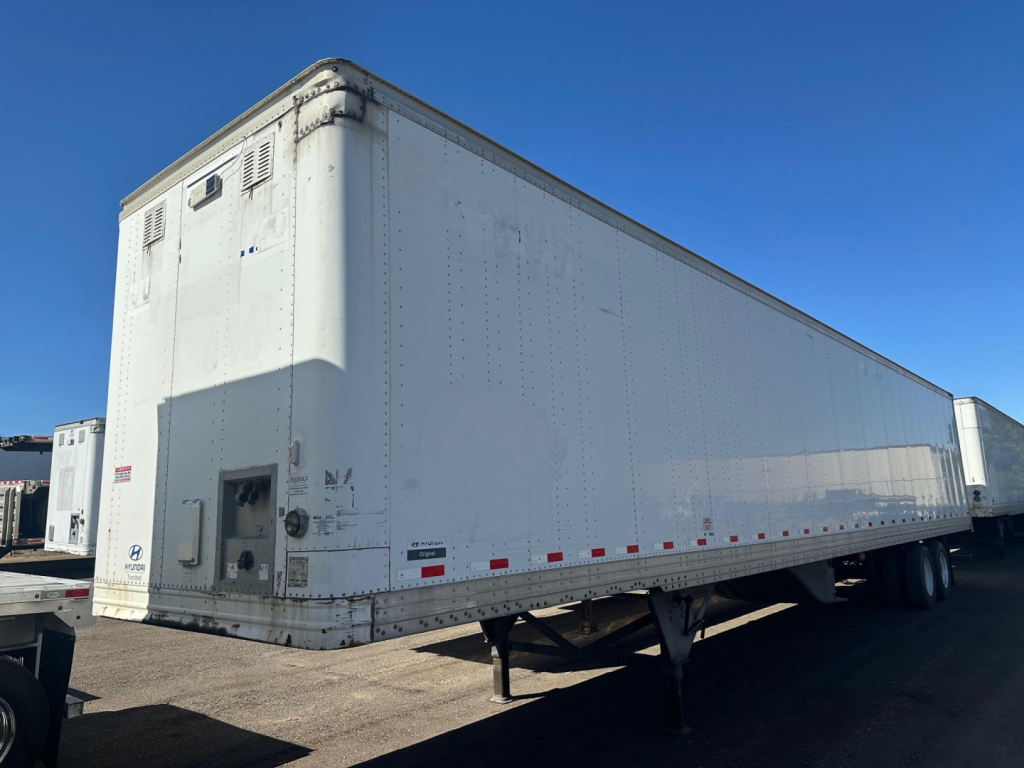
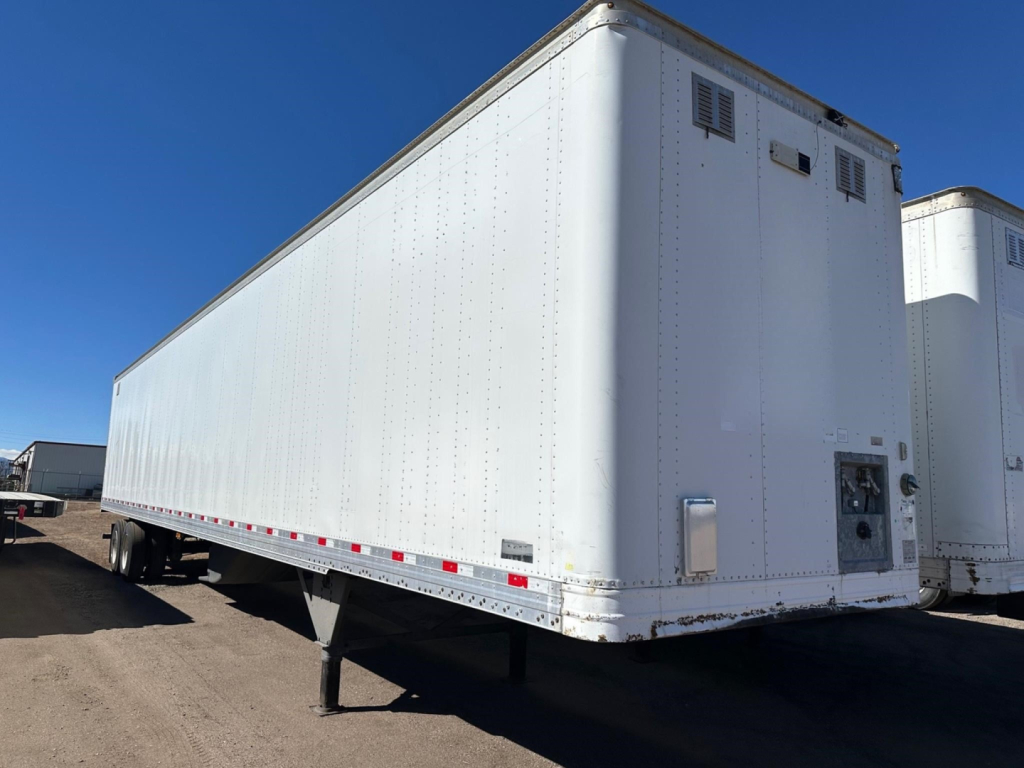
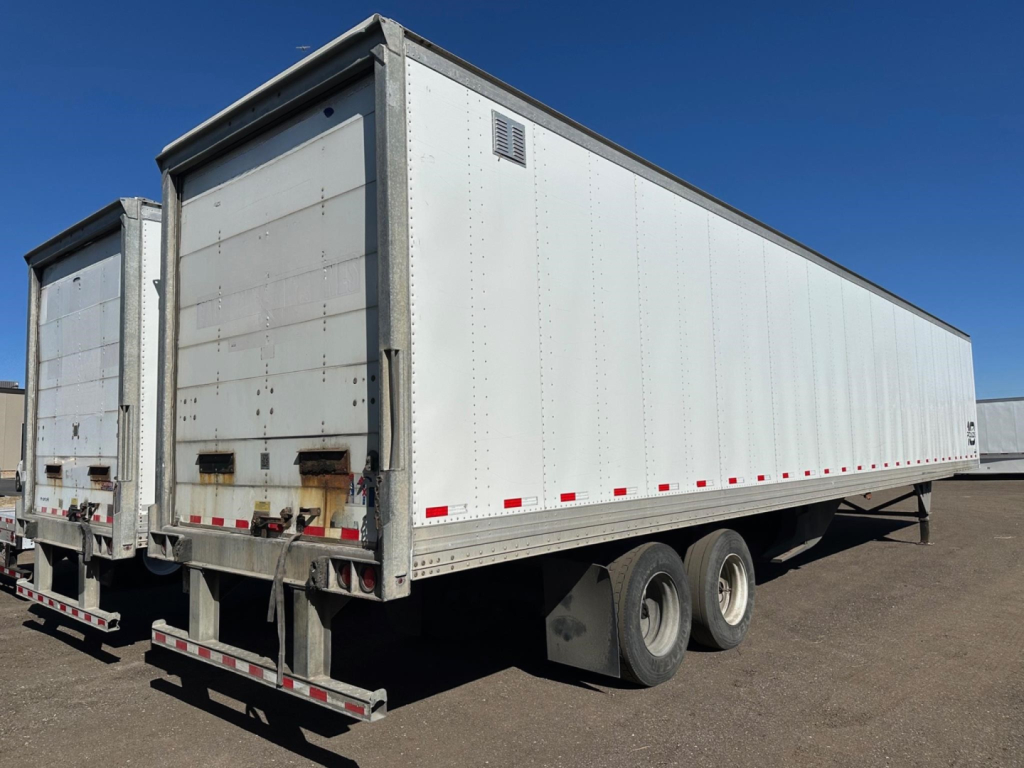
Selling a 2015 trailer? List your 2015 trailer for sale and reach thousands of commercial buyers.
2015 Trailers in Colorado
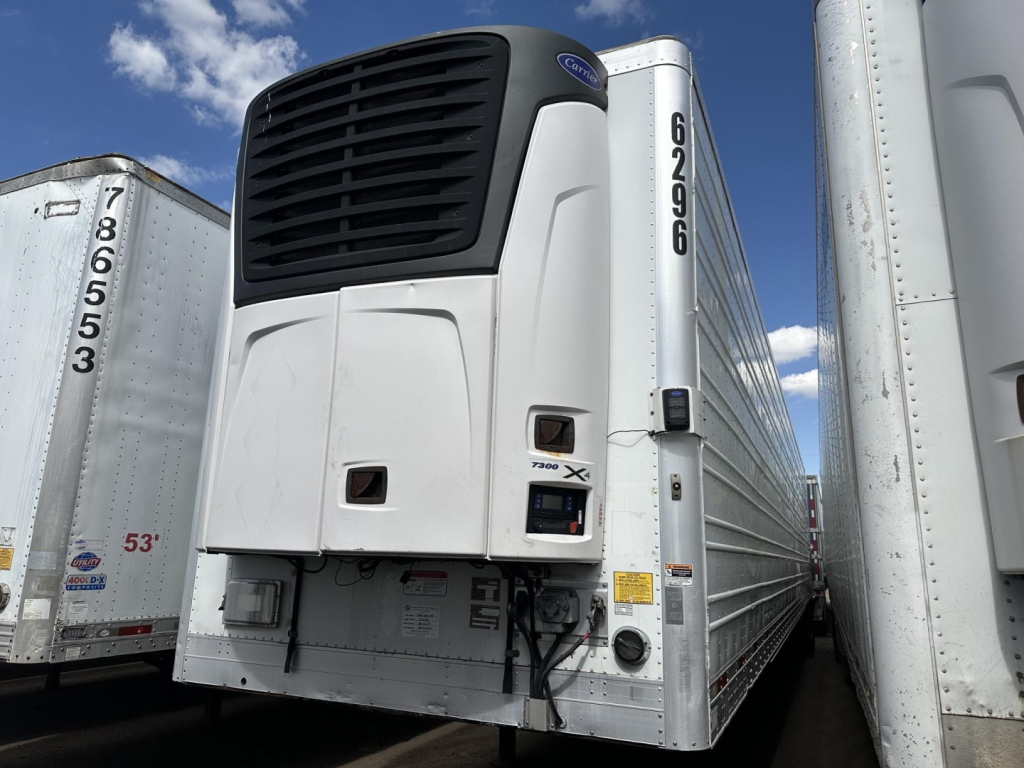
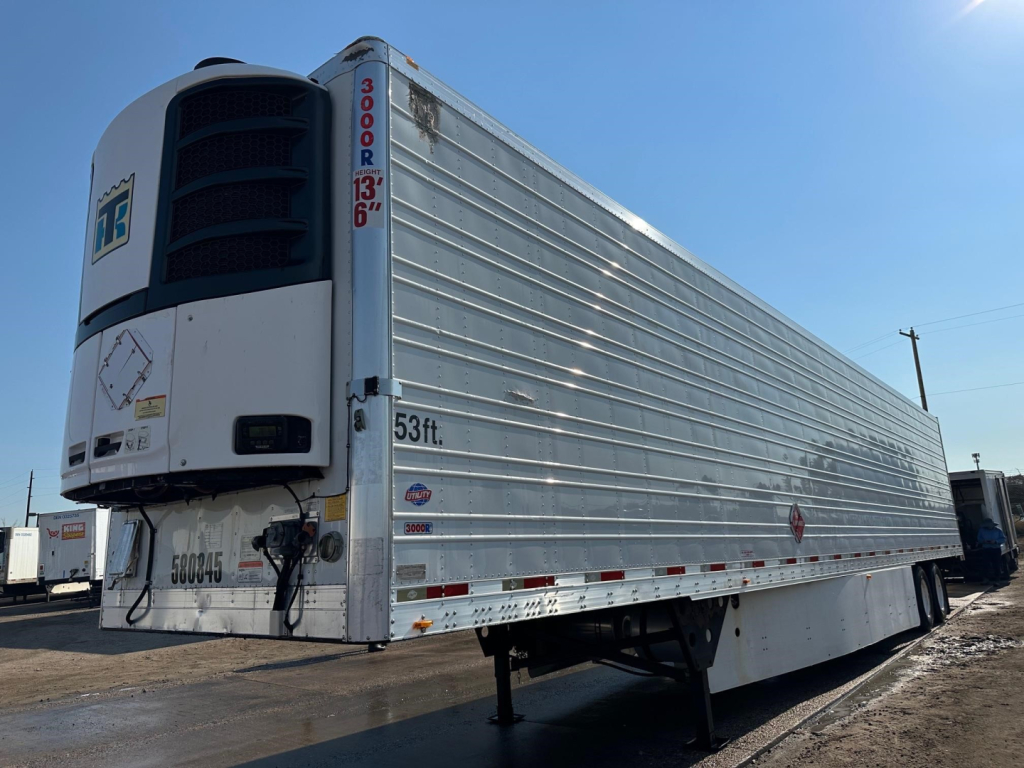
On reefer trailers, the refrigeration unit and insulated body deserve the closest inspection. Many 2015 reefers in this class are 53-foot x 102-inch units with aluminum duct floors, scuff liners, bulkheads, rear chutes, and side skirts. Buyers should look at reefer hours, start-run history, CARB compliance, floor wear, door seal condition, and the state of the interior liner and wearband. Thermo King and Carrier units are common in this segment, and California-legal refrigeration spec can matter even for Colorado operators if the trailer may move into western regional lanes. Closed tandem or air slide setups, aluminum outer wheels with steel inners, and 22.5 low-profile tires are also common specs that affect serviceability and operating cost.
For dry van trailers from this era, the conversation usually centers on cube, floor life, and loading efficiency. A good 2015 dry van often includes a wood floor, logistic posts, scuff liner, threshold plate, aluminum roof, and rear swing doors with dual lock rods. Side skirts and tire inflation systems started showing up more often on fuel-conscious fleet specs, and those features still add value if they are intact and functional. Pay attention to bottom rail condition, roof bows, rear frame alignment, ICC bumper integrity, and signs of repeated dock impact. In Colorado, weather swings and elevation changes can expose weak door seals, aging suspension components, and neglected tire systems faster than in flatter, milder markets.
The smartest way to shop 2015 trailers is to match the trailer spec to the freight instead of buying on age alone. Reefer buyers should prioritize unit health, insulation integrity, and floor condition. Van buyers should prioritize structural straightness, floor fastening, and trailer interior layout for load securement. Across both categories, key checkpoints include kingpin wear, slider operation, brake and ABS condition, tire age, wheel-end service records, and evidence of corrosion around crossmembers and landing gear mounts. A well-kept 2015 trailer can still be a dependable revenue unit, especially when the original spec fits the lane, commodity, and loading environment.
Frequently Asked Questions about 2015 Trailers in Colorado
What should I look for first on a 2015 reefer trailer?
Start with the refrigeration unit hours, service history, and compliance status, then move to the trailer body. On a 2015 reefer, buyers should inspect the duct floor for damage, check the chute and bulkhead, confirm the door seals are tight, and look for interior liner cracks or moisture intrusion. Reefer performance matters, but insulation integrity and body condition are just as important because a strong unit cannot make up for a weak box.
Is a 2015 trailer too old for regional or long-haul work?
Not necessarily. A 2015 trailer can still be a productive regional or over-the-road unit if the structure, running gear, and major systems have been maintained correctly. Age alone does not determine value in trailers as much as floor condition, suspension wear, slider function, brake system health, tire condition, and signs of accident or dock damage. A properly spec'd and well-maintained 2015 trailer can still fit demanding freight operations.
What trailer specs matter most for Colorado buyers?
Colorado buyers usually pay closer attention to brake condition, suspension performance, tire quality, and overall structural soundness because elevation, winter weather, and mountain grades put more stress on equipment. On reefer and van trailers, good door seals, reliable ABS, sound wheel ends, and a healthy tandem slider are important. If the trailer will run western lanes, emissions compliance on the reefer unit can also be a significant factor.
Are side skirts and tire inflation systems worth it on a 2015 trailer?
They can be, provided the systems are complete and in working order. Side skirts can improve fuel economy on highway lanes, and automatic tire inflation systems can help extend tire life and reduce roadside failures. On a used 2015 trailer, the real question is condition. Damaged skirts, leaking tire inflation lines, or missing components reduce the benefit, so buyers should verify the system is intact rather than assuming the original spec still delivers value.
How do I compare a 2015 reefer trailer to a 2015 dry van?
The comparison should start with freight type and operating cost. A 2015 reefer has higher maintenance complexity because the refrigeration unit, insulated body, duct floor, and temperature-control components all require attention. A 2015 dry van is simpler and usually less expensive to maintain, but buyers still need to inspect the floor, roof, rear frame, and logistics setup carefully. If the freight does not require temperature control, a dry van is often the lower-cost ownership choice.